


French Country Garden Table
A French country garden table brings effortless rustic character to an outdoor terrace or conservatory with its combination of aged timber and weathered metal.
French Country Garden Table
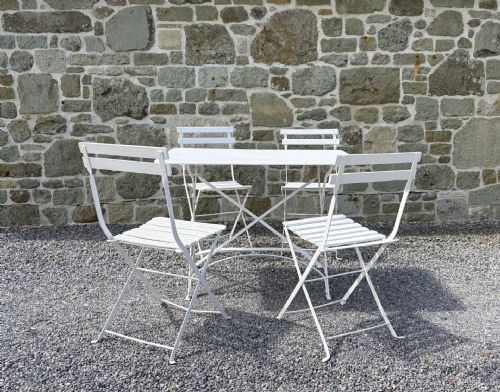
When searching for a French country garden table, buyers encounter a selection of pieces spanning the nineteenth century, nineteen-twentieth, and Edwardian eras. These furnishings typically manifest as compact bistro tables, low garden tables, and larger dining sets complete with matching chairs.
The aesthetic bridges rural practicality and understated elegance, with forms designed for both outdoor dining and conservatory use. Pieces often show the utilitarian origins of potting shed furniture alongside more decorative ironwork found in chateau grounds.
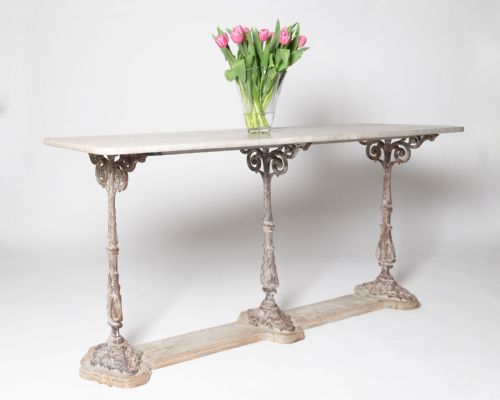
The most common variations on this page combine rustic wooden tops with sturdy iron or zinc surfaces, reflecting traditional continental design. Buyers will frequently find circular bistro formats as well as rectangular variants suited to patio dining.
Materials and Construction
Makers utilised a combination of durable hardwoods like oak alongside resilient metals including wrought iron, cast iron, and zinc. Table tops were frequently fashioned from solid timber planks or fitted with sheet metal to withstand daily outdoor use.
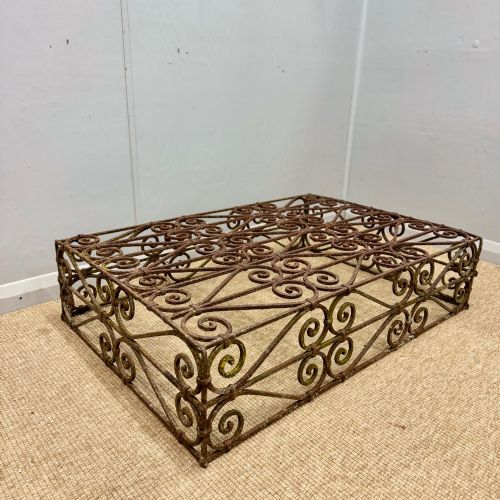
Frames rely on riveted or forged ironwork, providing sturdy support while maintaining slender proportions. Protective metal surfaces, including zinc and verdigris copper, were selected for their ability to weather the elements while retaining a distinct texture.
One particularly stubborn nineteenth-century table top retains the faint circular shadow of an old flower pot that sat outside in the rain for decades.
Distinctions in Quality
Quality reveals itself in the harmony of materials and the integrity of the original construction rather than surface perfection. Superior examples display thoughtful proportions, such as well-balanced iron bases paired with appropriately thick oak or zinc tops.
The distinction between ordinary utility pieces and finer examples lies in the character of the metalwork and the patina accumulated over decades. Hand-forged details on iron frames and the natural ageing of timber distinguish the better specimens from standard mass-produced items.
The French Country Garden Table Glossary
- Bistro table
- A small, portable table traditionally used in pavement cafes and domestic gardens. These typically feature a round top supported by a central iron pedestal or folding legs.
- Verdigris
- The green patina that forms naturally on copper, brass, or bronze through long-term exposure to weather and moisture. This finish is prized by collectors for its visual depth and historical character.
- Zinc top
- A metal sheet surface applied to wooden tables to create a durable, waterproof workspace. These tops develop a muted grey coloration and soft marks over years of active service.
- Wrought iron
- Iron that has been heated and hammered into shape by a blacksmith rather than cast in a mould. This material offers superior strength and allows for slender, decorative structural elements.
French Country Garden Table: Frequently Asked Questions
How do I protect my table outdoors?
Most antique garden furniture benefits from being stored under cover during the harsher winter months to preserve the timber and metal joints. Applying appropriate oils to wooden components helps maintain moisture resistance without masking the aged patina.
For tables with zinc or copper tops, simply washing with mild soap and water prevents dirt build-up while leaving the natural weathered finish intact.
Can these tables be used indoors?
These pieces transition easily into indoor spaces such as kitchens, sunrooms, and conservatories where their rustic charm complements domestic interiors. Their compact proportions make them versatile additions to smaller dining areas or casual breakfast nooks.
When placed indoors on wooden flooring, adding subtle protective pads beneath iron feet prevents scratching while keeping the piece stable.
How do I date a metal and wood table?
Dating relies heavily on observing manufacturing techniques, such as identifying hand-forged wrought iron versus later cast components. Fasteners like slotted screws and the specific wear patterns on timber planks also offer clues regarding the period of production.
Comparing construction methods against documented styles from the nineteenth and early twentieth centuries helps narrow down the probable era of manufacture.
What is verdigris and is it desirable?
Verdigris is the natural green or blue-green coating that forms on copper and related metals after prolonged exposure to the atmosphere. Collectors value this surface oxidation because it proves genuine age and adds rich visual variation to the piece.
Rather than an imperfection, this weathered layer acts as a hallmark of historical exposure that cannot be easily replicated by artificial means.