

French Marble Pedestals
French marble pedestals bring substantial weight and classical poise into a room, combining solid stone with disciplined metalwork.
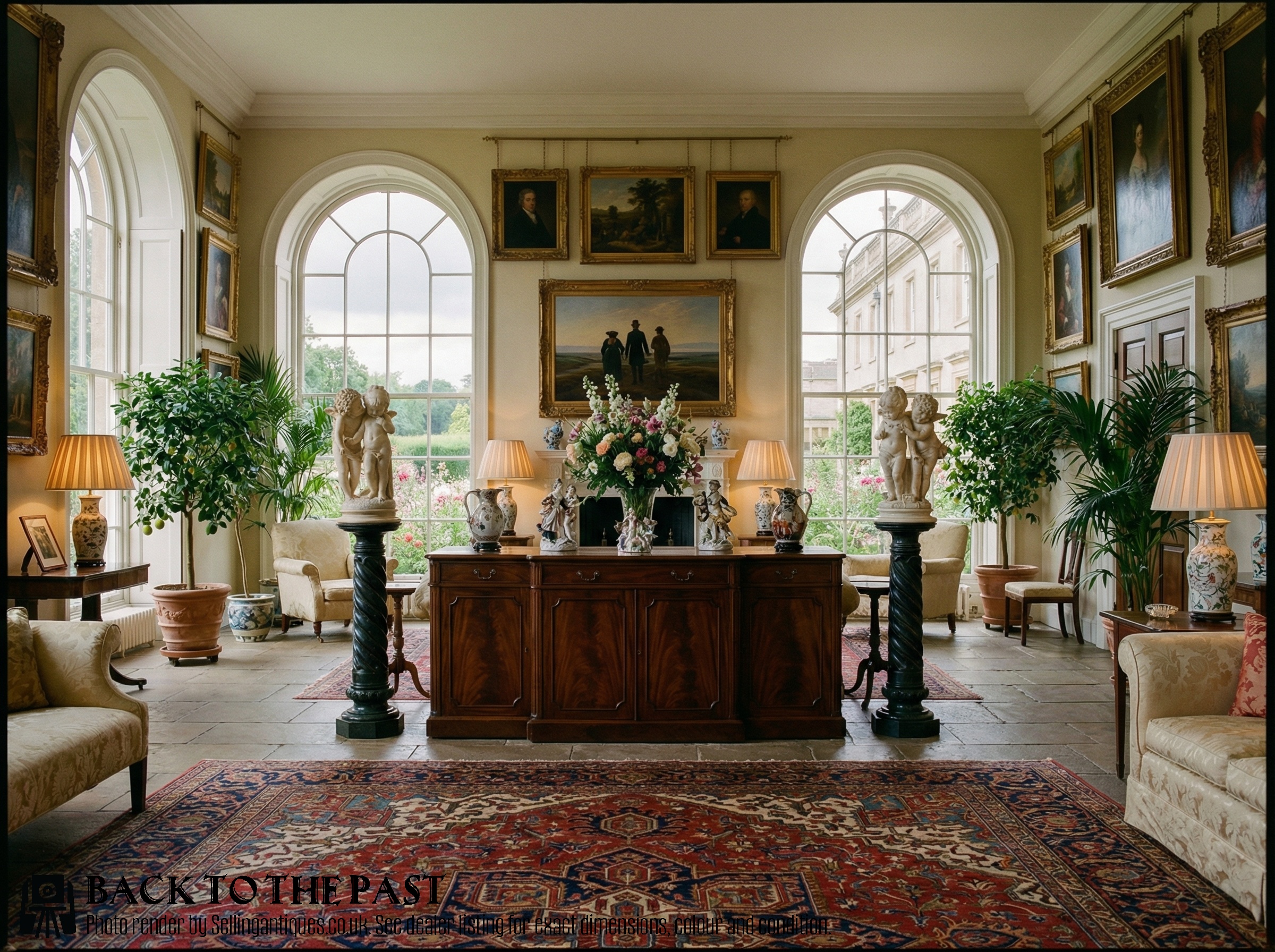
French Marble Pedestals
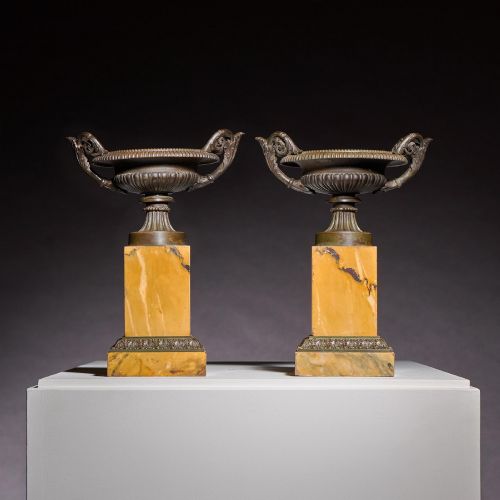
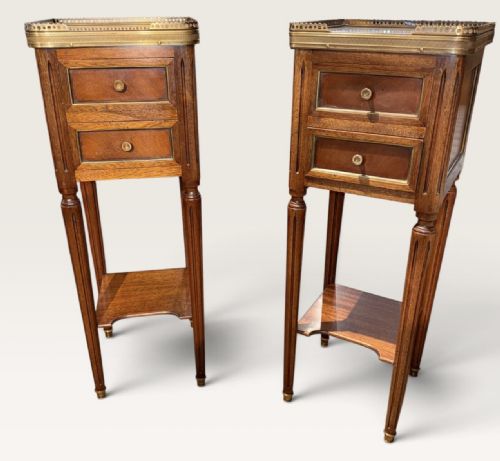
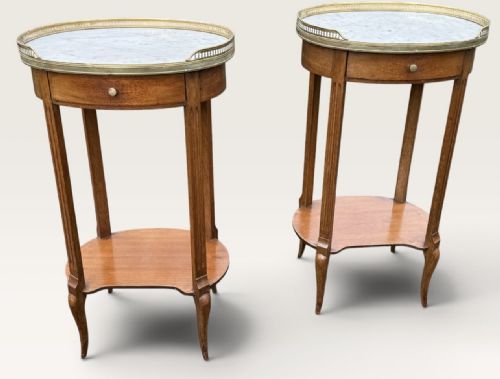
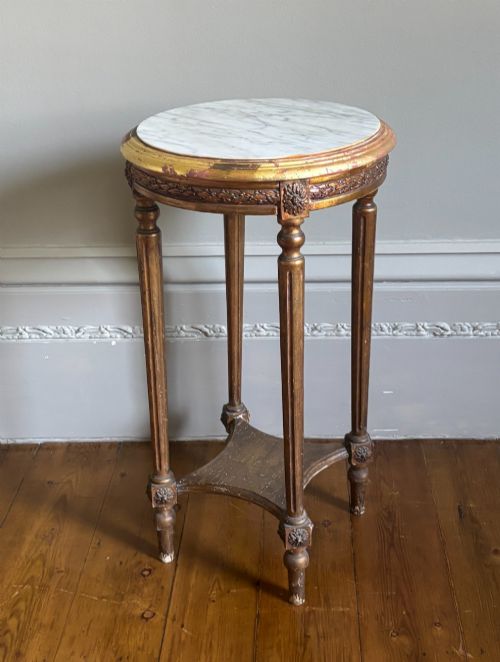
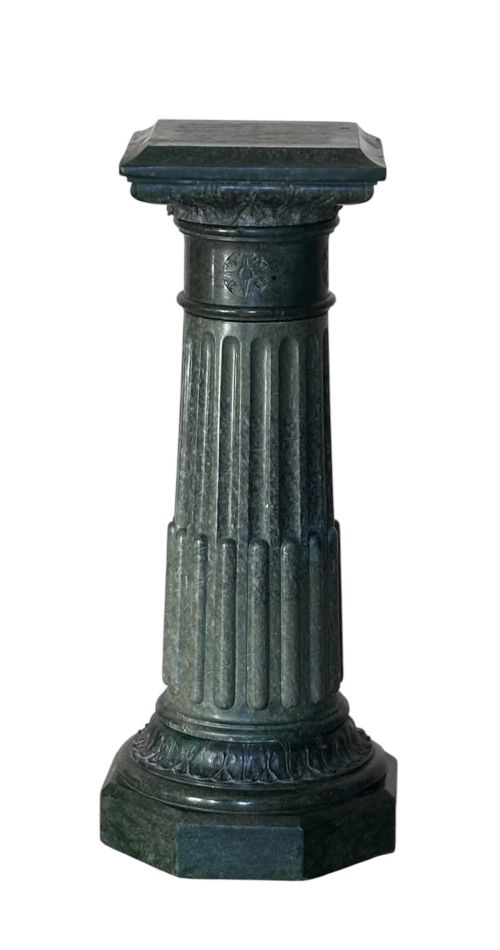
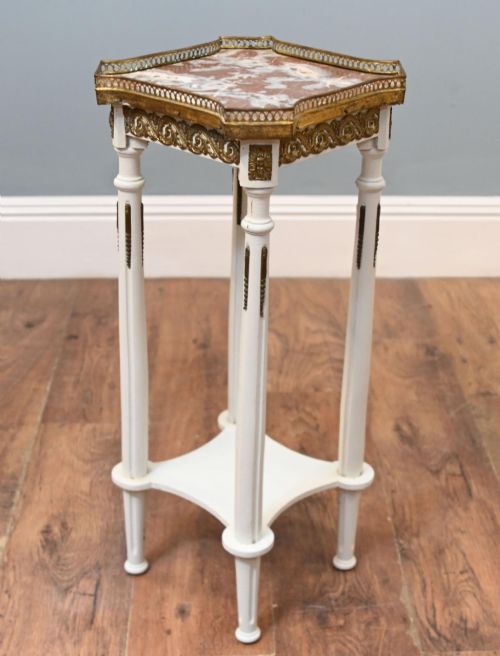
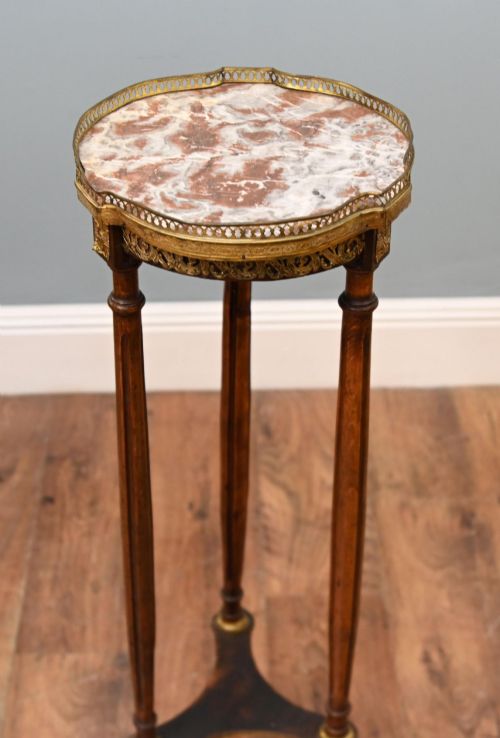
When you search for french marble pedestals, you find structural stone columns, plant stands, and associated display pieces dating predominantly from the nineteenth century. These forms draw on French Empire, Louis XVI, and neoclassical design vocabularies to elevate sculptural objects and urns.
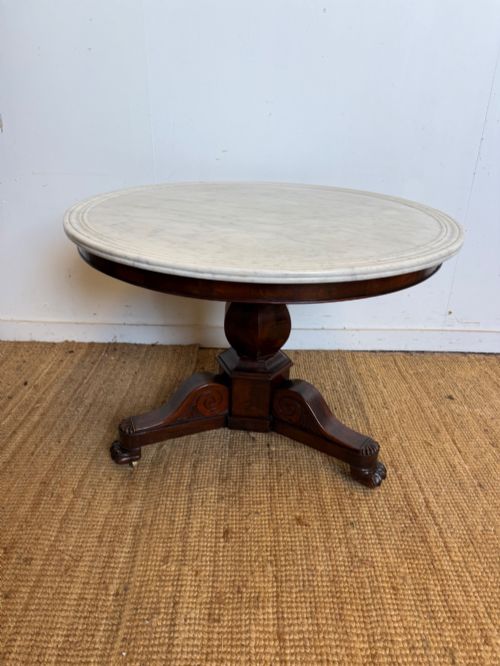
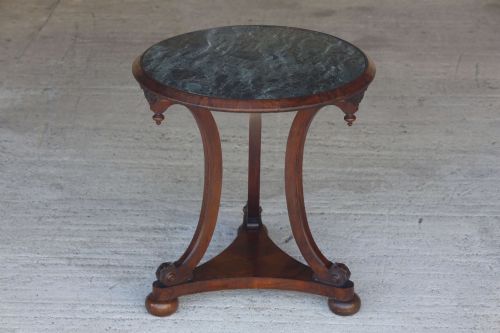
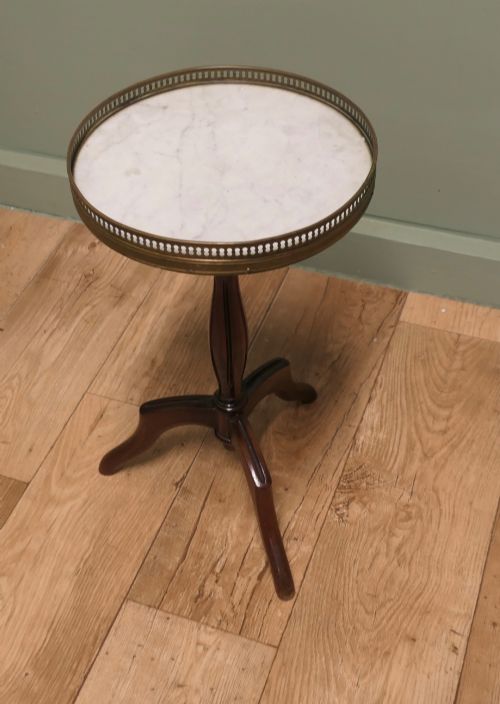
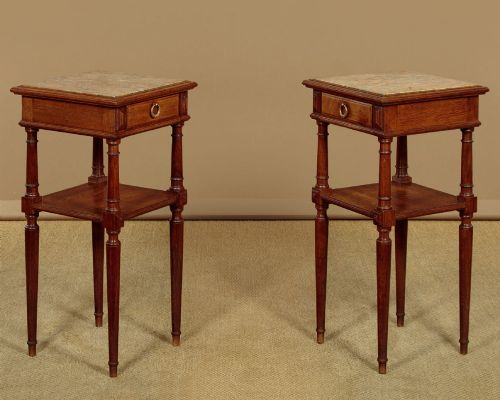
The material vocabulary of these pieces relies heavily on marbles paired with onyx, alongside supporting elements in mahogany, walnut, and cast metals.
Columnar supports and architectural shafts dominate the selection, frequently capped with metal collars or mounted on tiered bases.
How they were made
Makers shaped dense blocks of marble and onyx into smooth shafts, often turning the stone on heavy lathes to achieve uniform cylindrical profiles. They joined these stone sections to timber carcases or cast metal bases using concealed internal rods and threaded fixings.
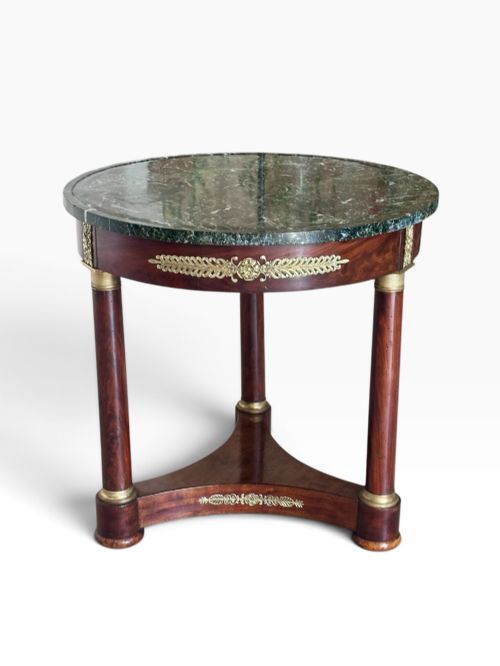
Foundries produced decorative mounts in bronze, gilt bronze, and ormolu through traditional lost-wax or sand-casting methods, then chased the metal surfaces by hand to sharpen the foliage and fluting before applying gilding.
French Marble Pedestals Retail Price Guide 2026
Typical asking prices for french marble pedestals among the pieces listed under this phrase on Sellingantiques today, from the lower quarter to the upper quarter. They describe what is for sale here now, not the wider market.
Listings span the nineteenth century, including Victorian and Edwardian examples featuring marble, onyx, mahogany, and ormolu.
What varies in quality
Quality rests in the crispness of the bronze or ormolu mounts and the depth of the marble veining chosen for the shaft. Heavy, finely chased metal collars and well-selected stones differentiate standard functional columns from pieces intended for formal reception rooms.
The French Marble Pedestals Glossary
- Ormolu
- Gilded bronze applied to furniture and decorative objects as mounts. The technique involves coating bronze with a mercury and gold amalgam before heating.
- Guéridon
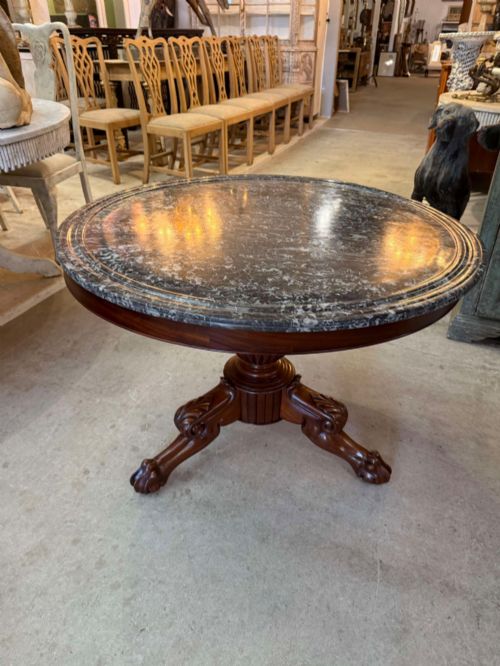
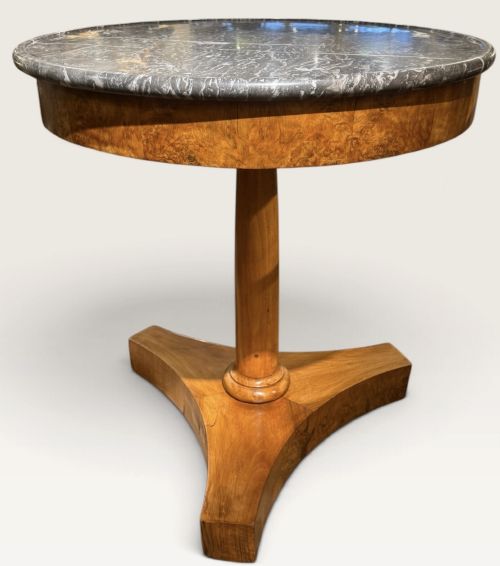
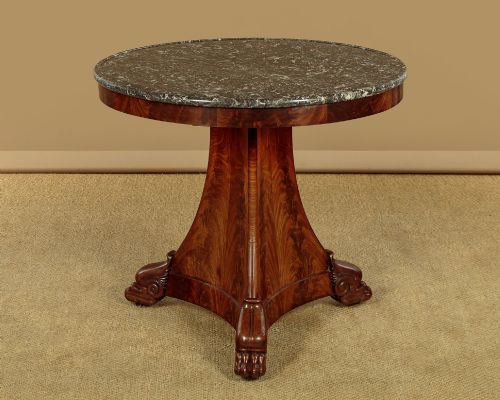
- A small circular table on a central pillar, frequently topped with marble. Originating in seventeenth-century France, these pieces served multiple domestic uses.
- Tazza
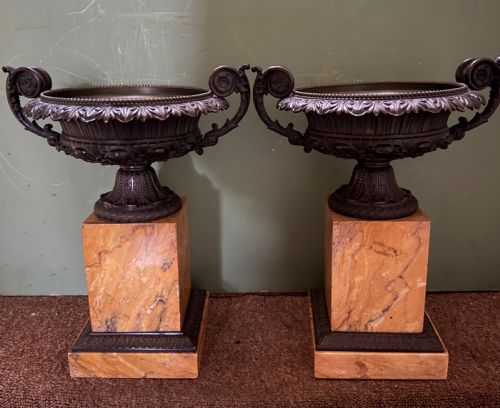
- A shallow cup or vase on a pedestal foot, often rendered in bronze and marble. Grand Tour examples frequently adopted classical motifs.
- Siena marble
- A yellow-hued Italian marble with dark grey and purple veining. It appears frequently in nineteenth-century decorative works.
French Marble Pedestals: Frequently Asked Questions
What supported these marble columns?
These pedestals rely on heavy stone or timber bases to maintain balance, often reinforced with internal iron rods running through the central shaft.
The weight of the marble itself provides the primary stability needed to hold heavy bronzes or urns safely.
Where were pedestals placed originally?
Nineteenth-century interiors used these columns in reception rooms, halls, and libraries to display sculptures, tazzas, and plants.
They functioned as architectural punctuation points within rooms decorated in neoclassical or empire styles.
How do I identify French Empire style?
French Empire pieces display strict symmetry, militaristic or classical motifs, and heavy use of gilt bronze mounts against dark woods or stone.
The vocabulary draws directly on ancient Roman and Greek visual traditions.
Can these hold heavy items?
The stone shafts and solid bronze collars provide exceptional load-bearing capacity for heavy decorative objects and large bronze figures.
The primary concern is ensuring the base rests on a level floor to maintain equilibrium.