
French Giltwood Seat
A french giltwood seat brings gilded warmth and ornate carving into a room, offering both decorative presence and functional seating rooted in continental tradition.
French Giltwood Seat
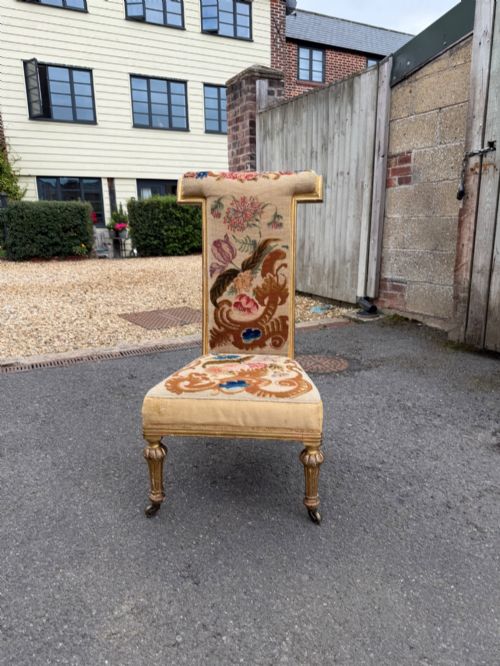
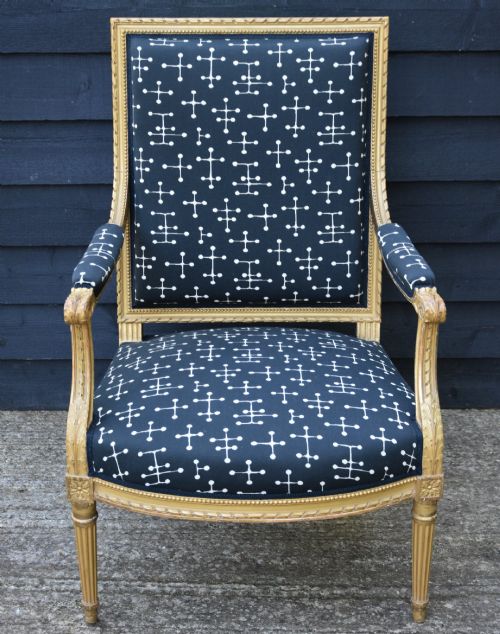
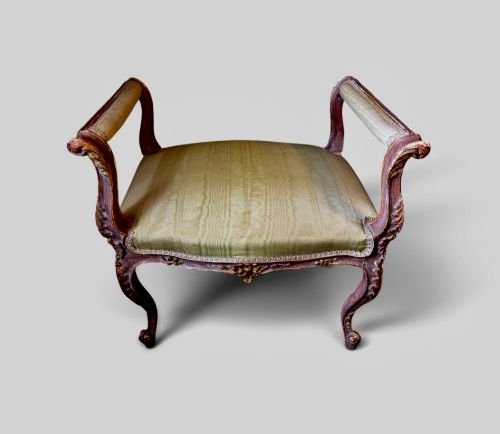
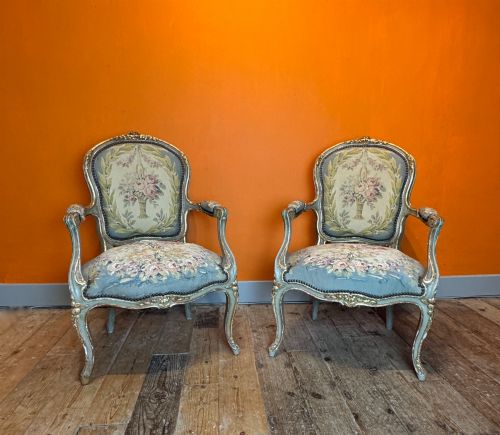
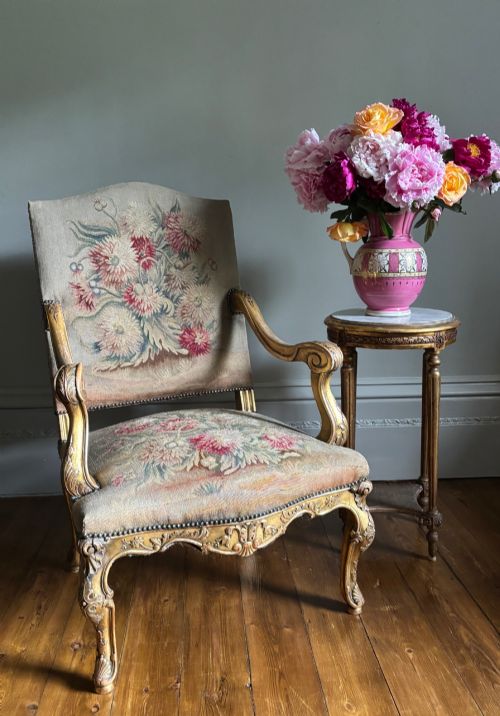
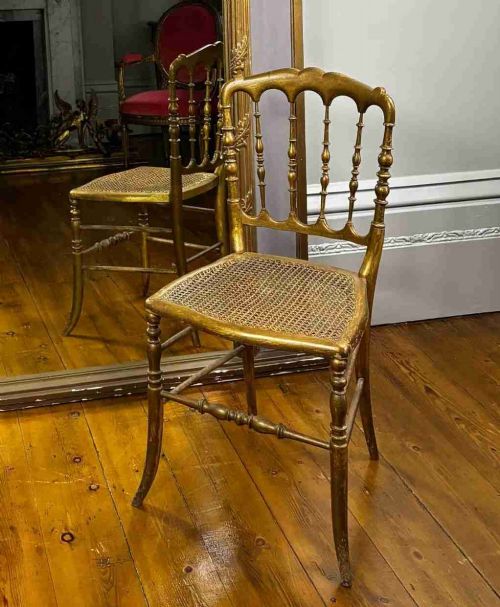
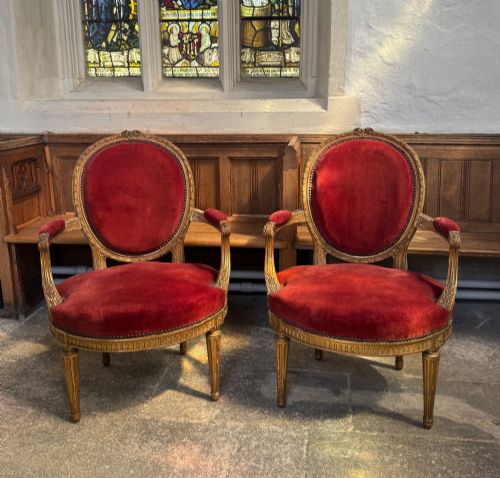
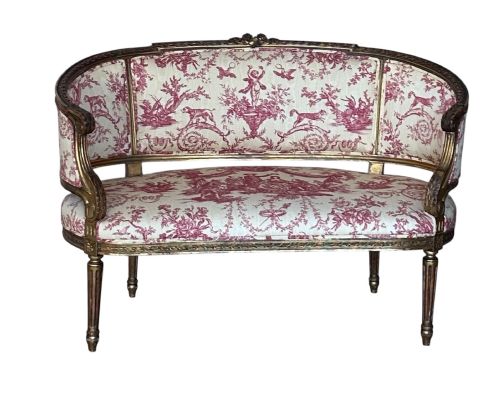
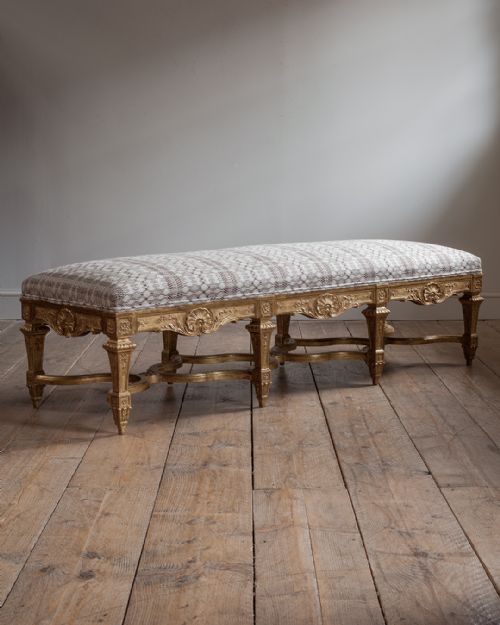
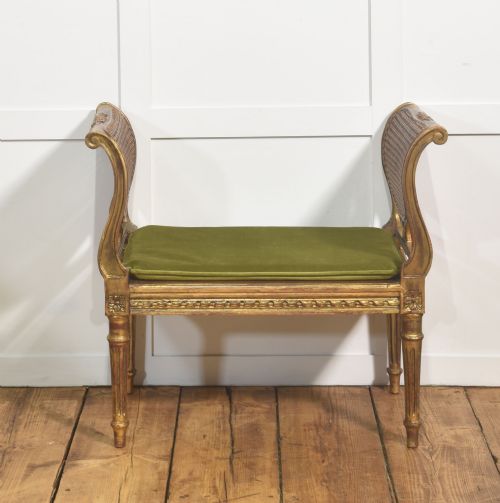
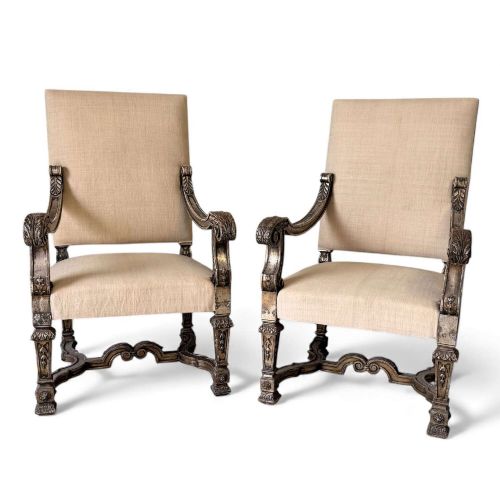
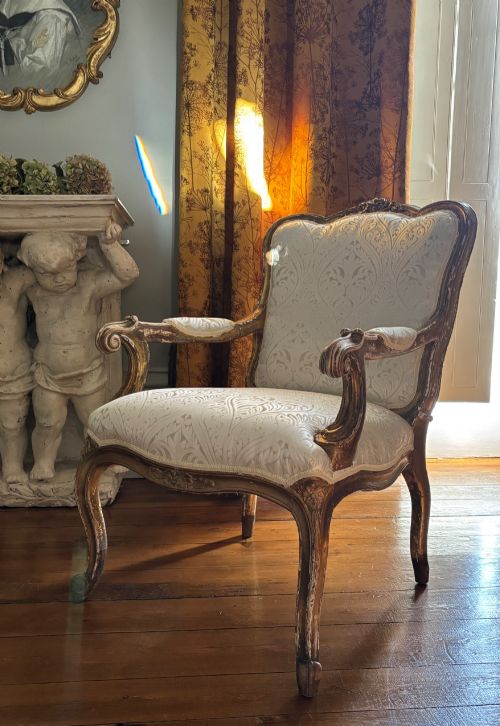
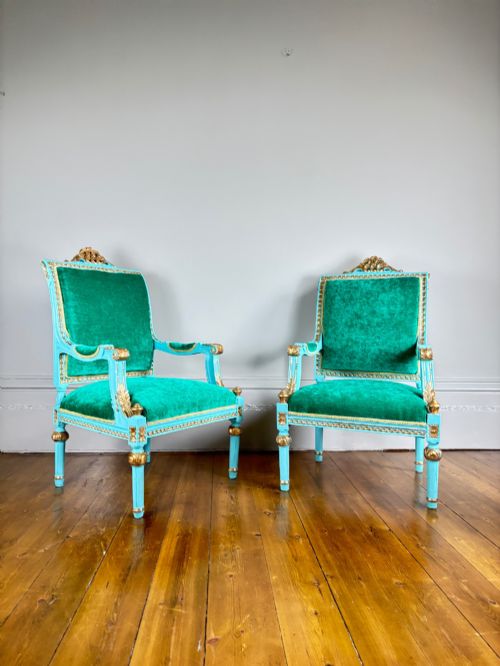
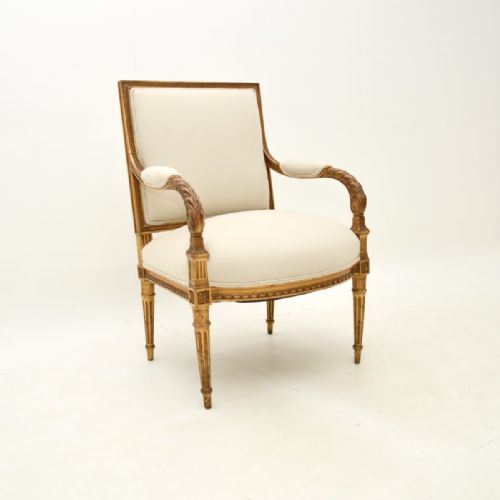
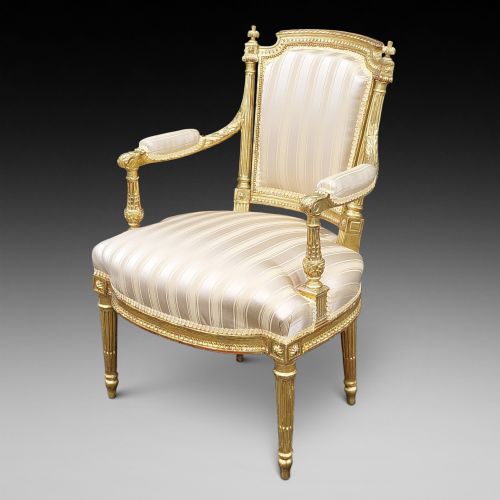
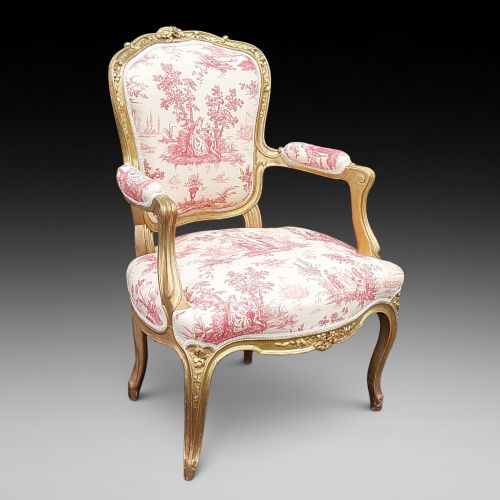
A french giltwood seat encompasses a diverse group of seating furniture, including armchairs, window seats, settees, and stools produced across the nineteenth and early twentieth centuries. The primary forms encountered on this page range from single salon chairs and fauteuils to larger two-seat sofas and canapés.
These pieces draw heavily upon historical design idioms, frequently displaying the restrained straight lines of Louis XVI style or the sinuous curves of Rococo revival and Louis XV designs. Makers also interpreted Empire, Baroque, and Regence styles, translating historical royal aesthetics into domestic furnishings for grand salons and boudoirs.
Most selections originate from nineteenth-century production, though variations extend into the early decades of the twentieth century. Buyers encounter everything from small nursing chairs and footstools to large throne armchairs and multi-seat settees.
Materials and Construction
The underlying frames of these seats are constructed primarily from timber, with beech frequently utilised by makers for its strength and suitability for detailed carving. Artisans shaped the wood into elaborate cabriole legs, fluted columns, and intricate floral motifs before applying the surface finishes.
Gilding defines the visual character of the pieces, achieved by applying gold leaf or gilt layers over the wood or prepared gesso grounds, sometimes complemented by parcel gilt highlights or paint. Upholstery materials vary from traditional horsehair and webbing to more recent silk, velvet, tapestry, and cane inserts.
Listings demonstrate a strong preference for nineteenth-century craftsmanship, with styles spanning Louis XVI revival, Rococo, and Napoleon III aesthetics.
Factors of Quality
Quality in these giltwood pieces rests upon the crispness and depth of the wood carving, where hand-carved detailing reveals sharper definition and greater artistic confidence than machine or pressed work. The proportion and balance of the frame, from the sweep of an armchair arm to the stance of a cabriole leg, determine the overall visual harmony.
The integrity of the original gilt surface also dictates standing, as untouched or well-preserved gold leaf retains a softer luminescence than harsh modern repainting. Additionally, the quality of the supporting structure, joinery, and the appropriateness of the chosen textile upholstery influence the lasting appeal of the seat.
The French Giltwood Seat Glossary
- Giltwood
- Wood that has been coated with gold leaf or a gold-coloured finish. This technique creates a luminous, reflective surface characteristic of formal European furniture.
- Fauteuil
- An open-arm armchair with upholstered back and seat, typically featuring exposed wooden arms and a carved frame. These chairs were staples of French salon culture.
- Canapé
- A decorative sofa or settee designed for multiple occupants, featuring an upholstered back and seat supported by an ornamented wooden frame.
- Bergere
- An enclosed armchair featuring upholstered sides and a loose seat cushion. The frame is heavily carved and often gilt.
- Caning
- A woven lattice material made from rattan peel, utilised for chair seats and backs. It provides a lightweight and decorative alternative to solid upholstery.
- Parcel Gilt
- A decorating technique where only specific portions of an object are gilded, leaving other areas painted or finished in natural wood.
French Giltwood Seat: Frequently Asked Questions
What is a french giltwood seat?
A french giltwood seat is an item of wooden seating furniture finished with gold leaf, encompassing chairs, sofas, and stools from various nineteenth-century revival periods.
These pieces reflect historic continental aesthetics, utilising carved timber frames and decorative upholstery to serve as both functional furniture and grand decorative accents.
How were these seats used historically?
Historically, these gilded seats furnished formal drawing rooms, boudoirs, and reception spaces in grand residences. They were designed to display status, offer comfortable seating for entertaining guests, and complement opulent interior decoration.
Smaller pieces like window seats and stools were easily moved about a room, while settees and armchairs remained anchor furnishings in a salon.
How do I live with a giltwood seat?
Living with a giltwood seat involves placing it away from direct sunlight and excessive moisture to protect the delicate gold leaf and timber frame. Regular dusting with a soft, dry cloth helps maintain the surface without damaging the finish.
Pairing the seat with complementary textiles and keeping it as a statement piece allows the craftsmanship and gilt finish to stand out in a modern interior.
How can I tell different styles apart?
Differentiating styles relies on observing the decorative motifs and structural lines of the wooden frame. Louis XVI pieces typically display straight, fluted legs and symmetrical neoclassical geometry.
In contrast, Louis XV and Rococo revival items feature asymmetric curves, C-scrolls, and flowing floral carvings, while Empire pieces favor bolder, classical military or Roman motifs.