


Victorian Fauteuil Chair
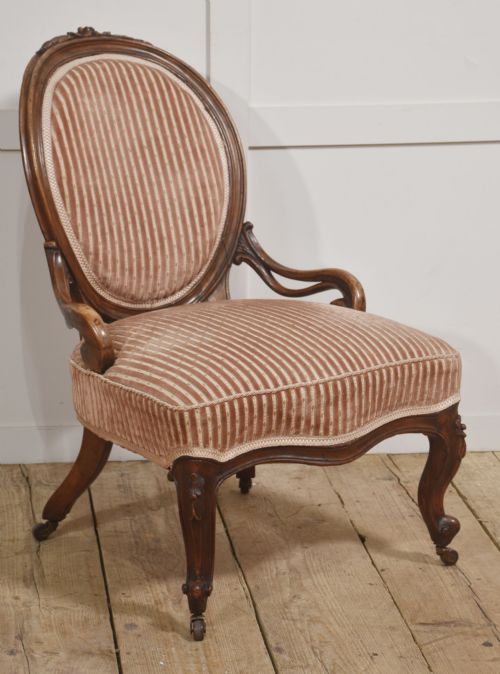
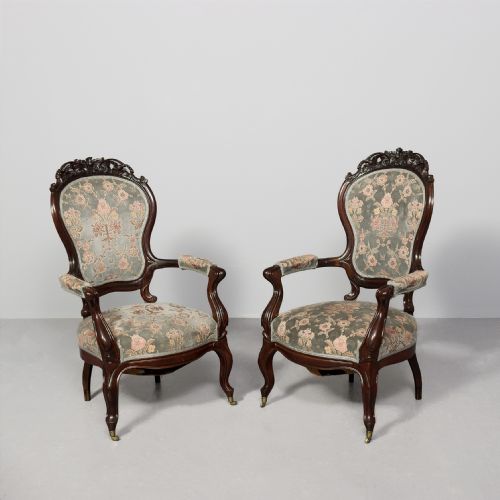
These Victorian fauteuil chair options bring continental revival elegance and carved wooden frames into the home, prized for deep upholstered comfort and status.
Victorian Fauteuil Chair
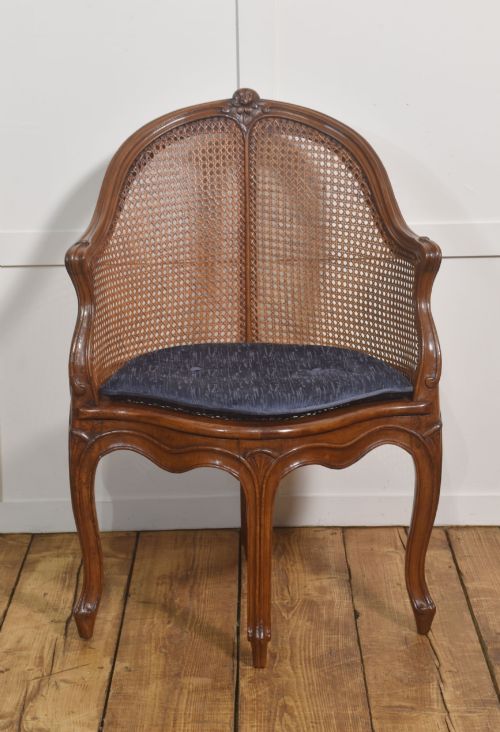
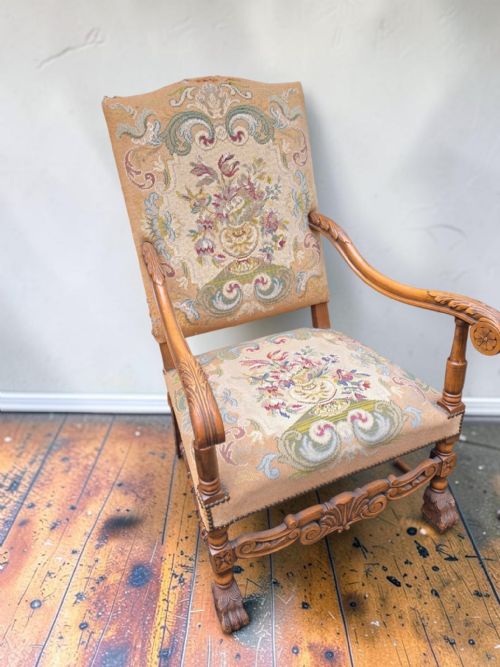
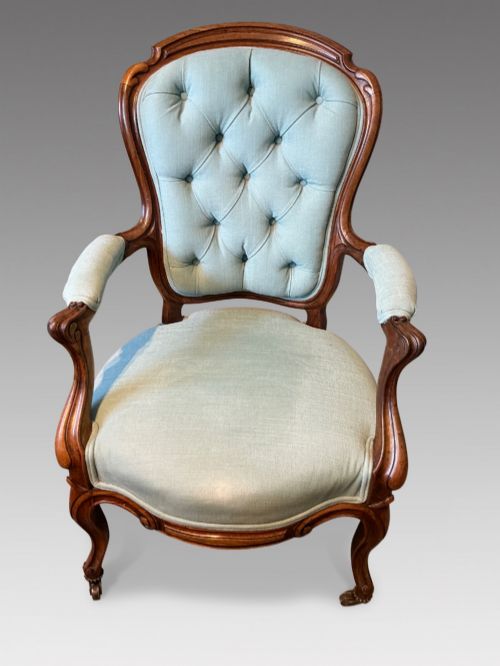
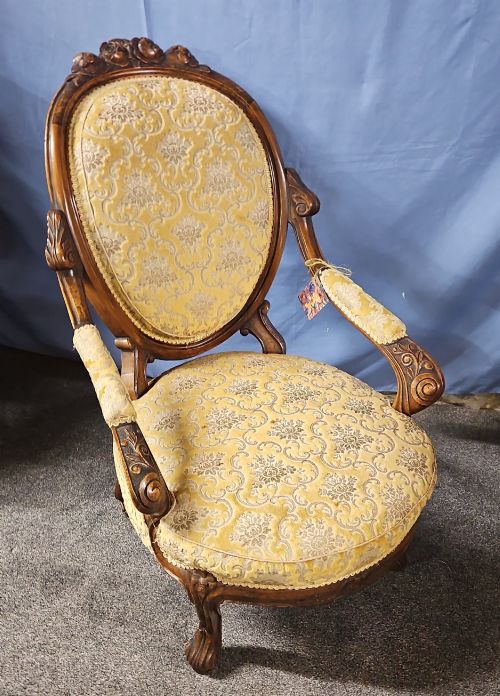
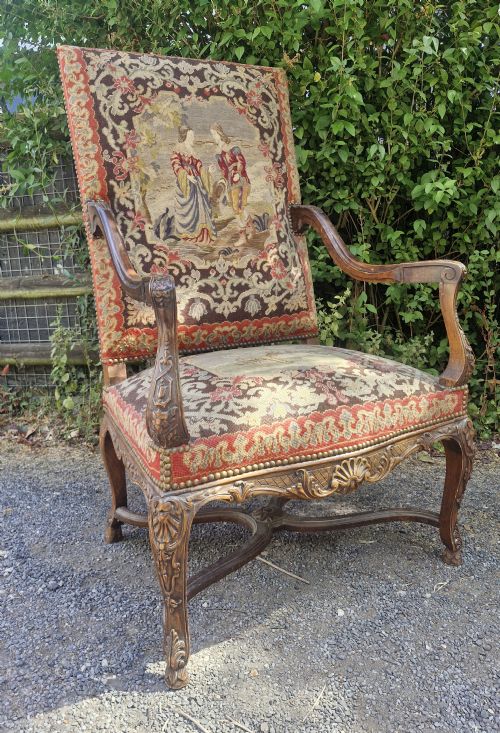
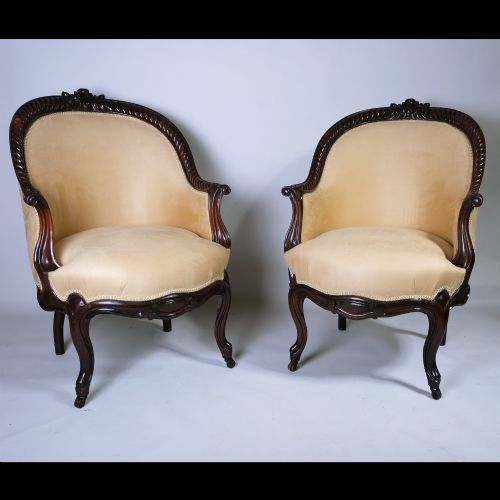
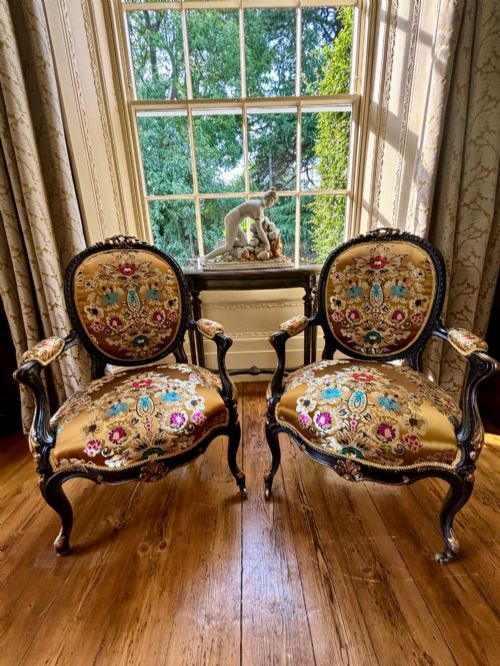
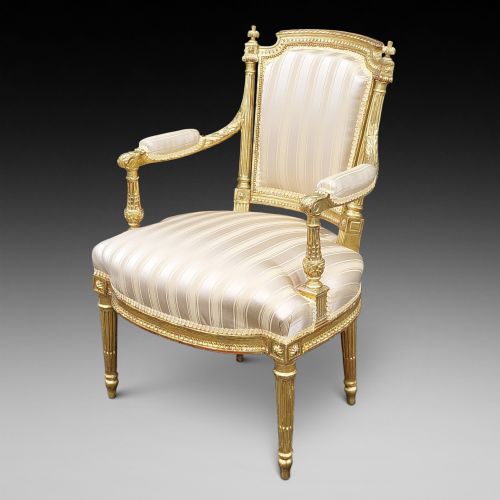
A Victorian fauteuil chair represents an open-armed seating form heavily influenced by French court styles and manufactured during the nineteenth century. Buyers encounter variations spanning the Victorian era, alongside revival aesthetics referencing Louis XV, Louis XVI, and Rococo designs.
The selection on this page demonstrates armchairs and salon suites constructed primarily from walnut, mahogany, and rosewood. Many examples incorporate gilded woodwork or carved frames paired with traditional textile coverings such as tapestry, velvet, and needlework.
How They Were Made
Cabinetmakers shaped solid timbers like walnut and mahogany into curved show frames, applying intricate hand-carvings along cabriole legs and crest rails. Giltwood and gesso surfaces received delicate metallic finishes to mimic opulent French salon furniture.
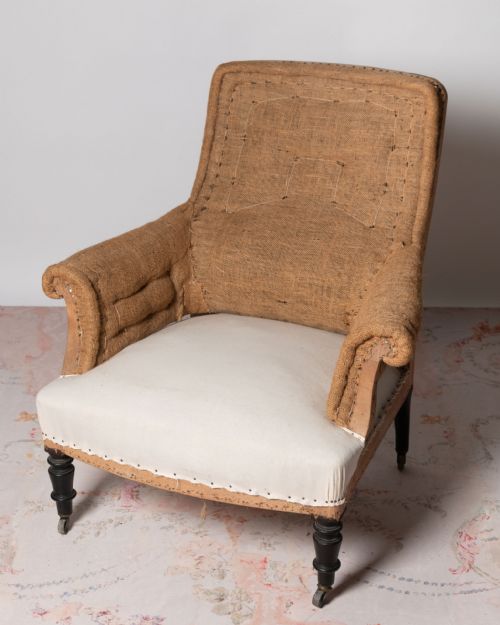
Upholstery techniques involved securing natural textile coverings, including silk fabric, needlework, petit point, and tapestry, over padded armchairs. Caning also appears on specific open-arm frames, providing a lighter texture to the seating.
Victorian Fauteuil Chair Retail Price Guide 2026
Typical asking prices for victorian fauteuil chair among the pieces listed under this phrase on Sellingantiques today, from the lower quarter to the upper quarter. They describe what is for sale here now, not the wider market.
Listings feature walnut, mahogany, and rosewood frames paired with brass, giltwood, and fabric.
What Varies in Quality
The sophistication of the wood carving dictates much of the distinction between standard production and top-tier pieces. Crisp, deep relief work on the show frame separates superior examples from simpler mouldings.
Material selection further defines the hierarchy, where fine timbers like rosewood or heavy gilding elevate a piece. Original coverings like period needlework or intact tapestry retain greater authenticity than later replacements.
Holland & Sons
The Victorian Fauteuil Chair Glossary
- Fauteuil
- An open-armed upholstered armchair originating in France, characterised by exposed wooden framing around the back and armrests. These seats gained widespread popularity in British Victorian drawing rooms.
- Giltwood
- Timber coated with gold leaf or a gold-coloured finish. This decorative treatment highlights carved details on revival frames.
- Cabriole leg
- A furniture leg that curves outward and then tapers inward, mimicking an animal's limb. This shape frequently appears on Victorian seating inspired by eighteenth-century designs.
- Needlework
- Hand-stitched textile work utilised as upholstery for chair backs and seats. It often depicts floral or pastoral scenes common in nineteenth-century interiors.
- Show frame
- The exposed structural woodwork of an upholstered chair that remains visible around the padded elements. Carved wooden frames define the aesthetic of these revival seats.
Victorian Fauteuil Chair: Frequently Asked Questions
What is a fauteuil chair?
A fauteuil is an open-armed upholstered armchair with an exposed wooden frame. These pieces reflect French design influences popular during the Victorian period.
They function as decorative seating for drawing rooms and formal reception spaces.
How do I identify the period?
Dating relies on timber selection, carving styles, and structural forms associated with the nineteenth century. Walnut and rosewood frames often indicate mid to late Victorian manufacture.
Revival motifs like Louis XV or Rococo styles point directly to Victorian interpretations of earlier French aesthetics.
Where should I place these chairs?
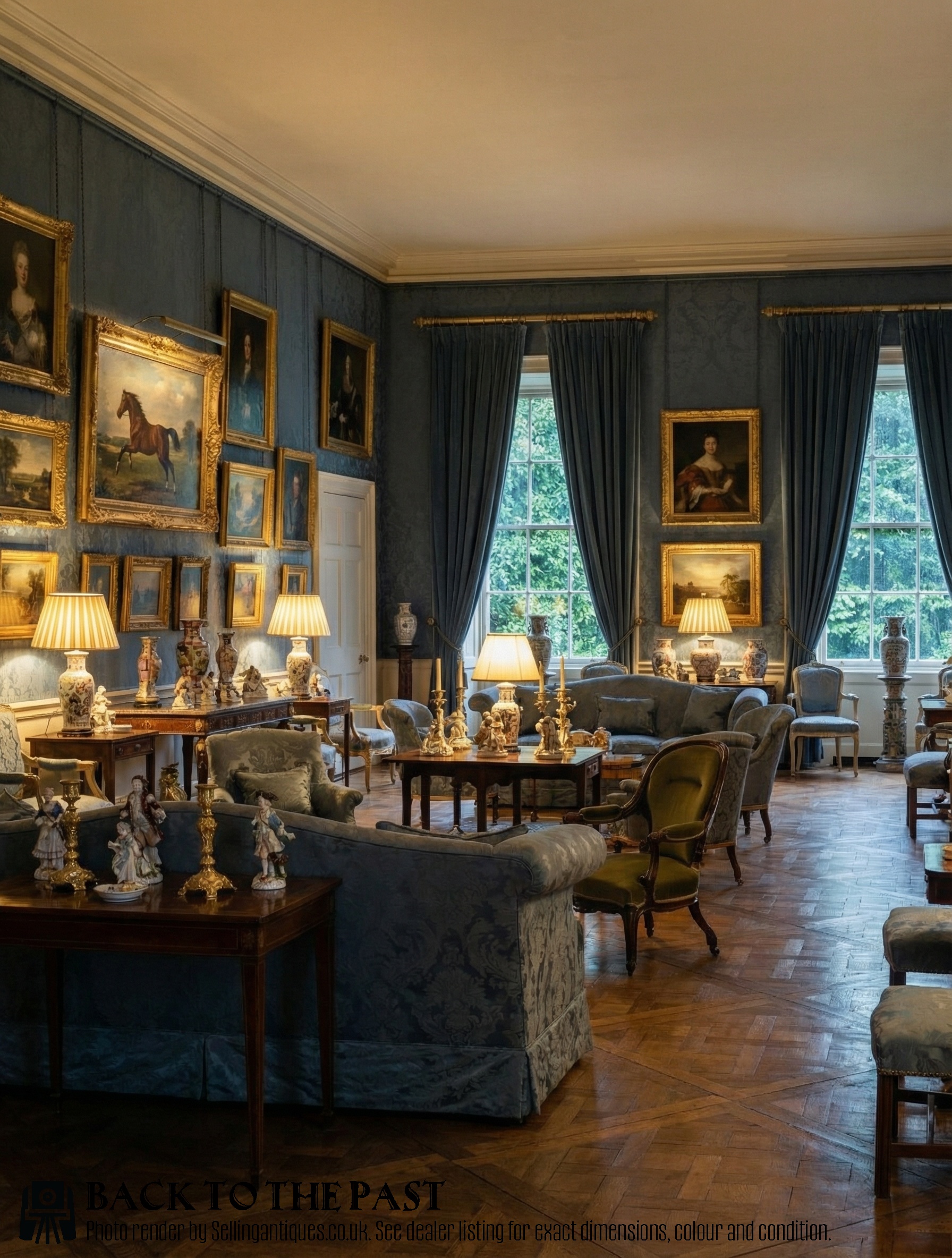
These armchairs suit drawing rooms, studies, and bedrooms as accent seating. Their open arms and carved frames make them effective focal points in traditional interiors.
Placing them away from direct sunlight protects delicate textiles like silk and tapestry.
What fabrics were used originally?
Original upholstery frequently included velvet, silk fabric, tapestry, and hand-worked needlework or petit point. Leather also appears on specific library and desk armchairs from the era.
Many surviving pieces retain later replacement coverings applied during subsequent restorations.