

Antique Armchair on Castors
An antique armchair on castors brings mobility and solid nineteenth-century comfort directly to your drawing room.
What these armchairs are
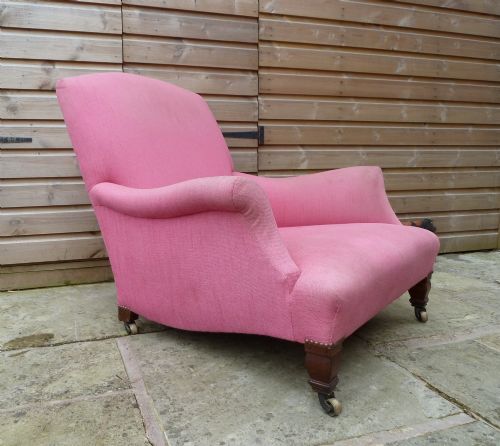
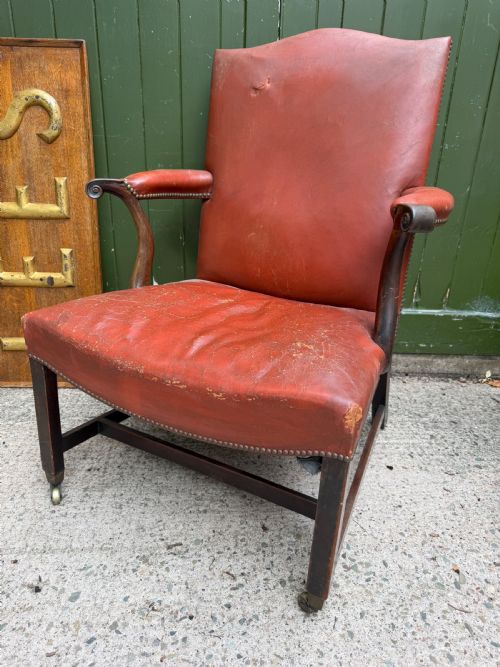
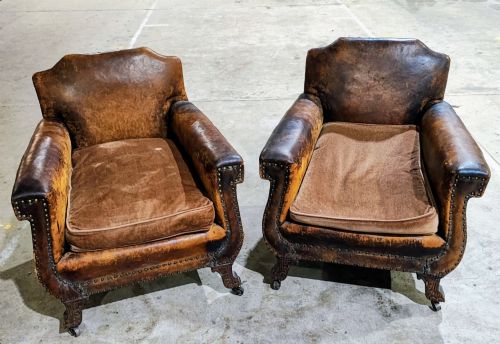
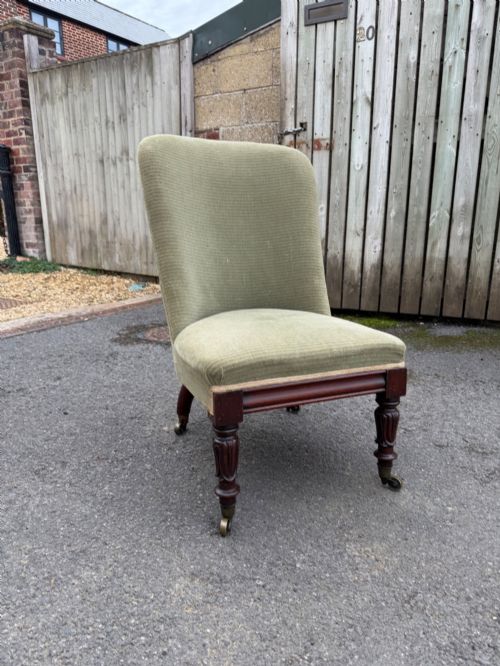
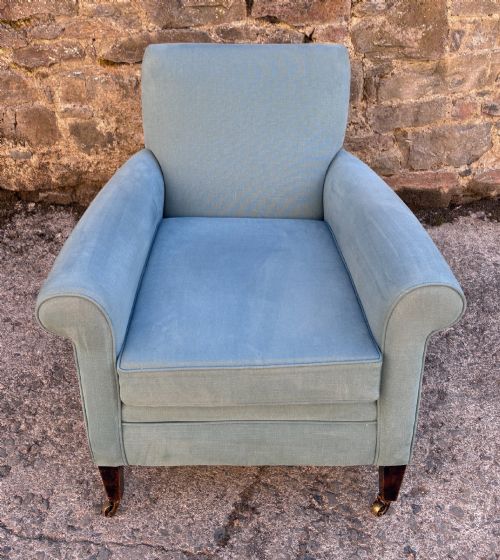
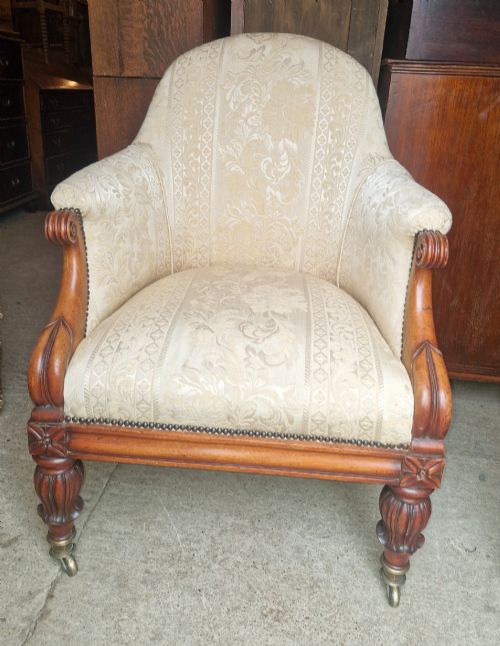
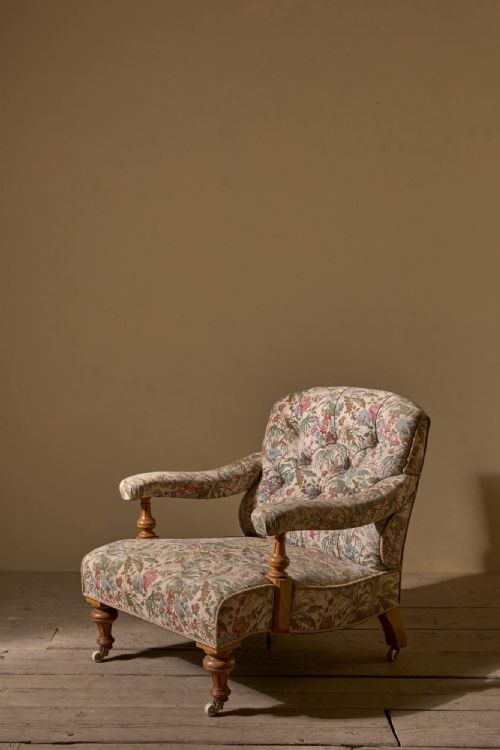
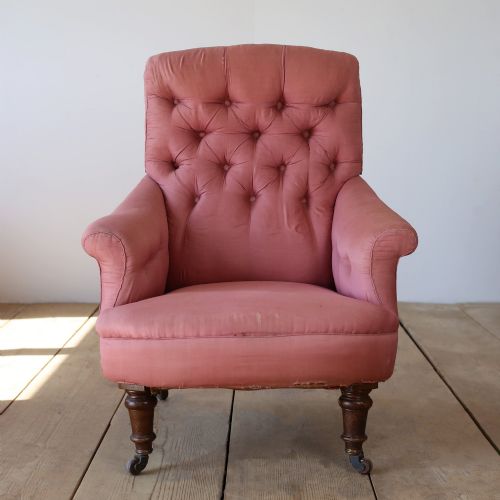
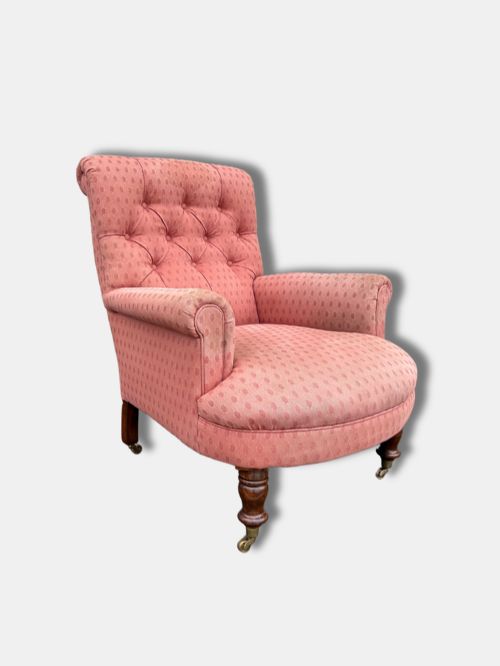
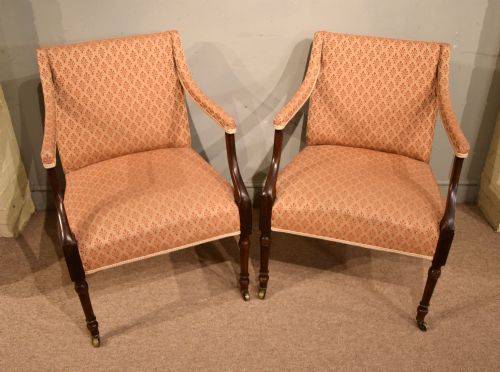
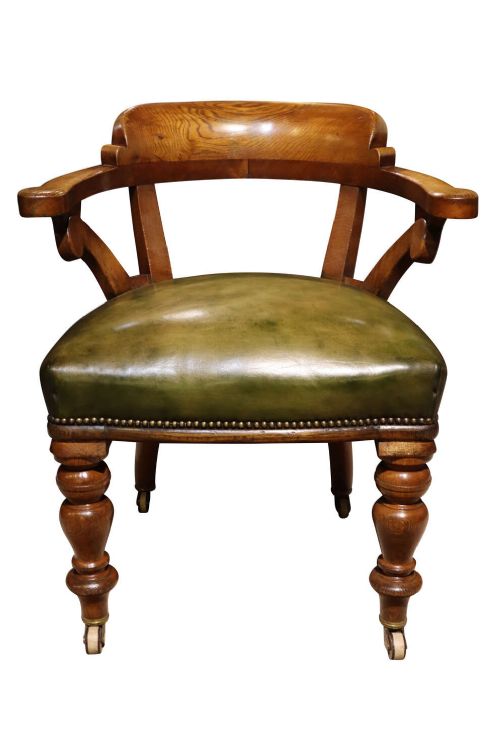
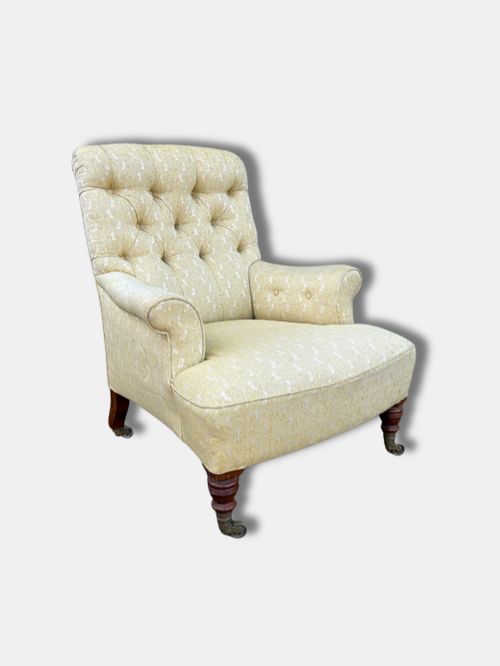
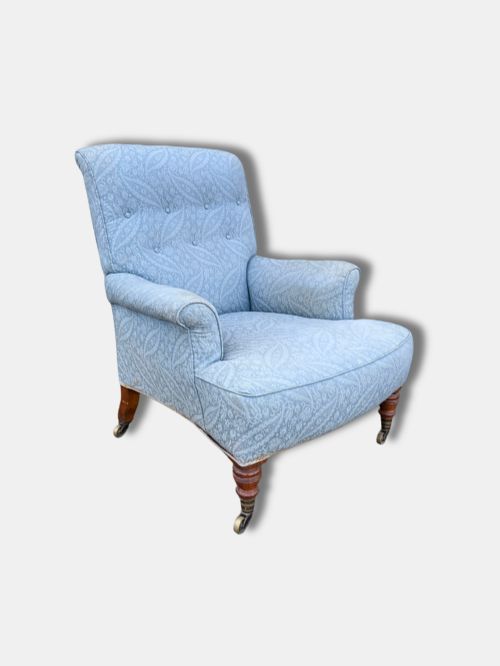
An antique armchair on castors is a seating form designed for effortless movement across nineteenth-century and early twentieth-century interiors. These pieces appear in forms such as library chairs, nursing chairs, bedroom chairs, and Bridgewater style seats.
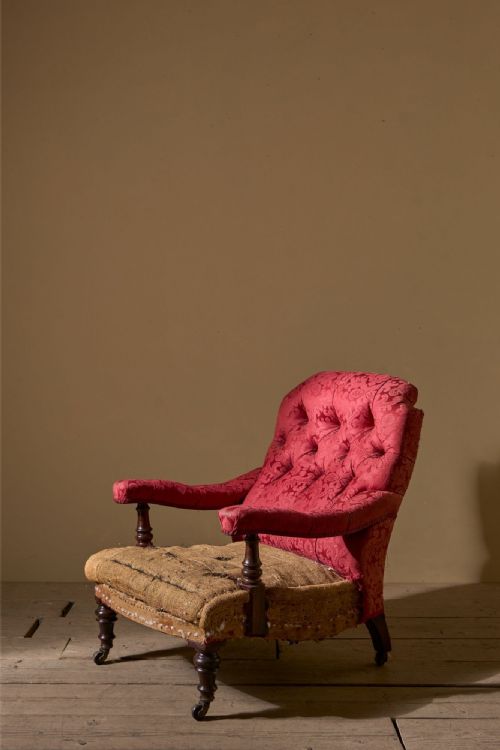
The evidence shows origins spanning the Victorian era, the nineteenth century, and nineteen thirty. Pieces range from early Victorian rosewood frames to mahogany library chairs and upholstered button back models.
Buyers encounter variations in proportion, from small salon chairs to large library armchairs. These seats provide practical seating combined with period mobility.
How they were made
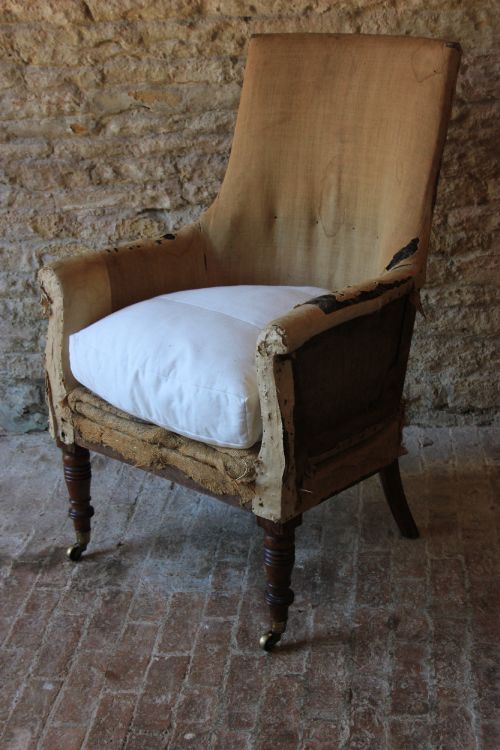
Construction relies on solid timbers including mahogany, rosewood, and general wood and timber. Frames are built to support upholstered bodies finished in fabric and velvet.
Mobility is integrated through metal components such as brass and specific hardware like Cope and Collinson castors attached to the feet.
Retail Price Guide 2026
Typical UK retail prices for armchair on castors, calculated from the Sellingantiques database of over a million retail prices indexed since 2003. This retail price guide relies exclusively on Sellingantiques data; no external sources or auction records are used, so the figures do not describe the wider market.
Castors let your favourite nineteenth-century armchair roll across the room without leaving a single scuff on the floorboards.
What varies in quality
Quality rests upon the selection of timber and the precision of the frame joinery. Dense hardwoods like rosewood and mahogany indicate superior cabinetmaking compared to standard timber frames.
The refinement of the upholstery work and the durability of the metal castors dictate the overall standard of the piece. Finer examples feature meticulous button back detailing and robust brass fittings.
Cope and Collinson
The Antique Armchair on Castors Glossary
- Castor
- A small wheel fitted to the legs of a piece of furniture to allow easy rolling across the floor. These metal fixtures often include brass components.
- Library chair
- A substantial armchair designed for reading rooms, typically constructed from mahogany or rosewood. These seats offer deep proportions for extended sitting.
- Nursing chair
- A low-seated upholstered armchair historically used by women with infants. These pieces often feature compact proportions and low backs.
- Button back
- An upholstery technique where depressions are formed in the padding by stitching through the fabric to secure buttons. This method creates a patterned, quilted surface.
- Bridgewater style
- A traditional upholstery design characterised by low rolled arms and deep cushioned seats. This form emerged around nineteen thirty.
Frequently Asked Questions
What is an antique armchair on castors?
An antique armchair on castors is a nineteenth-century or early twentieth-century seat fitted with small wheels for mobility. These pieces include library chairs, nursing chairs, and bedroom chairs.
They combine wooden frames of mahogany or rosewood with upholstered bodies in fabric and velvet. The wheels allow easy repositioning within a room.
How do I identify a Victorian armchair?
Victorian armchairs often feature dense hardwoods like mahogany and rosewood alongside upholstered button back designs. The presence of nineteenth-century construction methods helps define the period.
Look for specific stylistic cues such as early Victorian rosewood frames or low salon proportions. Metal castors on the feet are typical of this era.
What materials were used?
Frames are constructed from woods such as mahogany, rosewood, and general timber. Upholstery materials include fabric, velvet, and traditional button back padding.
Fittings incorporate metal elements, specifically brass for the castors. These durable components support the weight of the wooden frames.
How were these armchairs used?
These seats served various domestic functions, from reading in libraries to nursing infants in bedrooms. The castors enabled servants or occupants to move heavy chairs effortlessly across carpets.
Different forms suited different rooms, such as compact salon chairs for entertaining and large library chairs for studies.