

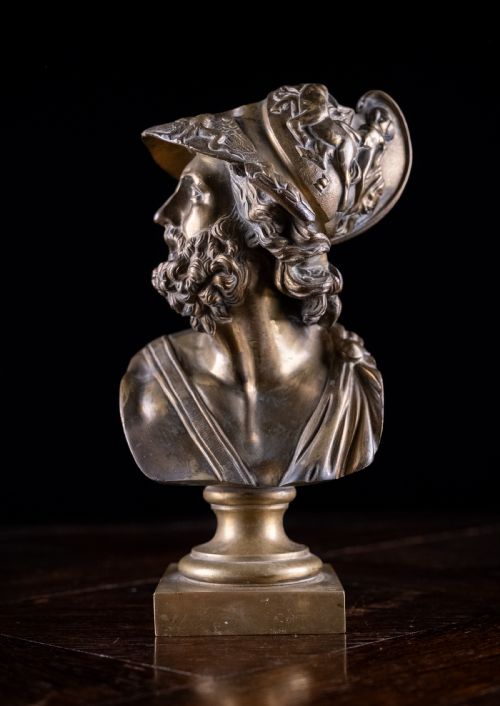

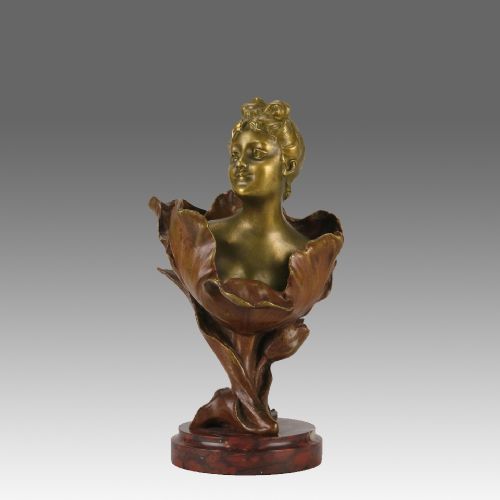
French Gilt Sculpture
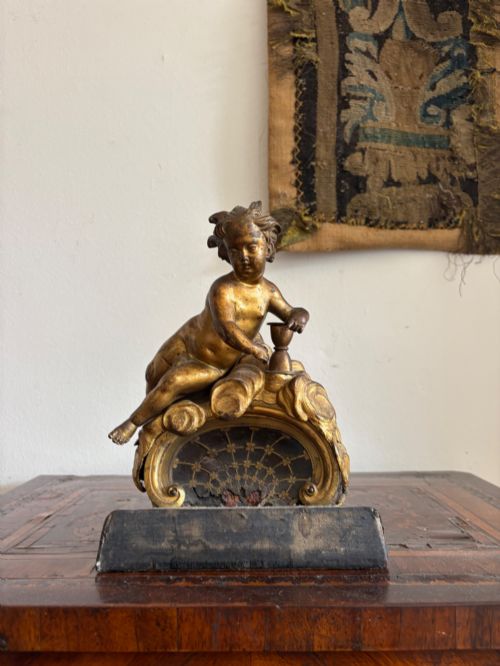
French gilt sculpture brings together cast bronze, ormolu, and carved wood finished in gold leaf, defining domestic interiors from the eighteenth century through the art deco era.
French Gilt Sculpture
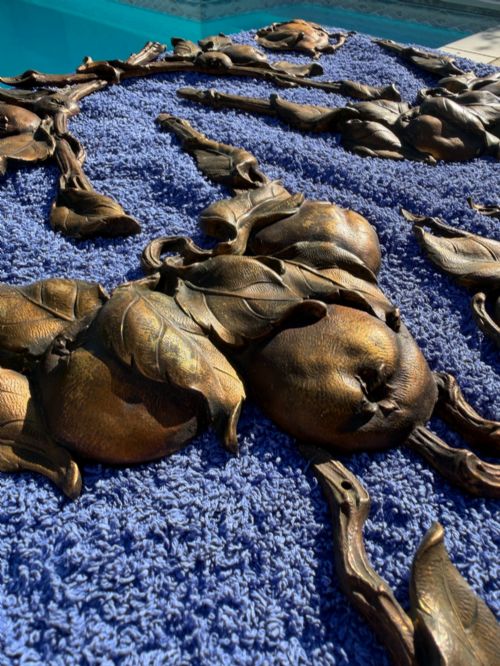
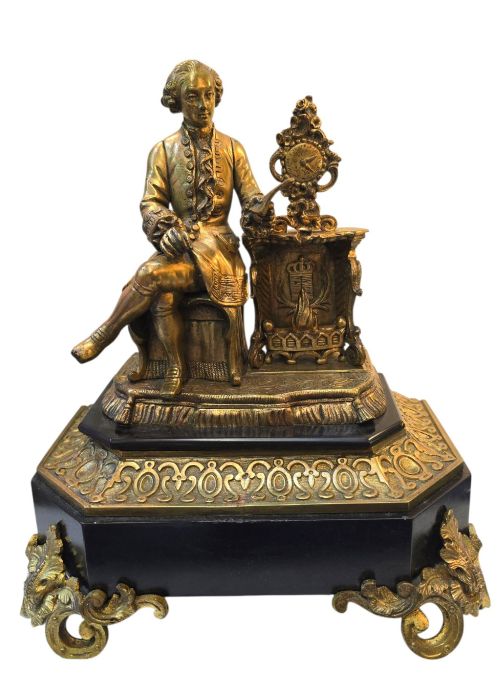
When you search for french gilt sculpture, you encounter a diverse range of decorative works spanning mantel clocks, figural groups, inkstands, and architectural furniture mounts. The nineteenth century yields the highest volume of these pieces, alongside select works originating in the eighteenth and early twentieth centuries.
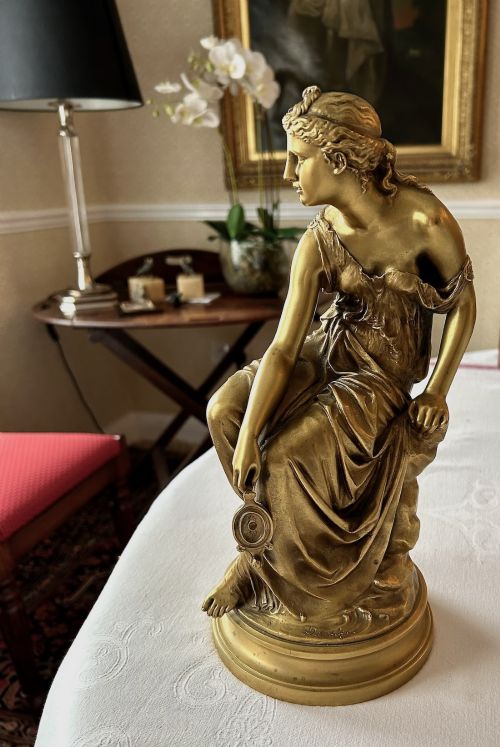
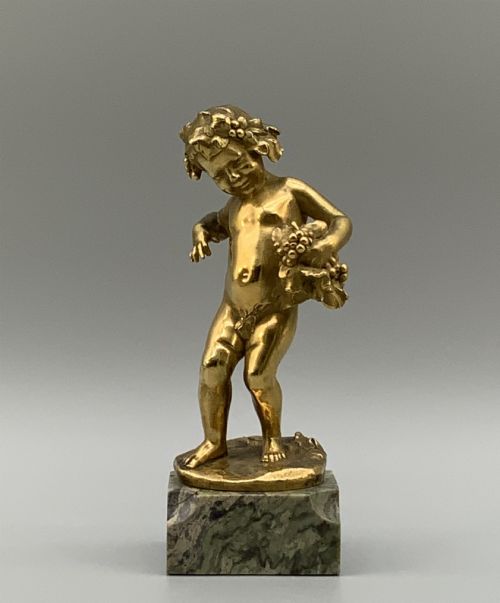
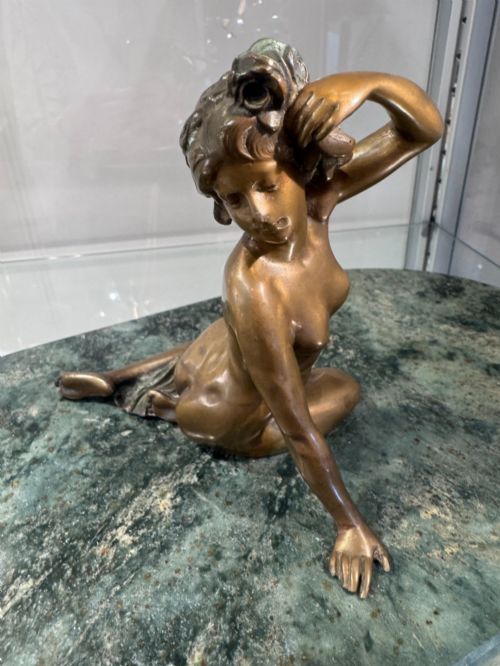
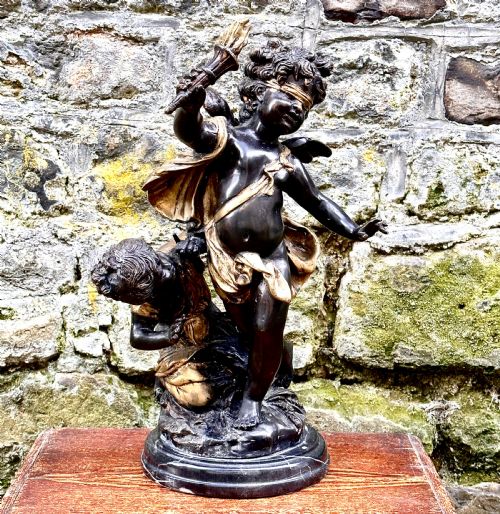
The category encompasses both standalone statuettes of classical maidens or animals and functional decorative objects incorporating gilt metal elements. Stylistic influences shift from neoclassical and french rococo to art nouveau and art deco across the periods represented.
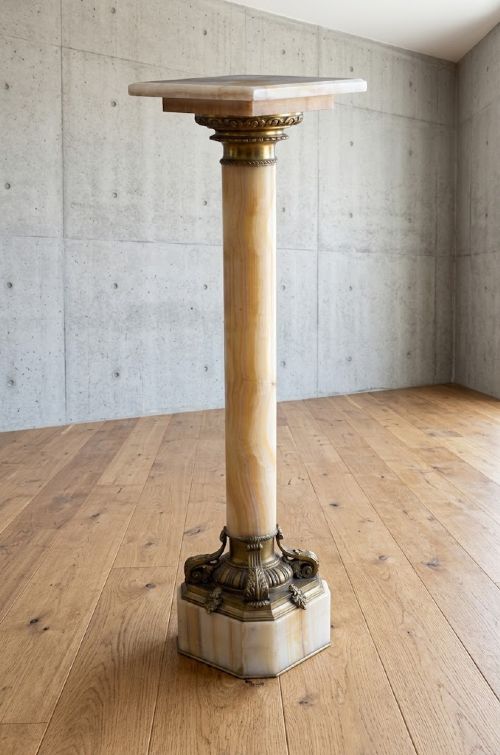
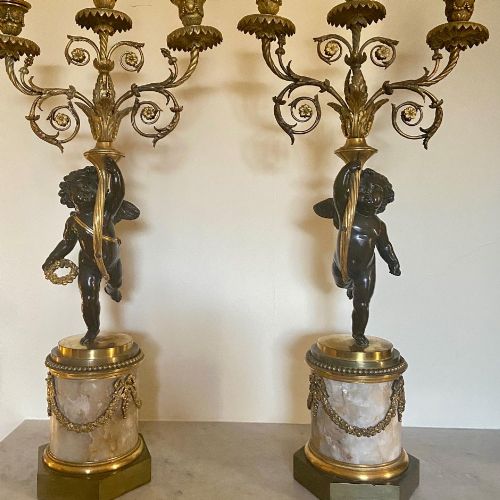
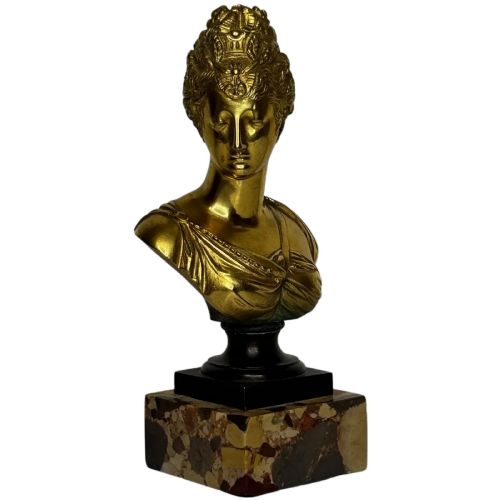
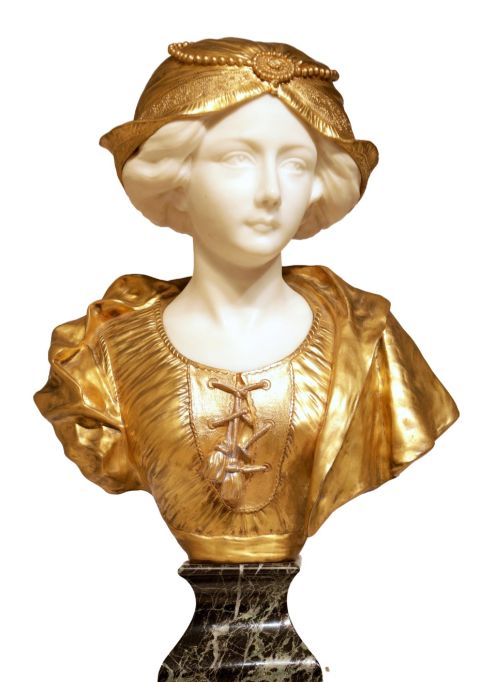
Makers and foundries frequently utilised mixed media, pairing cast bronze with marble, onyx, or porcelain components. These formations range from grand sculptural busts to small decorative ornaments and candelabra.
How they were made
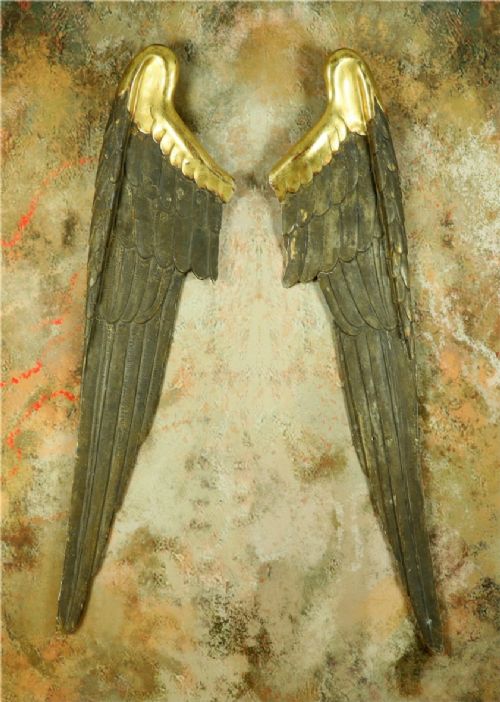
Foundries produced these works primarily through traditional metal-casting techniques using bronze, which workers then finished with a layer of gold leaf or mercury gilding to create the characteristic ormolu surface. Many pieces combine this gilded bronze with carved wood, natural stone, or multi-patinated bronze details.
Listings feature works spanning the eighteenth century through the art deco period, incorporating bronze, marble, onyx, and carved wood.
What varies in quality
The distinction between standard commercial items and exceptional foundry work lies in the crispness of the post-cast chasing and the depth of the gilding. Superior examples display sharply defined facial expressions and intricate drapery folds rather than smoothed-over cast surfaces.
Material selection significantly influences the standing of a piece, particularly the quality of the supporting marble or onyx plinths and the preservation of the original mercury-gilt or gold leaf finish.
Susse Frères·Demetre Chiparus·Antoine Louis Barye·Carrier Belleuse
The French Gilt Sculpture Glossary
- Ormolu
- Gilt bronze, specifically referring to finely chased and gilded metal mounts or figures produced in France. This technique involves applying a gold amalgam to bronze before heating.
- Patinated bronze
- Metal that has been chemically treated to produce a distinct surface colour other than raw bronze or gold. It contrasts effectively with adjacent gilt sections.
- Chryselephantine
- A term for statues made from a combination of bronze and ivory, characteristic of early twentieth-century art deco figures. Artists used the materials to contrast flesh tones with garments.
- Gesso
- A plaster-based mixture applied to wood surfaces as a preparation for gilding. It provides a smooth base for gold leaf applications.
French Gilt Sculpture: Frequently Asked Questions
How do I clean gilt bronze?
Dust gently with a soft, dry cloth to prevent accumulation in the recesses of the chasing. Avoid chemical cleaning agents and harsh polishing compounds that strip away the gold leaf or ormolu surface.
Water can seep into micro-fissures in the metal or underlying stone bases, causing corrosion. Professional conservation is recommended for pieces showing heavy tarnish or oxidation.
Are all these sculptures solid bronze?
Many figures are cast in hollow bronze using the lost-wax or sand-casting methods to reduce weight and metal usage. Ormolu components and mounts are similarly cast as shells rather than solid blocks.
Heavier elements in these arrangements typically derive from the marble, onyx, or wood bases rather than the metal sculpture itself.
How do I identify the period?
Stylistic cues such as neoclassical symmetry, rococo asymmetry, or art deco geometric lines provide the initial chronological framework. Foundry stamps, signatures, and material combinations offer further verification.
Patination styles and the specific type of gilding used also help narrow down the decade of production from the eighteenth through the twentieth century.
Where were they displayed?
These decorative objects adorned nineteenth-century salons, libraries, and mantelpieces as symbols of refinement and status. Mantel clocks and inkstands served functional roles alongside purely aesthetic sculptures.
Pedestals and columns elevated larger figures within grand interiors, creating focal points in hallways and reception rooms.