



Seated Female Sculpture
A seated female sculpture captures the human form in repose, offering a timeless study in posture and material that anchors any room.
Seated Female Sculpture
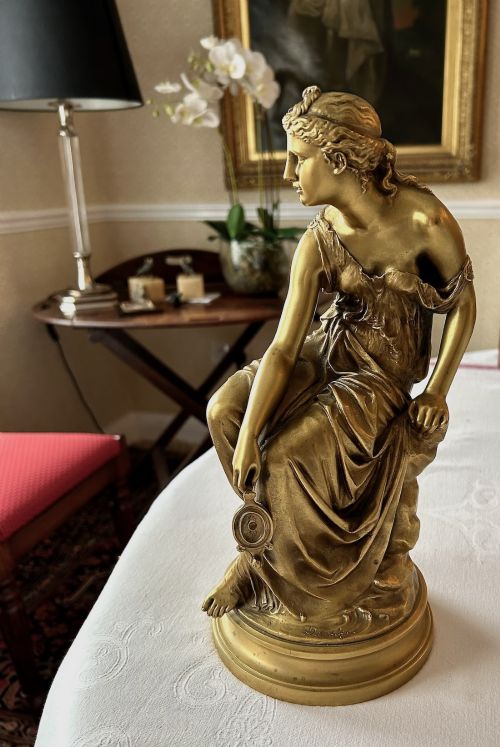
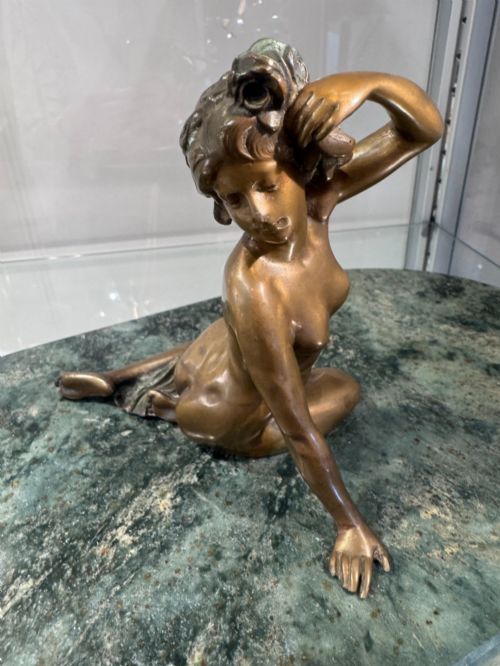
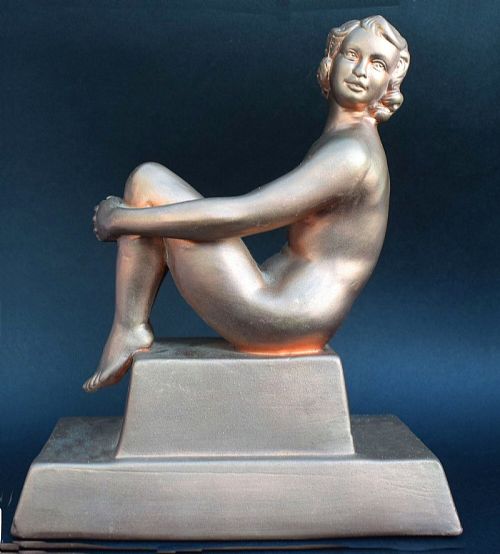
A seated female sculpture takes many forms across periods and origins, ranging from Classical maidens to Art Deco nudes and tribal figures. You are most likely to encounter 19th-century bronze castings and Victorian works on this page, alongside earthenware and porcelain figures.
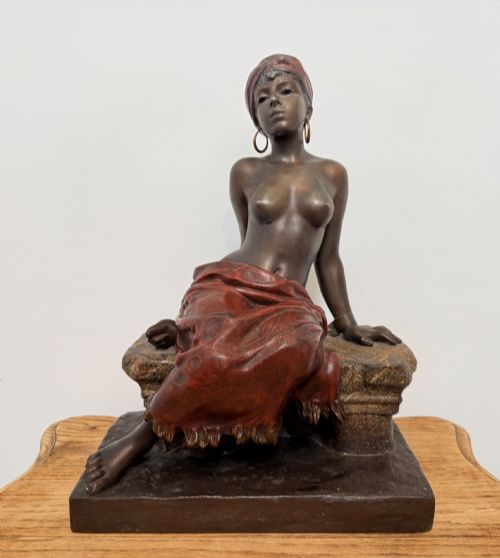
The objects span diverse stylistic traditions, including Art Nouveau, Neoclassical, Orientalist, and African tribal art. Formats vary from cabinet figurines to large statues, capturing subjects from mythological goddesses to allegorical figures.
Makers in this category utilise traditional sculptural media to portray the seated woman in varying states of dress and activity. These works reflect the aesthetic priorities of their respective eras, from Grand Tour bronzes to Pre-Columbian artefacts.
Materials and construction methods
Metal sculptures rely on bronze, gilt bronze, and patinated bronze, often cast by traditional foundries and finished with careful chasing and patination. Marble and alabaster pieces involve direct carving from stone, sometimes paired with bronze elements.
Ceramic works utilise earthenware, porcelain, biscuit porcelain, and terracotta, shaped in moulds or modelled by hand before firing and glazing or painting. Wood carvings employ hardwoods and limewood, shaped through detailed hand-carving techniques.
Mixed media construction appears in pieces that combine bronze figures with marble bases or incorporate alabaster into metal compositions. Each material dictates the level of fine detail achievable in the drapery, hair, and facial expressions.
One classical maiden sits permanently accompanied by a bronze dove, proving that even metal sculptures need feathered friends.
Distinguishing quality in the medium
Quality rests upon the precision of the casting or carving, where superior examples display crisp anatomical definition, delicate rendering of drapery, and well-executed surface textures. The finesse of the chasing in bronze works and the sharpness of detail in carved stone or wood separate masterworks from commercial production.
The choice and combination of materials influence the standing of a piece, particularly when precious metals, patinated finishes, or high-grade marbles are employed. Integrated bases, such as marble plinths combined with bronze, show careful design integration in higher-tier examples.
Signatures, foundry marks, and attribution to known sculptors elevate pieces beyond anonymous workshop production. The balance of the composition and the naturalism of the pose distinguish finer artistic conceptions from standard decorative items.
Etienne-Henri Dumaige·E Villanis·Hector Lemaire·Hans Müller·Royal Worcester·Mercié·Henri Plé·Emilio P Fiaschi·L Morelli
The Seated Female Sculpture Glossary
- Patinated bronze
- Bronze treated with chemicals to produce a specific surface colour or tone. This finish protects the metal and enhances visual depth.
- Biscuit porcelain
- Unglazed porcelain fired once to produce a matte, white surface resembling marble. It is frequently used for detailed figurines.
- Grand Tour
- 19th-century travel tradition where wealthy tourists acquired classical sculptures and bronzes in Europe. These pieces often depict mythological subjects.
- Terracotta
- Fired clay used for sculptural models and finished figures. Its warm, earthy tone reveals hand-modelling details clearly.
- Chasing
- The metalwork process of refining a bronze casting by hand using chisels and punches. This step sharpens surface details left by the foundry.
Seated Female Sculpture: Frequently Asked Questions
What periods do these sculptures cover?
The pieces span from ancient Pre-Columbian artefacts up through 19th-century Victorian works and early 20th-century Art Deco creations. Materials and styles shift significantly across these eras.
Twentieth-century examples often lean towards Art Deco and tribal carvings, while 19th-century pieces favour classical, Neoclassical, and Orientalist themes in bronze and marble.
How were these figures displayed originally?
Many smaller bronzes and ceramic figurines served as desk ornaments, mantelpiece decorations, or cabinet display pieces in nineteenth-century interiors. Grand Tour bronzes were collected as souvenirs of European travel.
Larger statues and marble carvings occupied prominent positions in drawing rooms and halls, sometimes mounted on dedicated stone or wood pedestals.
What is the difference between marble and alabaster?
Marble is a hard, crystalline metamorphic rock capable of taking a high polish and showing varied veining patterns. It resists scratching more readily than softer stones.
Alabaster is a softer, denser mineral that allows light to pass through its surface to a greater degree, lending a translucent quality to carved figures.