


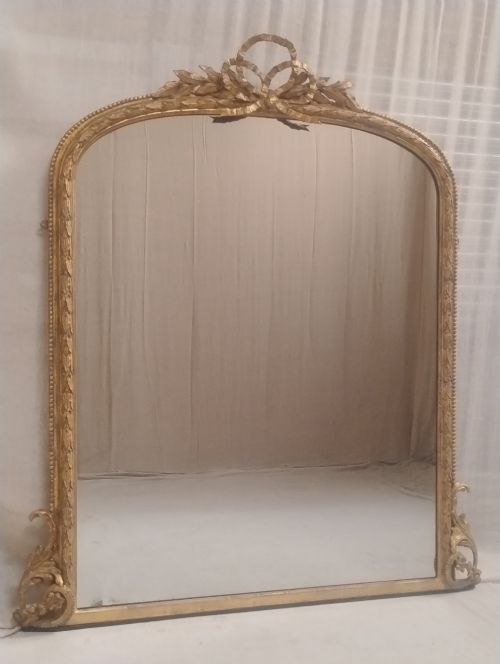
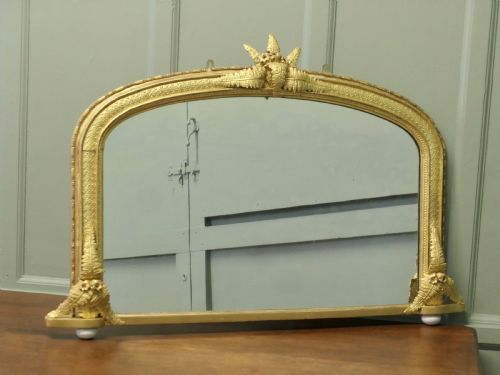
French Gilt Mantel Mirror
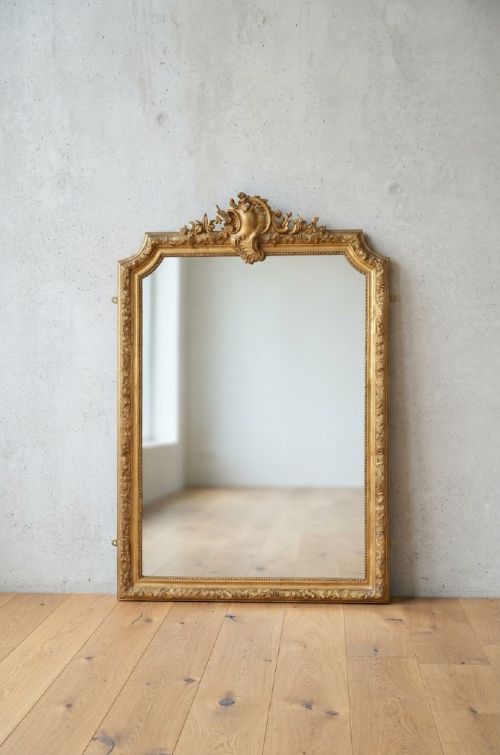
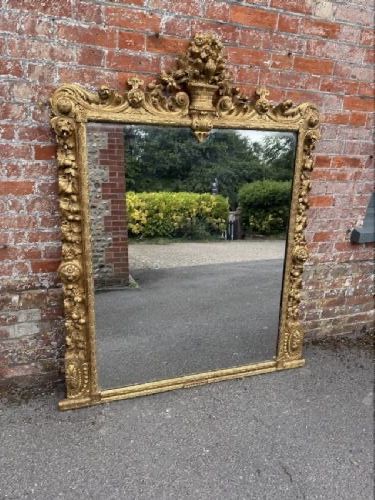
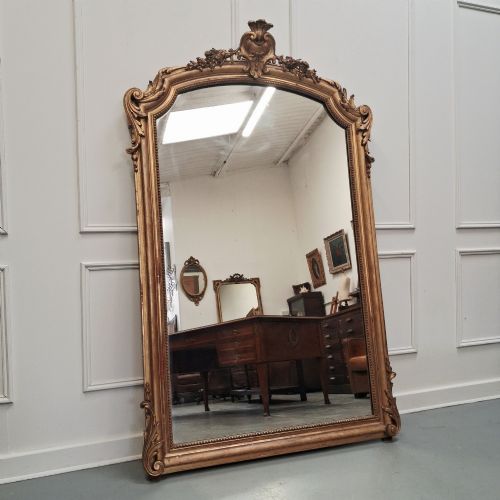
When sourcing a french gilt mantel mirror, you are looking for an expansive nineteenth-century glass plate designed to command a chimney breast with reflective light and ornate presence.
French Gilt Mantel Mirror
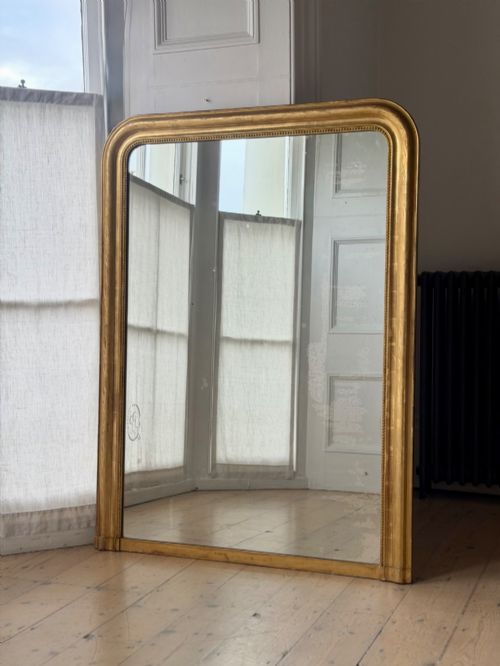
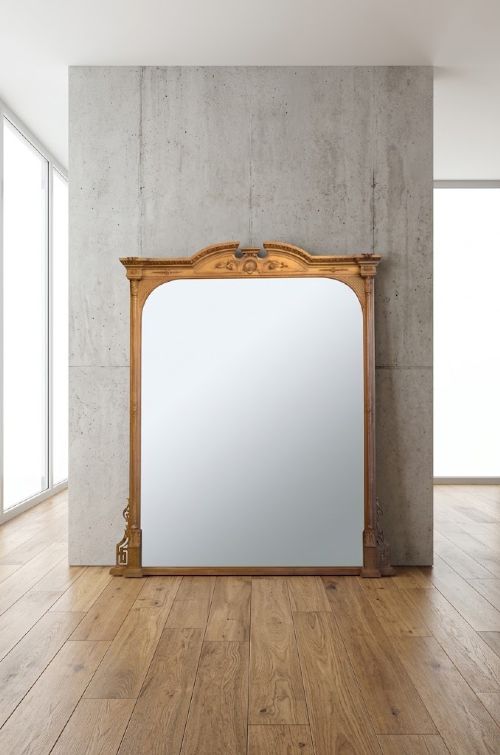
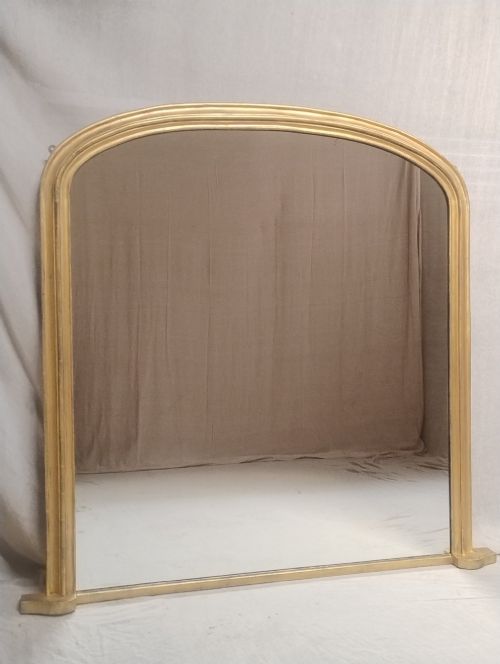
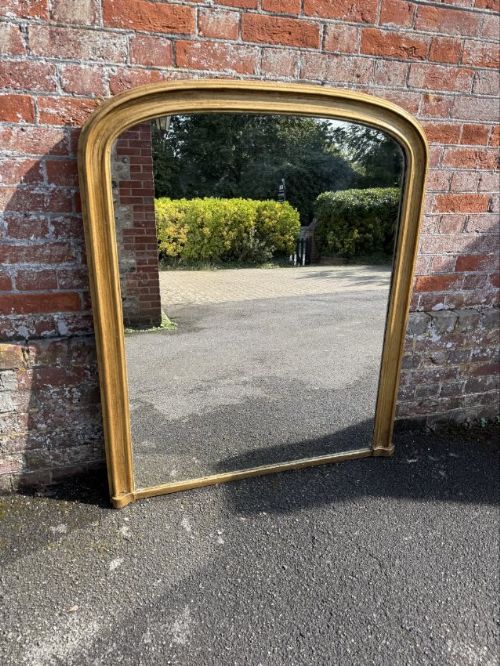
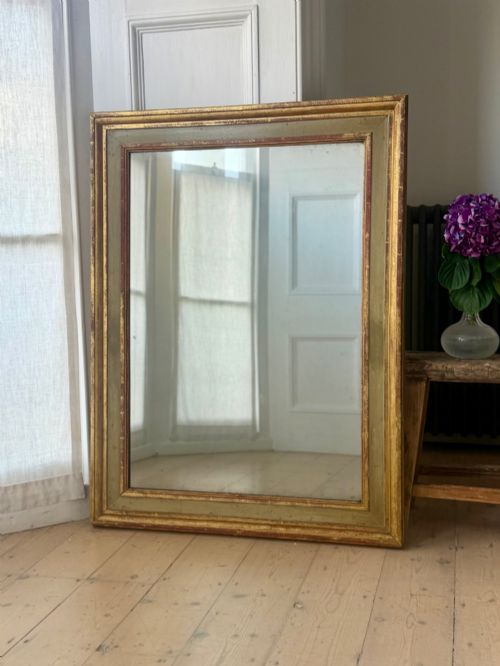
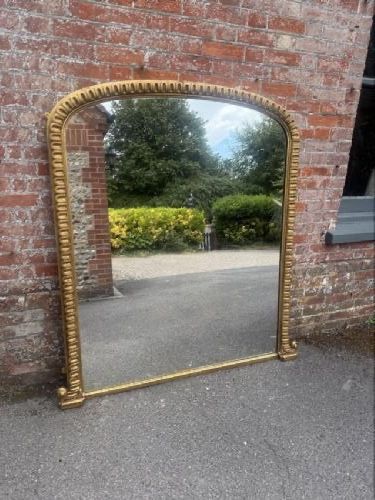
Most pieces survive as large format rectangular or arched top formats, often built from carved wood and gesso frames covered in gold leaf or composition. Regional variations include French chateau and Neoclassical designs alongside English interpretations of the same grand domestic scale.
How they were made
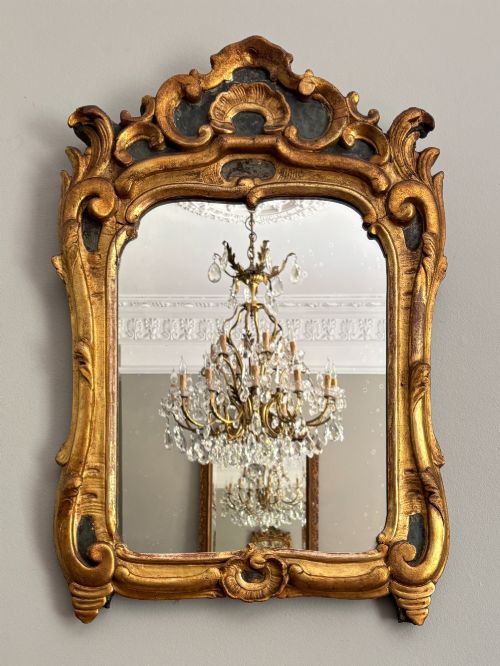
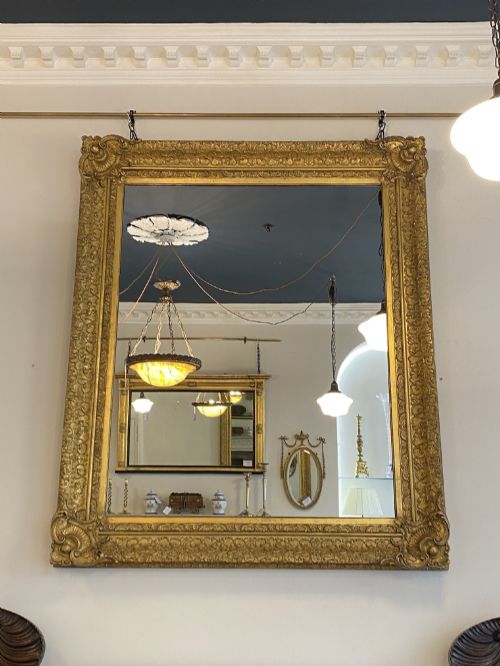
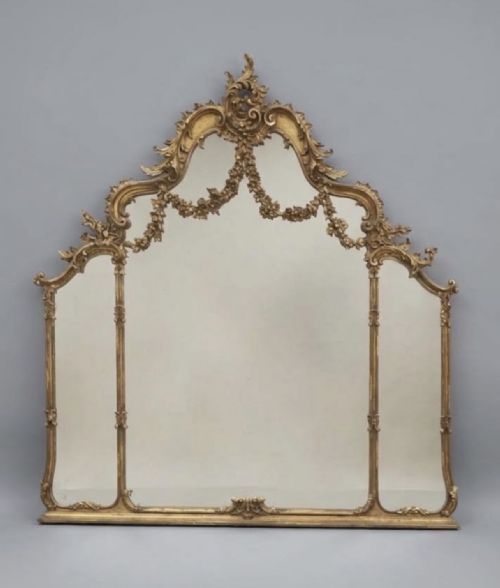
Makers built the structural frames using carved wood or shaped timber foundations, subsequently applying layers of gesso or composition paste to build up intricate ornamental relief work. This soft plaster-like ground allowed artisans to impress or carve elaborate scrolls, floral motifs, and architectural mouldings before gilding.
Surfaces received finishes of gold leaf, silver gilt, or paint, with many older plates utilising mercury glass that yields a distinct mottled, deep reflection. Frames frequently incorporate structural joinery suited to heavy wall hanging or resting as leaner mirrors against the plaster.
Listings span the nineteenth century through the nineteen-forties, dominated by Victorian, Rococo Revival, and Louis Philippe stylistic influences.
What varies in quality
The distinction between ordinary and exceptional frames lies in the crispness of the hand-carved wooden enrichment versus moulded composition ornament that degrades over decades. Deeply undercut foliage and well-preserved original gilding indicate superior workshop execution from the period.
The integrity of the mirror plate itself dictates value, where original mercury glass showing foxing and age oxidation contrasts sharply with later replaced silvered glass. Structural rigidity in the original wood backing and frame joints also separates sturdy survivals from fragile pieces.
The French Gilt Mantel Mirror Glossary
- Overmantel mirror
- A large wall mirror specifically proportioned to hang on the wall above a mantelpiece or fireplace. These pieces often feature horizontal or arched formats designed to mirror the opening below.
- Gesso
- A plaster-like mixture applied to wooden frame foundations to create a smooth surface for gilding or deep relief moulding. Artisans carved intricate decorative details directly into this hardened layer.
- Mercury glass
- An early form of double-walled blown glass silvered with a mercury amalgam between the layers, producing a characteristic dark, mottled reflection. It is frequently found on pieces dating to the early nineteenth century.
- Giltwood
- Timber that has been coated with a thin layer of gold leaf over a prepared ground. It provides the warm, reflective metallic sheen characteristic of formal period frames.
- Louis Philippe
- A mid-nineteenth-century French style characterised by understated elegance, simple rectangular frames with rounded upper corners, and restrained classical ornament. These frames offer a cleaner profile than heavy Rococo Revival designs.
French Gilt Mantel Mirror: Frequently Asked Questions
How do I hang a heavy overmantel mirror?
These large frames require secure fastening directly into masonry or robust wall studs using heavy-duty brackets suited to the substantial combined weight of wood, gesso, and thick glass.
Many examples were originally designed simply to rest on the mantel shelf as leaner mirrors, though modern placement typically requires professional wall-mounting hardware.
What is the difference between Louis Philippe and Rococo mirrors?
Louis Philippe frames present cleaner, architectural lines with softly rounded top corners and minimal ornament, suiting transitional interior spaces.
Rococo Revival pieces display exuberant, asymmetrical scrolling foliage, heavy crestings, and elaborate organic motifs inspired by eighteenth-century French design.
Should I replace foxed mirror glass?
Original mirror plates displaying foxing, dark spots, and age oxidation are generally prized by collectors as authentic evidence of nineteenth-century manufacture.
Replacing the glass removes the historic character and distorted reflection that defines the antique visual appeal of these pieces.
How do I clean an antique gilt frame?
Dusting should be performed very gently with a dry, soft brush to avoid disturbing fragile gesso or flaking gold leaf.
Liquid cleaners and chemical solvents must be avoided entirely, as moisture quickly damages historic water-gilt and composition surfaces.