




French Gilded Looking Glass
A french gilded looking glass brings light and classical elegance to a room, catching the eye through ornate carved frames and aged glass.
French Gilded Looking Glass
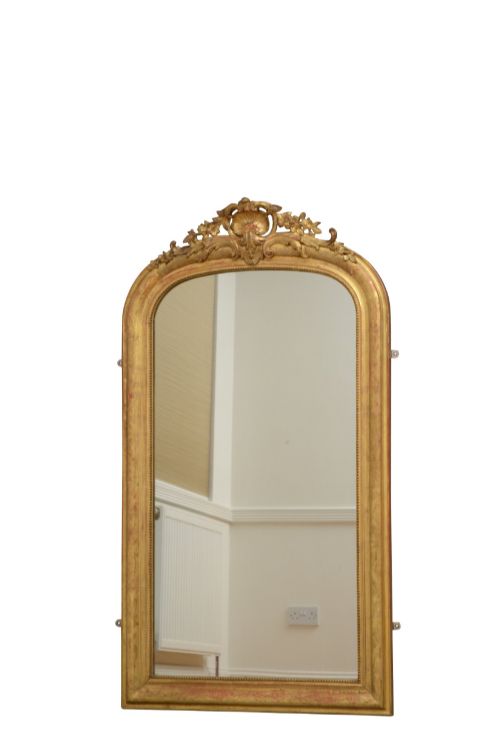
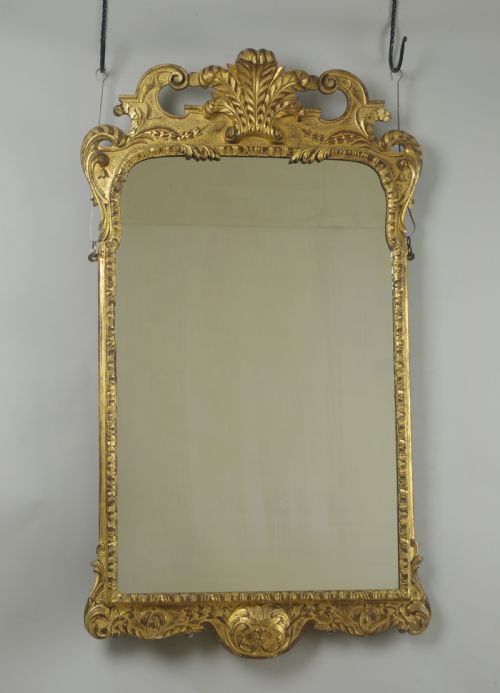
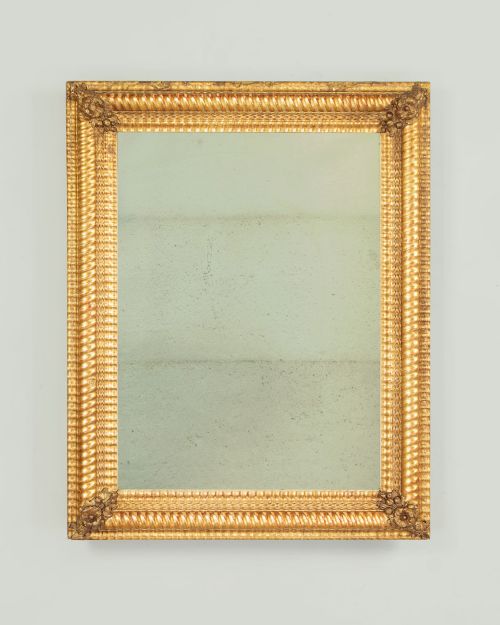
A french gilded looking glass is a wall-hanging mirror defined by its metallic finish and decorative wooden frame. These pieces range from small domestic mirrors to large overmantle designs intended to command a room.
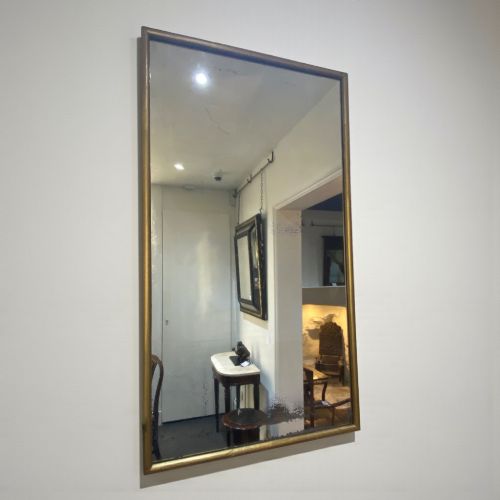
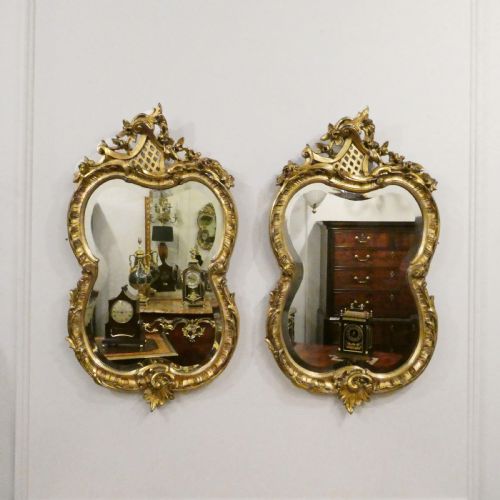
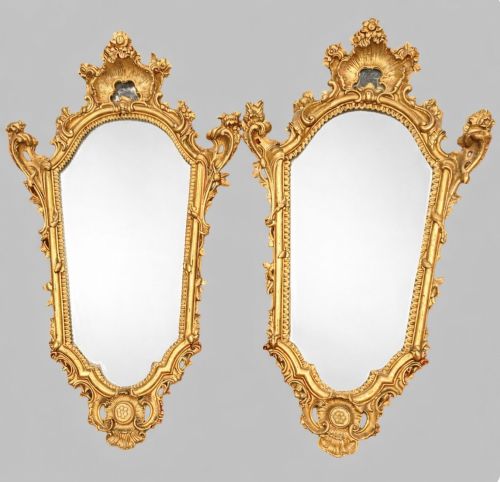
The selection here draws primarily upon nineteenth-century pieces, alongside eighteenth-century examples and early twentieth-century revivals. Buyers encounter varied formats including oval wall mirrors, rectangular pier mirrors, and dramatic rococo shapes.
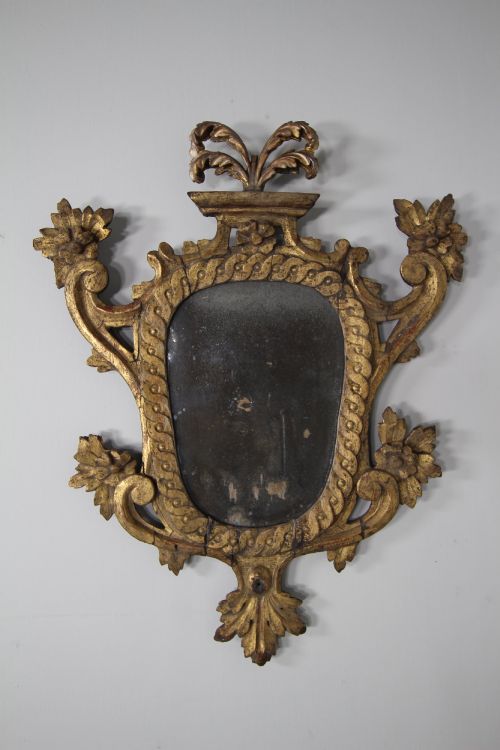
Stylistic influences span rococo revival, louis xvi manner, and baroque interpretations. These forms bring ornate scrollwork, ribbon motifs, and symmetrical flourishes into interior spaces.
Distinguishing quality in frames and glass
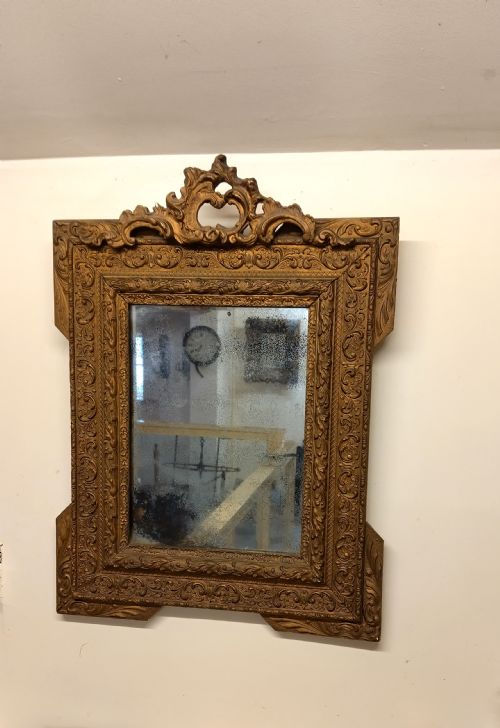
Quality rests in the depth and sharpness of the carved wood and gesso ornamentation. Hand-carved elements display crisp botanical and scroll motifs, whereas mass-produced or later copies show softer, shallower relief.
The preservation of the original gilt surface and the character of the mirror plate dictate desirability. Original mercury or aged silvered glass exhibits natural foxing and oxidation that modern replacements lack.
Several mirrors include charming ribbons and bows carved right into the wooden frame, proving that even eighteenth-century decorators loved a neat little bow.
The French Gilded Looking Glass Glossary
- Gesso
- A plaster-based material applied to wooden frames as a smooth base for gilding. It allowed carvers to build up intricate relief details before applying gold leaf.
- Giltwood
- Timber that has been coated in gold leaf or metallic paint. This technique protected the underlying wood while providing a brilliant reflective surface.
- Overmantle
- A large mirror designed to hang specifically above a fireplace mantelpiece. These grand pieces visually expand the room and reflect hearth light.
- Rococo
- An ornate decorative style characterised by asymmetrical curves, C-scrolls, and naturalistic plant motifs. It heavily influenced French mirror frames during the eighteenth and nineteenth centuries.
- Pier glass
- A tall, narrow mirror designed to hang on the wall space between two windows. They were frequently paired with console tables in period interiors.
French Gilded Looking Glass: Frequently Asked Questions
Can I clean the original mirror glass?
Cleaning antique glass requires a gentle approach to avoid damaging the silvered backing or delicate frame edges. Use a soft, dry microfibre cloth to remove dust without applying heavy pressure.
Avoid spraying liquid cleaners directly onto the glass surface, as moisture can seep behind the plate and accelerate foxing. Dampen the cloth slightly if stubborn marks require attention.
What is foxing on antique mirrors?
Foxing refers to the small dark spots, blemishes, and cloudiness that develop on antique mirror glass over time. This chemical reaction occurs as air interacts with the silver backing behind the glass.
Many collectors value foxing as proof of age and authenticity rather than a defect. It creates a soft, mottled reflection characteristic of genuine period pieces.
How do I date a french gilded looking glass?
Dating relies on examining the construction style, wood type, and the method of gilding used on the frame. Eighteenth-century pieces typically show heavier hand-carved woodwork, while nineteenth-century revivals incorporate moulded gesso and distinct stylistic revivals.
Inspecting the backboards, fixings, and the composition of the glass plate provides further clues. Original hand-bevelled edges and old pine or walnut backing boards help confirm the era of manufacture.