

French Giltwood Frame
When you handle a french giltwood frame, you touch centuries of carved timber and gold leaf designed to catch the light.
French Giltwood Frame
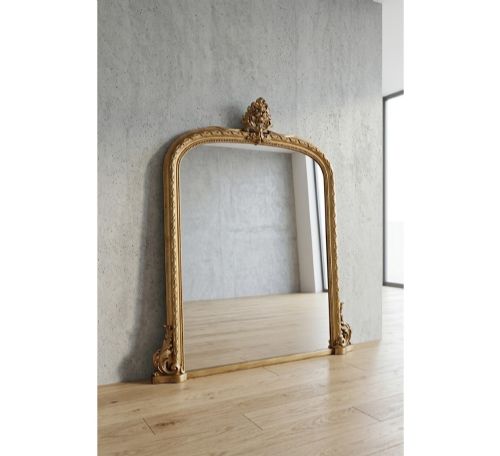
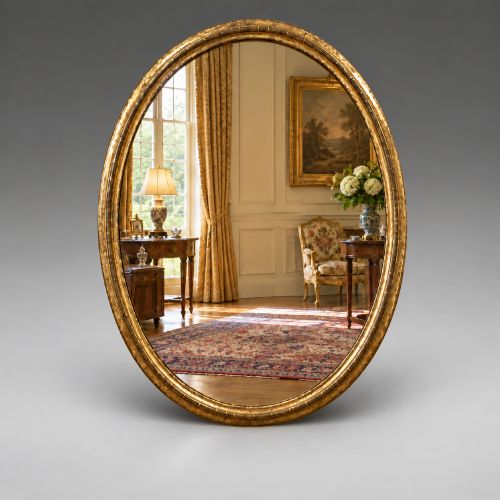
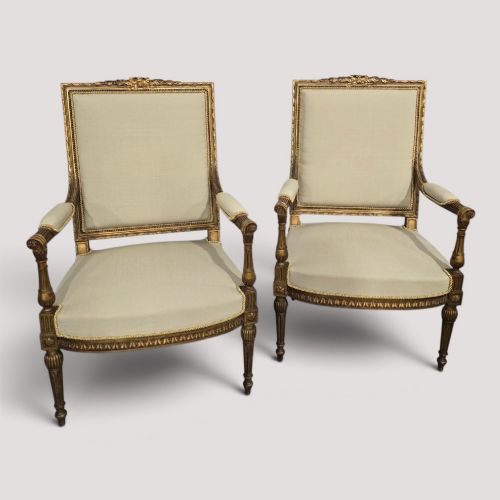
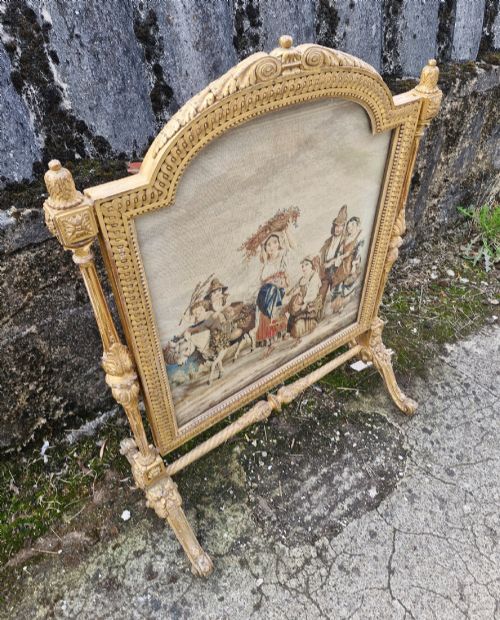
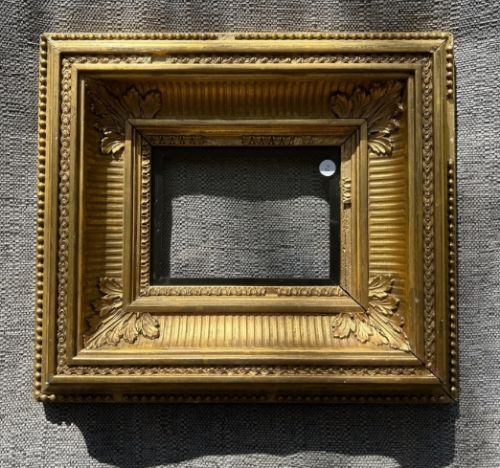
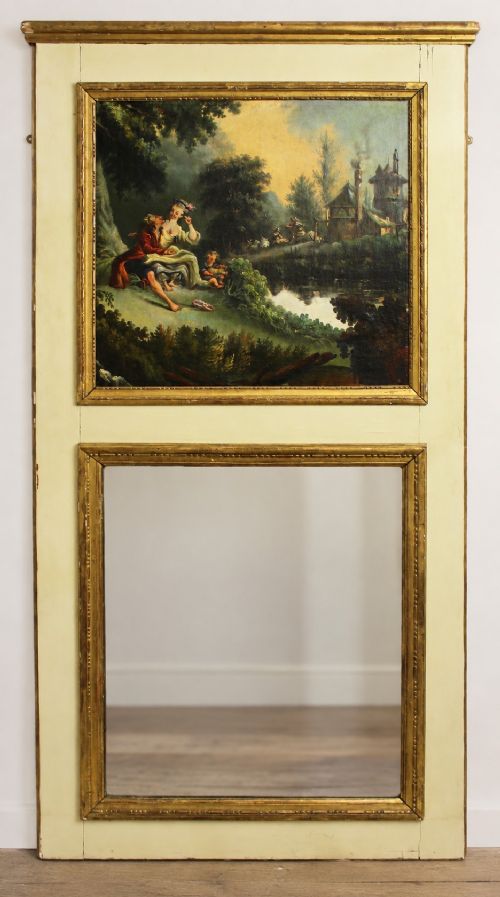
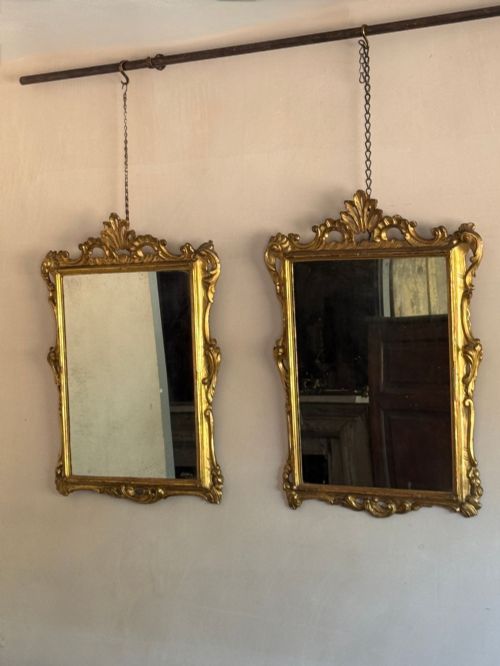
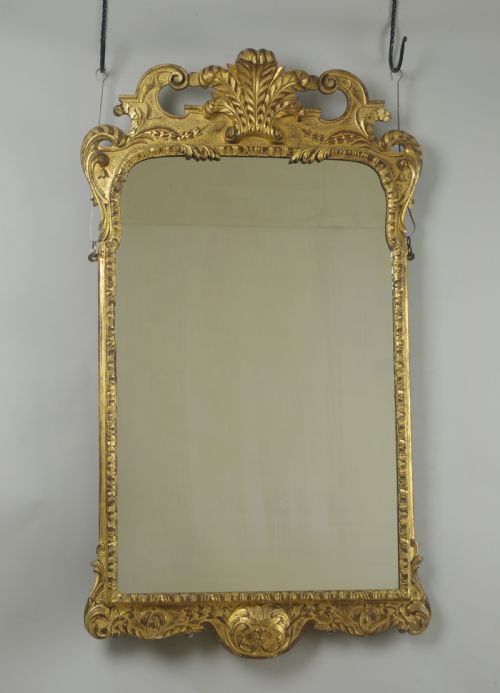
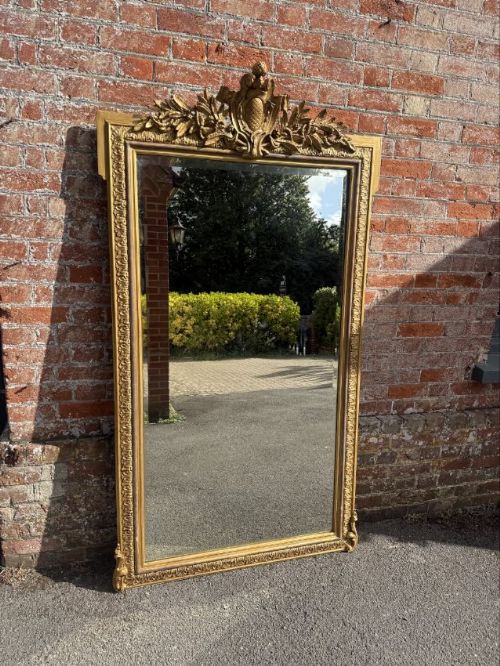
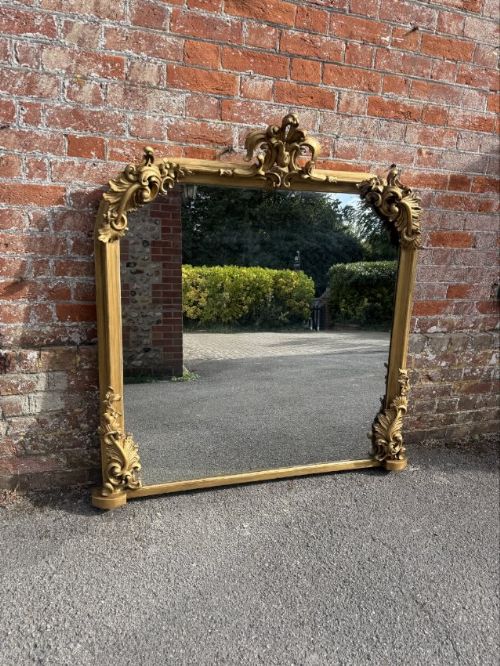
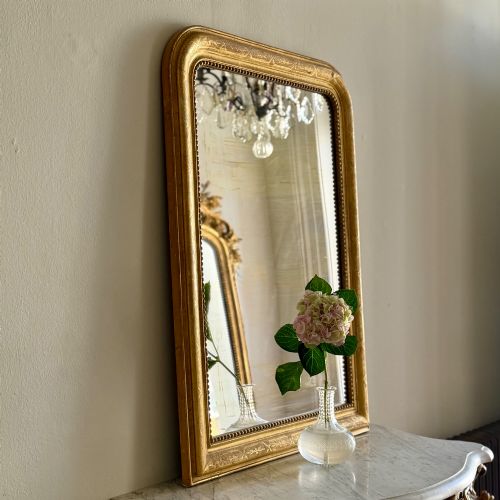
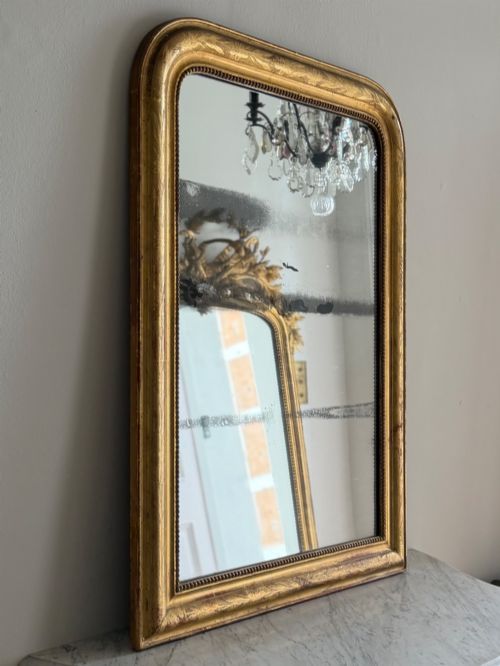
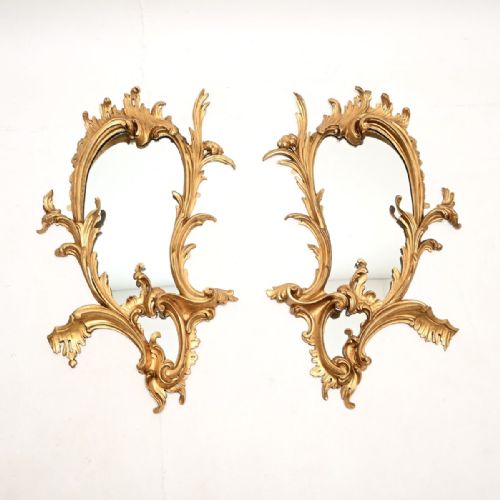
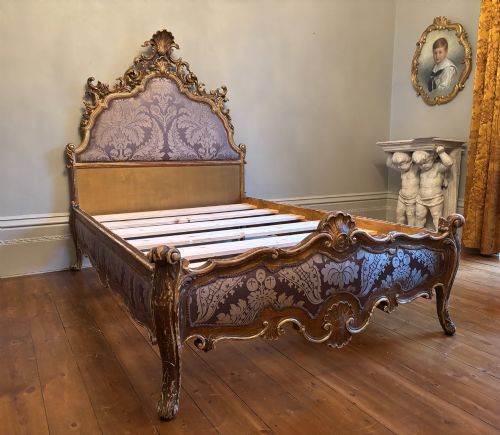
A french giltwood frame encompasses elaborate timber surrounds built primarily to house wall mirrors, overmantel mirrors, pier glasses, and occasionally oil paintings or upholstered seating like settees and armchairs. The pieces span periods from the 18th century through the Victorian era and into the early 20th century, drawing on styles such as Rococo, Louis XVI, and French Chateau.
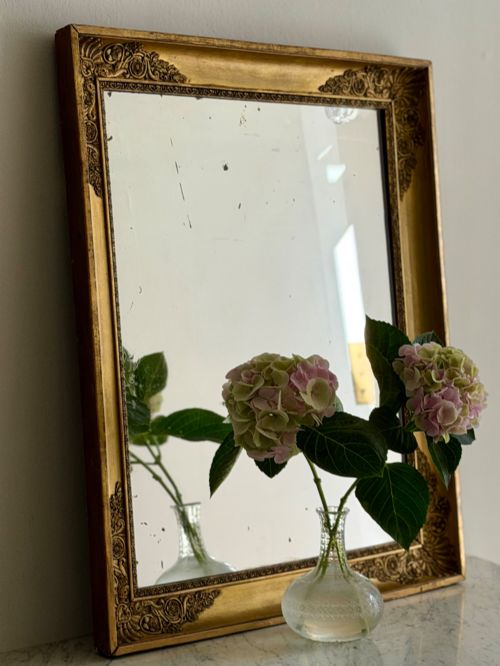
Most examples met on this page take the form of large wall mirrors or overmantel mirrors designed to anchor a room. They emerge from French and English workshops, utilising traditional timber carcasses dressed in ornate plaster or gesso decoration.
How they were made
The foundation rests on a carved wood carcass, often pine, oak, or timber, shaped with deep relief motifs including floral, mythological, and rope twist designs. Artisans then applied layers of gesso to the carved surface to build up crisp details before laying down gold leaf or gold paint.
Mirrors within these frames frequently consist of heavy glass or mercury glass, sometimes exhibiting natural foxing from age. Frames finished with silver-gilt or painted elements demonstrate the varied surface treatments employed by period craftsmen.
Listings feature 18th century and 19th century pieces alongside Victorian and Edwardian examples utilising mercury glass, gesso, and gold leaf.
What varies in quality
The distinction between ordinary and exceptional frames lies in the depth and sharpness of the hand-carved detail within the gesso and wood. Crisp foliage, distinct mythological figures, and well-preserved gilt surfaces separate superior craftsmanship from mass-produced or heavily restored alternatives.
Proportion and scale also dictate quality, where large overmantel mirrors maintain structural integrity without sagging or distortion in the heavy timber frame. Original mercury glass plates with authentic foxing contribute further desirability compared to modern replacement mirror glass.
The French Giltwood Frame Glossary
- Giltwood
- Timber coated with gold leaf or gold paint. This finish creates a warm reflective surface characteristic of formal period decoration.
- Gesso
- A plaster mixture applied to wood frames and carved into intricate details before gilding. It provides the smooth base required for crisp ornamentation.
- Mercury glass
- A double-walled glass blown type lined with a silvering mixture. It produces a mottled, reflective appearance common in older mirrors.
- Overmantel mirror
- A large mirror specifically proportioned to hang above a fireplace mantel. These pieces often dominate a principal reception room.
- Pier glass
- A tall, narrow mirror designed to hang on the wall space between windows. They maximise light in period interiors.
French Giltwood Frame: Frequently Asked Questions
How do I clean a giltwood frame?
Dust the carved surfaces gently with a dry, soft-bristled brush to remove accumulated particles without disturbing the delicate gold leaf layer.
Avoid using water, chemical sprays, or abrasive cloths, as moisture and harsh agents strip the historic gilt finish from the gesso.
What is mercury glass?
Mercury glass refers to double-walled blown glass objects silvered on the interior with a liquid mixture, creating a reflective surface.
Over time, chemical reactions cause the characteristic dark spots known as foxing, which collectors value as a sign of authenticity.
Where should I hang an overmantel mirror?
These large mirrors traditionally sit centered directly above a drawing room or dining room fireplace mantelpiece to reflect light.
Ensure the wall fixings securely anchor into structural studs because heavy timber and gesso frames carry substantial weight.
How do I identify a Louis XVI style frame?
Louis XVI frames typically display neoclassical restraint, featuring straight lines, symmetrical geometric motifs, beading, and classical architectural elements.
Unlike flowing Rococo designs, these pieces lean towards urns, ribbons, and crisp leaf carvings reflecting late eighteenth-century French taste.