



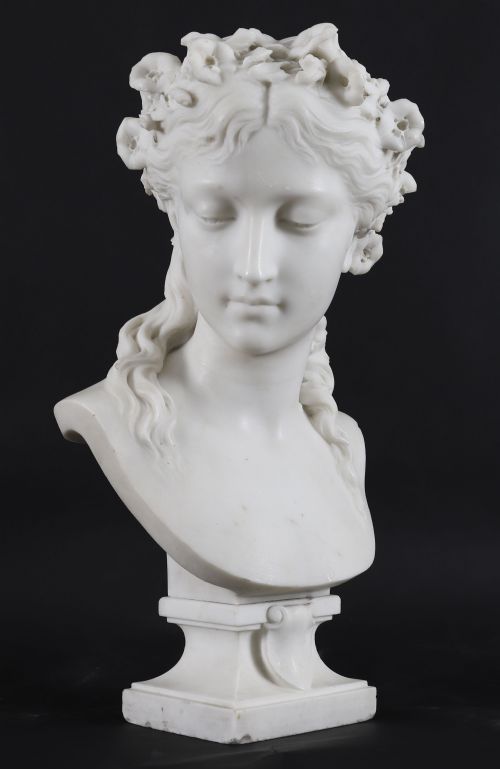
French Female Figure
When you search for a french female figure, you encounter centuries of bronze, marble, and painted depictions of women.
French Female Figure
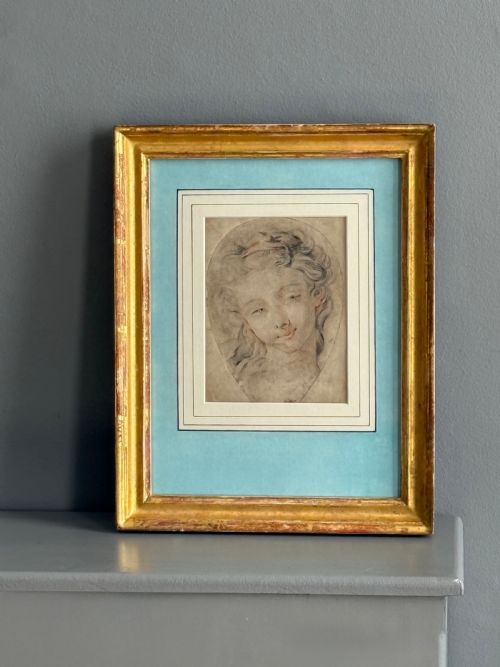
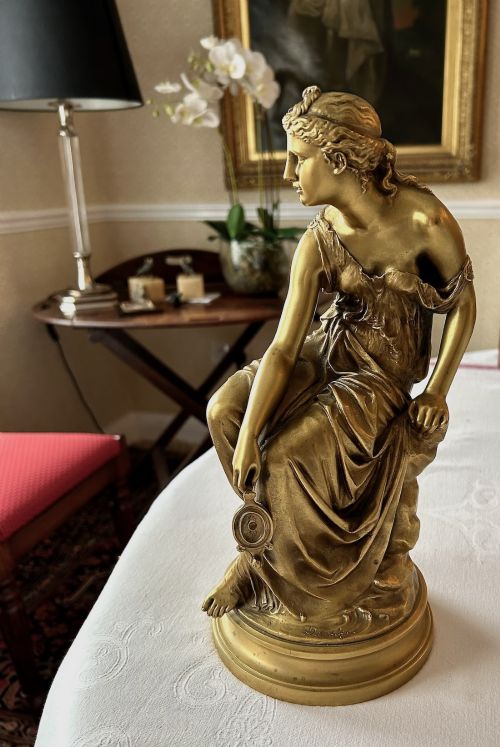
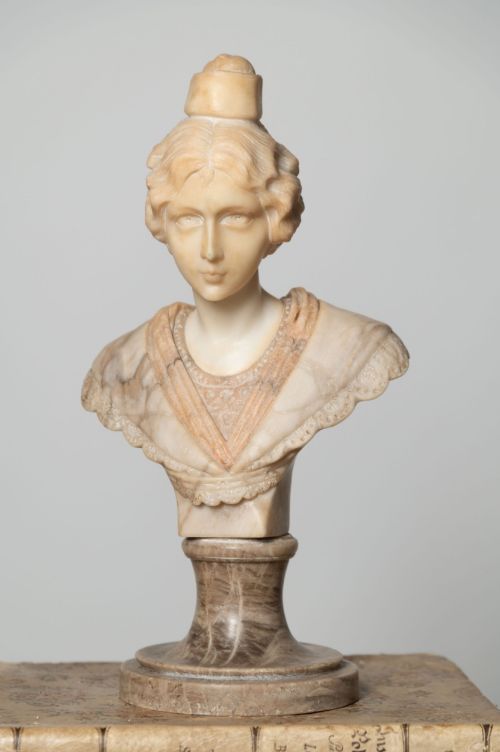
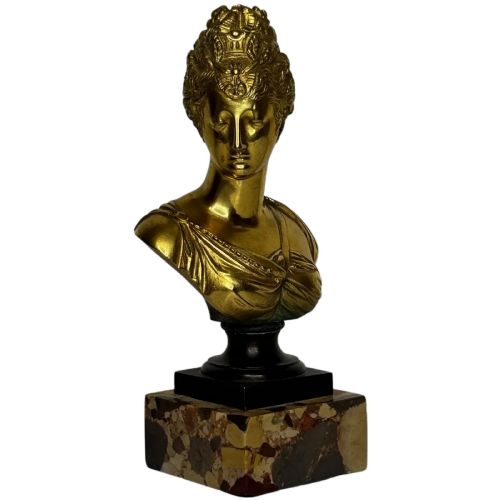
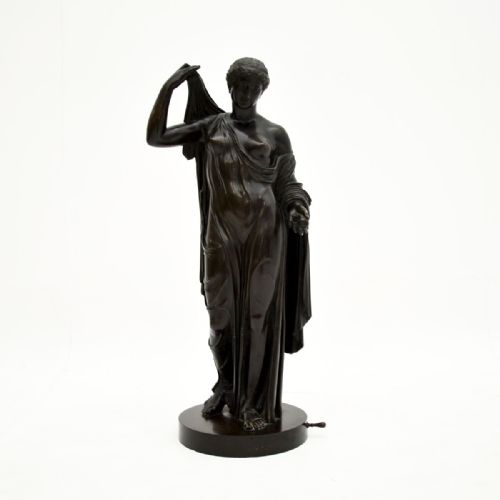
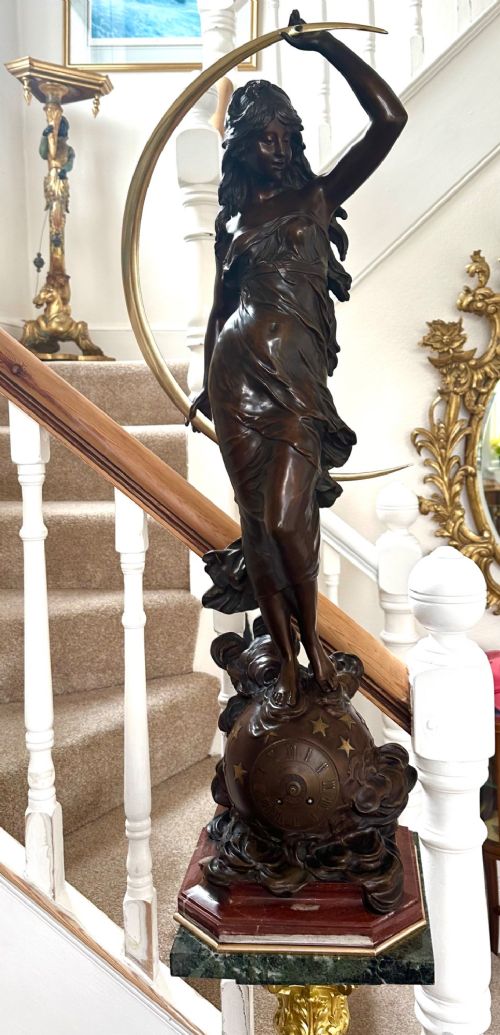
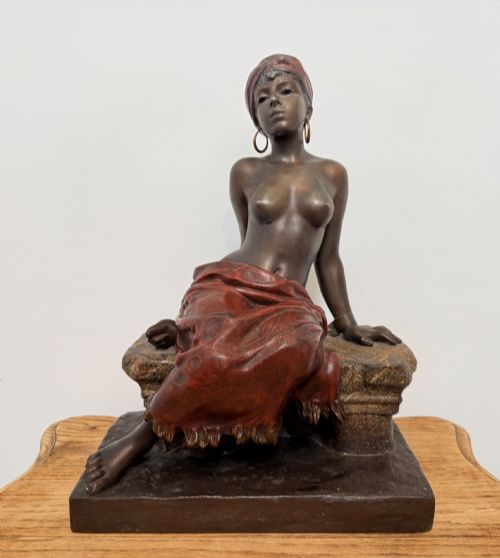
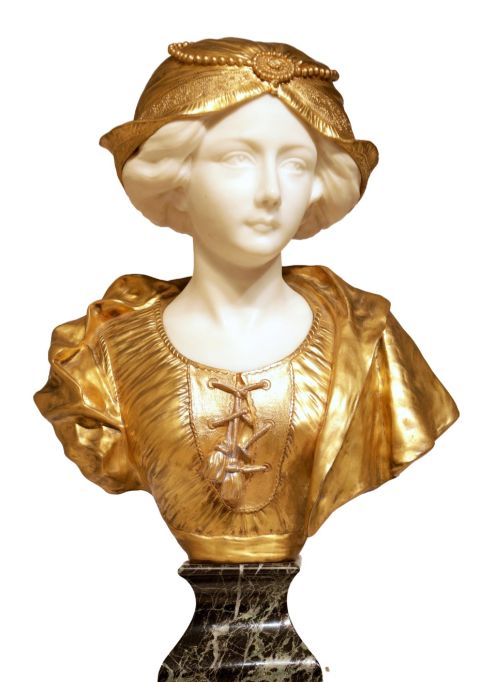
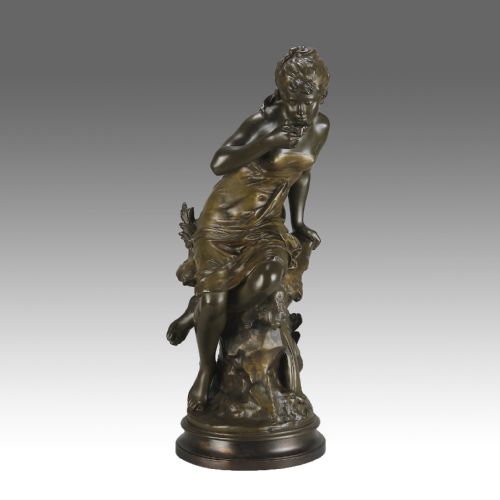
A french female figure spans standalone sculptures, busts, drawings, and oil paintings created across multiple centuries. These works range from classical depictions of mythological subjects and robed ladies to elegant dancers and naturalistic portraits.
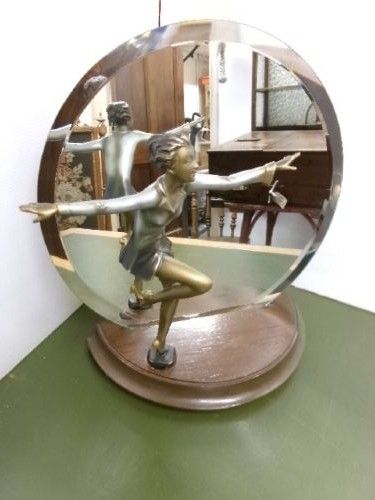
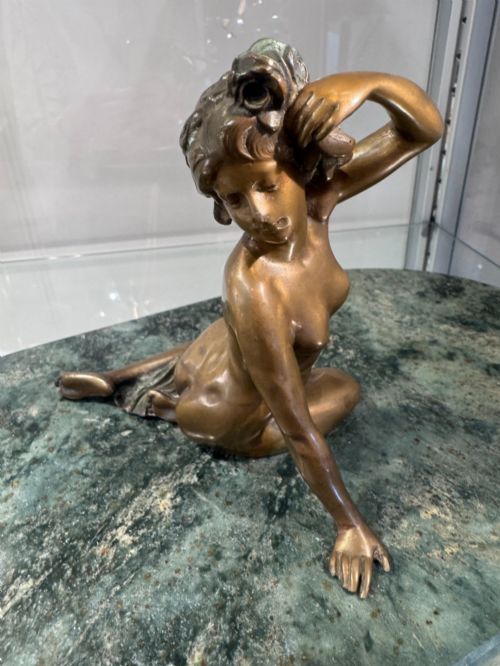
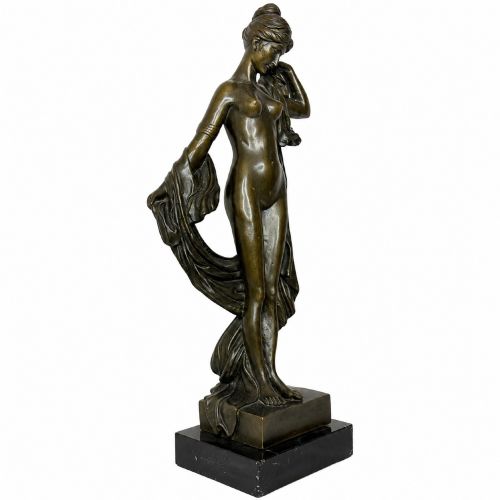
The most common versions met on this page are nineteenth-century bronze sculptures and early twentieth-century Art Deco dancer figures. These pieces capture women in moments of movement, repose, or dramatic expression, often mounted on marble bases.
Makers and foundries frequently produced these figures in varied scales, from cabinet bronzes to large salon statues. They reflect shifting aesthetic ideals from Neoclassical and Rococo revivals through to Art Nouveau stylisation.
Materials and casting methods
Foundries utilised traditional lost-wax casting and sand-casting methods to shape bronze into intricate forms, applying patinas ranging from deep brown to gilt finishes. Marble and alabaster were hand-carved to create smooth surfaces for busts and classical statues.
Mixed media approaches appear in works combining metal with carved ivory substitutes or stone, alongside cold-painted highlights on spelter and bronze. Drawings and oil paintings on canvas or board employ traditional fine art pigments and hand-coloured etching techniques.
Listings feature works spanning the eighteenth century through to the Art Deco era, utilising bronze, marble, alabaster, and oil paint.
Markers of execution
The integration of mixed materials, such as a carved marble base fitted seamlessly to a bronze subject, indicates higher craftsmanship. Artisans who achieved subtle tonal variations in patination and hand-applied cold painting produced works with greater visual depth.
Etienne-Henri Dumaige·Ferdinand Barbedienne·Pierre le Faguays·Emmanuel Villanis·Mathurin Moreau·Eugene Aizelin·Demetre Chiparus·Henri Godet·Auguste Moreau·Edouard Drouot
The French Female Figure Glossary
- Spelter
- A zinc-based alloy commonly utilised as a cost-effective alternative to bronze in nineteenth and twentieth-century figures. It often received a bronze-like patinated finish to mimic heavier metal.
- Patina
- The surface coloration and sheen developed naturally over time or applied chemically by an artist or foundry. It protects the metal and defines the visual texture of a bronze sculpture.
- Cold painted
- A technique where paint is applied to a metal sculpture after casting without subsequent firing. This method was frequently employed on Austrian and French bronzes to add vibrant polychrome details.
French Female Figure: Frequently Asked Questions
How do I identify bronze from spelter?
Bronze is heavier, colder to the touch, and yields a dull metallic ring when tapped gently. Spelter is softer, lighter, and often reveals a grey or white metal beneath chips in the surface patina.
Older patinated spelter figures frequently show rubbing on high points where the base metal has begun to show through. Bronze maintains its structural integrity and takes a deeper, more stable coloration over decades.
Were these figures signed by artists?
Many salon sculptures and cast figures bear the signature of the sculptor or the stamp of the founding foundry. These marks are usually cast directly into the metal base or inscribed into the marble plinth.
Signatures indicate the model's creator, though commercial editions were often cast in multiple examples after the artist's original model. Foundry marks provide additional context regarding where and when a particular metal cast was produced.
What defines Art Deco styling in these figures?
Art Deco figures emphasise geometric lines, stylised drapery, and dynamic movement, particularly in depictions of dancers and athletes. The proportions often lean towards elongated limbs and streamlined silhouettes rather than classical realism.
These pieces frequently incorporate modern materials of the period alongside traditional bronze, reflecting the aesthetics of the interwar years. Bases made of varied marbles and onyx complement the sleek posture of the central subject.