


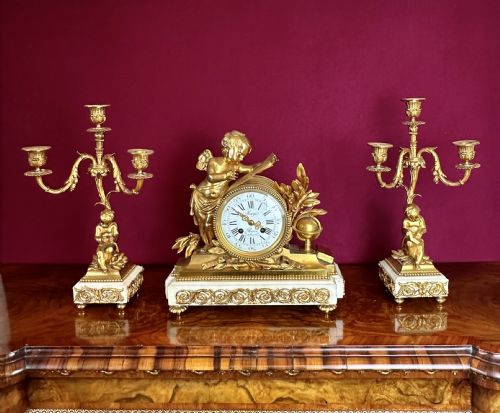


French Empire Clock Set
A French Empire clock set brings architectural bronze and marble to a mantelpiece, offering a matched centrepiece and side pieces that collectors prize.
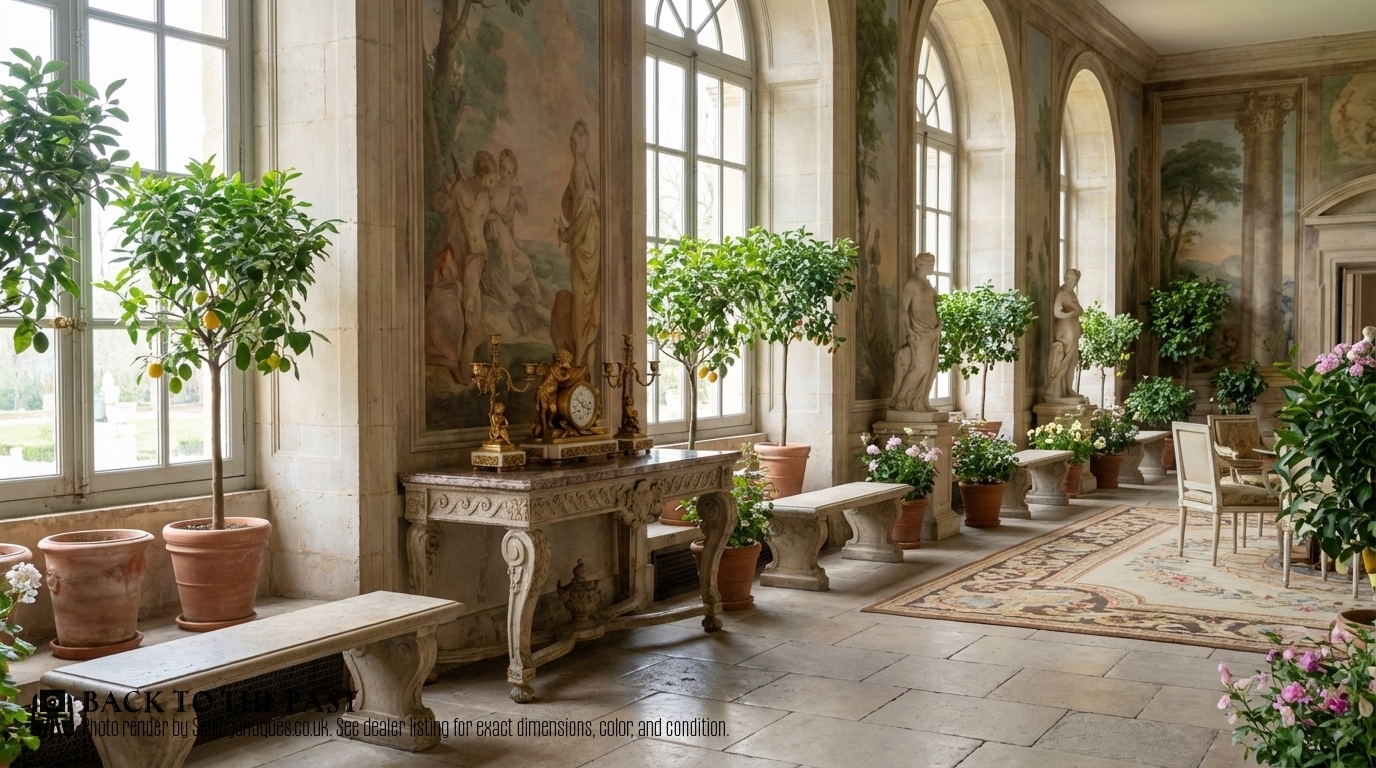
French Empire Clock Set
A French Empire clock set typically comprises a central mantel clock accompanied by matching side pieces such as candelabras or urns, forming a unified garniture arrangement. These pieces frequently draw upon Neoclassical and French Empire styles, alongside Victorian, Regency, and Napoleon III interpretations.
The objects themselves appear as portico clocks, architectural mantel clocks, and commemorative designs fashioned in the nineteenth century. Most examples present a combination of a central timekeeper with flanking decorative ornaments intended to sit symmetrically upon a shelf or mantel.
Materials such as marble, slate, and onyx provide a solid foundation for the metalwork, while gilt bronze, ormolu, and patinated bronze supply the decorative surface. Buyers encounter these sets spanning the Victorian era and the broader nineteenth century, reflecting sustained demand for classical French interior ornamentation.
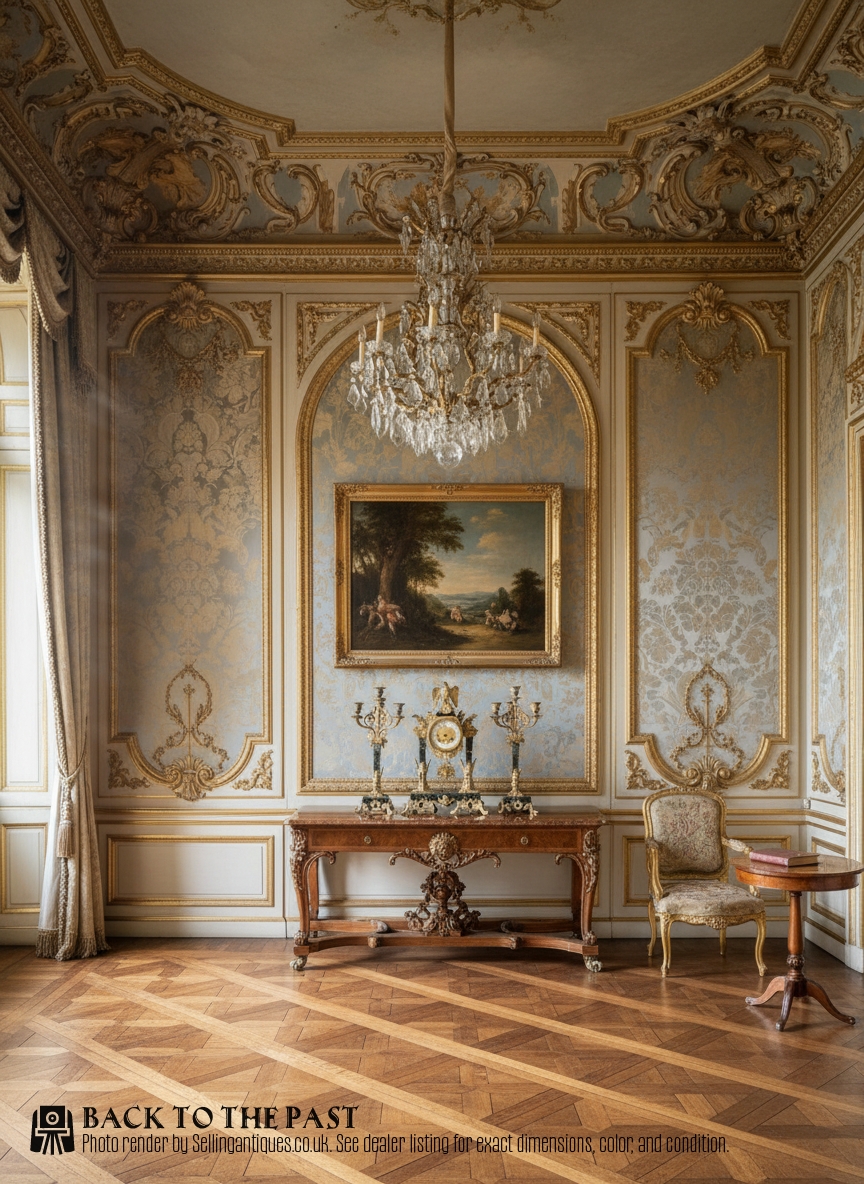
Materials and construction
Maker workshops combined heavy natural stone bases with cast metal components, utilising marble, siena marble, onyx, and slate alongside bronze and brass. Metal elements were cast, chased, and finished with fire gilding to create ormolu, or treated to achieve a dark patinated bronze effect.
Clock movements relied on mechanical eight day striking systems, often paired with enamel dials for clear legibility. Glass components frequently protected these delicate dials, while bronze figures and cast ornaments were securely mounted to the stone bodies using threaded pins and nuts.
French Empire Clock Set Retail Price Guide 2026
Typical asking prices for french empire clock set among the pieces listed under this phrase on Sellingantiques today, from the lower quarter to the upper quarter. They describe what is for sale here now, not the wider market.
Materials span siena marble, onyx, slate, and glass, alongside patinated and gilded bronze worked in Neoclassical and Napoleon III styles.
Distinguishing quality
The choice and execution of the stone foundation also separate the tiers of manufacture. Dense, well-polished marble and fine onyx, combined with substantial weight in the bronze mounts, mark out the more ambitious commissions from standard commercial output.
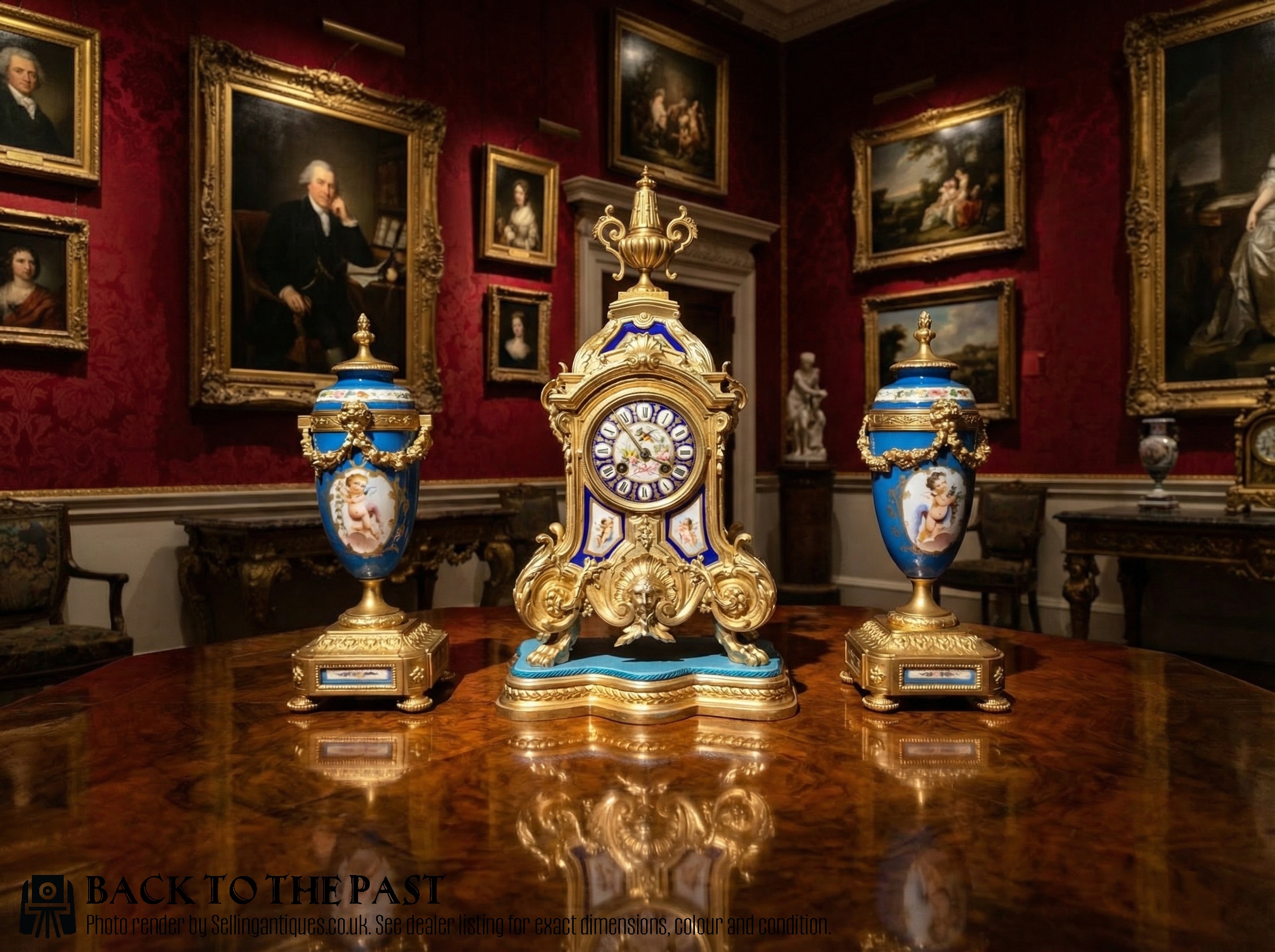
VINCENTI of PARIS·Deniere Paris
The French Empire Clock Set Glossary
- Ormolu
- Gilded bronze produced by applying a mercury and gold amalgam to a bronze base and heating it. This technique creates a rich, enduring golden surface characteristic of fine nineteenth century French metalwork.
- Garniture
- A set of matched ornamental objects designed to be displayed together on a mantelpiece or sideboard. A clock garniture typically includes a central clock flanked by two matching candelabras or urns.
- Portico clock
- A mantel clock featuring a architectural frame supported by four or more columns resembling a classical portico. These designs often incorporate a suspended pendulum swinging within the central opening.
- Patinated bronze
- Bronze treated with chemicals or heat to alter its surface colour, usually producing rich brown, green, or dark tones. This treatment contrasts effectively with bright ormolu mounts.
- Enamel dial
- A clock face made by fusing powdered glass onto a metal plate at high temperatures. These durable dials provide a smooth white background for painted numerals.
French Empire Clock Set: Frequently Asked Questions
What is a clock garniture?
A clock garniture is a matched set consisting of a central mantel clock and side ornaments, such as urns or candelabras, designed to be displayed together as a visual unit.
These sets were produced in France throughout the nineteenth century to create a balanced, symmetrical arrangement on a fireplace mantel or sideboard.
How do I wind a French clock?
Most nineteenth century French clocks use an eight day mechanical movement wound manually via a key inserted into arbors on the dial face. Care must be taken not to overwind the mainspring.
Ensuring the clock sits level on the mantel is essential for the pendulum to beat evenly and keep accurate time.
What is ormolu?
Ormolu refers to gilded bronze created using a traditional mercury gilding process where gold amalgam is bonded to a cast bronze base through heat.
This method yields a warm, deep lustre that distinguishes genuine nineteenth century French decorative metalwork from later electroplated substitutes.
How do I identify the period?
Dating relies on stylistic clues, materials like siena marble or slate, and mechanical signatures such as maker stamps on the movement backplate. The influence of the French Empire and Napoleon III eras guides attribution.
Comparing the cast details and dial construction with documented nineteenth century examples helps narrow down the decade of manufacture.
Can these clocks keep accurate time?
Mechanical movements from the nineteenth century can keep good time if they have been cleaned and serviced by a professional horologist. Proper adjustment of the pendulum suspension is necessary.
Regular maintenance ensures the striking train and gear train function smoothly without excessive wear on the vintage components.