





French Decorative Centrepiece
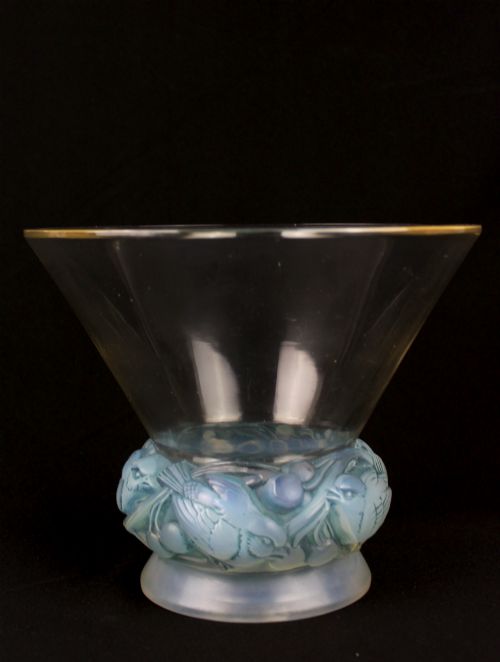
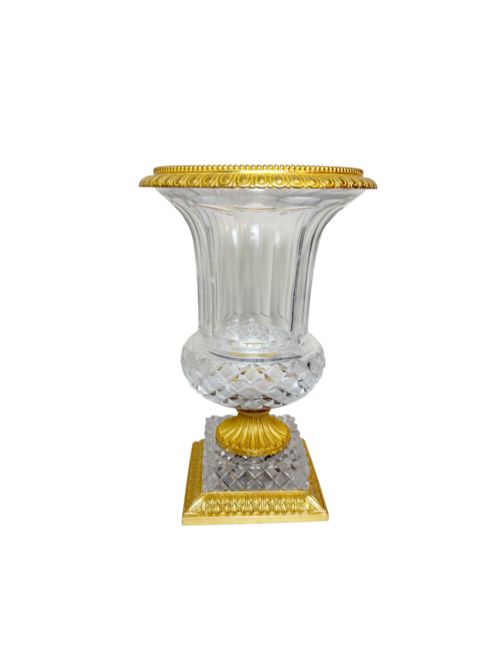
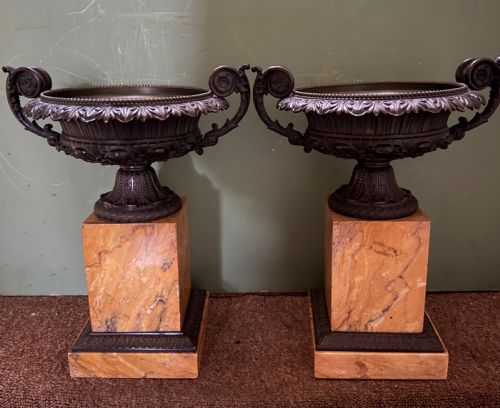
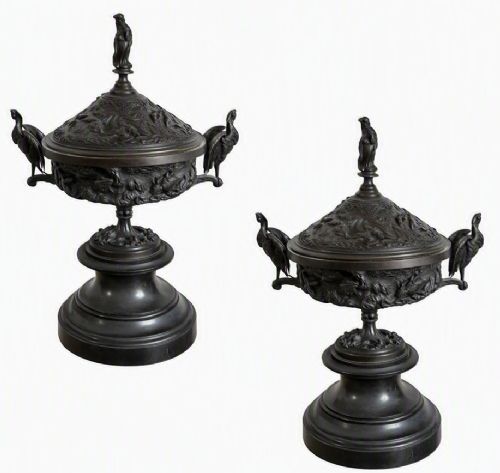
A french decorative centrepiece anchors a table with classical proportion, bringing together cast bronze, porcelain and glass in forms designed for display.
French Decorative Centrepiece
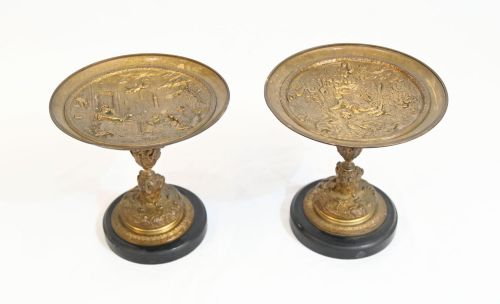
When searching for a french decorative centrepiece, buyers encounter tazzas, footed bowls, urns and pedestal dishes originating from nineteenth century workshops and later periods. These pieces serve as focal points for dining tables, sideboards and consoles, fulfilling both ornamental and utilitarian roles.
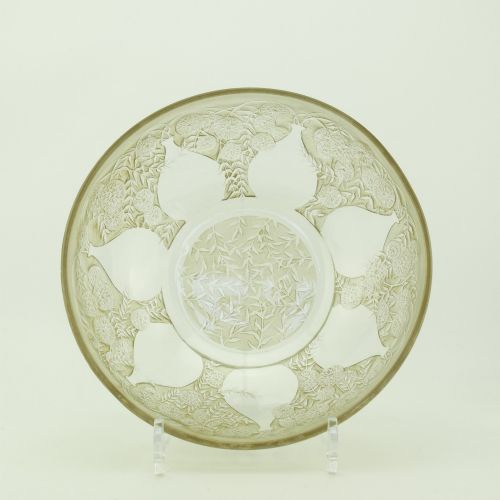
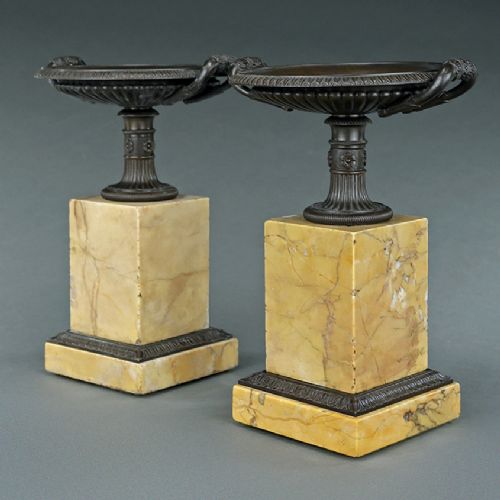
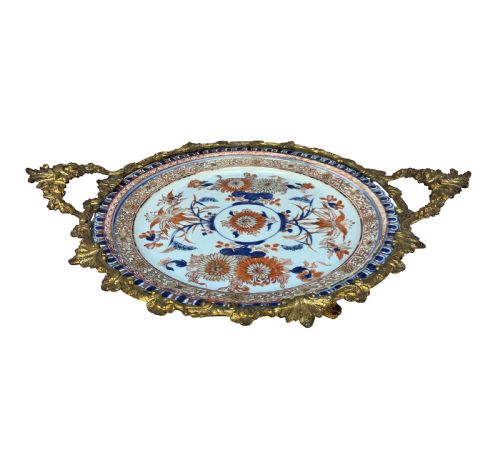
The selections span distinct historical aesthetics, ranging from formal Empire style bronzes to ornate Rococo revival ceramics and sleek Art Deco glass. Most examples integrate contrasting elements, pairing cast metal mounts with ceramic bodies or glass inserts.
Forms vary from shallow open dishes intended for fruit or flowers to covered urns and towering tazzas elevated on marble plinths. The physical scale ranges from intimate cabinet pieces to large scale centrepieces designed for substantial dining rooms.
Materials and construction methods
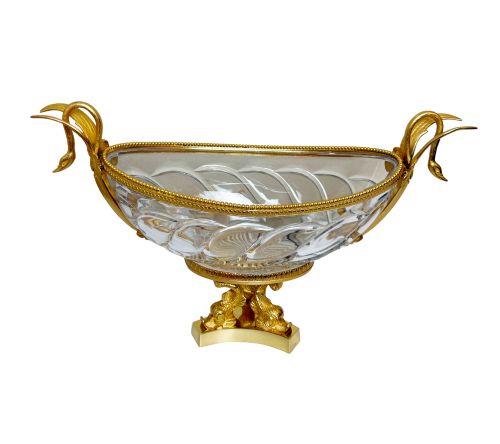
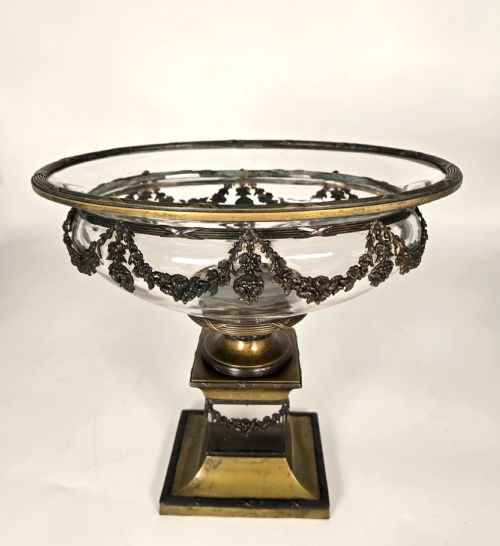
Metal components rely on bronze, brass and ormolu, which is mercury gilded bronze, cast and chased by hand to achieve crisp detail. These mounts frequently secure glass inserts, porcelain bowls or carved stone elements such as marble and malachite.
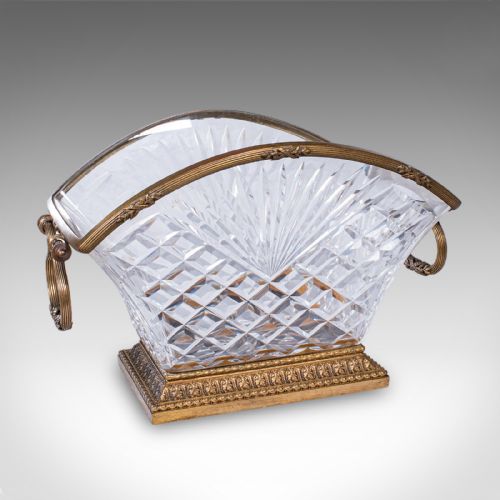
Glass production encompasses heavy cut crystal, opalescent moulded glass and pâte de verre, whilst ceramic sections utilise porcelain, majolica and faience pottery decorated with hand painted or enamelled motifs.
French Decorative Centrepiece Retail Price Guide 2026
Typical asking prices for french decorative centrepiece among the pieces listed under this phrase on Sellingantiques today, from the lower quarter to the upper quarter. They describe what is for sale here now, not the wider market.
Several pieces feature winged cherubs and flying storks permanently frozen in bronze while guarding your dining table.
Distinguishing quality across the range
Quality reveals itself in the crispness of the metal chasing and the precision with which mountings fit porcelain or glass inserts. Heavier castings with deep relief work and well defined hand finishing separate superior examples from standard production.
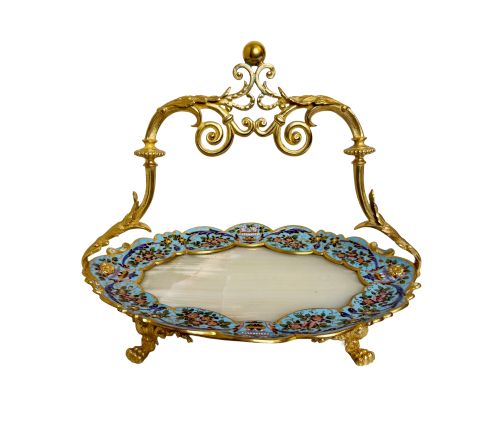
Material selection dictates tier, with pieces incorporating fine gemstones, flawless crystal, or champlevé enamel demanding closer attention than simpler brass and ceramic variants.
Jules Moigniez·Pierre Philippe Thomire·Rene Lalique·Samson Paris·Daum France
The French Decorative Centrepiece Glossary
- Tazza
- A shallow bowl or plate mounted upon a stem and foot, originating from classical forms used for serving or display.
- Ormolu
- Finely chopped high carat gold applied to a bronze base through a mercury amalgamation process, creating a rich golden surface.
- Champlevé
- An enamelling technique where troughs are dug into metal surfaces and filled with vitreous enamel before firing.
- Pâte de verre
- A glass casting method where powdered glass is packed into a mould and fused in a kiln to produce a dense, textured object.
- Jardinière
- An ornamental receptacle designed to hold growing plants or floral arrangements, frequently ceramic or metal.
French Decorative Centrepiece: Frequently Asked Questions
What is a tazza used for?
A tazza functions primarily as an elevated display dish or serving vessel for fruit and sweetmeats during formal dining.
In contemporary settings, these pieces sit centrally on tables or sideboards as standalone sculptural objects without necessarily holding anything.
How do I clean ormolu and bronze?
Maintenance requires only gentle dusting with a soft, dry brush to prevent the accumulation of dirt within the intricate chased recesses.
Water, abrasives and chemical metal cleaners strip the original gilding and must be avoided entirely.
How do I date a glass centrepiece?
Dating relies on examining the weight of the glass, the presence of mould seams, and the distinct manufacturing signatures or acid stamps.
Stylistic markers such as opalescence or geometric moulding patterns point towards specific eras like the Art Deco period.
Are these pieces waterproof?
Many centrepieces feature removable glass or ceramic inserts specifically designed to hold water and fresh flowers safely.
Metal and marble bases, however, should be protected from direct moisture to preserve the underlying materials and joins.