

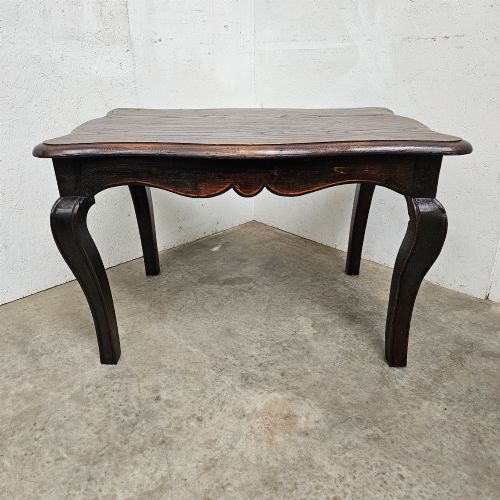


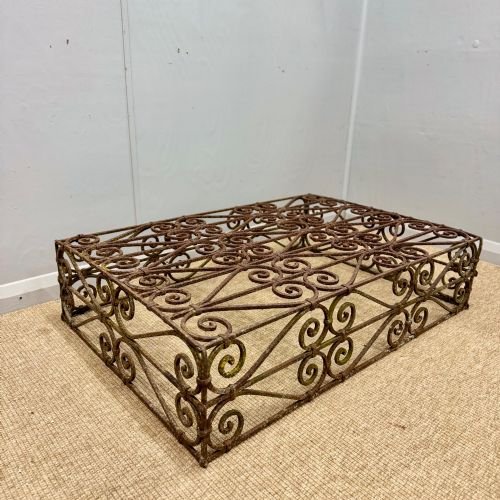


French Country Low Table
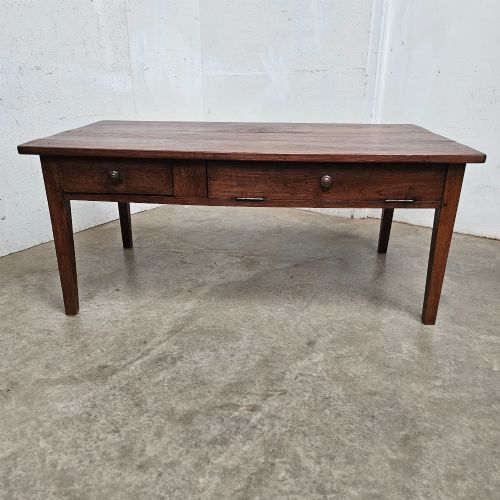
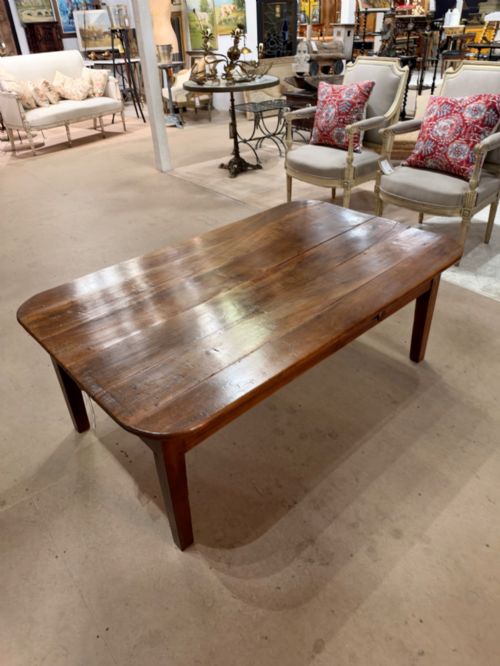
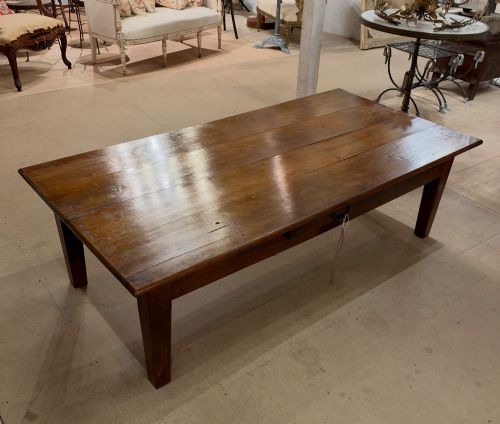
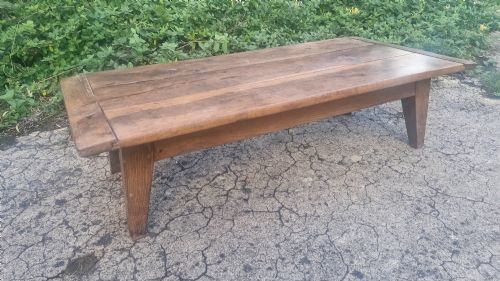
A french country low table brings grounded utility and rustic warmth to a room, drawing on centuries of provincial craftsmanship.
French Country Low Table
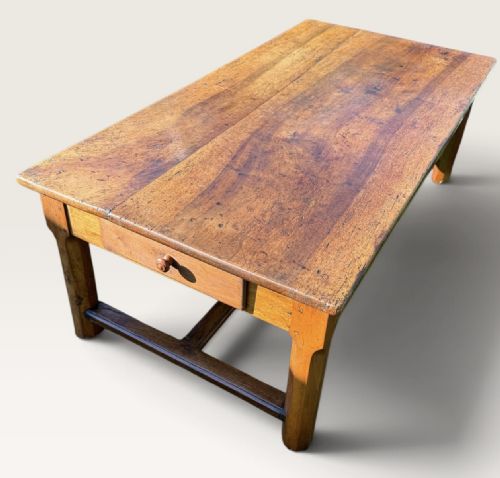
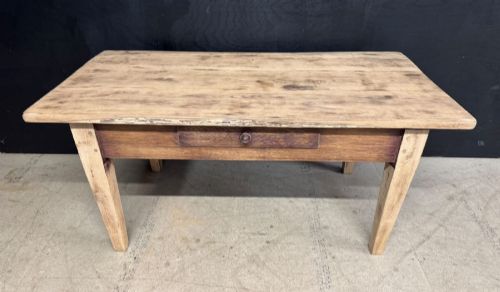
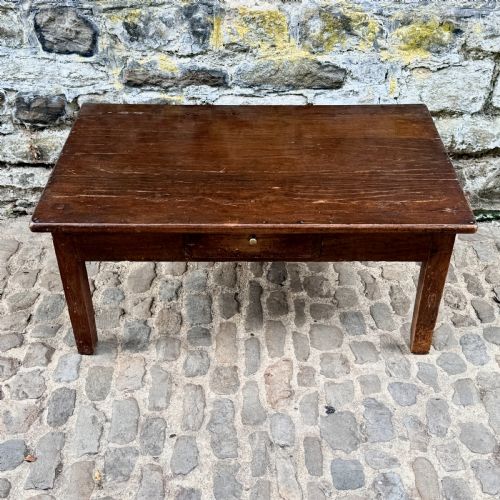
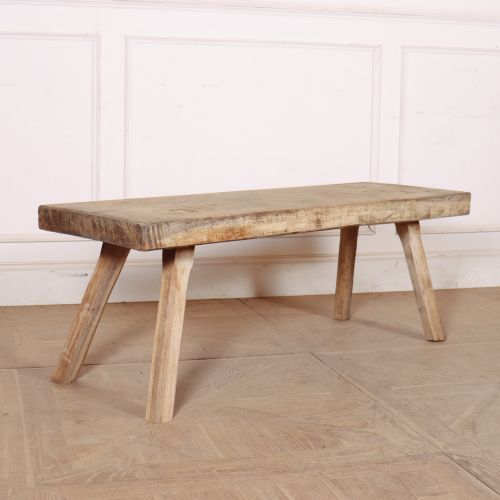
A french country low table encompasses low-slung coffee tables, display pieces, and occasional surfaces rooted in provincial styles and rustic farmhouse traditions. These pieces originate predominantly from the nineteenth and eighteenth centuries, reflecting utilitarian domestic designs adapted for modern living spaces.
Makers historically tailored these surfaces for everyday rural tasks, such as bread preparation or dough proving, before they were repurposed into low coffee tables. Their straightforward geometry and honest proportions anchor contemporary interiors with understated character.
Materials and construction
Makers utilised solid regional timbers including oak, walnut, cherrywood, fruitwood, and chestnut, selecting hardwoods that endured heavy daily use in provincial homesteads. Joinery methods relied on sturdy pegged construction, turned legs, and trestle supports designed to withstand continuous strain.
Surface treatments range from scrubbed sycamore and bleached oak to polished walnut and decorated marble tops, showing the practical evolution of each piece. Iron hardware, drop leaves, and fitted drawers appear regularly, matching functional utility with robust carpentry.
French Country Low Table Retail Price Guide 2026
Typical asking prices for french country low table among the pieces listed under this phrase on Sellingantiques today, from the lower quarter to the upper quarter. They describe what is for sale here now, not the wider market.
The listings show pieces spanning the eighteenth century through to the Edwardian era, constructed primarily from oak, walnut, cherrywood, and fruitwood.
Distinguishing quality in provincial tables
Quality rests in the integrity of the timber selection and the honesty of the construction, where hand-turned legs and tight mortise-and-tenon joints distinguish superior workshops. The depth of patination accumulated across generations of use separates pieces with genuine domestic history from lesser iterations.
Proportion and balance dictate the aesthetic success of each table, with well-scaled framing and harmonious timber grain carrying more weight than surface ornamentation. Subtle variations in provincial carving or stamped maker marks add layers of distinction to individual examples.
The French Country Low Table Glossary
- Fruitwood
- Timber sourced from fruit-bearing trees such as pear or apple, prized in provincial furniture for its fine grain and warm tone. It was widely utilised by regional cabinetmakers across the eighteenth and nineteenth centuries.
- Sycamore
- A dense, light-coloured hardwood belonging to the maple family, often used in rustic tables for scrubbed tops. It provides a durable and clean surface suited to domestic preparation work.
- Trestle table
- A table structure composed of two or more support frames connected by a horizontal beam, offering maximum legroom. This ancient form remains a staple of rustic farmhouse design.
- Dough prooving box
- A deep wooden coffer or chest traditionally used for resting bread dough during fermentation. Many surviving examples have been adapted into low coffee tables with hinged lids.
- Patina
- The deep sheen and surface alteration developed by wood over decades of handling, cleaning, and exposure to light. It serves as a key visual indicator of age and authenticity.
French Country Low Table: Frequently Asked Questions
How are these low tables used today?
These tables function primarily as coffee tables in living spaces, providing a stable surface for books, drinks, and decorative objects. Their low profiles complement modern seating arrangements while introducing historical texture.
Larger versions or repurposed benches and coffers also serve as central focal points in a room, offering internal storage beneath hinged lids where applicable.
What woods were commonly used?
Provincial makers relied on whatever solid hardwoods grew locally, resulting in tables built from oak, walnut, cherrywood, chestnut, and fruitwood. Sycamore and elm appear frequently in table tops and structural elements.
Each timber brings distinct grain patterns and colour variations, ranging from the dark warmth of walnut to the pale, scrubbed finish of sycamore.
How do I tell an 18th century table apart from a 19th century one?
Earlier eighteenth-century examples typically display heavier timber scantlings, hand-cut joinery marks, and deeper patination resulting from extended domestic use. Their proportions often reflect original utilitarian functions like bread preparation or storage.
Nineteenth-century pieces tend to show slightly more standardised turning on the legs and greater variety in regional styles, influenced by evolving provincial workshop practices.
How do I care for a antique wooden table?
Maintain the wood by applying natural beeswax sparingly to nourish the grain and protect the historical surface. Avoid placing the table near direct heat sources or strong sunlight, which can dry out aged timber and cause splits.
Clean surfaces with a dry or barely damp cloth, steering clear of modern chemical sprays that can strip the accumulated patina.