








French Classical Bronze Statuette
A French classical bronze statuette captures the enduring allure of mythology and history through the meticulous skill of Parisian foundries.
French Classical Bronze Statuette
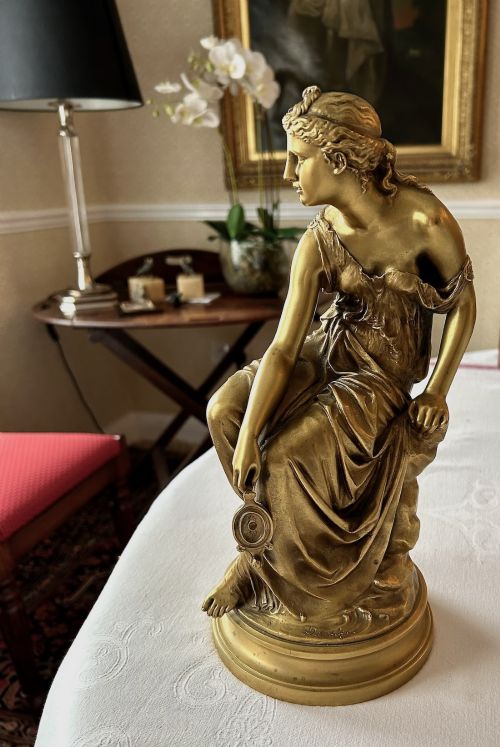
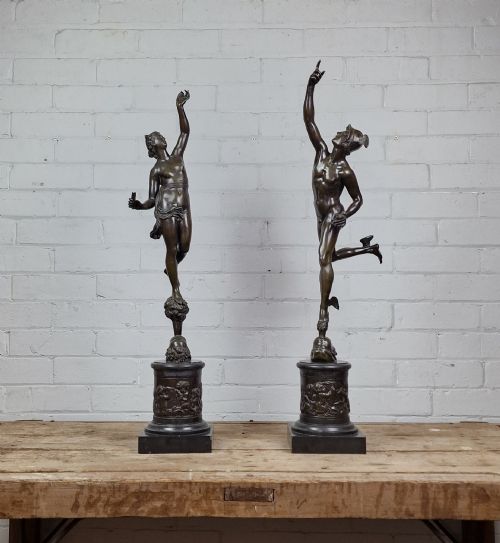
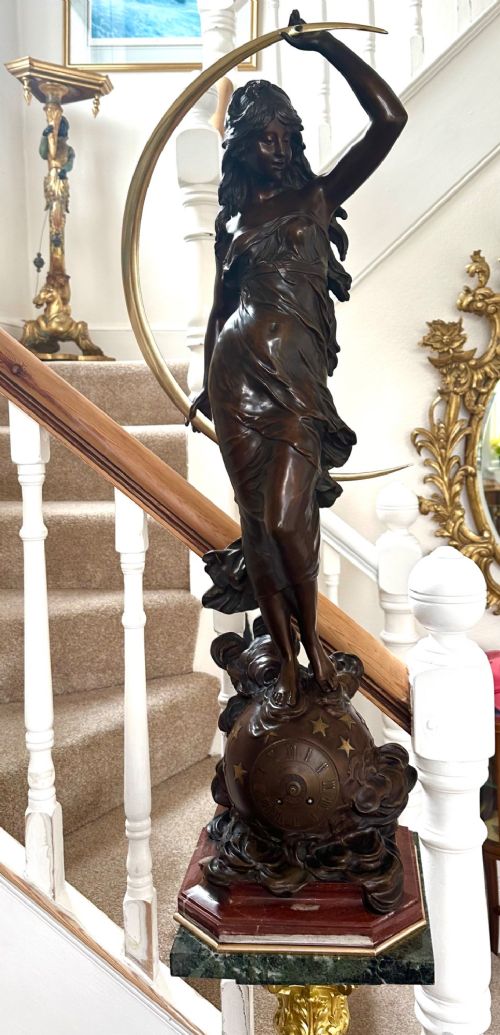
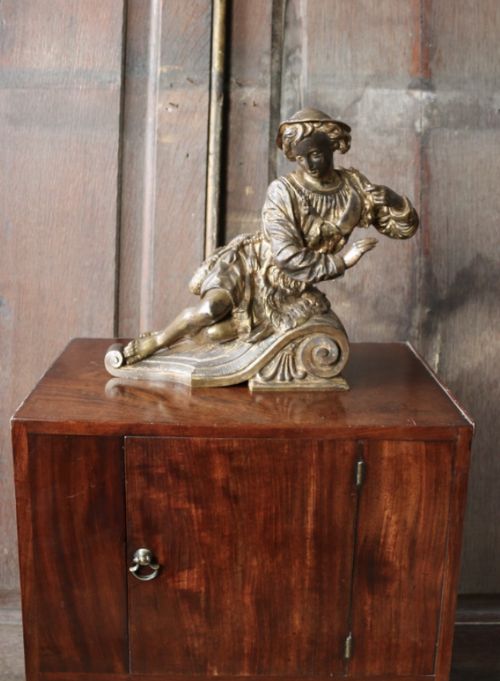
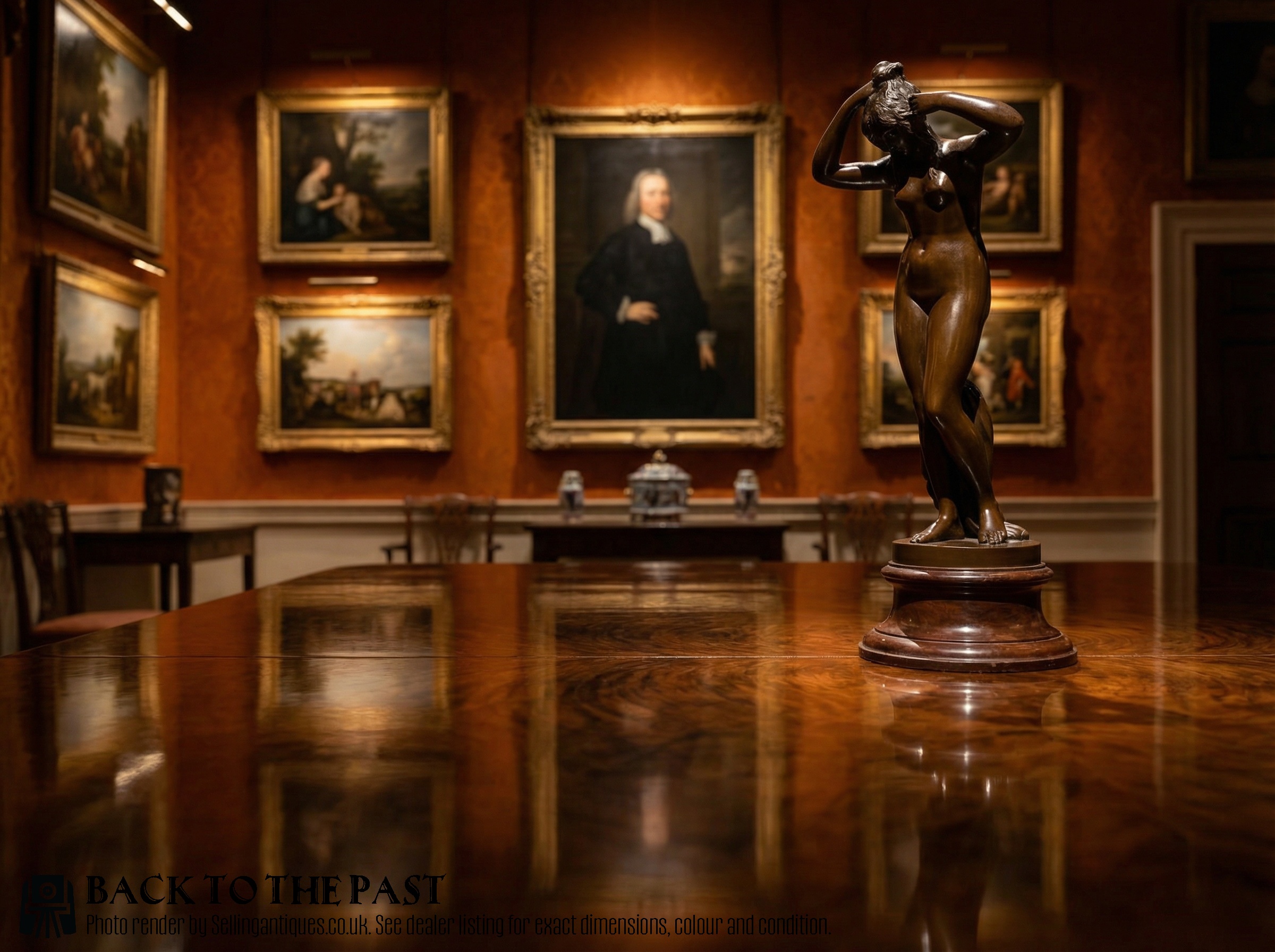
A French classical bronze statuette brings mythological figures, historical personages, and allegorical subjects into domestic spaces in miniature form. These small sculptures often depict maidens, putti, and classical heroes inspired by antiquity.
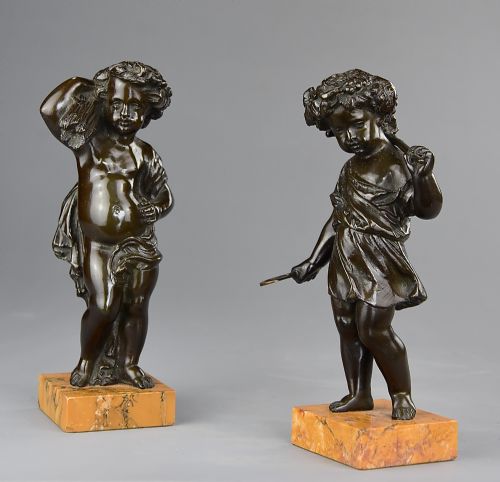
The selections range across the nineteenth century into the art deco period of the twentieth century. Common formats include single standing figures, pairs of harvest dancers or cherubs, and portrait busts mounted on marble bases.
Execution and surface
The application of the patina distinguishes standard commercial production from masterworks. A carefully layered chemical finish gives depth and warmth to the metal surface.
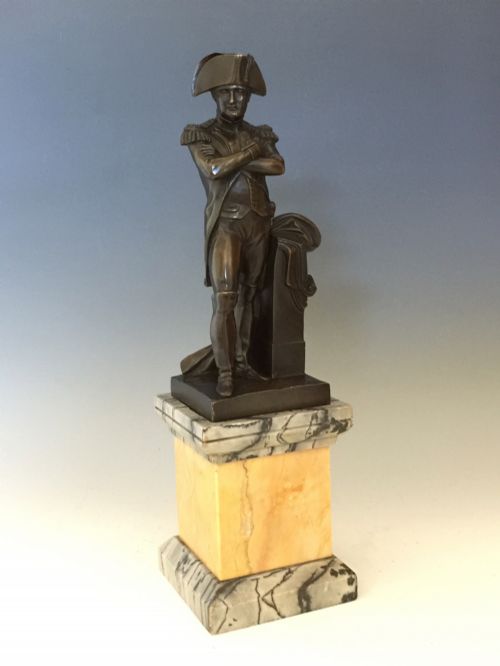
The sculptural subjects span from classical deities and historical leaders like Napoleon to playful putti and harvest dancers.
Etienne-Henri Dumaige·Claude Michael Clodion·August Moreau·Julien Lorieux·Mathurin Moreau·Claire Colinet
The French Classical Bronze Statuette Glossary
- Patinated bronze
- Bronze that has been treated with chemical solutions to produce a specific surface colour, ranging from dark brown to green. This treatment protects the metal and enhances sculptural depth.
- Ormolu
- Gilt bronze produced by applying a finely ground high-carat goldmercury amalgam to a bronze object and heating it to drive off the mercury. The technique creates a rich, durable golden surface.
- Spelter
- An alloy of zinc and other base metals used as a cheaper alternative to bronze. It often mimics the appearance of true bronze when painted or patinated.
- Lost-wax casting
- A method of metal casting in which a molten metal is poured into a mould that has been created by means of a wax model. The wax is melted and drained away.
- Chasing
- The process of hand-finishing a metal casting with small hammers and punches to refine the surface and sharpen details. Skilled chasing removes casting flaws and defines textures.
French Classical Bronze Statuette: Frequently Asked Questions
What is a french classical bronze statuette?
A french classical bronze statuette is a small-scale metal sculpture depicting mythological, allegorical, or historical subjects, produced primarily in nineteenth and early twentieth century France.
These pieces reflect the enduring popularity of classical antiquity among collectors and decorators of the period.
How were these statuettes used originally?
Wealthy households displayed these figures on mantelpieces, library desks, and cabinets as symbols of culture and refinement.
Some examples also served functional purposes, functioning as table lamps, inkwells, or architectural ornaments.
How do I care for a bronze statuette?
Dust the surface regularly with a soft, dry brush to prevent particulate buildup on the metal and marble.
Avoid using liquid cleaners, polishes, or abrasive cloths, which can strip the original patina and damage the finish.
How can I tell bronze from spelter?
Bronze is heavier, colder to the touch, and shows a warm golden-brown metal colour beneath worn areas of patina. Spelter is softer, lighter, and often reveals a dull grey or silvery metal underneath chipped paint.