
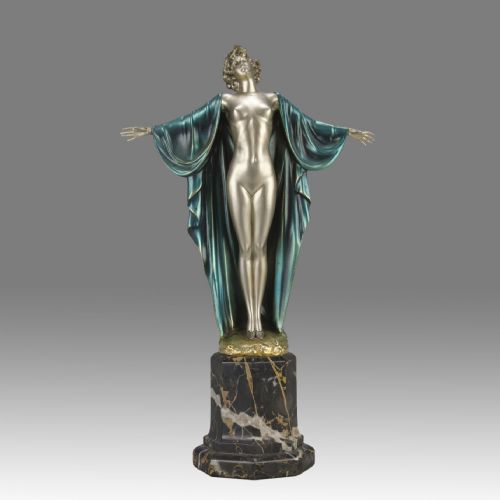
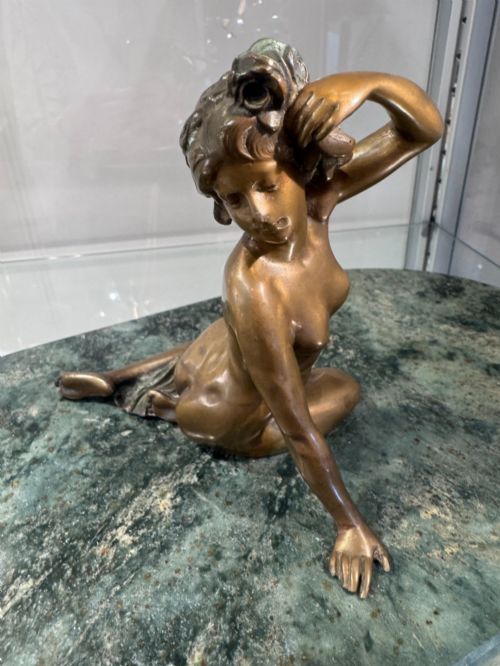
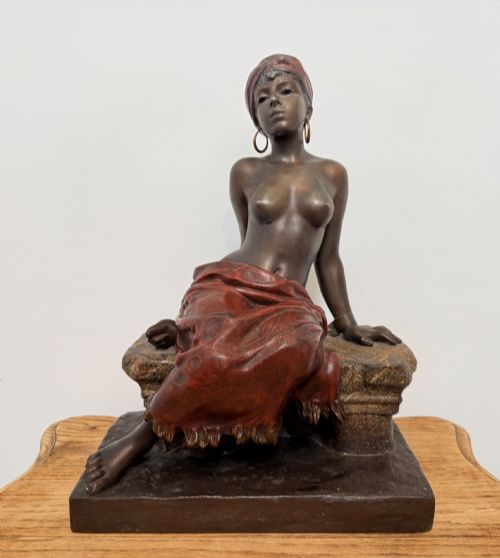
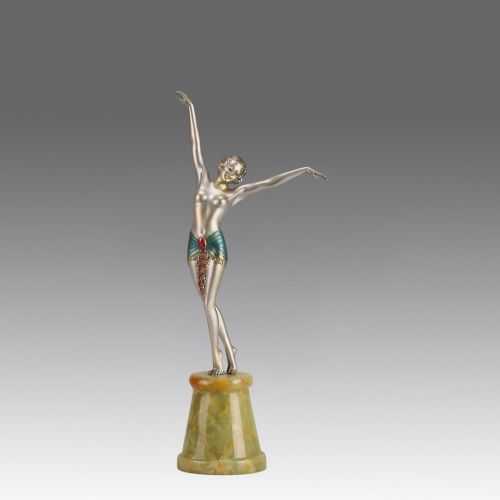
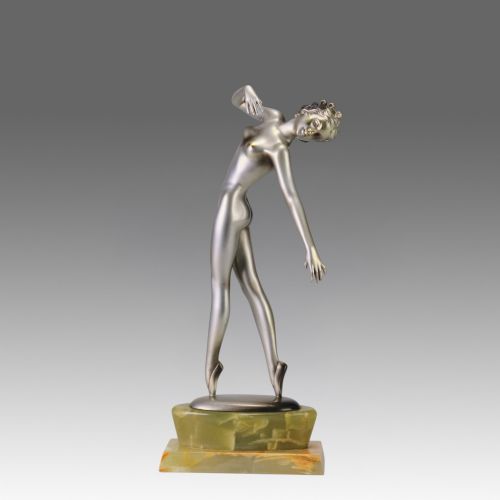
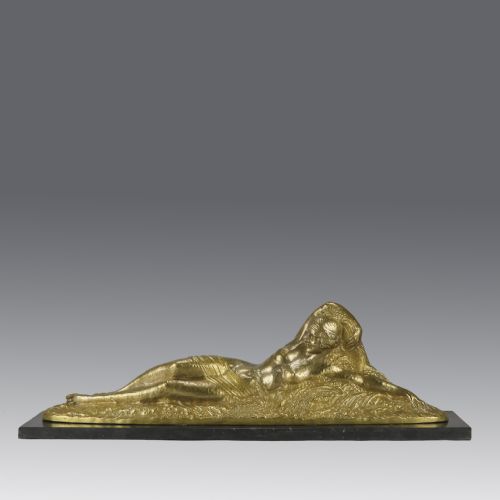


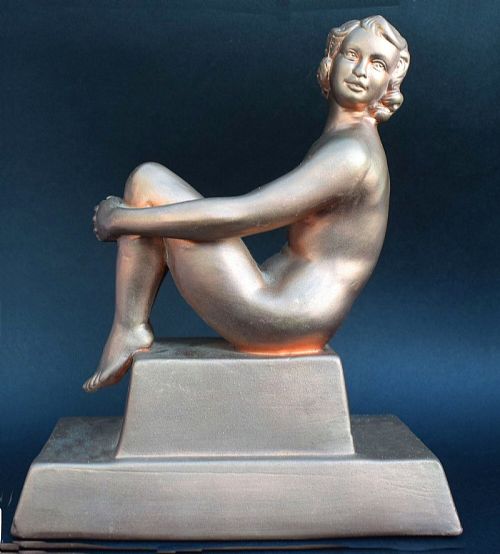

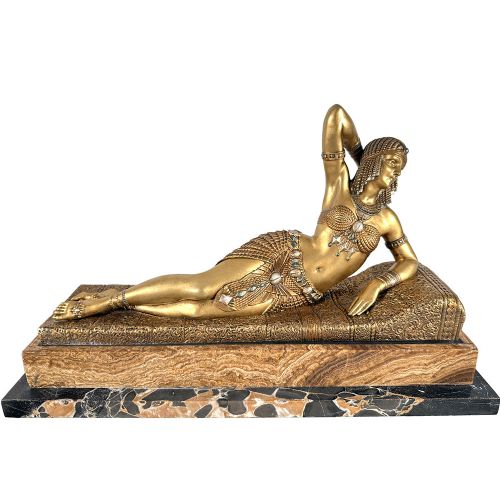


Female Nude Bronze Figurine
A female nude bronze figurine captures the human form in metal, offering a tactile focal point for a room.
Female Nude Bronze Figurine
A female nude bronze figurine captures the human form through diverse stylistic lenses ranging from Neoclassical and Art Nouveau to Art Deco and French Modernist movements. These works span the nineteenth century into the 1930s, shifting from classical mythological subjects toward stylised dancers and modern figures.
The pieces on this page appear as standing figures, seated studies, reclining nudes, dancers, table lamps, and car mascots. Many rest on integral or fitted bases made of marble or onyx, grounding the metal sculpture.
The visual language moves between naturalistic nineteenth century French studies and sharp, geometric Art Deco silhouettes. Buyers frequently encounter works depicting specific characters, dancers, or allegorical themes from early twentieth century European studios.
Materials and construction methods
Foundries utilised standard casting methods to produce these sculptures, often employing the lost-wax technique for intricate detail. The metal body then received various surface treatments including cold painting, patination, silvering, or gilding.
Sculptors combined bronze with carved stone bases, utilising marble and onyx blocks to elevate the figures. Certain works incorporate supplemental materials like enamel or employ spelter as a substitute for bronze in later decorative pieces.
Listings feature works created across the nineteenth century and the early decades of the twentieth century, utilising bronze, spelter, marble, and onyx.
Distinctions in craftsmanship
The application of the surface finish dictates visual depth, whether through subtle patination, meticulous cold painting, or even gilding. Integration between the metal figure and its stone base also reflects the care taken during assembly.
Ferdinand Preiss·Josef Lorenzl·Demetre Chiparus·Pierre le Faguays·Paul Philippe
The Female Nude Bronze Figurine Glossary
- Cold-painted bronze
- A technique where paint is applied to the unheated metal surface and allowed to dry naturally rather than fired in a kiln.
- Patination
- The chemical treatment or natural weathering applied to the bronze surface to produce specific colours and tones.
- Spelter
- A zinc alloy frequently utilised as a cost-effective alternative to bronze for decorative figurines during the Art Deco period.
- Lost-wax casting
- A method of metal casting where a molten metal is poured into a mould that has been created by melting away a wax model.
- Car mascot
- A small sculptural ornament mounted upon the radiator cap of an automobile, popular during the early twentieth century.
Female Nude Bronze Figurine: Frequently Asked Questions
What periods do these figurines date from?
The selections encompass nineteenth century classical studies through to the geometric lines of the 1920s and 1930s Art Deco era.
Earlier pieces favour academic or Neoclassical interpretations, while later items embrace modernist and stylised movements.
How were these bronze figures displayed originally?
Many sculptures served as decorative mantel ornaments, cabinet display pieces, or desk accessories within domestic interiors.
Some specialised forms functioned as practical items, incorporating lighting elements for table lamps or mounting onto vehicles as radiator mascots.
How do I distinguish bronze from spelter?
Bronze offers a heavier weight and a resonant sound when tapped gently, accompanied by a durable metallic structure underneath the patina.
Spelter feels lighter, shows a greyish metal underneath chips in the finish, and lacks the tensile strength of copper-alloy bronze.
What is cold-painted bronze?
Cold painting involves applying pigments directly to the metal surface without subsequent kiln firing, a method perfected by Viennese foundries.
This technique allows for polychrome decoration on garments and skin, though the paint remains susceptible to friction and moisture over time.