


Antique Bronze Table Statue
An antique bronze table statue brings small-scale figurative art into domestic spaces with considerable weight and detail.
Antique Bronze Table Statue
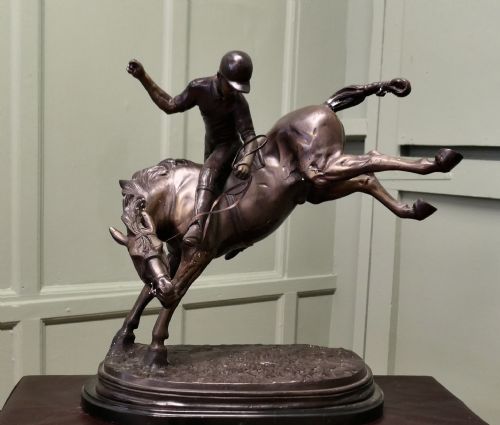
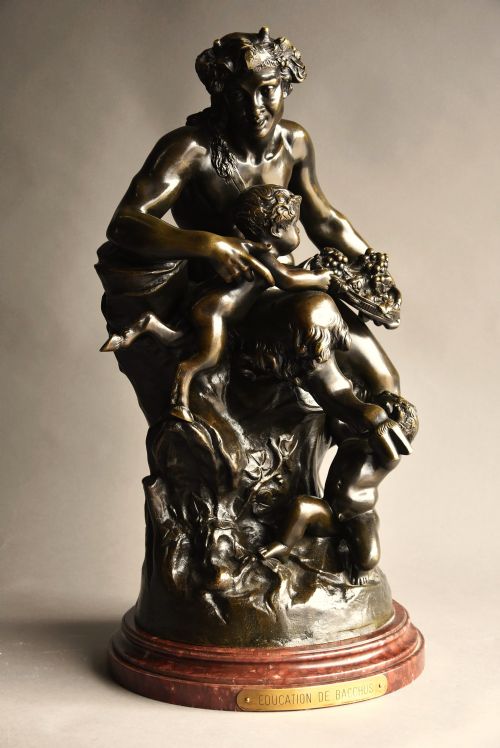
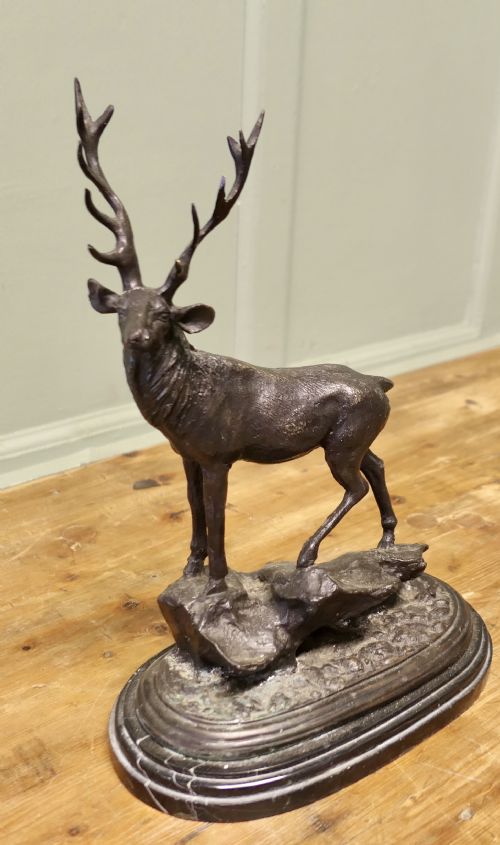
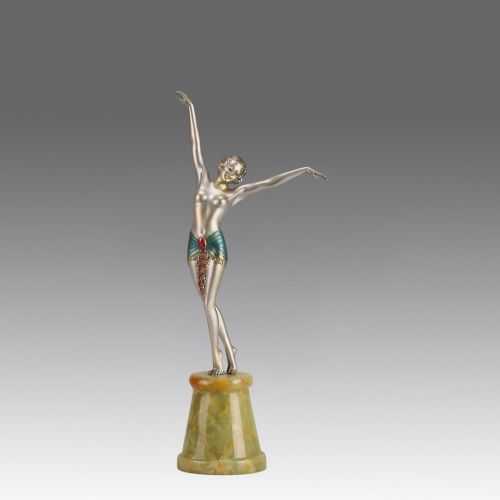
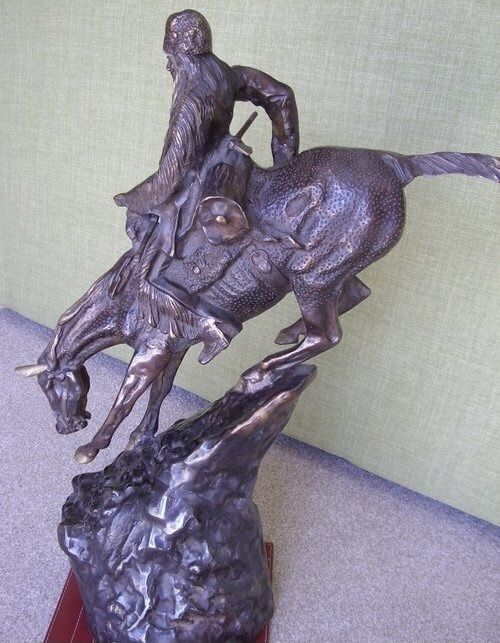
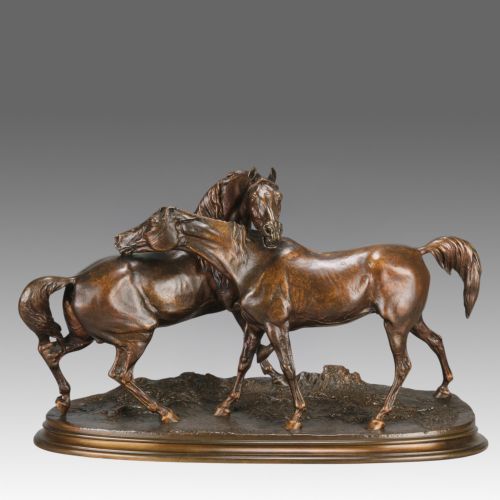
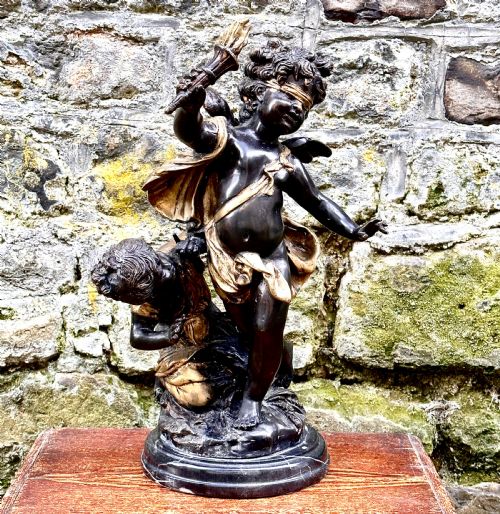
When searching for an antique bronze table statue, collectors encounter cast metal figures, animals, and mythological subjects designed to stand upon desks, mantelpieces, and side tables. These pieces originate predominantly from nineteenth-century and early twentieth-century workshops across Europe, drawing on French Animalier traditions, Neoclassical subjects, and Art Deco aesthetics.
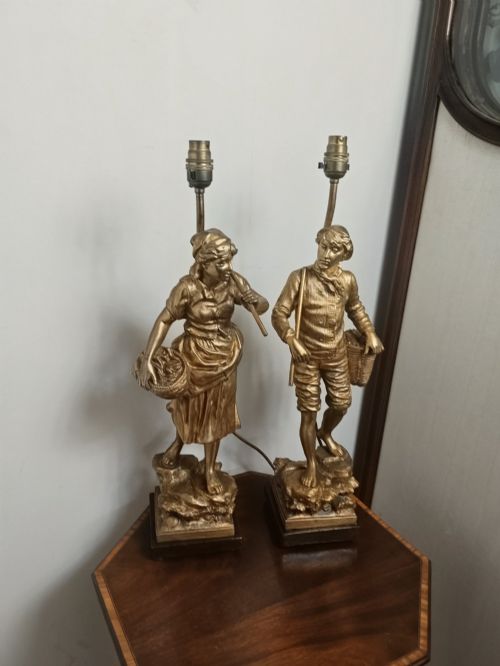
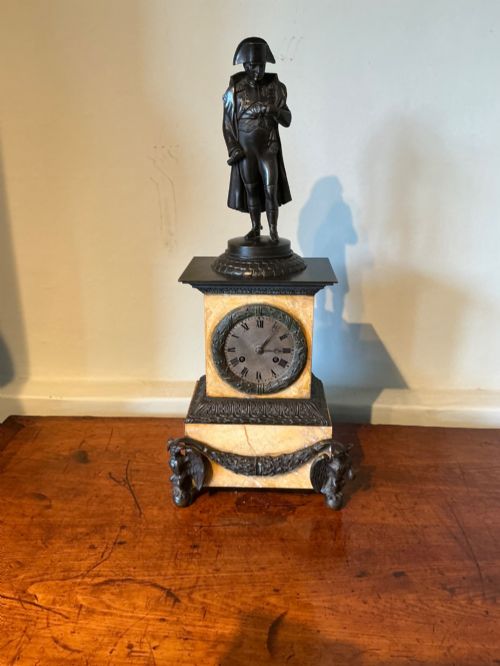
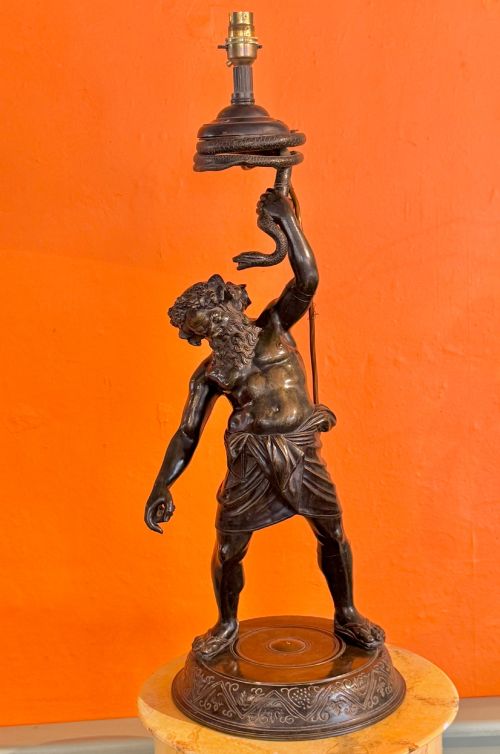
The objects take many forms on this page, including standalone animal studies, human figures, figural lamps, mantel clocks, and candlesticks. While solid bronze is standard, buyers also meet pieces cast in patinated bronze, gilt bronze, or alternative metals such as spelter.
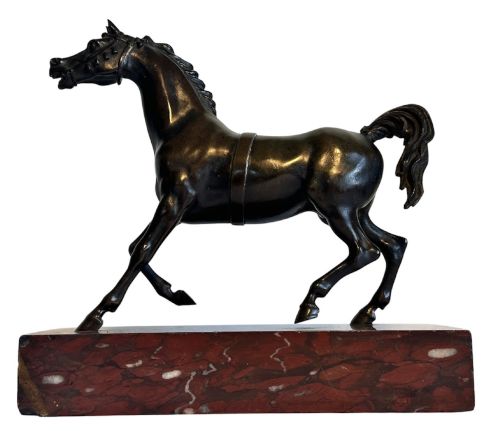
Many examples incorporate integral or secondary bases made from contrasting materials like marble, onyx, or glass. This combination elevates the figure and provides structural stability for display on flat surfaces.
Materials and Casting Methods
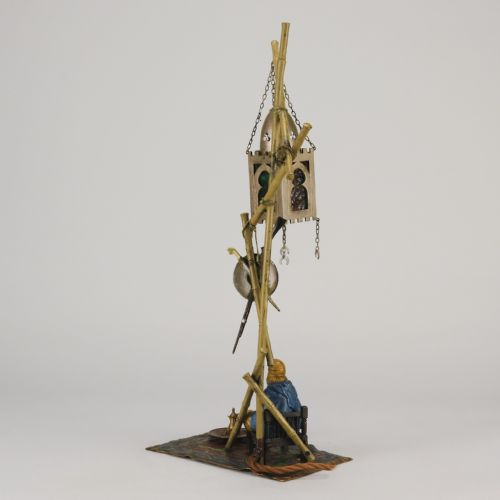
Foundries utilised traditional casting techniques, primarily the lost-wax method or sand casting, to shape molten bronze into complex anatomical and architectural forms. Once cast, the metal received surface treatments including chemical patination to deepen the colour, cold-painting with polychrome pigments, or mercury gilding to produce a brilliant finish.
Mounting formed a crucial part of the construction process, with figures secured to heavy stone plinths using threaded pins or bolts. Secondary materials like glass inserts, wooden components, and marble bases were fitted by hand to complete functional items such as lamps and clocks.
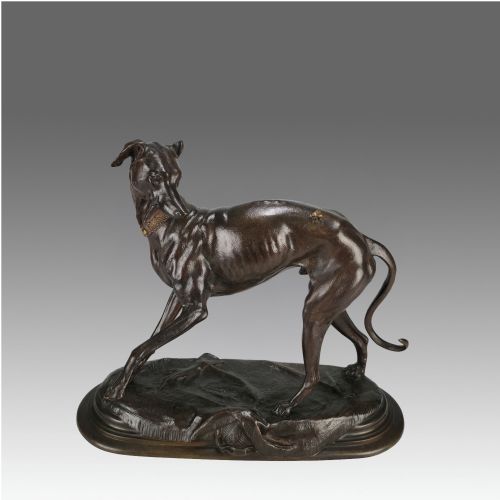
At least one bronze hound found itself permanently tethered to a fly.
Markers of Execution and Finish
The sharpness of the chase work and the subtlety of the surface patina distinguish higher-grade casts from simpler commercial productions. Master founders preserved minute anatomical details, textures of fur, and facial expressions during the post-casting chiselling process, whereas lesser pieces exhibit softer contours and filled-in surface flaws.
The selection of auxiliary materials also determines quality, with dense veined marble or fine sienna stone plinths marking out superior works. Additionally, clear maker signatures, foundry stamps, or cold-painted polychrome layers in intact condition elevate the standing of an individual sculpture.
E Rousseau·Claude Michel Clodian·G. Amodio Naples·Franz Bergman·Josef Lorenzl·P J Mêne·Alfred Barye·Masaaki·Franz Xaver Bergman·Friedrich Goldscheider·Barbedienne·Hector Lemaire·Emile Picault·Messina Roma·Gregoire·Edith Parsons
The Antique Bronze Table Statue Glossary
- Animalier
- A nineteenth-century artistic movement focused on the realistic depiction of animals, particularly horses, dogs, and wild beasts. Sculptors in this genre studied anatomy closely through direct observation in menageries.
- Cold-Painted
- A finishing technique where pigment is applied to a metal object without subsequent firing or heat fixation. This method is characteristic of Viennese small bronzes from the early twentieth century.
- Grand Tour
- A traditional trip undertaken by European elites to study classical antiquities, which generated a strong demand for small-scale souvenir bronzes cast after famous ancient statues. These reductions served as portable markers of education and travel.
- Spelter
- A zinc alloy frequently used as a less expensive alternative to bronze during the nineteenth and twentieth centuries. It often received a bronze-coloured coating to mimic genuine metal.
- Patina
- The surface layer formed on bronze through oxidation over time or via chemical treatments applied by the founder. This coloration protects the metal and adds visual depth to the sculpture.
Antique Bronze Table Statue: Frequently Asked Questions
What is the difference between bronze and spelter?
Bronze is a durable copper alloy that takes fine chiselling and develops a deep, stable patina over decades. Spelter is a softer zinc-based substitute that feels lighter and requires careful handling to prevent surface flaking.
Items cast in spelter often mimic the appearance of genuine bronze through applied finishes but lack the same structural resilience.
How do I care for an antique bronze statue?
Maintenance requires only occasional dusting with a soft, dry brush to prevent particulate accumulation within crevices. Chemical polishes and abrasive cloths must be avoided, as they strip away the historic surface patina.
Keeping the piece away from direct heat sources and high humidity protects any mounted marble or painted details.
Why are some statues mounted on marble?
Marble plinths provided a stable, heavy footing that prevented narrow-based figures and animal sculptures from tipping over. The contrasting colour and smooth texture of the stone also served to frame the metalwork visually.
This pairing became standard practice across nineteenth-century European foundries for both practical support and aesthetic enhancement.