




Bronze Figure on Pedestal
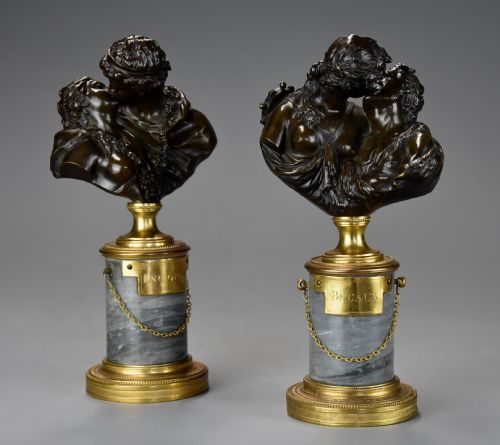
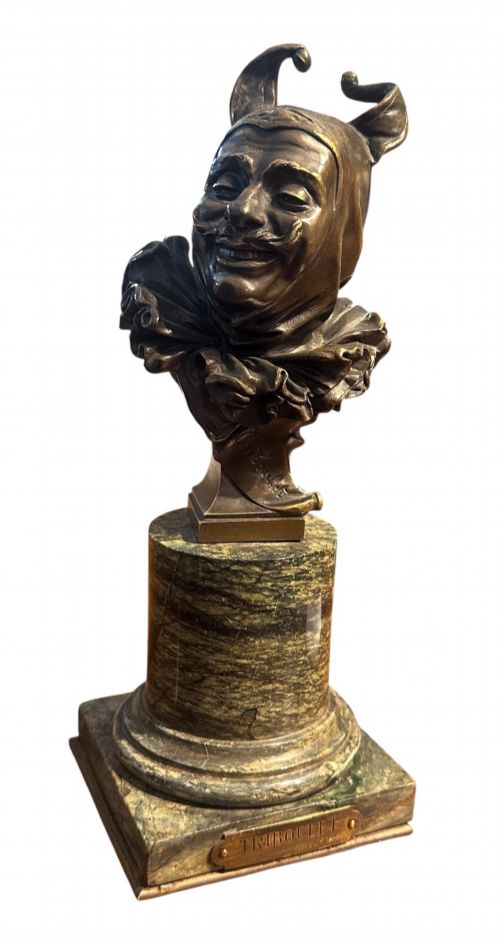
A bronze figure on pedestal brings classical form and grounded weight into a room, joining cast metal with stone or wood bases.
Bronze Figure on Pedestal
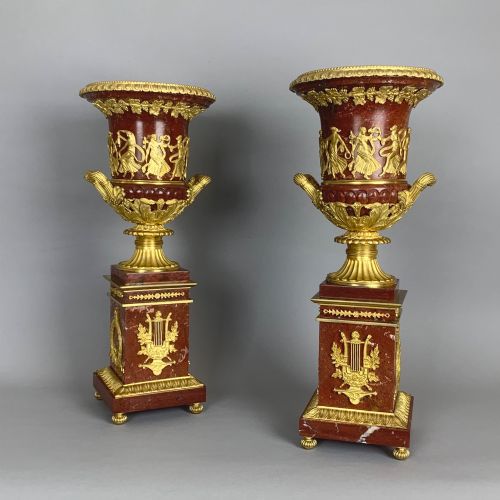
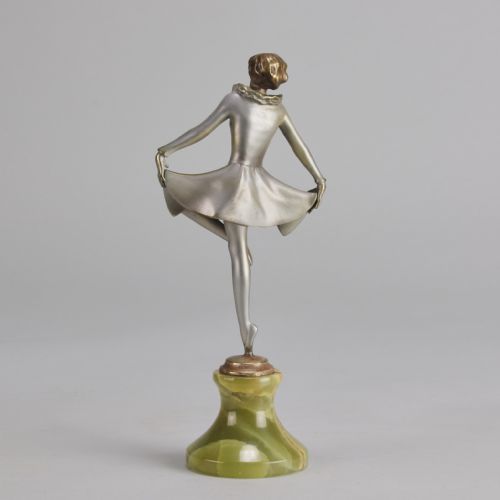
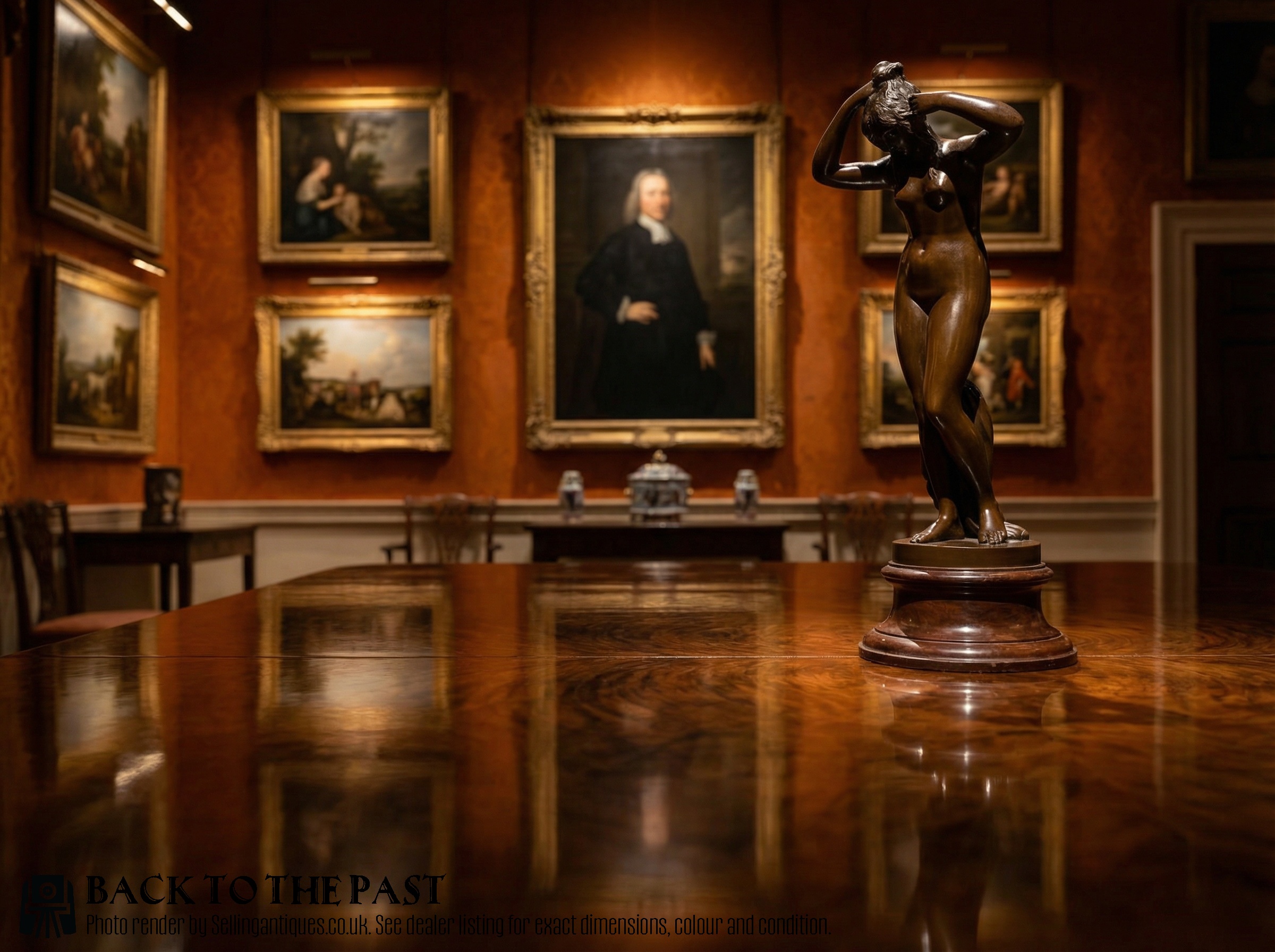
A bronze figure on pedestal unites cast metal sculpture with a supporting base of marble, ormolu, or wood. The selection spans the eighteenth, nineteenth, and early twentieth centuries, drawing on French Empire, Art Deco, and Victorian styles.
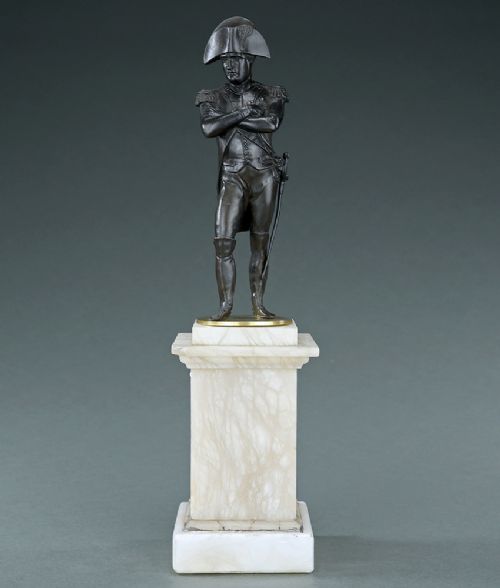
Most examples originate from nineteenth-century European workshops, featuring classical figures, mythological subjects, and historical busts. The metalwork often rests upon dedicated plinths or architectural mounts designed to elevate the sculpture.
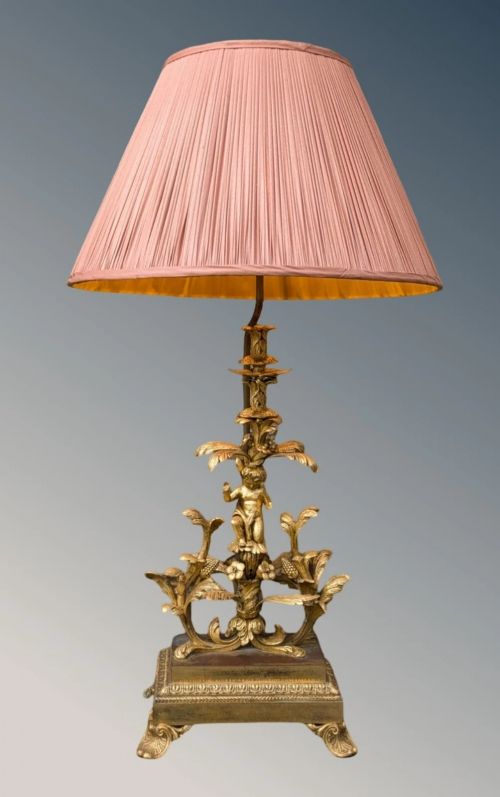
Forms range from miniature tabletop bronzes and portrait busts to monumental figural torcheres and lamps. Buyers encounter both standalone statuary and functional decorative arts sharing the same characteristic combination of metal and plinth.
How they were made
Makers mounted the finished metalwork onto heavy supports of rouge marble, white marble, malachite, or inlaid wood bases. These distinct materials provide structural stability and visual contrast to the dark or gilded tones of the metal.
Listings feature works from the 18th Century, 19th Century, and 1930, utilising bronze, marble, gilt bronze, glass, ormolu, brass, rouge marble, and wood.
What varies in quality
The definition and crispness of the bronze casting determine the visual impact of the piece, separating finely chased examples from softer, more generalized production. Skilled finishing preserves the subtle musculature and garment folds intended by the sculptor.
The choice and integration of the pedestal material dictate the overall harmony of the object. High-quality mountings use dense, richly veined marbles or substantial hardwoods that proportion correctly with the bronze figure above.
Josef Lorenzl·Emile Guillemin·Jean Antoine Houdon·Messenger·F. De Luca·Messina Roma·Ferdinand Preiss·Arthur Waagen·Claire Colinet·Gyoko·E.Villanis
The Bronze Figure on Pedestal Glossary
- Ormolu
- Gilded bronze, typically produced by applying a mercury and gold amalgam to cast brass or bronze. This technique creates a durable, bright golden surface frequently seen on nineteenth-century French mounts.
- Cold-painted bronze
- A method where the metal figure receives a coat of natural paint after casting, rather than undergoing high-temperature firing. This finish is particularly characteristic of Viennese and Art Deco sculptures.
- Tazza
- A shallow cup or shallow bowl mounted on a stem and foot, often cast in bronze as a decorative vessel. These pieces frequently feature classical relief decoration along the rim.
- Grand Tour
- A cultural journey undertaken by nineteenth-century Europeans to study classical antiquities, prompting the production of small bronze replicas. These souvenir sculptures often depict famous mythological or historical figures.
- Spelter
- An alloy of zinc and other metals used as a less costly alternative to bronze for figural sculptures. It mimics the appearance of bronze when finished with a dark patina.
Bronze Figure on Pedestal: Frequently Asked Questions
Where should I place a bronze figure on pedestal?
Position the piece on a sturdy surface such as a console table, desk, or dedicated column where its weight is fully supported. Ensure the location avoids direct, prolonged sunlight to protect any painted or gilded surfaces.
Consider eye-level placement for smaller portrait busts and tazzas to appreciate the fine casting details and signatures.
How can I tell a nineteenth-century piece apart?
Examine the construction methods, patination, and the type of marble or wood used in the base. Nineteenth-century castings often feature specific foundry marks, signatures, or stylistic traits associated with the French Empire and Victorian periods.
Compare the quality of the chasing and the weight of the bronze against known examples from the same era to gauge authenticity.
Were these figures always mounted on pedestals?
Many figures were cast specifically with integral bases or paired with custom pedestals to enhance their display and stability. Architectural mounts and marble plinths were standard additions for decorative bronzes from the nineteenth century onward.
Some functional objects, like table lamps and torcheres, integrate the pedestal directly into the structural support of the lighting fixture.