






French Chateau Wardrobe
A french chateau wardrobe brings monumental presence and generous storage into a room, combining architectural scale with classical French proportion.
French Chateau Wardrobe
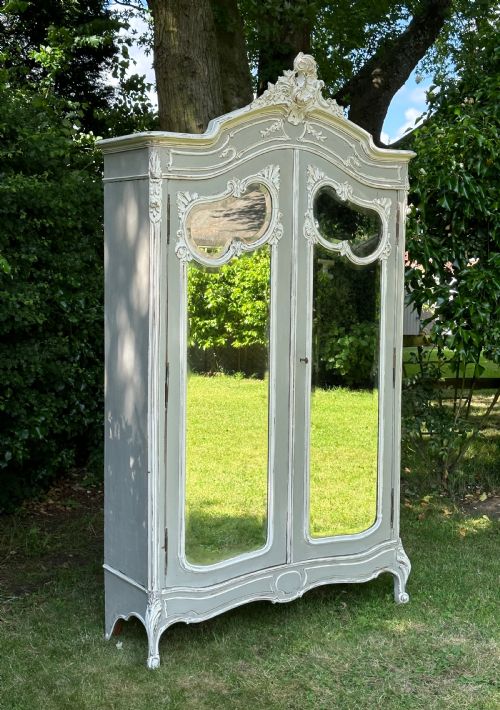
A french chateau wardrobe encompasses large-scale armoires and wardrobes originating from or styled after French country and provincial estates. These pieces provide substantial clothes storage through tall double doors and deep internal compartments.
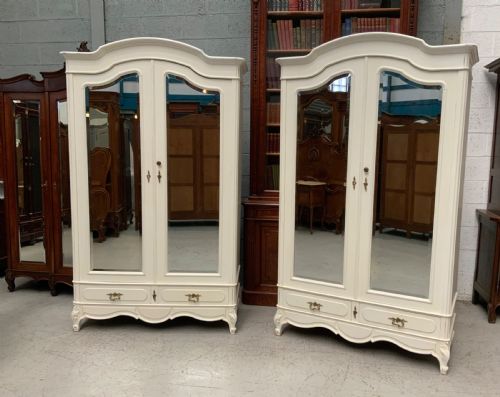
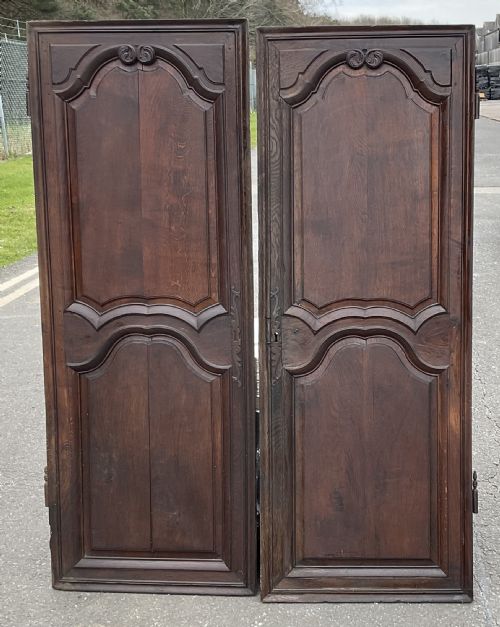
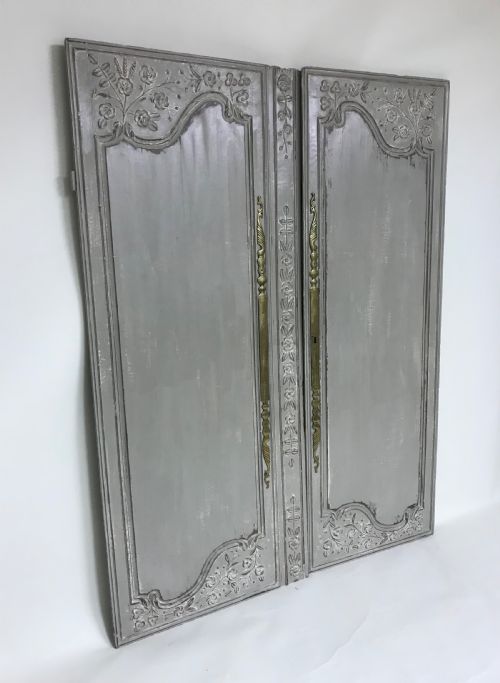
The versions met on this page span several distinct periods, including the eighteenth century and the early twentieth century. Examples appear in formats such as carved oak french bleached armoire, painted walnut eighteenth century, and painted grey finishes with brass detailing.
The construction draws on traditions including French provincial, eighteenth century French, Dutch neoclassical, and French chateau styles. These large storage pieces function as focal points in bedrooms and dressing rooms alike.
Materials and Construction
Makers utilised solid timbers such as oak and walnut, often hand-carved to create deep relief mouldings and classical ornamentation. Some pieces feature applied paint surfaces or specialist finishes like downpipe grey and gold leaf.
Hardware details incorporate cast brass detailing to secure the heavy timber doors and frame the cabinetry. Structural elements rely on traditional joinery methods suited to massive case pieces.
French Chateau Wardrobe Retail Price Guide 2026
Typical asking prices for french chateau wardrobe among the pieces listed under this phrase on Sellingantiques today, from the lower quarter to the upper quarter. They describe what is for sale here now, not the wider market.
Early twentieth-century French cabinet makers occasionally experimented with downpipe grey paint long before modern interior designers made it a staple.
Assessing Quality and Execution
The upper tier of these wardrobes displays deeply carved timber details and harmonious proportions inherent to eighteenth-century design and its later revivals. Finer examples balance substantial scale with refined execution in the mouldings and surface treatments.
Quality reveals itself in the integrity of the timber, whether a heavily grained oak or a finely finished walnut, alongside authentic period brasswork. The handling of paint finishes, from neutral tones to historic applications, distinguishes standard production from more considered pieces.
The French Chateau Wardrobe Glossary
- Armoire
- A large tall cupboard or wardrobe, traditionally used for storing clothes. These pieces often feature double doors enclosing hanging space or shelving.
- Bleached oak
- Timber treated to lighten its natural tone while retaining the prominent grain pattern. This finish softens the visual weight of massive furniture.
- Dutch neoclassical
- A style bridging classical symmetry and restrained ornamentation popular in Northern European cabinet making. It brings orderly geometric lines to large storage forms.
- Downpipe grey
- A dark, moody grey paint hue applied to timber surfaces to create a contemporary matte finish. This treatment updates traditional case pieces for modern interiors.
French Chateau Wardrobe: Frequently Asked Questions
What is the difference between an armoire and a wardrobe?
Historically, an armoire referred to a large ornamental cupboard for arms or clothes, whereas a wardrobe specifically denotes a tall closet for hanging garments.
In the context of French provincial furniture, the terms are often used interchangeably to describe these grand double-door storage cabinets.
How do I care for painted and polished timber?
Dust surfaces regularly with a soft, dry cloth to prevent particulate buildup on carved mouldings and flat panels alike.
Avoid placing timber furniture near direct heat sources or strong sunlight to protect the integrity of the painted finishes and natural wood.
How can I tell the period of a piece?
Examine the construction methods, timber selection, and hardware style to identify whether a piece dates to the eighteenth century or the early twentieth century.
Eighteenth-century examples typically display hand-carved joinery and aged patination, while twentieth-century revivals often incorporate bleached oak or contemporary painted finishes.