


French Oak Armoire
A French oak armoire brings generous proportions and enduring timber to a room, offering substantial storage disguised behind centuries of traditional provincial carving.
French Oak Armoire
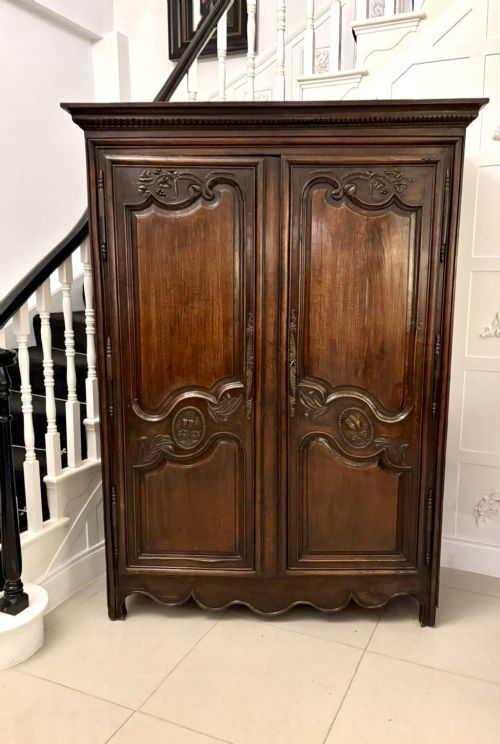
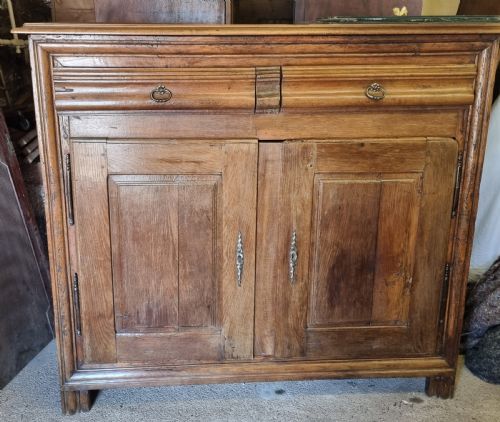
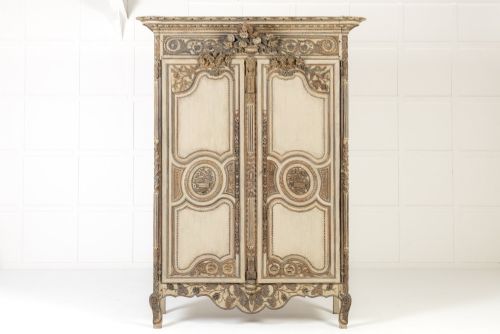
When you search for a french oak armoire, you encounter robust storage furniture originating from various regions of France, spanning centuries of cabinet making. These pieces range from simple single-door cupboards and regional food stores to grand double and triple wardrobes designed for domestic utility.
The most common examples on this page date from the 18th and 19th centuries, often displaying regional characteristics such as French Provincial or Louis XV styles. Buyers frequently select these large wooden cabinets to anchor a bedroom or hallway, using them for clothes, linen, or display purposes.
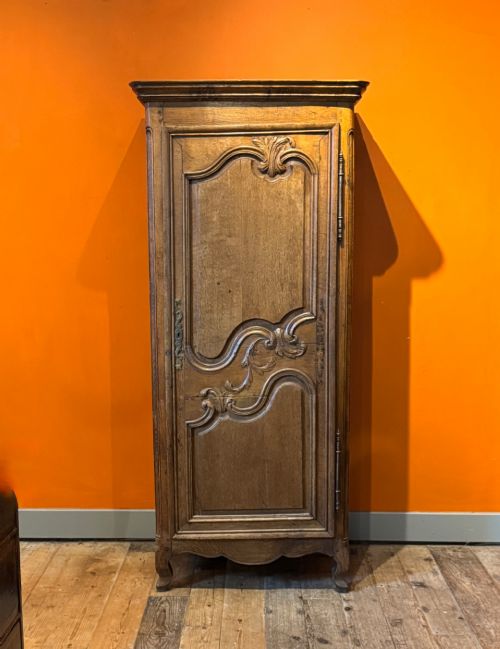
Pieces frequently appear under related historical descriptions like house maid cupboards, bonnetieres, vitrines, and lit-clos beds converted into cabinets. Each variant reflects the domestic needs of historic rural households, adapted over time into practical storage solutions for contemporary homes.
Construction and Materials
Cabinet makers built these wardrobes predominantly using solid oak, sometimes supplemented with fruit wood, chestnut, or walnut depending on the local timber supply. Iron and brass hardware, including wrought iron hinges and locks, secured heavy panelled doors and supported the structural framework.
Joinery relied on traditional panelled construction methods designed to accommodate timber movement through seasonal humidity changes. Surfaces occasionally received coats of paint or lime washes, while later pieces from the early 20th century exhibit modern bleaching techniques applied to historic wood.
French Oak Armoire Retail Price Guide 2026
Typical asking prices for french oak armoire among the pieces listed under this phrase on Sellingantiques today, from the lower quarter to the upper quarter. They describe what is for sale here now, not the wider market.
Regional French styles represented include Louis XV, French Provincial, Breton folk art, and Flamboyant Gothic traditions.
Defining Quality in Historic Cabinetry
Quality rests primarily in the depth and crispness of the hand carving, the thickness of the solid oak panels, and the integrity of the original joints. Superior examples maintain balanced proportions and symmetrical grain patterns across large double or triple door facades.
The presence of original wrought iron or brass mounts and functional historic locking mechanisms elevates a piece. Alterations made to convert enclosed beds or food cupboards into modern hanging wardrobes influence the authenticity of the interior configuration.
The French Oak Armoire Glossary
- Bonnetiere
- A narrow single-door cupboard traditionally used for storing hats and linen. These tall, slender pieces suit smaller rooms.
- Vitrine
- A glass-fronted display cabinet designed for china and collectables. They often form the upper section of a two-piece commode.
- Lit-clos
- An enclosed box bed from Brittany featuring wooden panels and doors. These structures frequently find new life as converted cabinets.
- Buffet de Corps
- A large two-stage sideboard or cupboard featuring an upper and lower cabinet section. They represent heavier regional French storage furniture.
- Flamboyant Gothic
- A late medieval architectural style characterised by flame-like tracery patterns. Cabinets from this era display intricate pointed arches.
French Oak Armoire: Frequently Asked Questions
What is a bonnetiere?
A bonnetiere is a tall, narrow single-door cupboard originally built to store hats, bonnets, and folded linens in French homes.
Today, their compact footprint makes them popular for clothing storage in bedrooms with limited floor space.
How do I tell an 18th century armoire from a 19th century one?
Eighteenth century pieces generally exhibit hand-cut pegged joinery, softer patination on the oak, and asymmetrical provincial carving styles. Nineteenth century versions often display heavier mechanical uniformity and crisper, deeper regional ornamentation.
Examining the interior panels and rear boards reveals clues about tool marks and construction eras.
Can these wardrobes be dismantled?
Many traditional French wardrobes utilise knock-down construction with wooden pegs and interlocking sections to facilitate transport. Flat pack designs from the 19th century and earlier allowed large furniture to move between rural properties.
Checking the assembly method ensures safe relocation into modern rooms.
How do I clean bleached oak?
Bleached oak surfaces require gentle dusting with a dry cloth to prevent moisture damage and preserve the pale finish. Avoid silicone-based polishes that seal the wood grain and alter the matte appearance.
Applying occasional natural wax protects the timber while maintaining its historic texture.