


Carved Panel Armoire
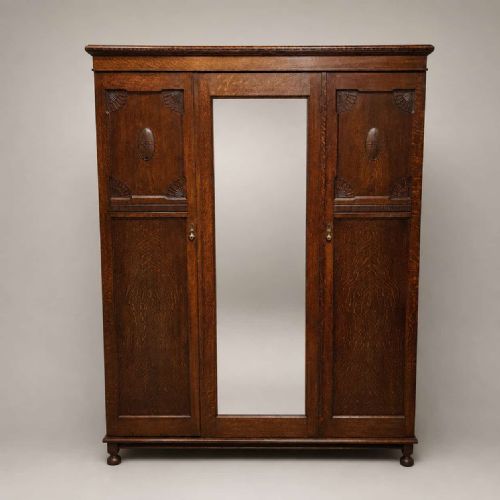
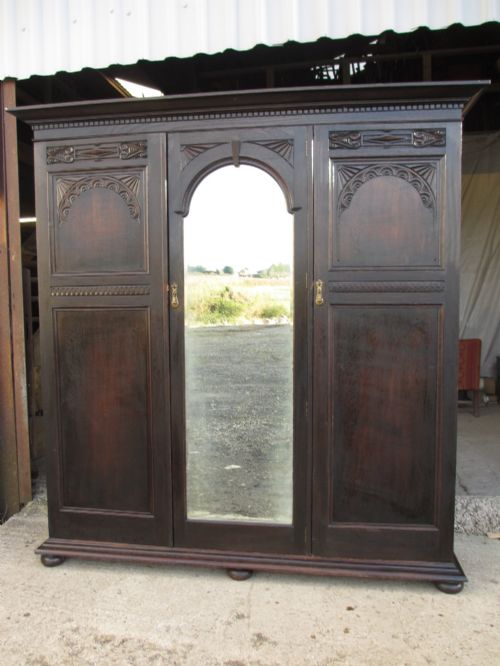
A carved panel armoire brings substantial storage and deep historical texture into a room through panelled wooden construction.
Carved Panel Armoire
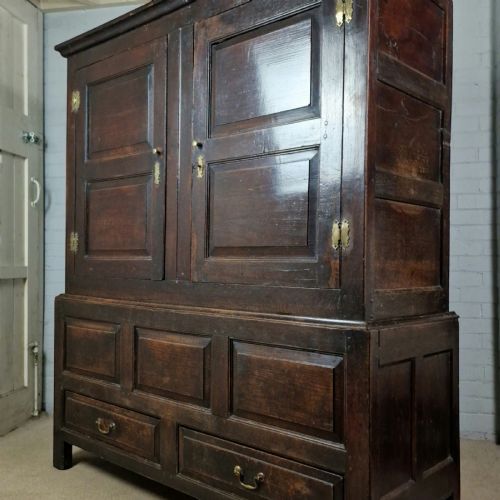
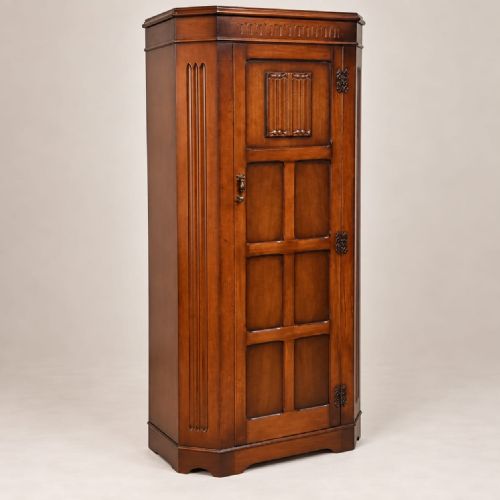
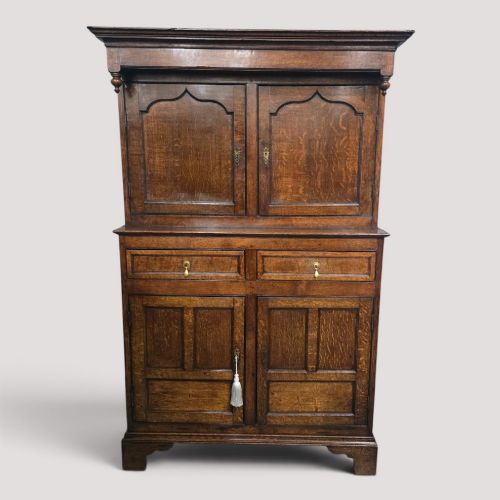
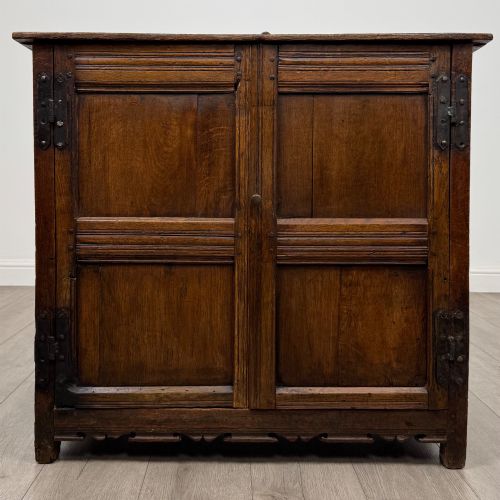
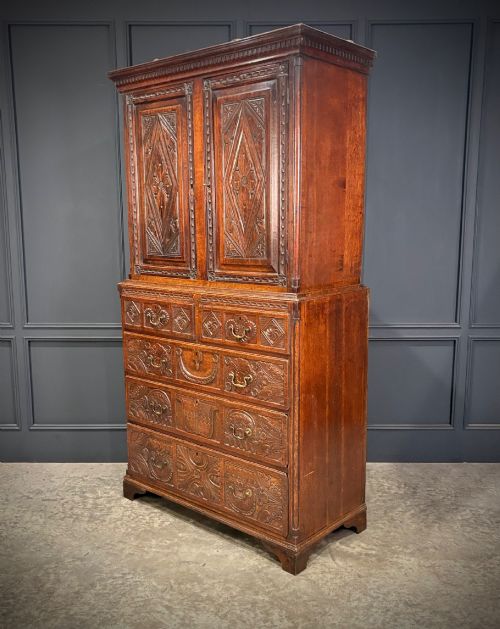
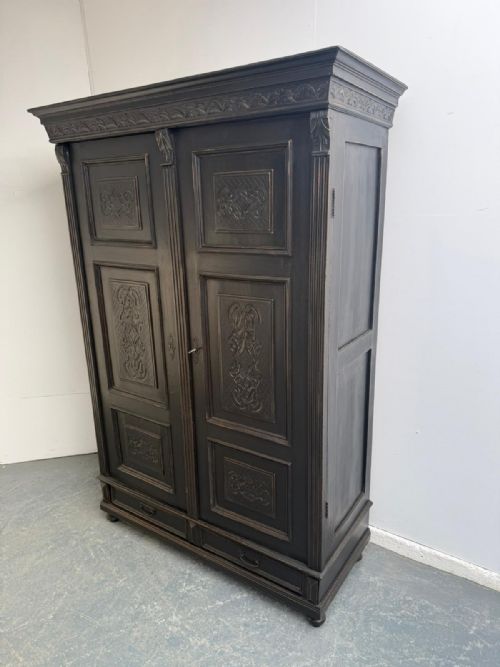
A carved panel armoire encompasses large storage furniture such as wardrobes, linen presses, court cupboards, and cabinets designed with panelled construction. When you search for a carved panel armoire, you encounter substantial timber furniture built to house garments, linen, and household stores.
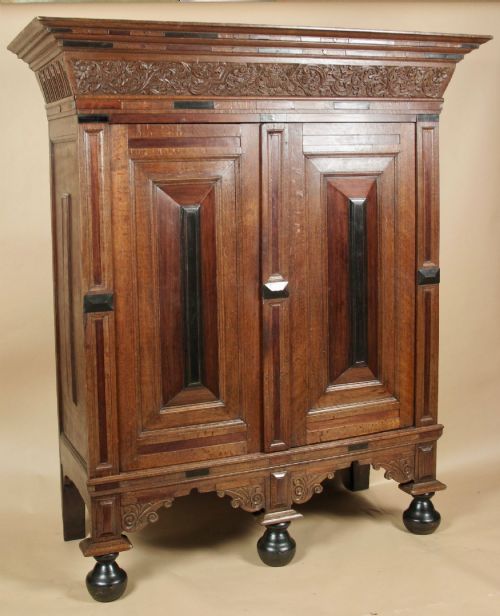
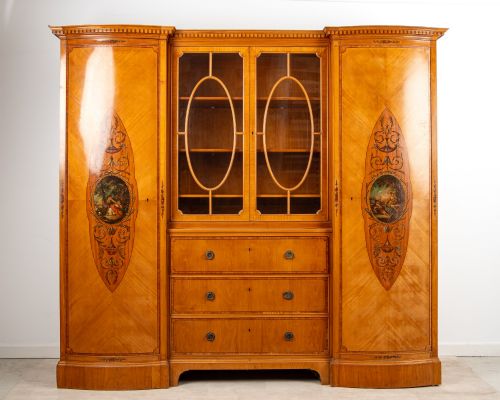
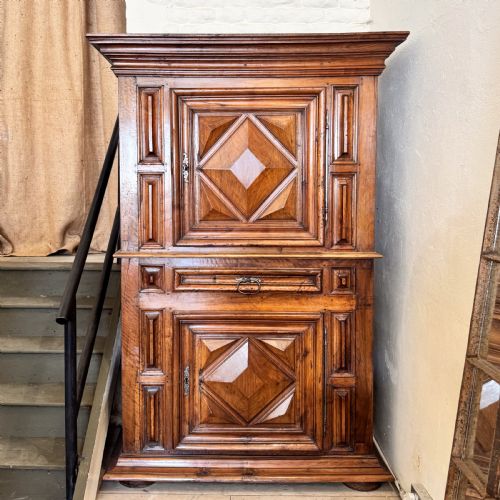
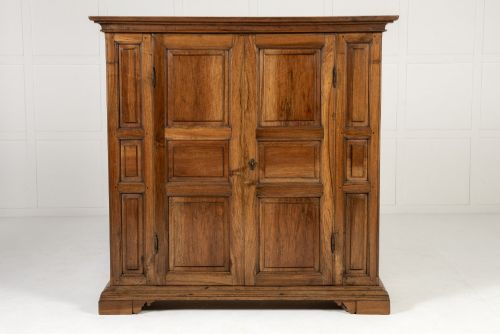
The pieces appearing on this page span several centuries, reaching from the 17th century through the Georgian and Victorian eras up to Edwardian pieces and 1920s wardrobes. Forms range from Dutch kasten and Italian cabinets to English hall wardrobes, housekeeper cupboards, and French armoires.
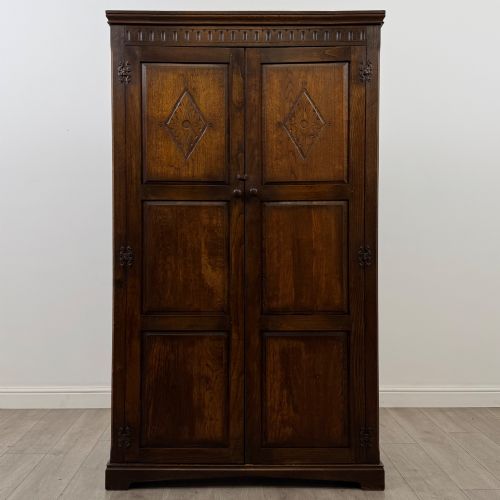
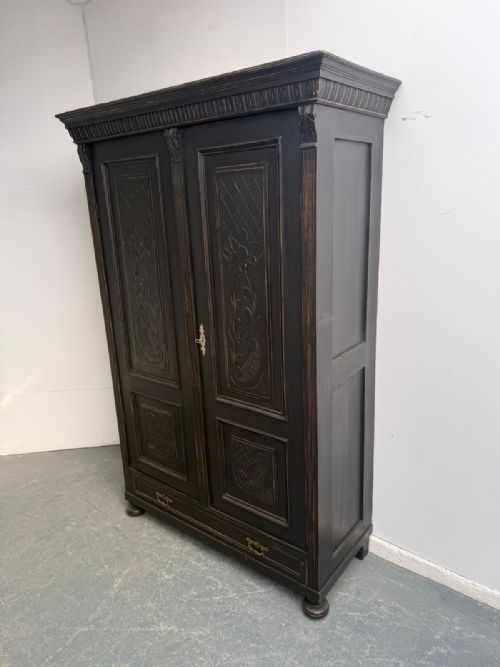
Oak dominates the selection, joined by walnut, mahogany, ash, pine, cherrywood, rosewood, and ebony. Many examples feature carved decoration on their doors, frames, and panels, matching styles from Jacobean Revival and Renaissance Revival to French Provincial and Italian Baroque.
How they were made
Cabinet makers constructed these large storage pieces predominantly using solid timbers like oak, walnut, and mahogany, often framing panels with mortise and tenon joints to allow the wood to move with humidity. Secondary woods and decorative veneers such as rosewood, ebony, and satinwood appear on specific regional pieces, whilst brass and iron provide structural hinges, locks, and handles.
Carving was executed directly into the solid timber doors and structural framing, varying from deep geometric relief work on 17th-century Dutch kasten to fluid floral and scroll motifs on Italian cabinets and French armoires. Surface finishes range from natural waxed oak and polished walnut to hand-painted treatments found on Hungarian and French examples.
Listings feature timbers including oak, walnut, mahogany, rosewood, ebony, and satinwood across multiple centuries.
What varies in quality
The distinction between standard storage and exceptional cabinet work rests in the depth and crispness of the carved panels and the selection of figured timbers like burr walnut or quarter-sawn oak. Superior proportion, balanced symmetry, and original iron or brass hardware elevate certain cupboards and wardrobes above ordinary utility pieces.
Construction methods also dictate standing, as fully panelled carcases with integrated drawer configurations, such as compactums and combination wardrobes, demand more sophisticated joinery than simpler boarded constructions. The integration of painted panels, inlay work, and secondary fruitwoods distinguishes specialised regional workshops from standard production.
The Carved Panel Armoire Glossary
- Armoire
- A large wardrobe or cupboard, traditionally of French origin, used for hanging garments and storing linens.
- Kast
- A large Dutch or Flemish wardrobe or linen cupboard, typically featuring heavy mouldings and substantial panelled doors.
- Compactum
- A fitted multi-section wardrobe combining hanging space, drawers, and shelving within a single piece of furniture.
- Livery cupboard
- An early form of cupboard used for storing food, wine, or clothing, often featuring panelled doors for ventilation.
- Court cupboard
- A traditional English sideboard or short cupboard with upper and lower tiers, common in the Georgian and earlier periods.
Carved Panel Armoire: Frequently Asked Questions
What is the difference between an armoire and a wardrobe?
An armoire is traditionally a large cupboard with French origins, whilst a wardrobe specifically emphasises hanging space for garments.
Both terms describe substantial freestanding furniture designed to organise clothing and household goods behind panelled doors.
How do I care for antique oak furniture?
Keep wooden pieces away from direct heat sources and dramatic humidity fluctuations to prevent the timber from splitting.
Apply a traditional beeswax polish occasionally to nourish the grain and maintain the natural lustre of the surface.
What periods do these storage pieces cover?
The available pieces span from the 17th century through the Georgian, Victorian, and Edwardian eras up to the 1920s.
Earlier examples often display regional European characteristics like Dutch kasten or Italian Baroque carving, while later pieces reflect English country and revival styles.
Can these large cabinets be dismantled for moving?
Many larger wardrobes and armoires were constructed to be taken apart into sections for transport and installation in upper rooms.
Checking the internal joints and panel construction reveals whether a specific piece uses pegged joints or modern fixings.