
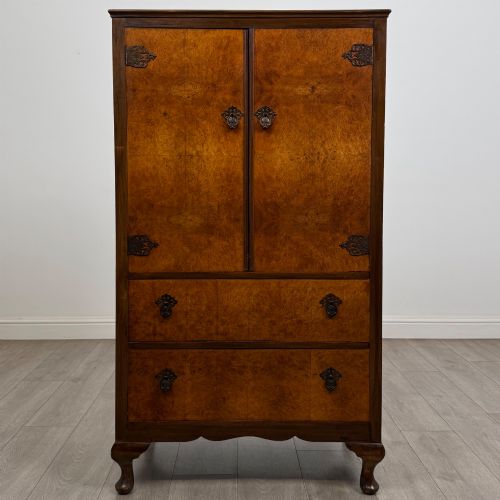
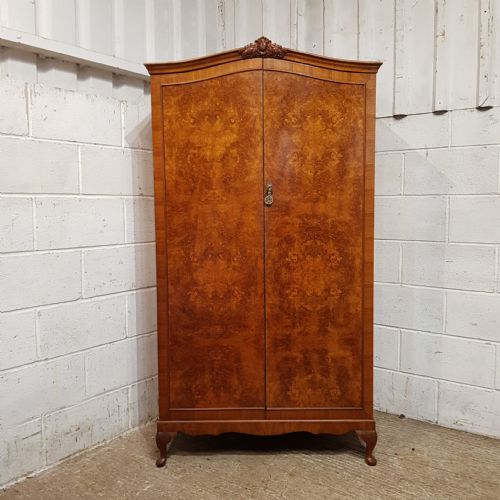
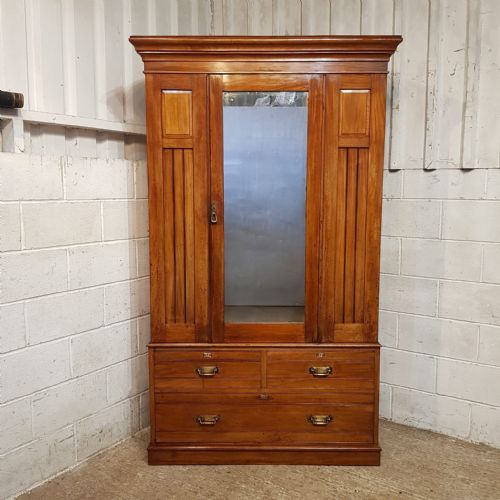
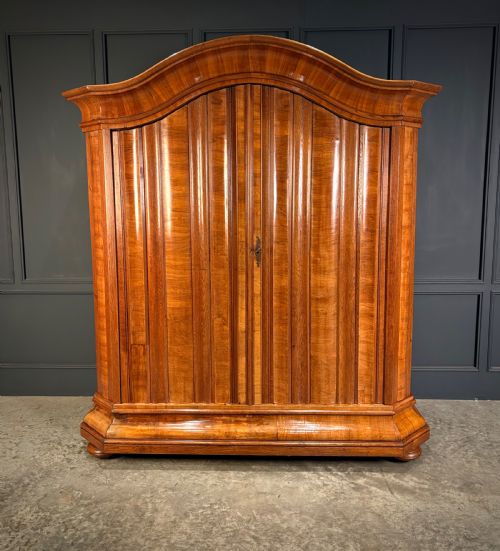
Walnut Clothes Cupboard
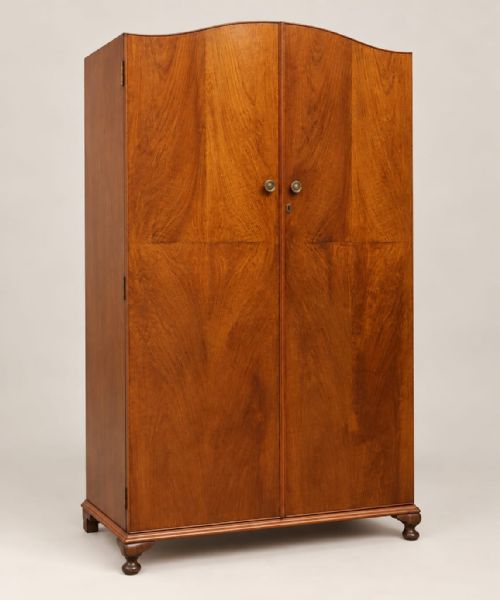
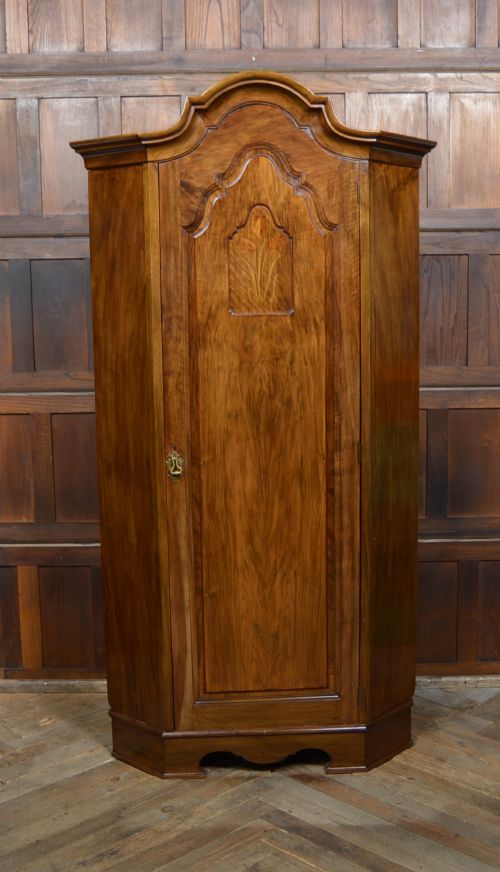
A walnut clothes cupboard provides generous bedroom storage while displaying rich, figured grain across large timber panels.
Walnut Clothes Cupboard
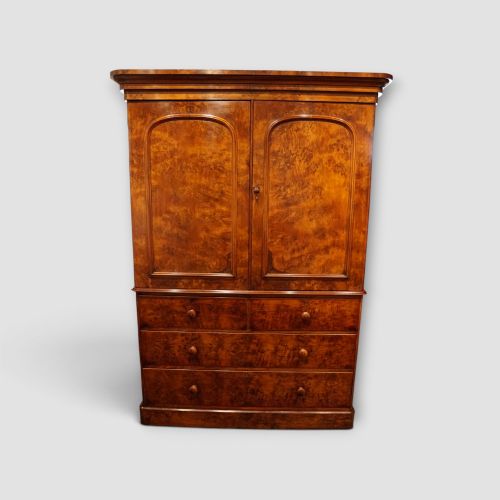
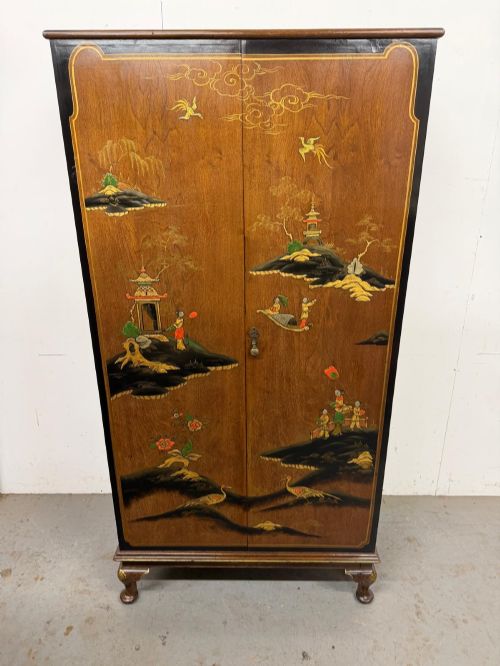
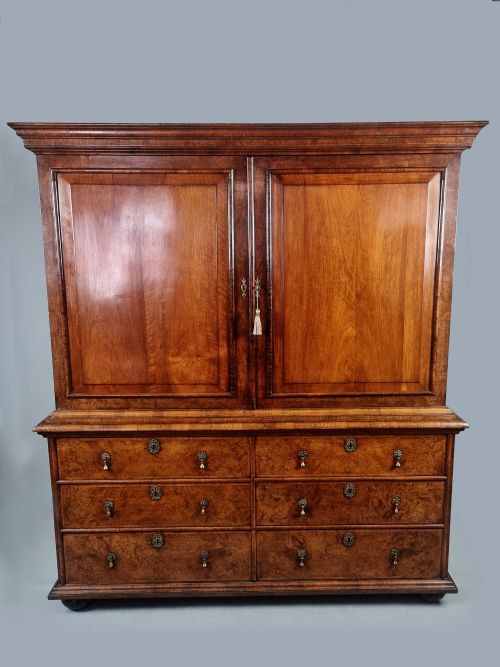
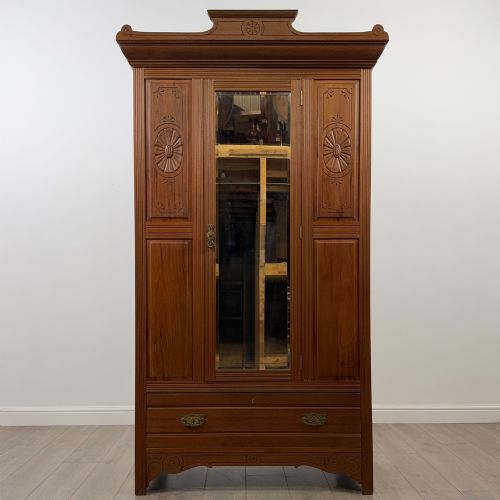
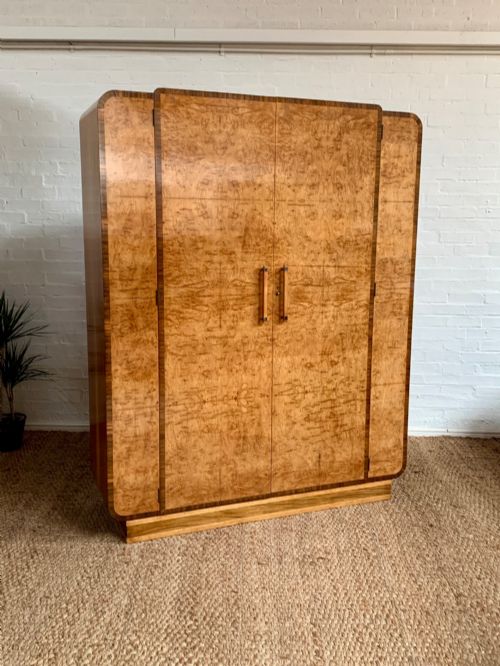
A walnut clothes cupboard encompasses several large storage forms, including wardrobes, armoires, linen presses, and compactums designed to hold garments and linens. Buyers encounter pieces spanning multiple eras, from eighteenth-century press cupboards to nineteenth-century Victorian wardrobes and twentieth-century Art Deco designs.
Materials and Construction
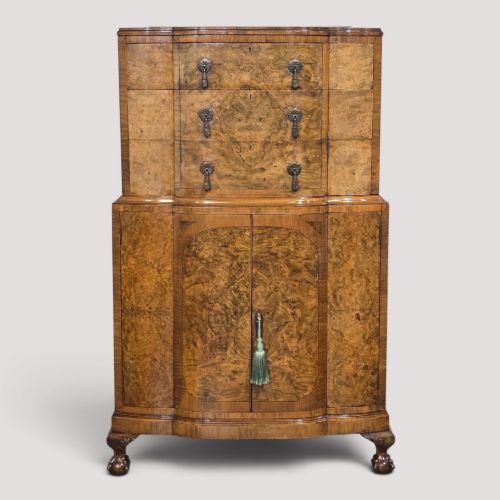
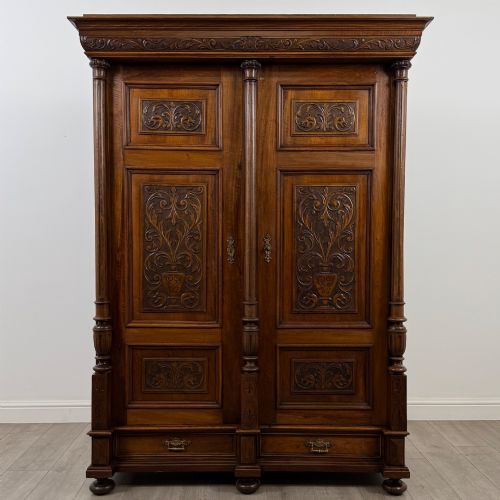
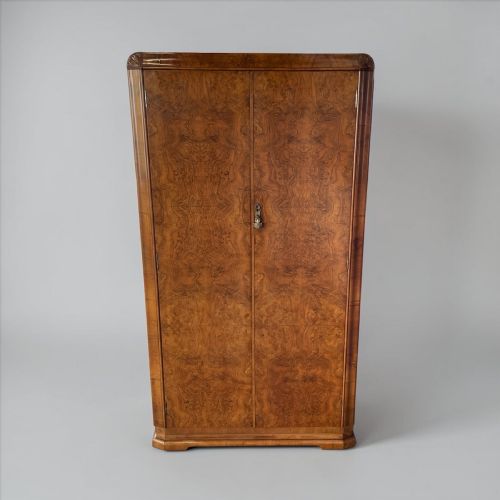
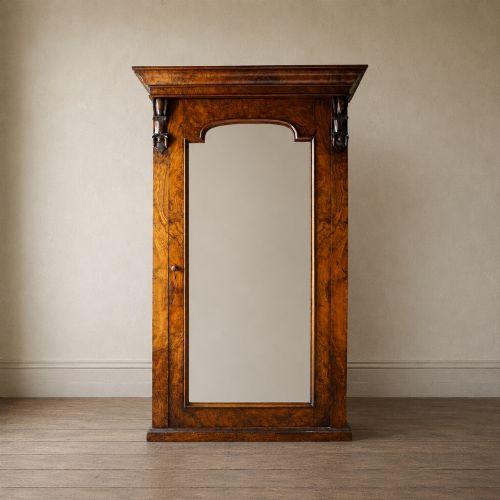
Cabinet makers utilised solid walnut alongside decorative burr walnut and walnut veneer to create striking grain patterns on the main facades. Secondary timbers such as oak support the internal structure, while brass hardware, glass mirrors, and occasional ormolu mounts complete the assembly.
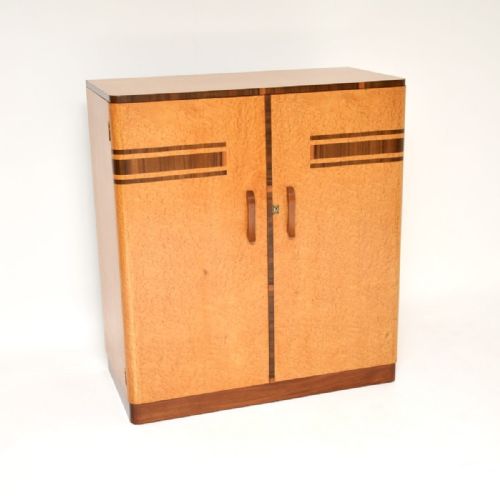
Surface ornamentation ranges from carved details and Dutch marquetry to the geometric waterfall and cloud veneers characteristic of the Art Deco period. Older pieces often employ traditional panel construction, whereas later examples incorporate fitted interior compartments and bakelite elements.
Listings span from the early eighteenth century through to Art Deco designs of the 1930s, using walnut, burr walnut, and oak.
Evaluating the Pieces
Quality rests primarily in the selection of the timber veneer, where deeply figured burr walnut or matched grain patterns distinguish superior examples from plain surfaces. The skill of the cabinet maker shows in the precise alignment of doors, the crispness of any carved decoration, and the integrity of internal fittings like sliding trays and drawers.
The condition of the timber, the originality of the brass or ormolu mounts, and the structural stability of heavy carcasses influence the standing of an individual wardrobe. Pieces retaining their original mirrors, keys, and internal partitions hold greater fidelity to their period of manufacture.
Harry and Lou Epstein
The Walnut Clothes Cupboard Glossary
- Burr walnut
- A type of wood veneer taken from the abnormal growth or burl of a walnut tree, prized for its swirling, highly figured patterns.
- Linen press
- A tall cupboard traditionally used for storing folded clothes and linens, often featuring sliding trays in the upper section and drawers below.
- Armoire
- A large wardrobe or cupboard, typically of continental European origin, featuring one or more large doors enclosing hanging space or shelves.
- Compactum
- A fitted wardrobe that combines hanging space with compartments, shelves, and internal drawers within a single carcass.
- Marquetry
- Decorative inlay work using pieces of veneer to form intricate patterns and pictures on the furniture surface.
Walnut Clothes Cupboard: Frequently Asked Questions
What is a compactum wardrobe?
A compactum wardrobe is a specialised storage piece designed to hold a wide variety of items by combining hanging space, internal drawers, and shelves within a single unit. These fitted interiors offer efficient organisation for smaller bedrooms.
They appear frequently in twentieth-century designs, particularly from the Art Deco period, offering practical division for different types of garments.
How do I date a walnut wardrobe?
Dating relies on examining the overall style, construction methods, and hardware characteristic of specific periods, from eighteenth-century carved panels to twentieth-century geometric veneers. Details such as bracket feet, cornice moulding, and the presence of mirrors offer clear chronological clues.
Comparing the internal timber and joining techniques helps distinguish Georgian and Victorian pieces from later Edwardian and Art Deco iterations.
Are these wardrobes easy to dismantle?
Many larger wardrobes and armoires from the nineteenth and twentieth centuries were constructed with knockdown frames to allow for easier transport and installation in homes. However, construction methods vary significantly between earlier solid timber presses and later veneered carcasses.
Checking the specific construction of cornice and base sections determines whether professional assistance is required for moving.
What is burr walnut?
Burr walnut is a specialised wood veneer harvested from the knotty growths on walnut trees, resulting in dense, swirling, and highly decorative grain patterns. Cabinet makers prized this material for accentuating the primary facades of grand cupboards and armoires.
Because of its striking visual impact, burr walnut was frequently used on the main doors of Victorian and twentieth-century luxury furniture.