


Vintage Standing Wardrobe
A vintage standing wardrobe brings enduring character to a bedroom, offering substantial storage crafted from rich woods across multiple eras.
Vintage Standing Wardrobe
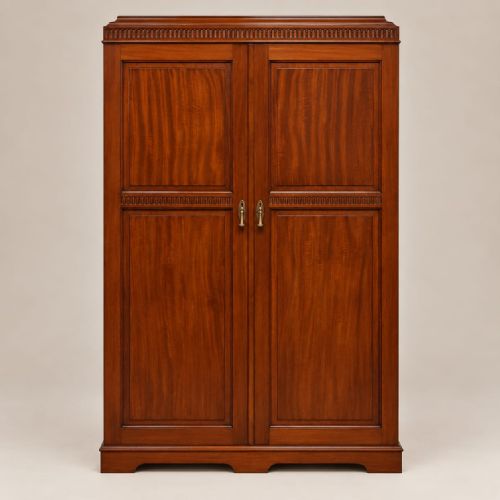
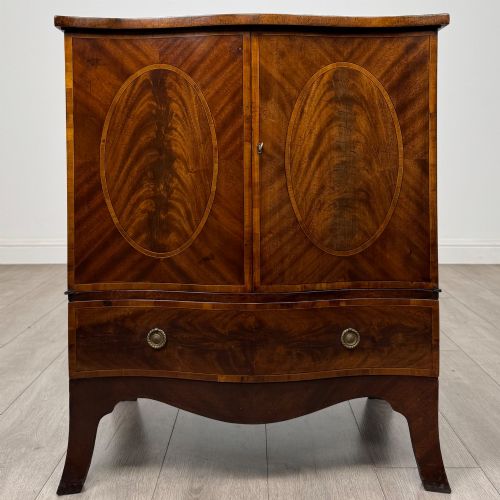
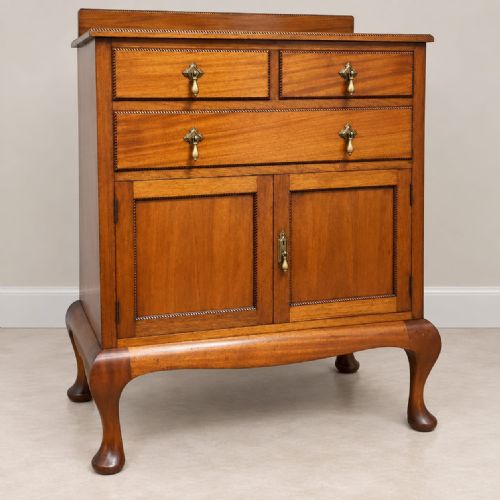
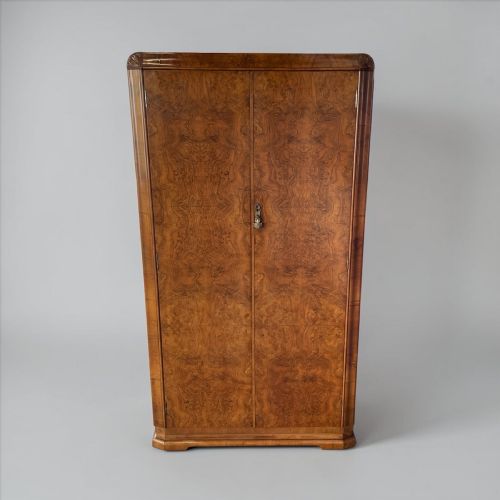
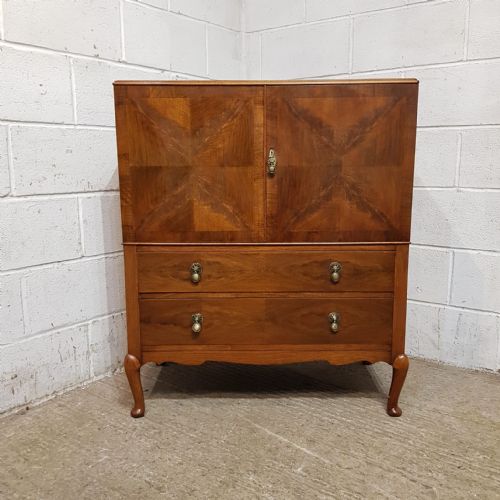
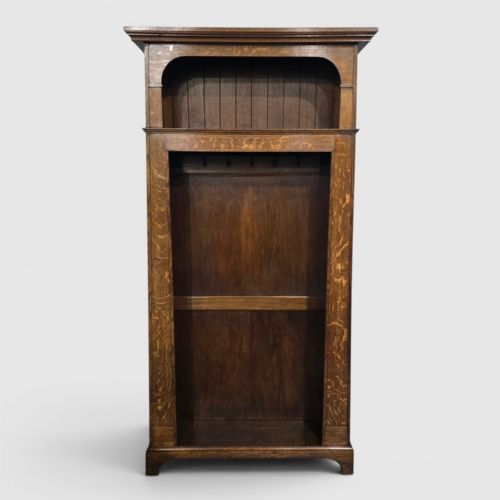
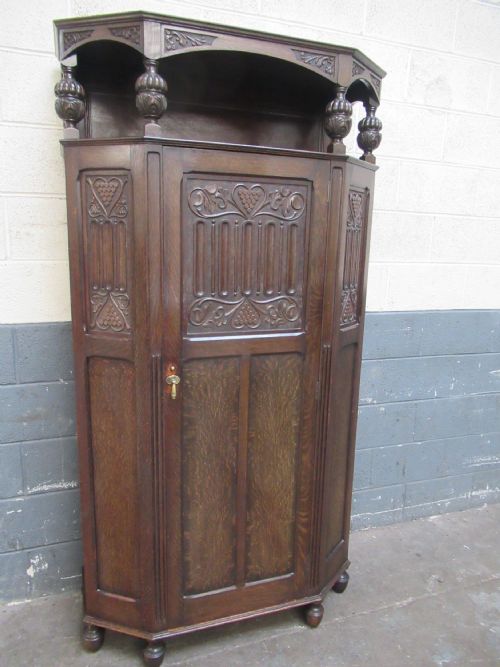
A vintage standing wardrobe encompasses tall storage furniture designed to hold garments and household linens upright, spanning tallboys, cupboards, and hanging hall robes. When exploring a vintage standing wardrobe, buyers encounter forms ranging from early oak examples to sleek Art Deco interpretations.
The pieces on this page draw from periods including the eighteenth, nineteenth, and twentieth centuries, alongside Edwardian and Art Deco movements. Oak and mahogany appear frequently, supplemented by pine, burr walnut, and painted surfaces.
Object types stretch from traditional wardrobes and armoires to tallboys, hall robes, and steamer trunks. Each piece provides vertical storage while displaying the distinct proportion and joinery of its period.
How they were made
Construction relies heavily on traditional timber framing, utilising solid oak, mahogany, and pine assembled with panelled doors and fitted interiors. Joinery methods reflect the period of origin, from early panelled construction to later veneered surfaces.
Finishing touches incorporate brass hardware, fine detailing, and occasionally painted finishes or canvas coverings on travel trunks. Cabinet makers shaped these woods using hand tools and specialised machinery as manufacturing methods evolved through the centuries.
Louis Vuitton stamped monogram trunks double as portable wardrobes, proving travellers in nineteen-ten packed with serious ambition.
What varies in quality
Quality rests on the selection of timber, such as figured mahogany or burr walnut, and the precision of the underlying joinery. Superior pieces maintain structural integrity in their panel work and doors while preserving original brass fittings.
Proportion and decorative detailing distinguish finer examples, whether through restrained Georgian lines or the characteristic geometry of Art Deco pieces. The handling of secondary woods and internal configuration also mark the distinction between standard utility furniture and master cabinet work.
The Vintage Standing Wardrobe Glossary
- Tallboy
- A tall chest of drawers standing on a base or lower chest, providing vertical storage for clothing. This form maximises floor space by building upwards.
- Serpentine
- A furniture front characterised by a curving line that bulges outward in the centre and recedes at the sides. This contour requires skilled woodworking.
- Panelling
- Framework constructed with fitted wooden panels set within grooves to accommodate natural timber movement. It provides strength and stability to large cabinet doors.
- Steamer trunk
- A reinforced piece of luggage designed for travel on ocean liners, often fitted with internal hanging space and drawers. These function as portable wardrobes.
- Veneer
- A thin layer of finely figured wood applied over a secondary timber base to create decorative surfaces. Burr walnut often appears in this format.
Vintage Standing Wardrobe: Frequently Asked Questions
How do I date a vintage standing wardrobe?
Dating relies on examining the timber species, construction methods, and hardware style. Earlier pieces utilise hand-cut joinery and native woods like oak, while twentieth-century examples incorporate machine production and exotic veneers.
Secondary characteristics such as lock mechanisms, drawer linings, and overall proportions help narrow down the decade or century of manufacture.
Are these wardrobes suitable for modern hangers?
Many older wardrobes were built with shallow depths designed for sideways hanging or simple shelving rather than modern bulky coat hangers. Buyers should verify internal depths before purchase if modern clothes hanging is required.
Some pieces function better for folded garments, linens, or require specialised slimline hangers to close the doors properly.
Can a standing wardrobe be dismantled for transport?
Some large wardrobes and tallboys feature knock-down construction designed for movement between rooms, while others remain solid glued units. Checking the construction reveals whether cornices and sides detach from the main base.
Professional antique transport is often recommended for solid or highly veneered pieces to prevent structural damage during transit.
What is the difference between a wardrobe and a tallboy?
A wardrobe primarily provides vertical hanging space behind doors for full-length garments and coats. A tallboy combines wardrobe hanging capacity or upper cupboards with a chest of drawers built into the lower section.
Both offer substantial vertical storage but serve slightly different organisational purposes within a bedroom or hallway.