


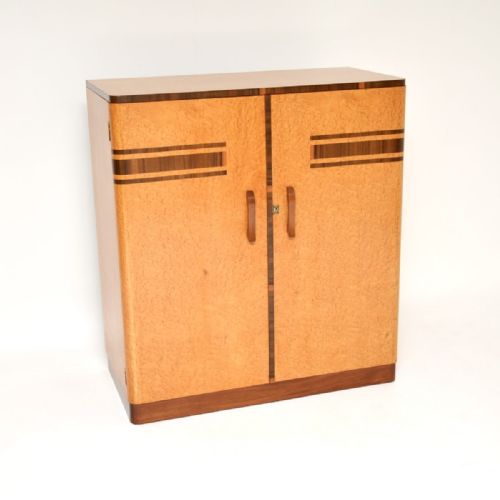

Vintage Walnut Linen Press
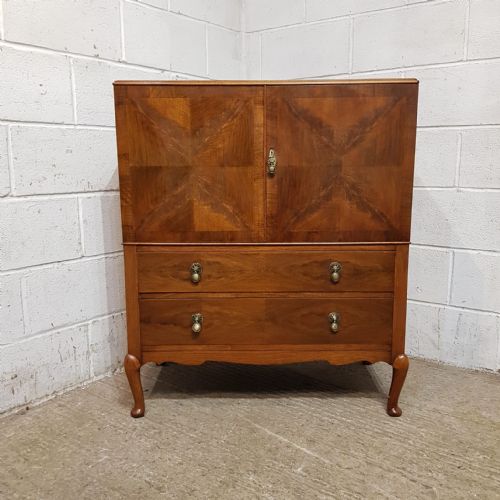
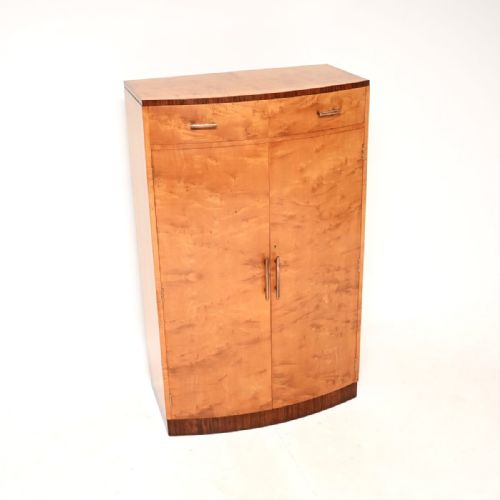
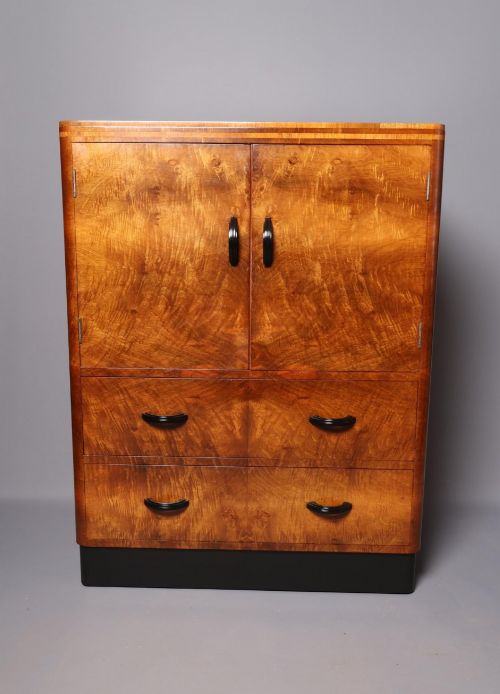
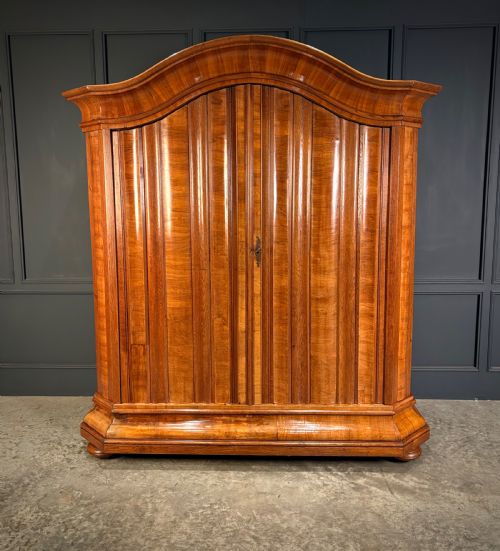
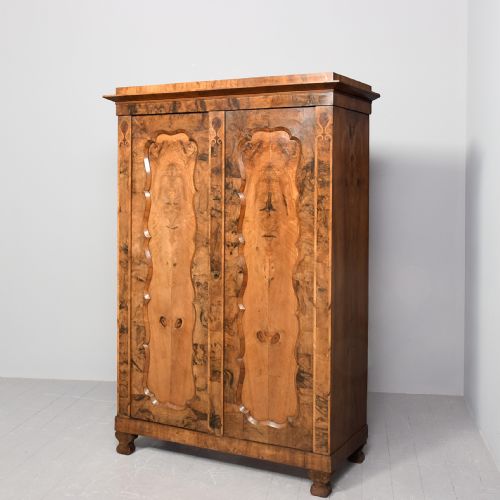
A vintage walnut linen press brings rich grain and practical scale to a room, offering deep storage behind stately panelled doors.
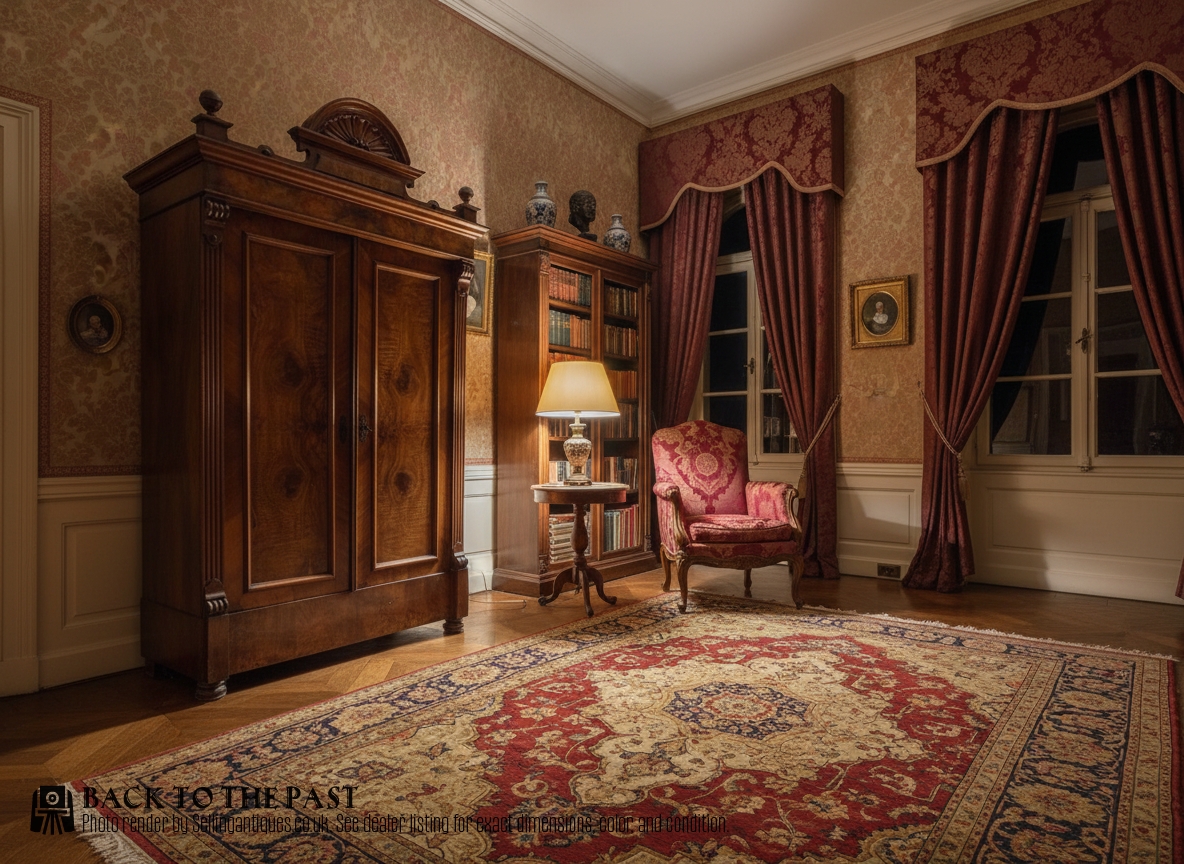
Vintage Walnut Linen Press
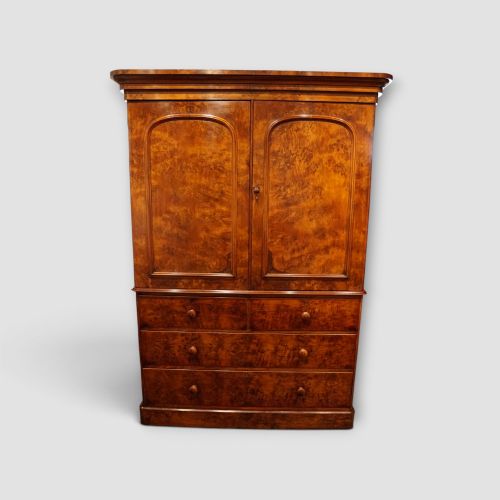
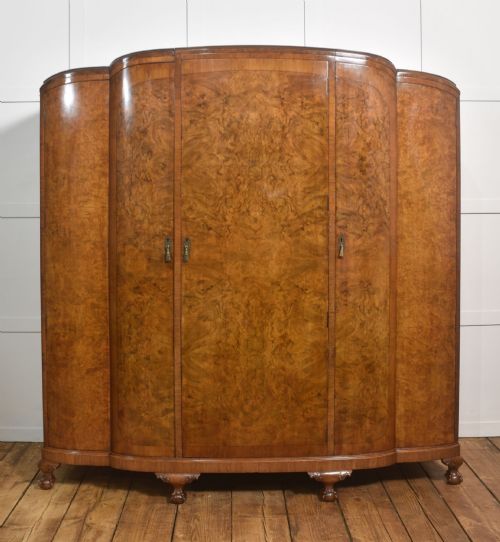
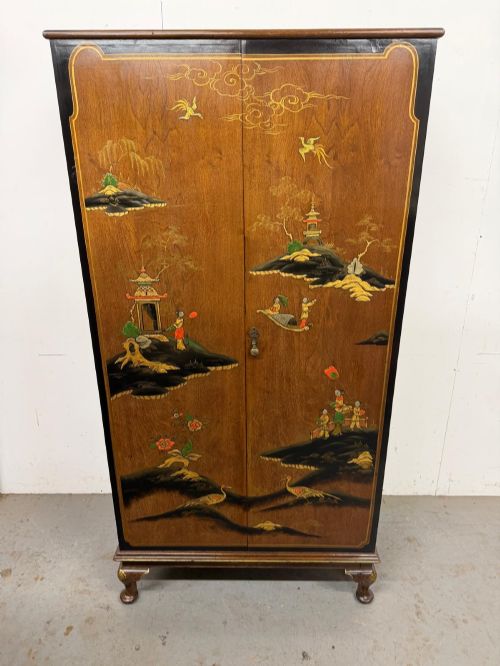
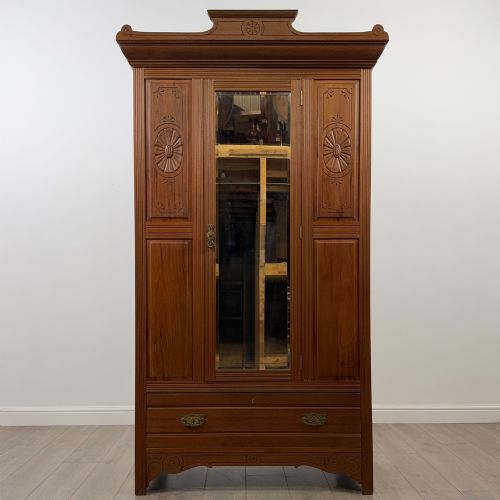
When you search for a vintage walnut linen press, you encounter large storage forms designed to hold household textiles and garments. The selection on this page ranges from 18th-century cabinets on chest to early 20th-century tallboys and compactum wardrobes, reflecting diverse historical periods.
You are most likely to meet pieces spanning the Victorian, Edwardian, and Art Deco eras alongside earlier centuries. These large items combine hanging space, internal shelving, and drawers in various configurations.
What varies in quality
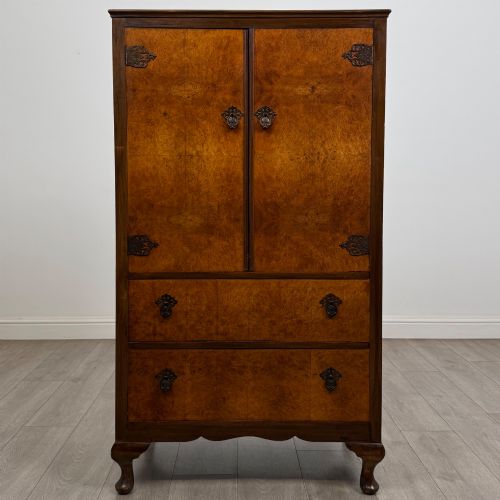
The standard of a piece rests upon the selection and matching of the timber grain across the visible surfaces. Highly figured burr walnut and symmetrical veneers distinguish the finer examples from plain or straight-grained alternatives.
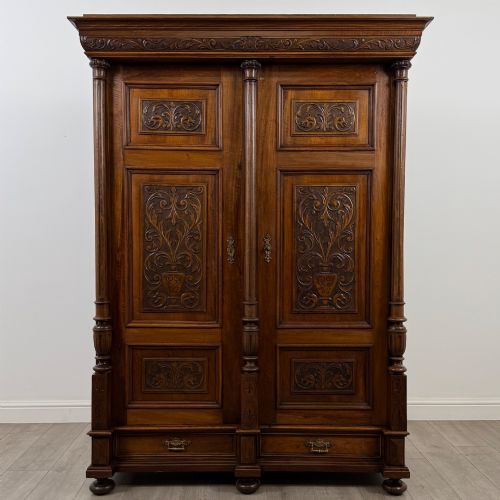
Depth of carving, precision of parquetry, and the integration of secondary woods dictate the standing of an item. Maker attribution also separates standard commercial production from workshop pieces bearing distinct stylistic conviction.
Materials recorded across the inventory include solid walnut, burr walnut veneer, oak, brass, glass, and bakelite.
Heal's·Mercier·Whytock & Reid of Edinburgh
The Vintage Walnut Linen Press Glossary
- Burr walnut
- A veneer taken from the knotted growth of a walnut tree, showing swirling patterns. This material is prized for decorative furniture fronts.
- Compactum
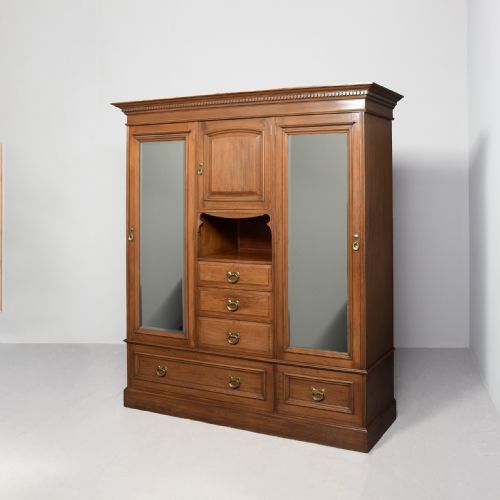
- A multi-compartment wardrobe designed to maximise storage through internal drawers, shelves, and hanging space. It appears frequently in Art Deco and Edwardian designs.
- Cabinet on chest
- A tall storage form comprising an upper cabinet section resting upon a lower chest of drawers. Examples date from the 17th century through the early 20th century.
- Marquetry
- The art of applying pieces of veneer to a structure to form decorative patterns or pictures. Dutch makers used this technique extensively on wardrobes.
- Tallboy
- A vertical storage piece combining a chest of drawers with an upper section. These items save floor space while offering substantial internal capacity.
Vintage Walnut Linen Press: Frequently Asked Questions
What is a compactum wardrobe?
A compactum is a multi-functional wardrobe designed to house various garments and accessories within a single footprint. It typically incorporates hanging sections alongside dedicated drawers and shelving.
These pieces emerged strongly during the Edwardian and Art Deco periods to streamline bedroom storage. They suit modern rooms where space is at a premium.
How do I date a walnut cabinet?
Dating relies on observing stylistic markers, construction methods, and hardware types. Art Deco examples from the 1930s show geometric lines and figured veneers, whereas Victorian pieces display heavier mouldings.
Earlier items from the 18th century reveal different carcass construction and joinery techniques. Comparing the secondary timbers inside helps confirm the era.
Where were these wardrobes made?
The selection includes pieces from British, French, Dutch, and North European workshops. Regional preferences shaped whether a piece took the form of a Breton armoire or a British tallboy.
Continental pieces often feature heavier carved detailing, while British and Art Deco examples focus on clean veneer patterns.
How do I care for walnut veneer?
Walnut surfaces require protection from direct sunlight and excessive humidity to prevent the veneer from lifting. Regular dusting with a soft cloth maintains the finish.
Avoid placing these items near direct heat sources. Periodic application of suitable wax preserves the lustre of the timber.