




French Chateau Tapestry
These french chateau tapestry pieces bring centuries of woven textile art and period seating into your interior.
French Chateau Tapestry
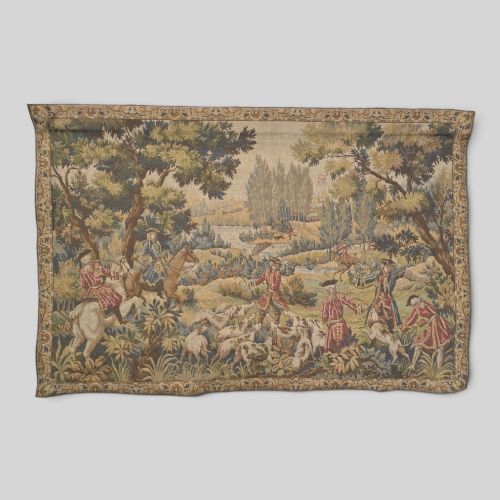
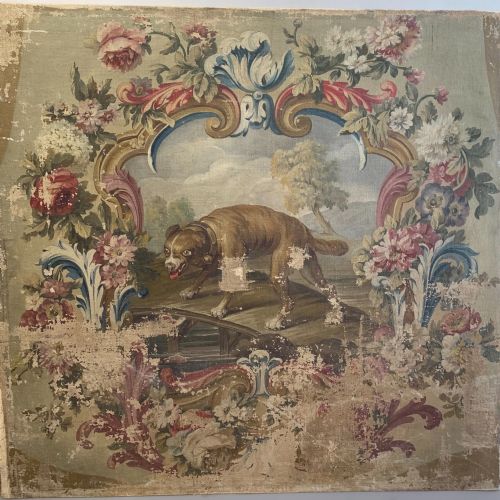
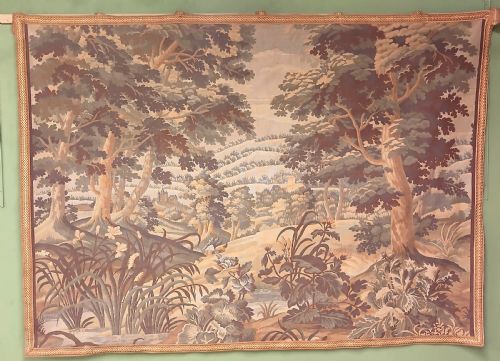
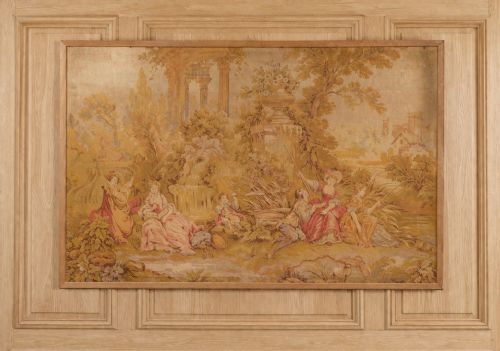
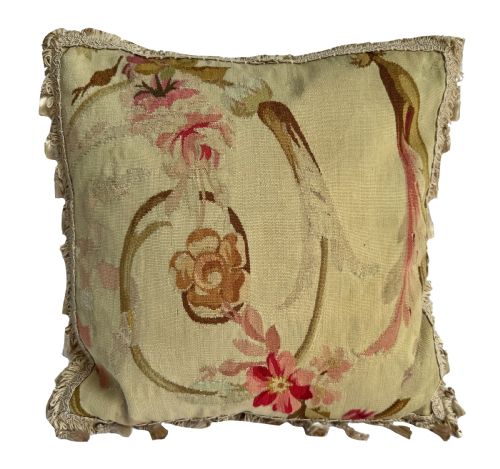
When you search for french chateau tapestry, you encounter a selection of woven wall hangings, decorative panels, and period seating upholstered in needlework and tapestry. The selection includes large framed woven tapestry panels alongside smaller cushion covers and textile art.
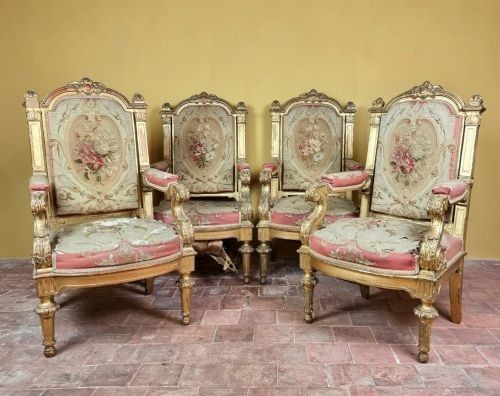
The objects span from the seventeenth century through to the early twentieth century, capturing distinct historical aesthetics. Alongside wall tapestries, you find armchairs, settees, and footstools that carry matching textile upholstery.
Originating predominantly from French workshops and country houses, these items reflect historical interior schemes. The most common forms on this page combine textile panels with giltwood, painted wood, or carved chair frames.
What varies in quality
The density and fineness of the weave separate standard textile panels from superior examples. Tighter thread counts allow for greater detail in facial expressions, foliage, and architectural backgrounds within the tapestry design.
The crispness of the carving on wooden frames and the preservation of original gilding or paint layers determine the merit of chairs and settees. Frames that retain their original structural integrity and authentic upholstery alignment hold distinct advantages.
Several armchairs still wear their original needlework as though waiting for an eighteenth-century afternoon nap.
The French Chateau Tapestry Glossary
- Aubusson
- A town in France renowned for its tapestry production. Pieces originating from here typically feature pastoral scenes or floral motifs.
- Giltwood
- Wood that has been coated with gold leaf or a gold-coloured substance. It appears frequently on eighteenth and nineteenth-century furniture frames.
- Needlework
- Stitches applied to a canvas or fabric ground using yarn or thread. It differs from woven tapestry by being worked onto an existing mesh base.
- Canape
- An antique settee or sofa featuring an upholstered seat and back. These pieces often coordinate with matching sets of armchairs.
French Chateau Tapestry: Frequently Asked Questions
How do I hang a large wall tapestry?
Large woven panels require a concealed wooden batten or sleeve attached to the reverse top edge. This distributes the weight evenly across the wall without straining the historical fibres.
Keep textiles away from direct sunlight and damp walls to preserve the natural wool and silk threads over time.
Were tapestry cushions made from fragments?
Many smaller cushion covers and decorative pieces were created using salvaged sections of larger, damaged historical tapestries. This practice rescued surviving woven imagery and integrated it into functional home items.
Examining the edges reveals whether a piece is an intact small-scale weaving or a repurposed panel.
How do I care for antique needlework upholstery?
Gentle vacuuming with a low suction setting through a mesh screen helps remove dust from wool and cotton surfaces. Avoid chemical cleaners and professional steam cleaning which can damage aged fibres.
Professional textile conservation remains the safest route for treating structural weakness or deep staining in antique cushions and chairs.
What is the difference between tapestry and needlework?
Tapestries are created on a loom by interlacing warp and weft threads together to form both the structure and the picture simultaneously. Needlework is stitched by hand onto an existing woven fabric foundation.
Both techniques appear across French furniture and wall hangings from the seventeenth century onward.