
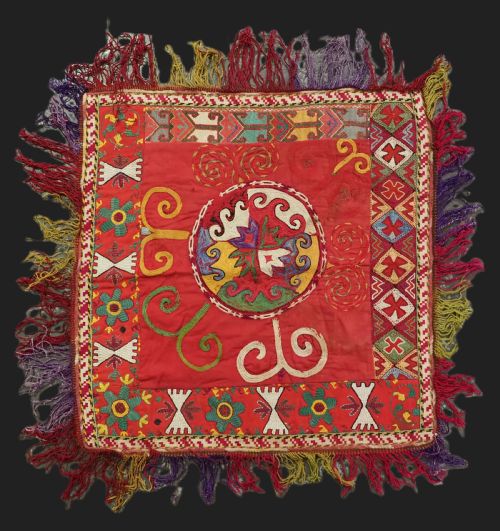


Multicolour Tapestry Wall Hanging
These multicolour tapestry wall hanging pieces bring rich textiles, embroideries and needlework panels from various centuries directly to your interior.
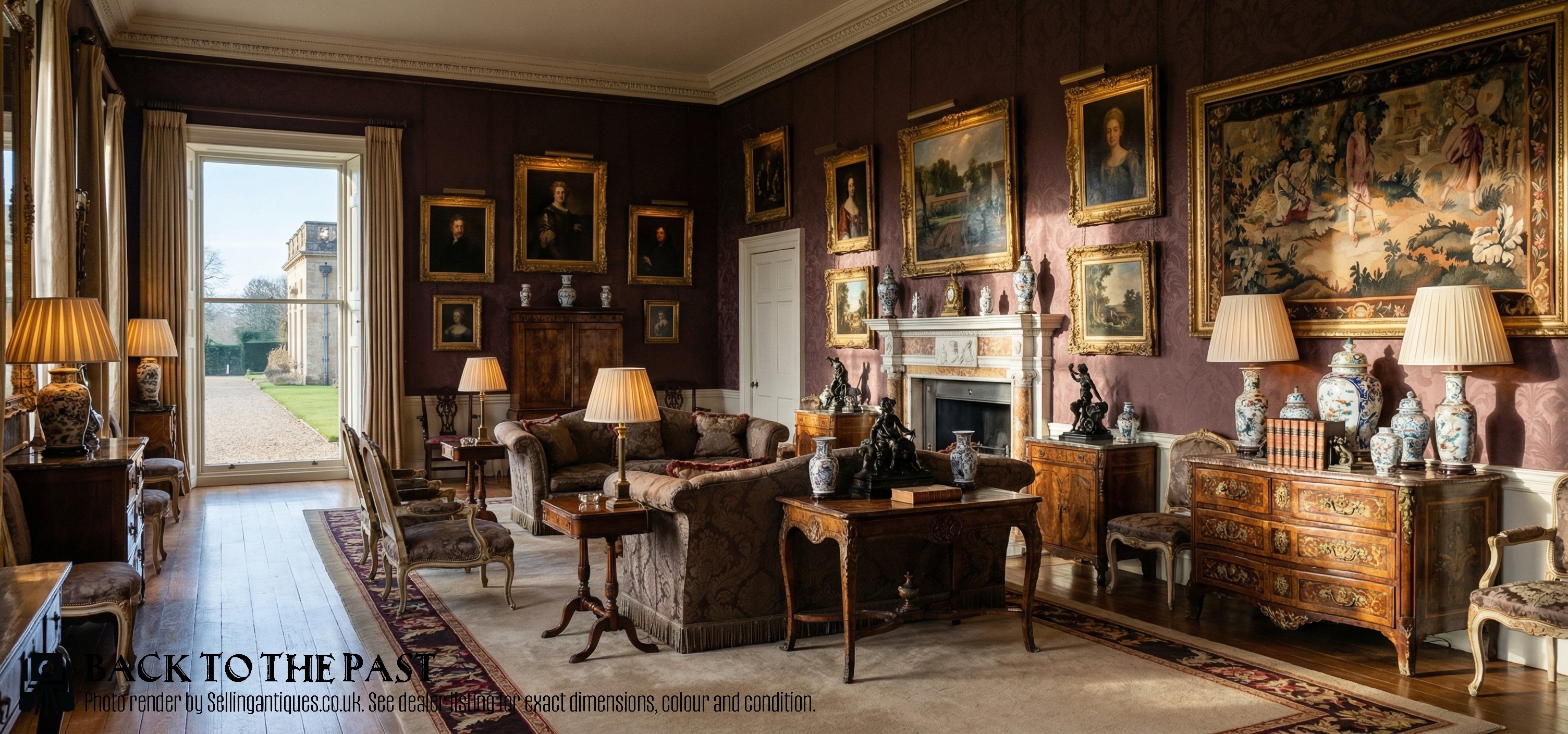
Multicolour Tapestry Wall Hanging
When you search for a multicolour tapestry wall hanging, you encounter a varied selection of textiles spanning several centuries and distinct global traditions. The assortment includes French needlework panels, Central Asian tribal embroideries, Persian block-printed cloths and European tapestry cushions.
You are most likely to meet pieces originating from French chateaux, Persian workshops and Uzbek tribal communities. The forms range from large wall tapestries and textile art to ceremonial horse covers and dowry embroideries adapted for display.
The materials and aesthetic styles shift markedly between these origins, encompassing 17th-century baroque compositions alongside Central Asian tribal motifs. Each item offers a distinct slice of historical textile craftsmanship suited for vertical display.
How they were made
The construction of these textiles relies upon natural fibres such as wool, cotton and silk, frequently combined with backing materials like canvas, felt, leather and velvet. Artisans utilised intricate needlework, embroidery and applique techniques to build up dense patterns.
Block printing and painting also appear within Persian textiles, demonstrating alternative methods of applying rich pigments to fabric bases. Wood elements occasionally support or frame these historic panels.
The juxtaposition of silk and felt applique work creates tactile depth within specific Persian and Central Asian pieces, whilst European works depend upon tight needlepoint stitches.
Several textiles began their lives functioning as ceremonial horse covers and dowry pieces before finding new purpose on living room walls.
What varies in quality
The distinction between standard and superior pieces rests upon the fineness of the stitchwork and the complexity of the design. Dense, even needlework and precise applique demonstrate greater maker skill than looser, simpler executions.
Material selection also dictates the grade of the textile, with high-grade silks and fine wools retaining their structural integrity and visual punch far better over the centuries. The complexity of the chromatic palette and the preservation of the original dyestuffs further elevate particular examples above simpler counterparts.
The Multicolour Tapestry Wall Hanging Glossary
- Applique
- A decorative needlework technique in which smaller pieces of fabric are sewn onto a larger foundation cloth to form a picture or pattern. This method adds significant texture and layering to textile art.
- Needlework
- General term for any work executed with a needle, encompassing embroidery and tapestry work. It forms the primary structural basis for many historical wall panels.
- Suzani
- A type of embroidered and decorative tribal textile made in Tajikistan, Uzbekistan and other Central Asian nations. These pieces frequently feature bold floral or geometric motifs.
- Aubusson
- A style of tapestry originating from the French town of the same name, known for pictorial scenes and floral designs. These works reflect classical European interior aesthetics.
- Qajar
- Pertaining to the Iranian royal dynasty that ruled from the late eighteenth century to the early twentieth century, noted for distinctive printed and painted textiles. This period produced rich visual arts.
Multicolour Tapestry Wall Hanging: Frequently Asked Questions
How do I hang a textile securely?
Heavy panels require even weight distribution across a custom wooden batten or a hidden sleeve sewn to the reverse. This prevents local stretching and protects the historic fibres from undue tension.
Lighter embroideries can be mounted behind UV-filtered glass within a suitable frame to keep dust and atmospheric moisture at bay.
Where should I place these pieces?
Select an interior wall away from direct sunlight and strong artificial heat sources to protect natural dyes in wool and silk.
Living rooms and hallways provide stable indoor environments where the rich colours and tactile surfaces can be easily appreciated.
How do I date a tapestry?
Examine the specific stitching techniques, material combinations and stylistic motifs against known historical periods such as the seventeenth century baroque or nineteenth century French chateau styles.
Sellers often provide regional attributions, such as Uzbek tribal work or Persian Qajar production, which help narrow down the era of manufacture.