






Aubusson Wall Tapestry
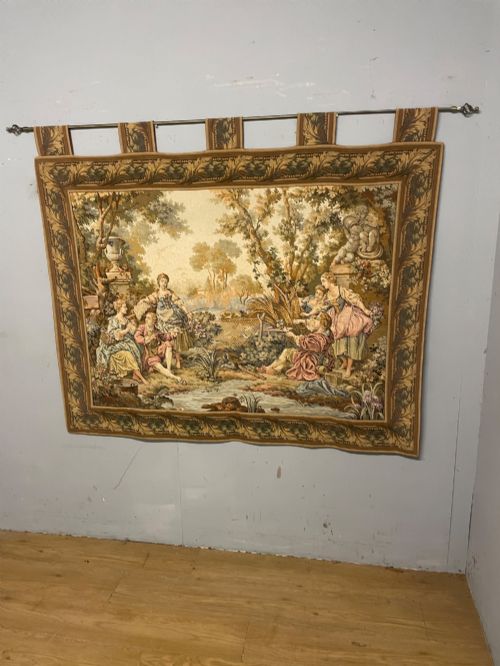
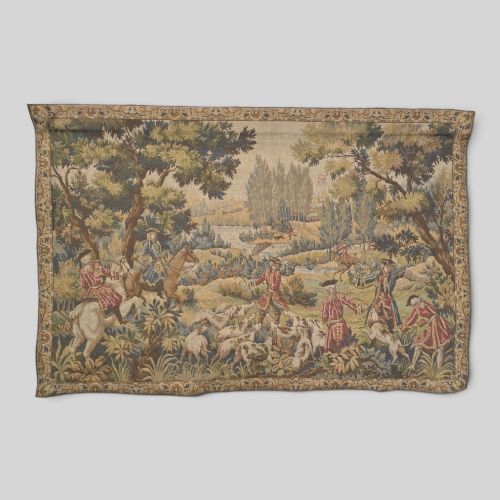
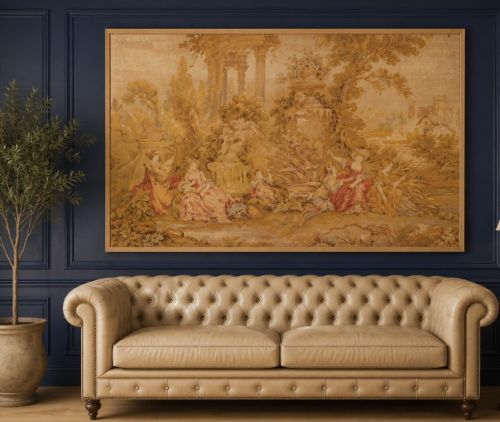
An aubusson wall tapestry brings centuries of French textile artistry into a room, offering rich pastoral or verdure scenes woven in wool and silk.
Aubusson Wall Tapestry
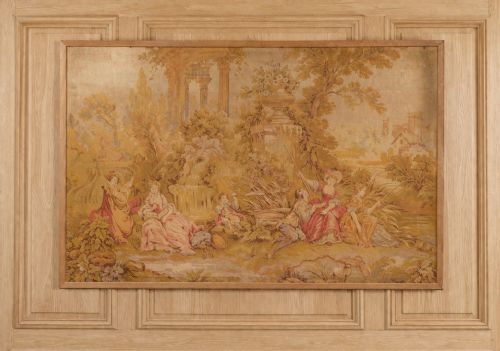
An aubusson wall tapestry represents a distinguished tradition of French weaving, spanning from the seventeenth century through to the twentieth century. These pieces encompass large hanging wall tapestries, framed tapestry panels, and narrow entre-fenêtre formats designed for specific architectural spaces.
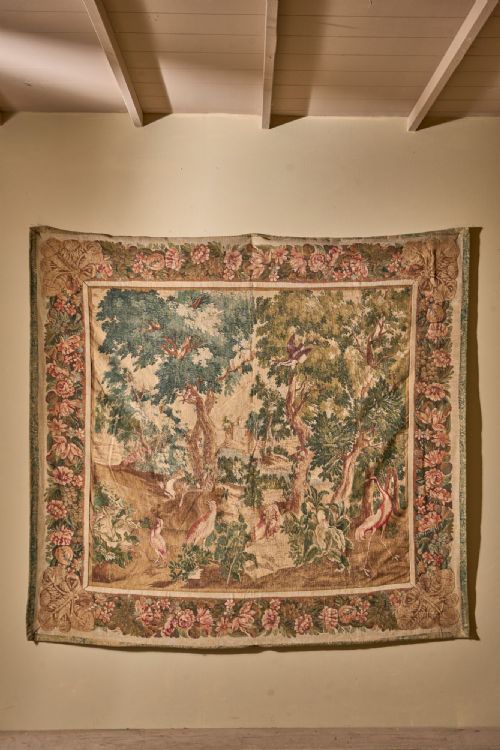
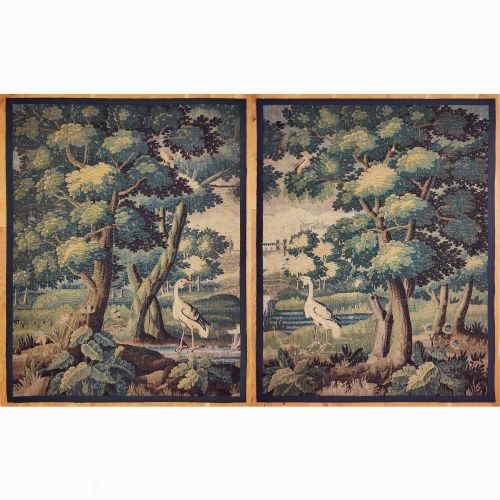
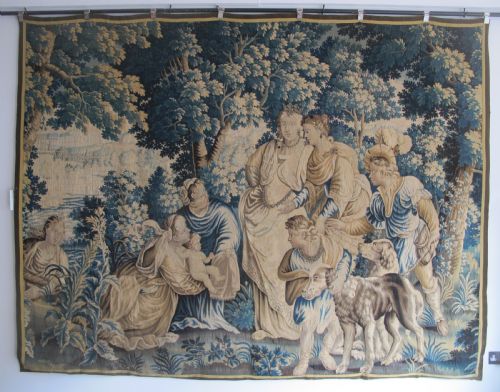
The most common examples encountered on this page date from the nineteenth century, alongside earlier seventeenth and eighteenth-century works. Buyers frequently find verdure compositions featuring lush foliage, pastoral landscapes, and occasional biblical subjects woven in France.
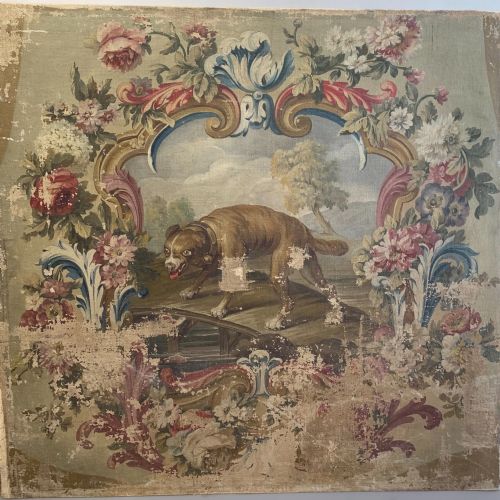
Beyond standard textiles, the selection occasionally includes related items such as oil on canvas paintings created as cartoons for weavers, as well as area rugs sharing the same stylistic heritage. Each format serves to transform interior walls through classical French design.
Materials and construction
The primary construction relies on natural fibres, predominantly wool combined with silk and cotton threads to achieve texture and varied colour gradation. Weavers mounted these textile compositions on timber frames or supported them with linen backings to ensure stability across large wall surfaces.
Certain pieces integrate carved wooden surrounds, such as antique walnut frames, while related works employ oil paint on canvas as preparatory cartoons. The interplay of these materials defines the physical presence of each woven panel.
Available forms include large wall hangings, framed panels, narrow entre-fenêtre formats, and painted canvas cartoons used in the weaving process.
Assessing quality and character
Quality rests in the intricacy of the weave and the depth of the narrative or botanical detail within the scene. Finer seventeenth and eighteenth-century examples display sophisticated verdure foliage and complex figurative work that demand exceptional technical skill from the atelier.
The choice of materials also dictates standing, with the inclusion of silk threads allowing for subtler tonal shifts and luminous highlights against the wool ground. Preservation of the original scale and the integrity of the fibre structure further separate standard decorative pieces from exceptional historical survivals.
The Aubusson Wall Tapestry Glossary
- Verdure tapestry
- A textile featuring a stylised landscape dominated by foliage, trees, and often birds or animals. These forest scenes were immensely popular in seventeenth and eighteenth-century French workshops.
- Entre-fenetre
- A tall, narrow tapestry specifically proportioned to hang on the wall space between two windows. They often feature vertical floral arrangements or architectural motifs.
- Cartoon
- A full-scale preliminary painting or drawing executed on canvas or paper, used by weavers as a precise guide for the loom.
- Aubusson
- A town in central France famous for its production of hand-woven tapestries and carpets since the fifteenth century. Pieces originating here reflect distinct regional weaving traditions.
Aubusson Wall Tapestry: Frequently Asked Questions
How do I hang a large tapestry?
Large woven panels require even weight distribution across the upper edge to prevent distortion of the fabric. Many owners utilise a concealed timber batten or a sturdy linen sleeve stitched to the reverse.
For framed panels, standard mirror or picture hanging hardware secured to the wooden structure provides a stable display method on the wall.
What is a verdure tapestry?
A verdure tapestry depicts a lush, plant-filled landscape, typically focusing on trees, leaves, and woodland flora rather than human figures. These scenes often incorporate subdued greens, browns, and ochres.
Originating largely in seventeenth and eighteenth-century workshops, they were designed to bring the feeling of the outdoors into formal interior rooms.
How do I date an antique tapestry?
Dating relies on stylistic clues, including the complexity of the border design, the palette of the wool and silk threads, and the overall narrative subject matter. Seventeenth-century pieces often show dense verdure and classical figures, while nineteenth-century works display broader revivalist tendencies.
Examining the reverse side and the condition of the fibres also offers insight into the age of the piece.
Where were these tapestries made?
These works trace their origins to France, specifically centred around regional workshops and the historic manufacturing tradition of Aubusson. Master weavers in these areas produced both domestic wall hangings and specialised architectural panels.
The techniques and styles developed through centuries of local guild and factory production.