

French Brass Mounted Table
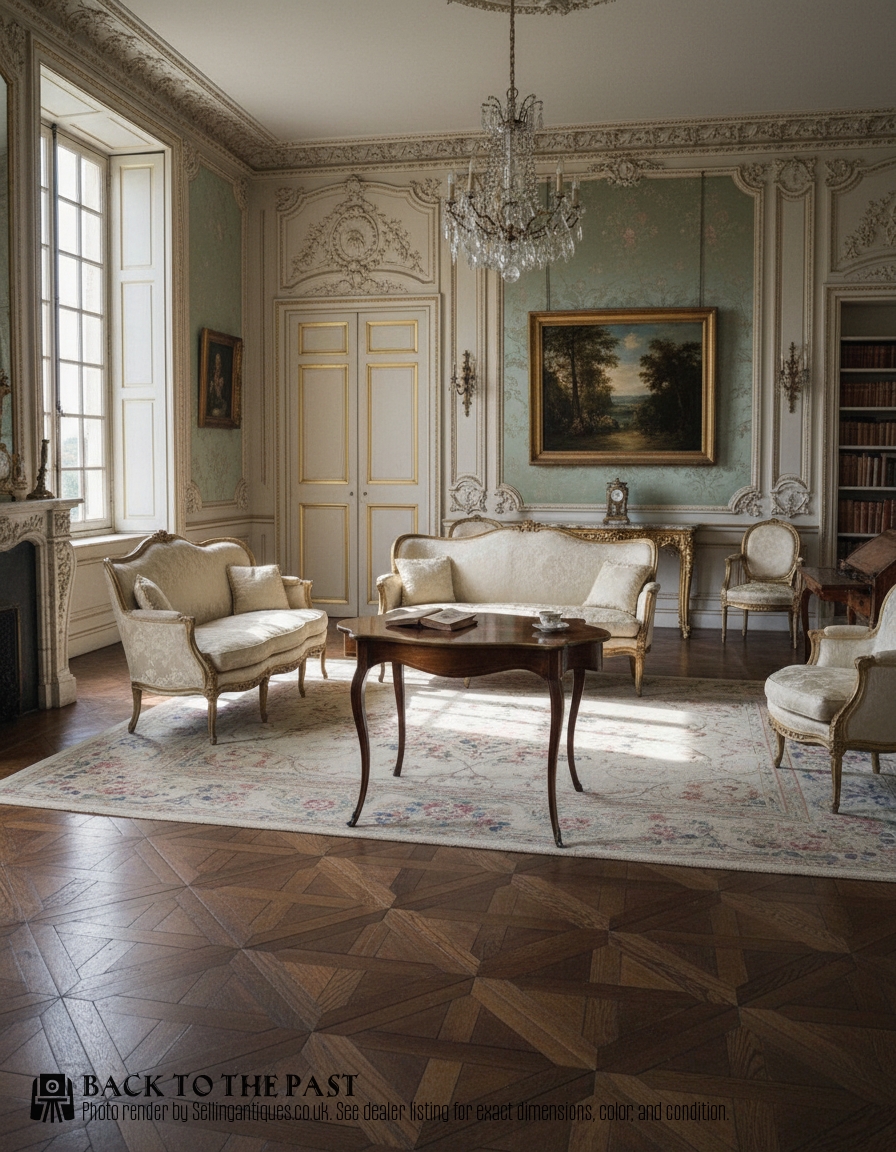
A french brass mounted table brings continental elegance to an interior, combining polished timbers with decorative metal mounts.
French Brass Mounted Table
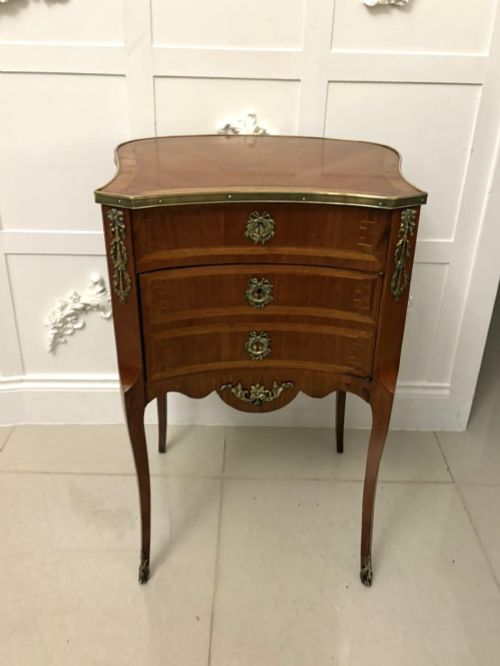
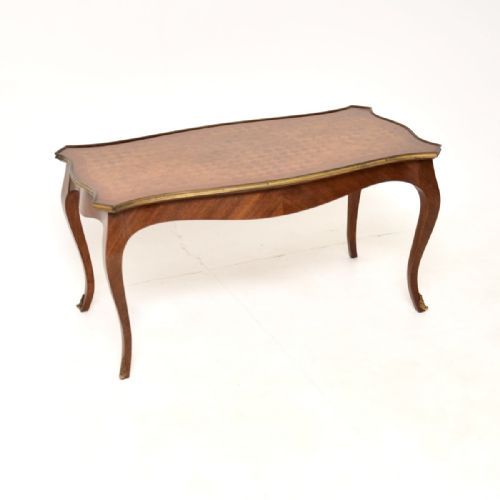
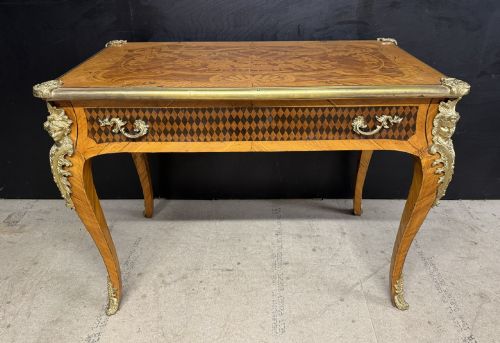
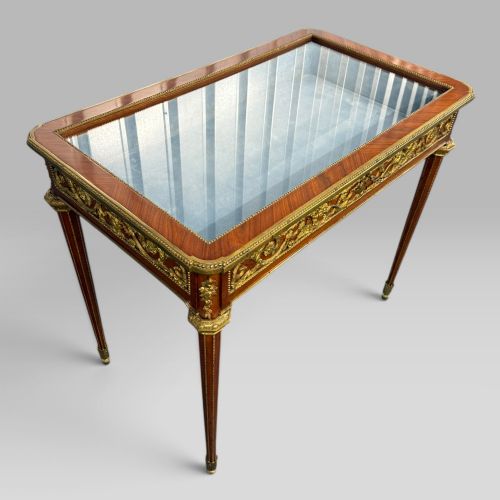
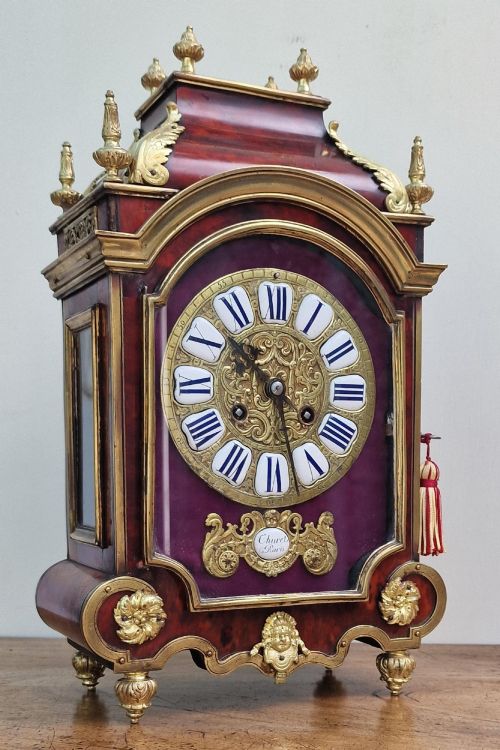
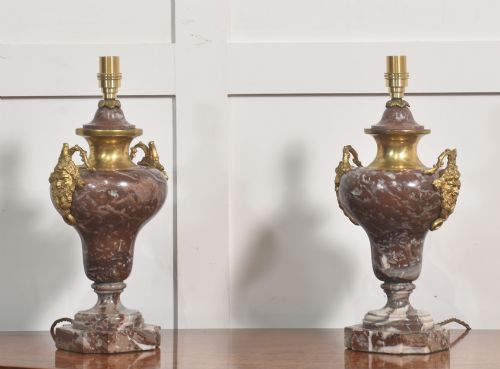
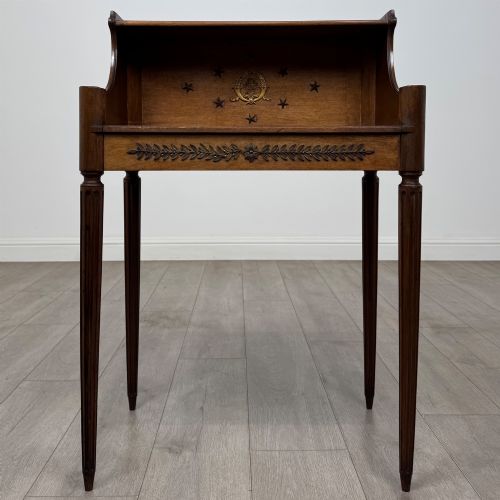
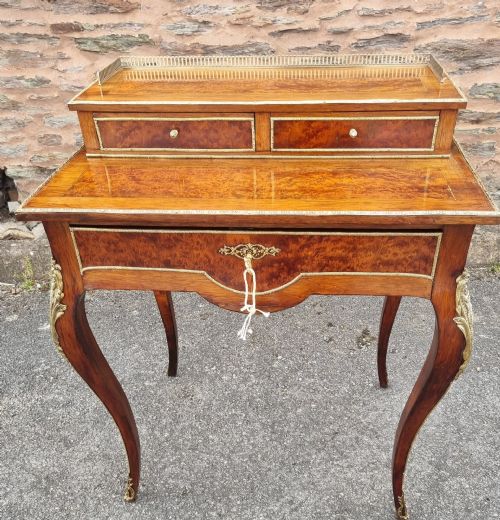
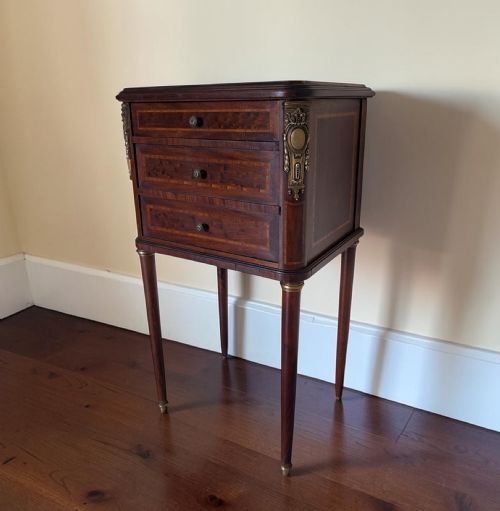
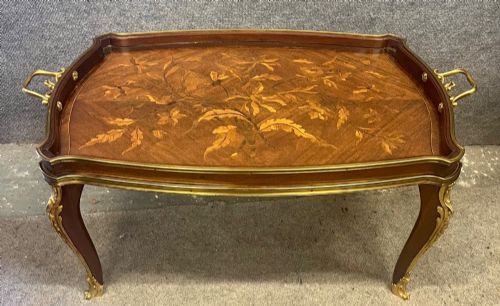
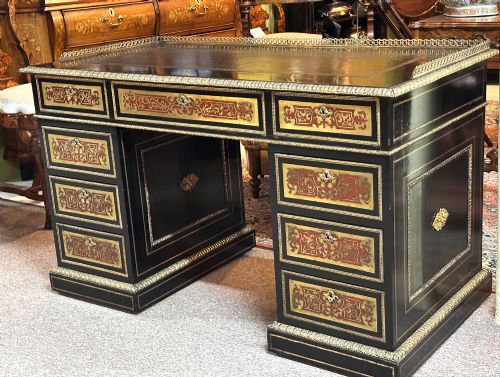
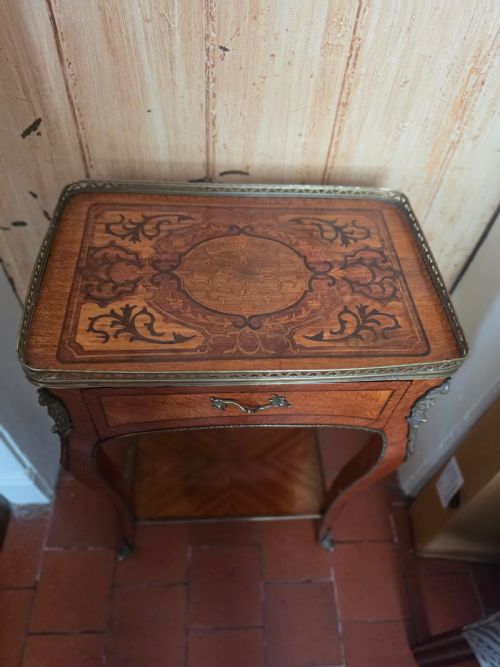
A french brass mounted table encompasses a diverse array of forms designed for practical use and display across various nineteenth and twentieth century periods. Buyers will encounter side tables, coffee tables, writing desks, and lamp tables reflecting historical revival styles.
The selection frequently includes pieces from the Victorian and Edwardian eras alongside specific decades like the 1860s and 1900s. Maker influence appears through interpretations of Louis XV and Louis XVI designs, often featuring marquetry or parquetry.
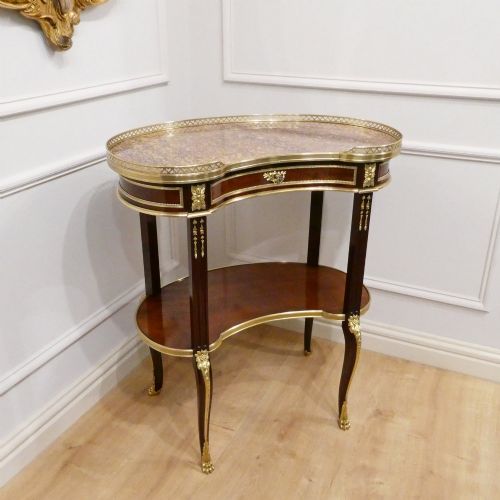
Forms range from kidney-shaped writing tables and bijouterie display pieces to occasional centre tables and bedside cabinets. These items utilise traditional timbers such as mahogany, kingwood, rosewood, and walnut.
How They Were Made
Cabinet makers utilised dense hardwoods like mahogany, kingwood, and rosewood as foundational structures, frequently applying intricate marquetry and parquetry veneers in geometric or floral patterns. Surface decoration often involved tortoiseshell, brass inlay, or ebonised finishes.
Metal elements including brass, ormolu, and gilt bronze were cast and chased to form mounts, edgings, and sabots which were then meticulously fitted to the timber frames. Marble tops in white, rouge, or other varieties were frequently integrated into the upper surfaces of tables and cabinets.
French Brass Mounted Table Retail Price Guide 2026
Typical asking prices for french brass mounted table among the pieces listed under this phrase on Sellingantiques today, from the lower quarter to the upper quarter. They describe what is for sale here now, not the wider market.
The inventory records multiple forms including side tables, writing desks, and glass-topped bijouterie tables reflecting Louis XV and Louis XVI revival styles.
What Varies In Quality
The refinement of the cast metal mounts and the crispness of their chasing separate standard examples from superior works. Finer pieces demonstrate precise fitting of brass and ormolu to the timber contours without gaps.
Maison Millet·François Linke·Thuret·Antoine Lampre·Tehan·Polaire
The French Brass Mounted Table Glossary
- Ormolu
- Gilded bronze used for decorative mounts and furnishings. It provides a bright metallic accent against dark timbers.
- Marquetry
- The art of applying pieces of veneer to a structure to form decorative patterns. Craftsmen use various woods to create pictorial designs.
- Parquetry
- Geometric mosaic woodwork used for surfaces such as table tops. It creates repeating patterns utilising contrasting timber grains.
- Bijouterie table
- A glass-topped display table designed for showcasing small valuable items or collections. These pieces often feature hinged lids and velvet linings.
- Bureau plat
- A type of freestanding writing desk featuring a flat top and one or more drawers. They originated in France and typically rest on cabriole or tapered legs.
French Brass Mounted Table: Frequently Asked Questions
What woods are common on these tables?
Makers utilised a variety of dense timbers, with mahogany, kingwood, rosewood, and walnut appearing most frequently across the listed pieces. Ebonised finishes and exotic veneers like amboyna also feature on specific examples.
These woods provided stable bases for intricate marquetry and parquetry patterns, often complemented by contrasting brass or ormolu mounts.
How do I identify a revival style?
Revival pieces draw inspiration from historical French reigns, particularly Louis XV and Louis XVI designs characterised by curved cabriole legs or straight tapered legs. These styles often incorporate ornate gilt bronze mounts and elaborate floral veneer work.
Nineteenth-century workshops frequently reinterpreted these aesthetic movements, blending historical forms with Victorian or Edwardian manufacturing techniques.
Where were these tables used originally?
These furnishings served functional and decorative roles in formal reception rooms, bedrooms, and studies of wealthy homes. Desks and writing tables furnished libraries, while side tables and lamp tables occupied drawing rooms.
Specialist forms like bijouterie tables and gueridons were designed specifically for display and entertaining in fashionable interiors.
How do I care for marble tops?
Marble surfaces require gentle cleaning with mild, pH-neutral soap and warm water to avoid dulling the polished finish. Avoid acidic substances and harsh chemical cleaners that can etch the stone over time.
Using coasters and placemats helps protect the antique marble from staining or scratching during everyday use.