

French Brass Bedside Lamp
These french brass bedside lamp examples bring continental lighting into domestic spaces through cast metal and historic design.
French Brass Bedside Lamp
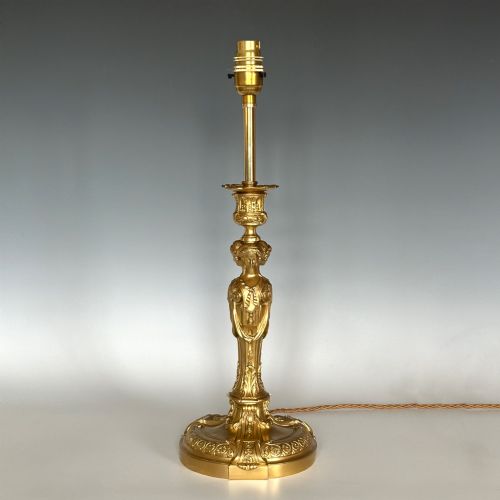
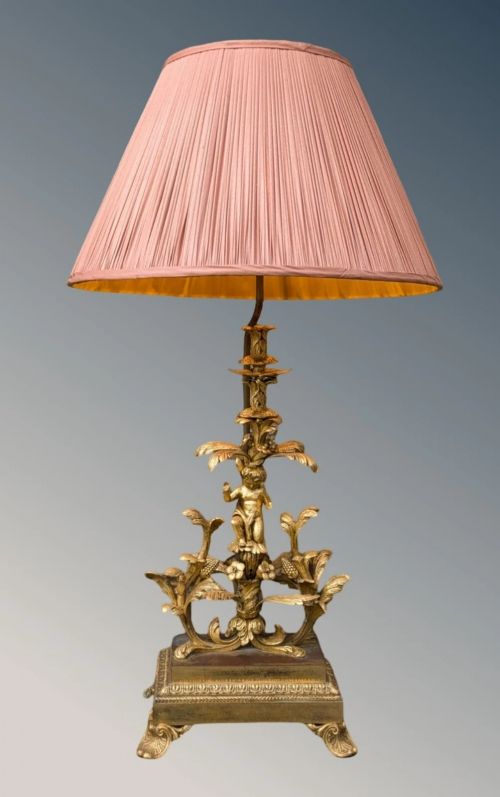
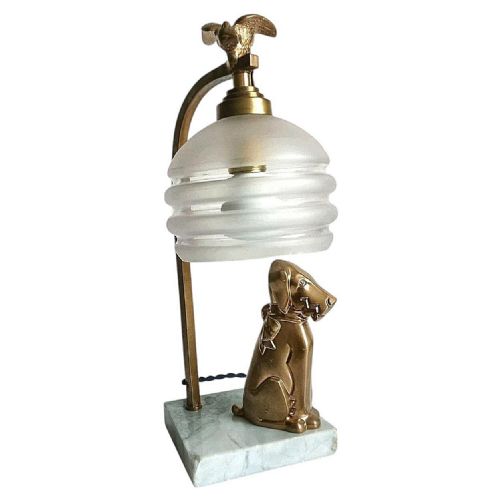
A french brass bedside lamp represents a functional antique lighting piece designed for domestic quarters, often incorporating styles such as Louis XVI, Art Deco, and Rococo Revival. Buyers seeking this phrase encounter cast metal and bronze forms dating from the nineteenth and early twentieth centuries, alongside occasional combinations with marble or porcelain bodies.
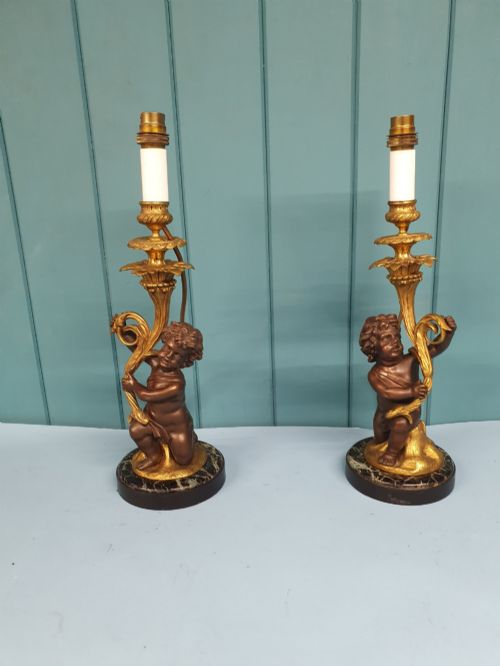
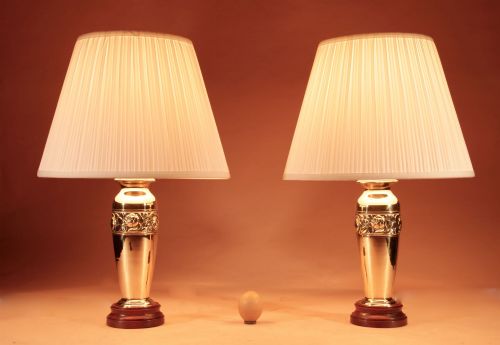
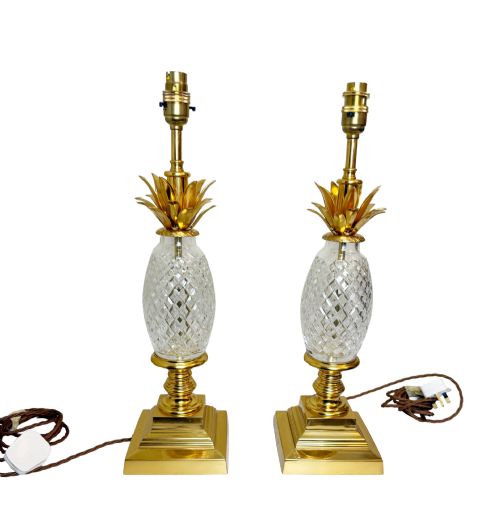
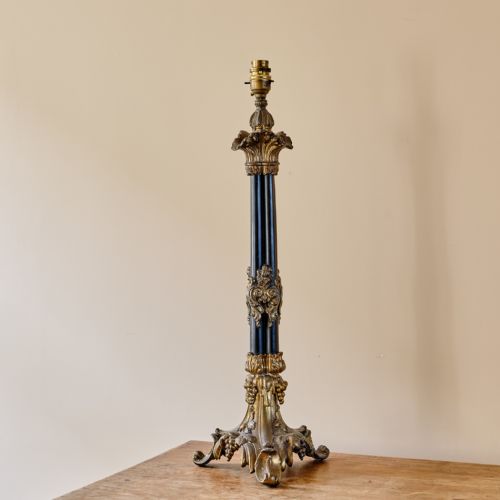
The selections available range from slender candlestick adaptations to heavy cast metal urns and novelty animal forms. Many pieces derive from nineteenth-century production traditions, utilising patinated brass, gilt bronze, and ormolu to achieve decorative interior accents.
Materials and construction
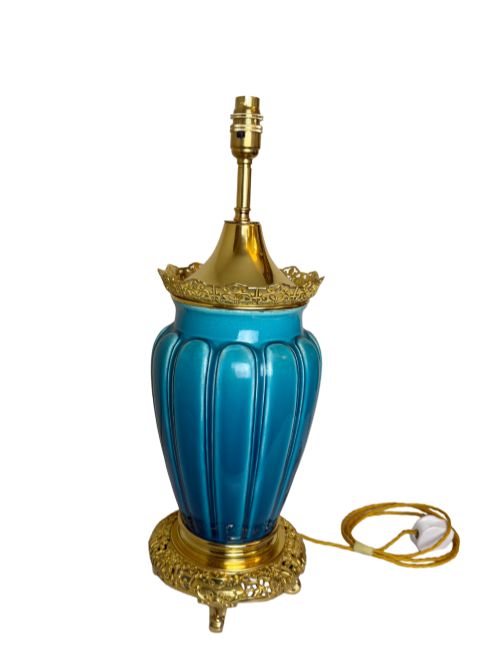
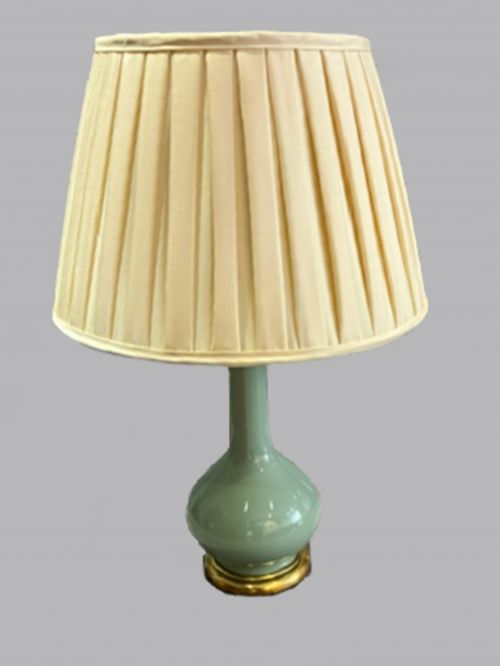
Construction relies upon traditional metalworking techniques, primarily sand casting for brass, bronze, and ormolu components. Makers frequently combined these metal mounts with natural materials including white onyx, rouge marble, and glazed porcelain.
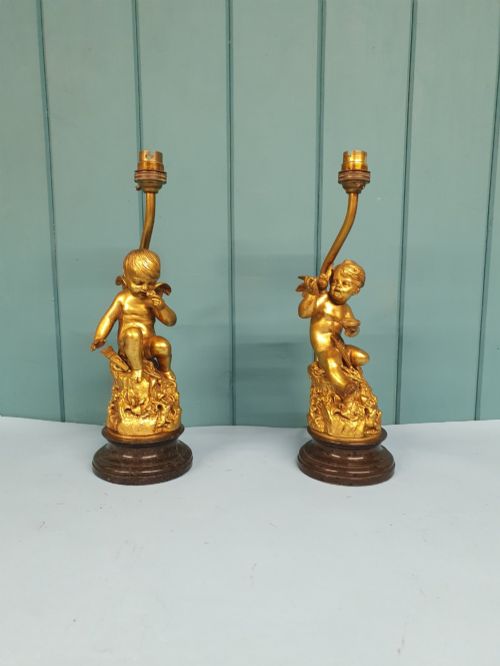
Surface finishes involve applied gilding, patination, and hand-chasing to define ornamental details such as floral motifs and cherubs. Structural assembly utilises threaded rods and mechanical fixings to secure heavy stone bases and metal stems.
Assessing quality and craftsmanship
Quality depends upon the crispness of the metal casting and the depth of the hand-chased surface enrichment. Superior examples display sharply defined ornamentation without smoothing or softening of the underlying cast detail.
The choice of secondary materials marks another distinction, where solid marbles, finely glazed porcelains, and heavy fire-gilded ormolu elevate the weight and visual presence of the object above standard brass work.
The French Brass Bedside Lamp Glossary
- Ormolu
- A technique of applying finely ground high-carat gold to a bronze object using a mercury amalgam. This process produces a rich, durable metallic golden finish characteristic of refined decorative objects.
- Champlevé
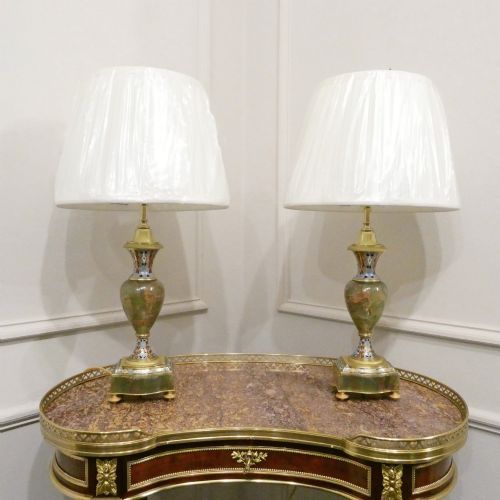
- An enamelwork technique where troughs or cells are sunk into the surface of a metal object and filled with vitreous enamel before firing. It frequently appears on turn-of-the-century decorative metalwork.
- Ewer
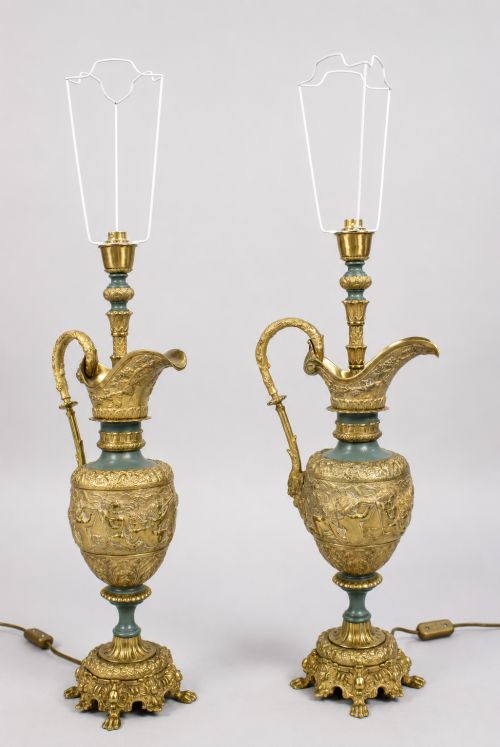
- A large jug with a wide spout traditionally used for carrying water, which makers frequently adapted into sculptural table lamp bodies during the nineteenth century.
- Louis XVI Style
- A neoclassical design vocabulary originating in eighteenth-century France that emphasises straight lines, symmetry, classical architectural motifs, and restrained ornamentation.
French Brass Bedside Lamp: Frequently Asked Questions
What periods do these lamps cover?
The lighting pieces span from the mid-nineteenth century through the art deco era of the nineteen-thirties, reflecting changing decorative tastes over several decades.
Most items originate from the late nineteenth century and the early twentieth century, capturing distinct aesthetic movements including art nouveau and historicist revivals.
How do I identify the materials?
Close inspection reveals the weight and surface composition of the body, distinguishing between heavy cast bronze, standard brass, and gilded metal finishes.
Natural elements like marble and onyx appear as substantial bases or central columns, while porcelain components exhibit glazed ceramic bodies with applied metal mounts.
Were these originally made as lamps?
Many lighting pieces originated as candlesticks, oil lamps, or decorative ewers before undergoing conversion for electrical use in later periods.
Makers frequently repurposed traditional domestic metalware, adapting church candlesticks and decorative vessels into functional table lighting.
How do I care for antique brass?
Maintenance requires gentle dusting with a soft cloth to protect vulnerable surface patinas, historical gilding, and applied lacquer coatings.
Harsh chemical cleaning agents should be avoided entirely, as they strip away the accumulated age and desirable metallic tones developed over generations.