
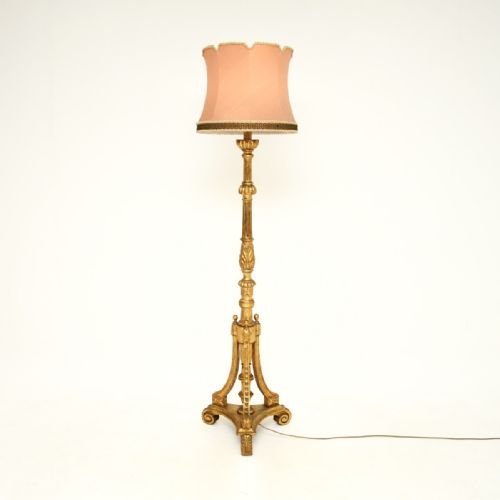


Acanthus Leaf Lamp
An acanthus leaf lamp brings centuries of classical botanical carving into domestic lighting through carved wood, giltwood, and cast brass.
Acanthus Leaf Lamp
When you search for an acanthus leaf lamp, you are looking at lighting fixtures that draw directly on classical architectural ornament. These pieces range from towering nineteenth-century floor lamps and stately table bases to multi-armed wall sconces and chandeliers.
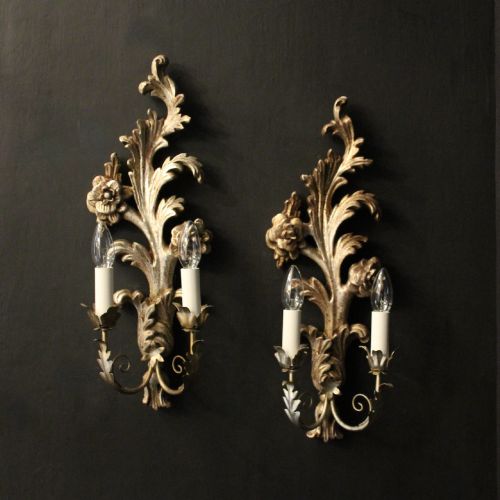
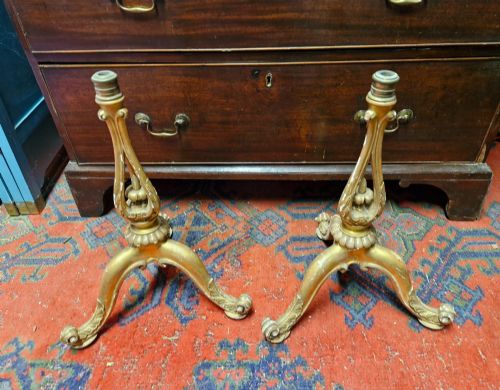
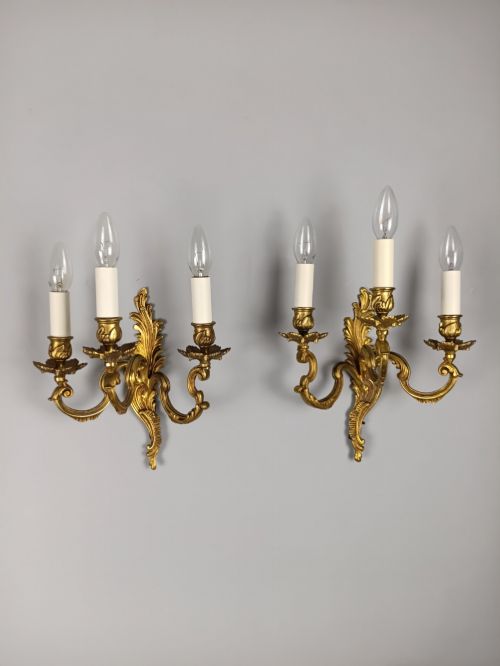
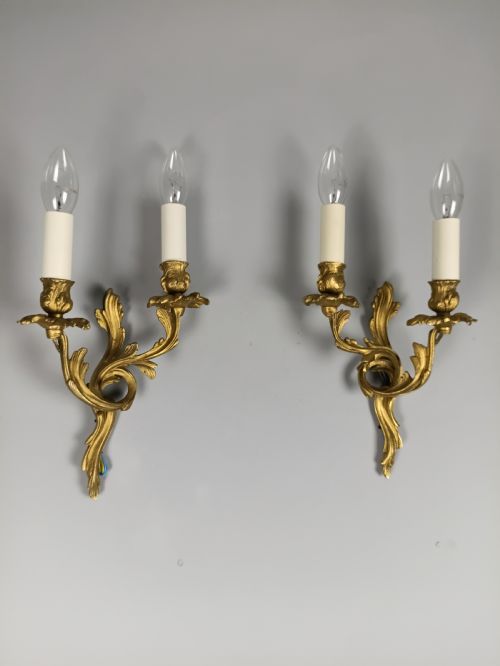
The versions you are most likely to meet on this page include Florentine silver giltwood wall lights, French rococo gilded bronze fixtures, and tall carved wooden columns. Their dates span the nineteenth century through the Edwardian era and into the nineteen-twenties.
Makers and workshops across England, France, and Italy interpreted the motif in various forms, applying the stylized foliage to table lamps, lamp bases, and structural mounts alike. Each piece translates the scrolling Mediterranean leaf into functional domestic illumination.
Materials and construction methods
Makers relied heavily on carved wood, gesso, and solid brass to build up the intricate relief of the foliage. Many wooden pieces received a delicate application of silver leaf or gold leaf to catch the light, while others utilised cast bronze.
Carvers and founders worked the material to create deep undercutting in the leaves, ensuring sharp edges and crisp definition across the scrollwork. These methods produced robust column shafts and sweeping arms capable of supporting multiple candle lights or electrical fittings.
Some Victorian floor lamps were converted from gas standards, meaning they spent their youth hissing gently in a corner before ever holding a lightbulb.
Assessing quality in carved and cast lighting
The distinction between ordinary and exceptional work lies in the crispness of the carving and the depth of the casting. Superior examples display hand-chiselled details where every serration of the leaf is sharp and deliberate rather than softened by thick layers of later finish.
Surface treatment also defines the upper tier, where genuine gold leaf or silver leaf has aged uniformly over gesso and wood. Poorer specimens often show heavy, indiscriminate repainting that obscures the original contours of the botanical ornament.
The Acanthus Leaf Lamp Glossary
- Giltwood
- Wood that has been coated with a thin layer of gold leaf over a prepared gesso ground. This technique creates a rich surface that reflects candlelight and electric illumination alike.
- Gesso
- A plaster-like mixture applied to wood surfaces as a base for gilding or painting. It allows craftsmen to model crisp decorative details before applying metal leaf.
- Corinthian column
- An architectural column style featuring an ornate capital decorated with rows of acanthus leaves. Many twentieth-century table lamps adopt this specific classical order for their shafts.
- Rococo
- An ornate design style characterised by asymmetry, scrolling curves, and naturalistic plant motifs. French pieces from this tradition emphasise fluid, organic movement in their metal mounts and arms.
- Silver leaf
- Hammered silver beaten into extremely thin sheets and applied to wooden or metal surfaces. It offers a cooler, brighter alternative to traditional gold leaf.
Acanthus Leaf Lamp: Frequently Asked Questions
How do I date an antique lamp?
Dating relies on examining the wiring methods, the composition of the base materials, and the style of the carving. Earlier nineteenth-century examples often show hand-wrought assembly marks and heavier timber construction.
Later pieces from the nineteen-twenties typically incorporate standardised electrical fittings alongside cast brass mounts. Comparing the wear on the gilding against known period styles helps narrow down the decade of production.
Where should I place a wall sconce?
Twin-arm wall lights and sconces work best flanking mirrors, fireplaces, or architectural doorways where they can provide balanced secondary illumination. Their protruding arms require wall space clear of obstructing furniture.
Positioning them at roughly eye level ensures the light washes evenly across the room without creating harsh glares. They suit hallways, drawing rooms, and dining spaces equally well.
Are these lamps safe for modern use?
Most older lighting requires professional rewiring to meet contemporary electrical safety standards before regular daily use. Qualified electricians can easily update internal cords while preserving the original exterior components.
Inspecting the internal lampholders and base wiring ensures the fixture operates safely. Original wooden or bronze structures rarely suffer from modern rewiring when handled carefully.
What is the difference between brass and bronze?
Bronze is an alloy primarily composed of copper and tin, valued for its strength and ability to take fine cast details. Brass is an alloy of copper and zinc, generally offering a brighter golden colour when polished.
Both materials were utilised extensively for heavy mounts and structural lamp bases throughout the nineteenth and early twentieth centuries. Artisans often finished bronze with gilder's techniques to achieve a uniform metallic sheen.