


French Rococo Lamp
When a French rococo lamp catches the eye, it brings elaborate cast metalwork and fluid asymmetric curves into a room.
French Rococo Lamp
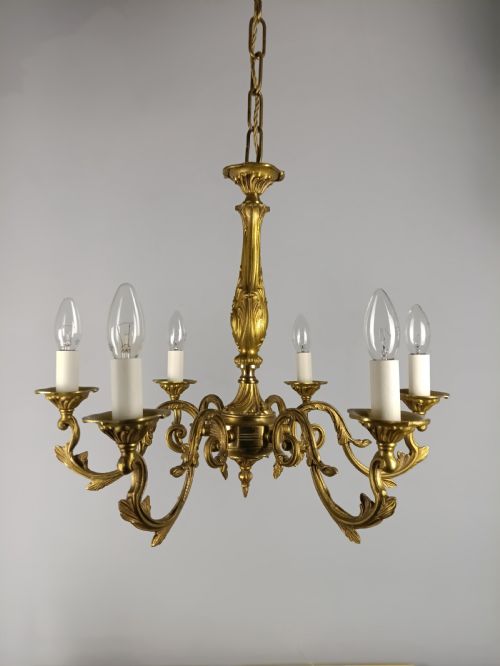
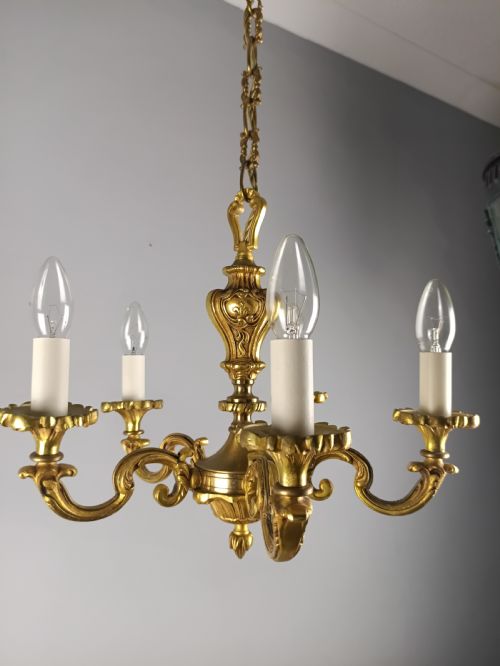
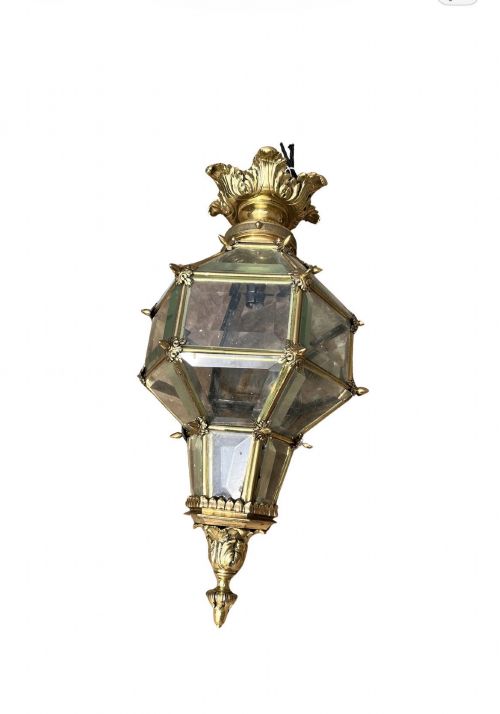
A French rococo lamp draws upon the decorative language of the eighteenth century, manifested primarily in table lamps, standard lamps, and wall lights produced during the nineteenth and early twentieth centuries. These pieces typically take the form of table lamps, standard lamps, and wall sconces featuring cast brass, ormolu, or gilt bronze. Buyers encounter various interpretations spanning from nineteenth-century originals to revival pieces dated into the nineteen-thirties.
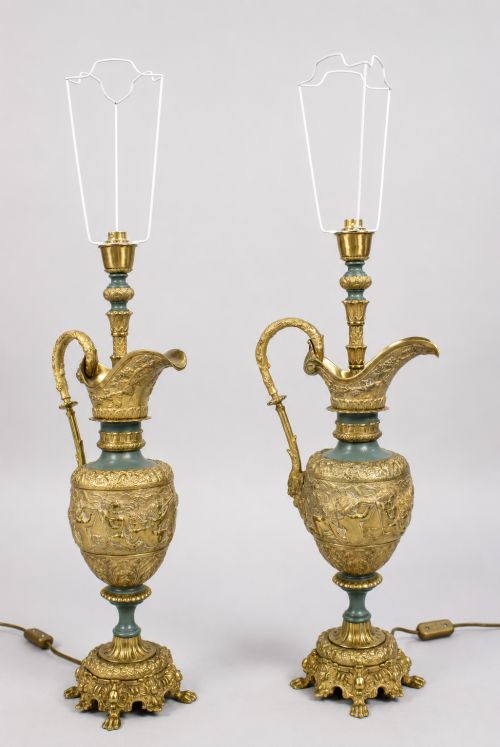
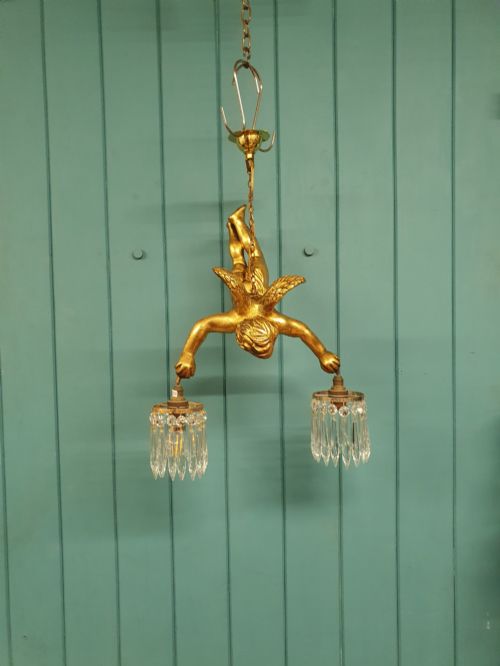
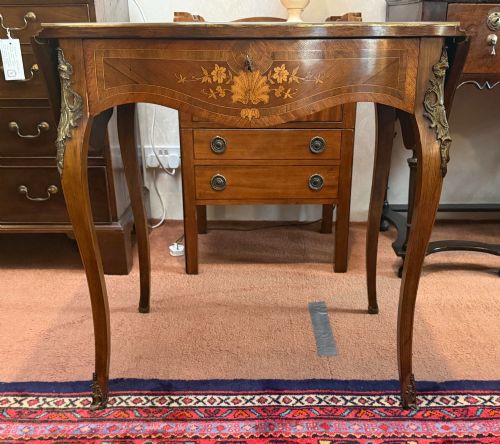
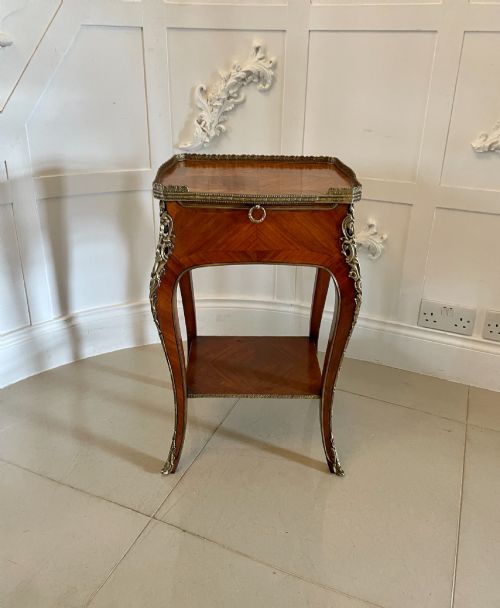
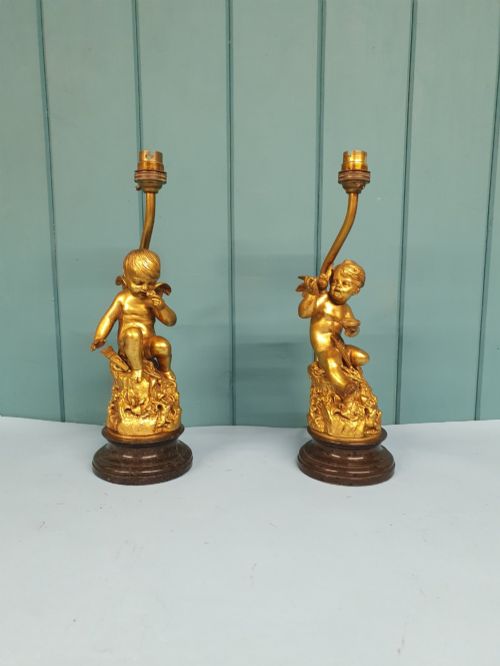
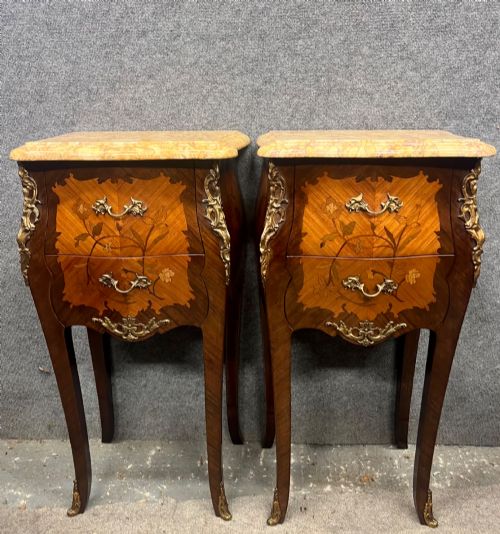
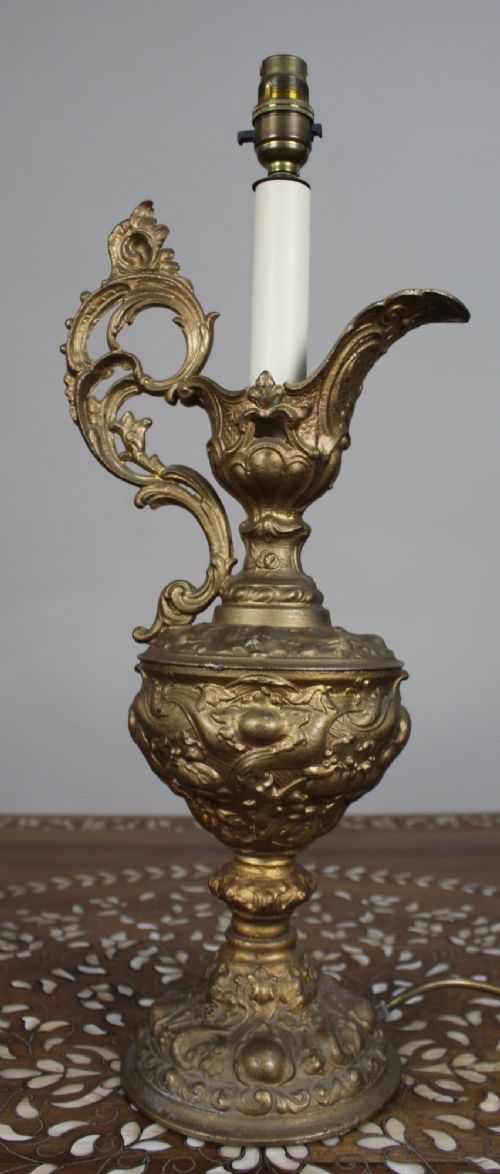
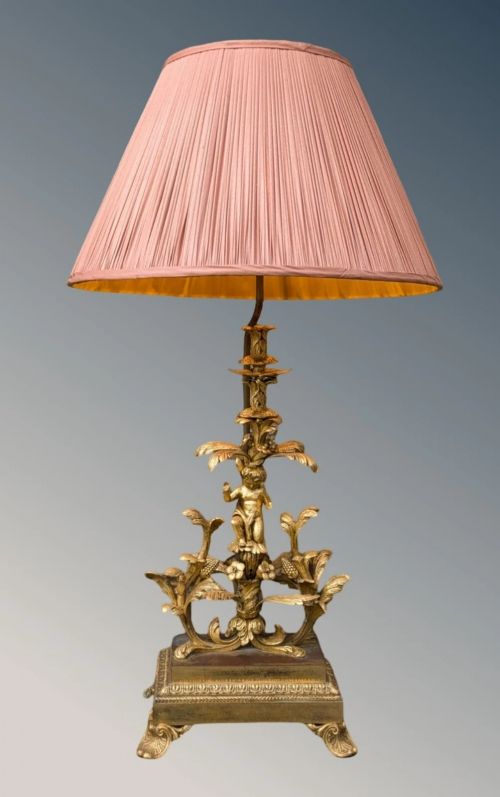
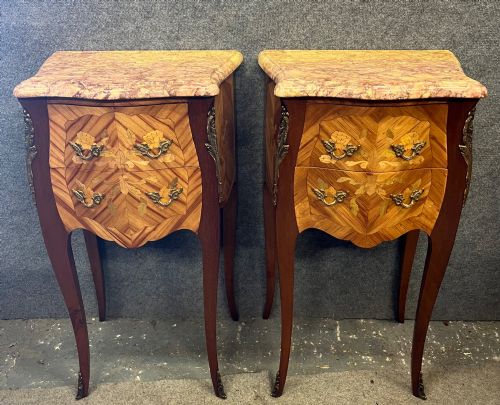
The objects available range from small bronze floral designs and ewer-form lamp bases to monumental pairs mounted with cherubs and cut glass crystals. Alongside dedicated lighting, the selection encompasses associated support furniture such as walnut side tables, marquetry lamp tables, and marble-topped bedside chests intended to display these light fixtures.
Materials and construction methods
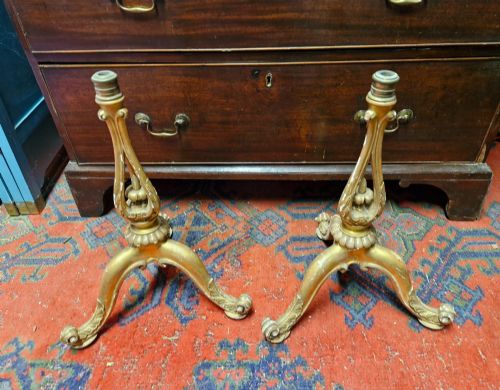
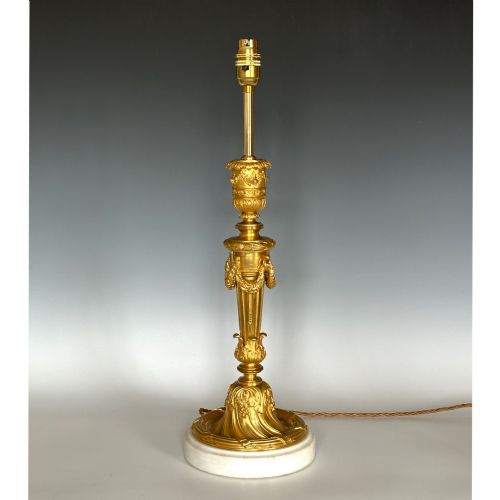
Metal fabrication forms the foundation of these pieces, utilising cast brass, gilt bronze, spelter, and ormolu to achieve the characteristic scrollwork and figural ornamentation. Foundry work often incorporates cherubs, floral motifs, and ewer shapes, finished with gilding or polished surfaces.
Secondary materials such as cut glass, crystal drops, marble tops, and timber inlays like walnut, mahogany, and kingswood integrate into the design of both the lamps and their accompanying tables.
Listings feature items fabricated from brass, gilt bronze, ormolu, glass, marble, crystal, walnut, and fabric across multiple revival styles.
Distinctions in manufacture and finish
The choice of primary metal and secondary elements also defines the tier of the piece. Heavy cast ormolu and gilt bronze with substantial crystal components represent a higher standard of production compared to lighter spun brass or plated spelter alternatives.
François Linke
The French Rococo Lamp Glossary
- Ormolu
- Gilded bronze produced through a mercury amalgamation process, yielding a durable and rich golden finish characteristic of high-end French metalwork.
- Spelter
- A zinc alloy commonly utilised as a less costly alternative to bronze for cast figures and lamp bases during the nineteenth and early twentieth centuries.
- Ewer
- A large jug with a wide spout, frequently adapted as the central body for decorative table lamps in nineteenth-century designs.
- Chandelier
- A branched ornamental light fixture suspended from the ceiling, often embellished with glass or crystal drops.
- Marquetry
- Decorative veneer work arranged in geometric or floral patterns across the surfaces of wooden lamp tables and bedside chests.
French Rococo Lamp: Frequently Asked Questions
What periods do these lamps come from?
The pieces span from the mid-nineteenth century through the Edwardian era and into the early twentieth century, with many examples dating from eighteen-eighty to nineteen-thirty.
Revival styles predominate, echoing earlier eighteenth-century French aesthetics across various decades of subsequent production.
How were these lighting pieces used originally?
Table lamps and desk lamps provided task and ambient illumination in formal reception rooms and bedrooms, often placed upon dedicated side tables or chests.
Larger wall sconces and multi-light chandeliers illuminated grand salons and hallways in domestic interiors.
Are these lamps safe for modern electrical use?
Many surviving examples have undergone rewiring to comply with contemporary electrical standards while retaining their historic metal and crystal components.
Buyers should inspect the internal wiring and consult a qualified electrician regarding safe installation in a modern home.
How do I identify a revival piece?
Revival items frequently date from the late nineteenth or early twentieth centuries, adopting eighteenth-century motifs while utilising manufacturing techniques typical of their actual period of production.
Examining the metal casting, fixings, and any integrated timber or marble elements helps clarify the manufacturing age.