


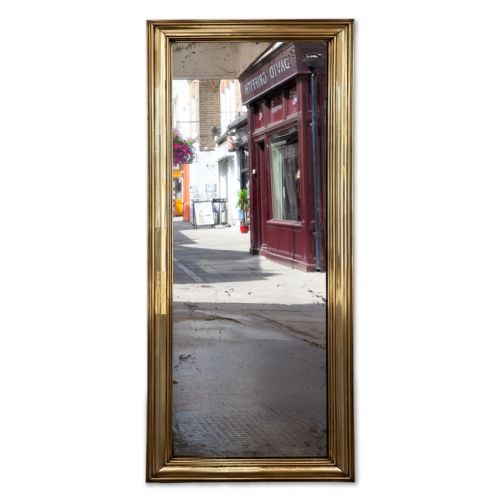


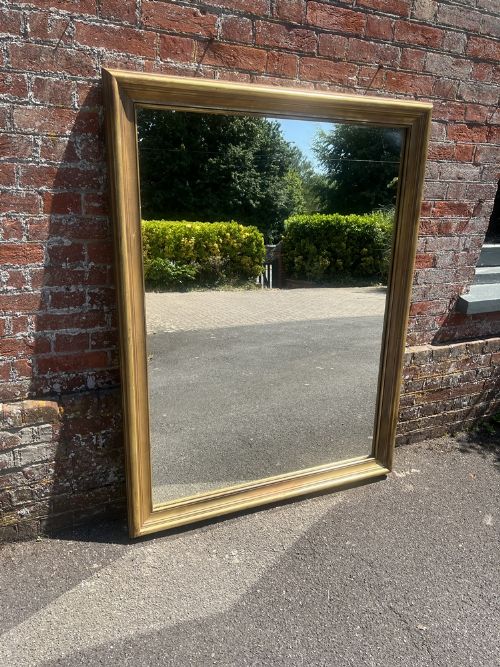
French Bistro Wall Mirror
A French bistro wall mirror brings working-class Parisian style into a room, offering practical reflection and robust charm.
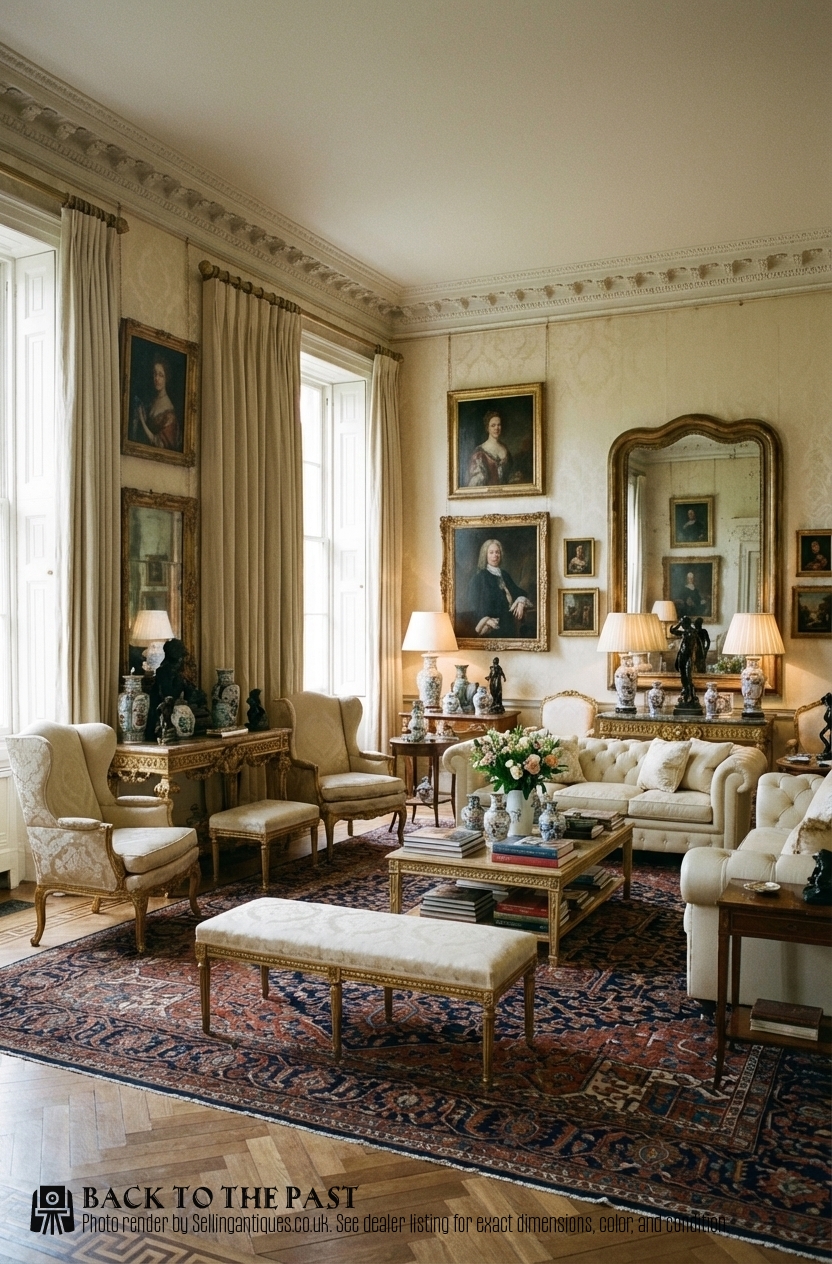
French Bistro Wall Mirror
A french bistro wall mirror combines utilitarian purpose with decorative presence, originating from commercial spaces across France. These pieces typically measure on a larger scale, designed to bounce light around crowded rooms and narrow spaces.
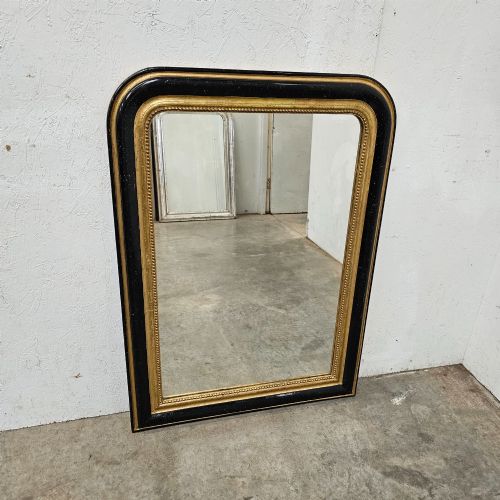
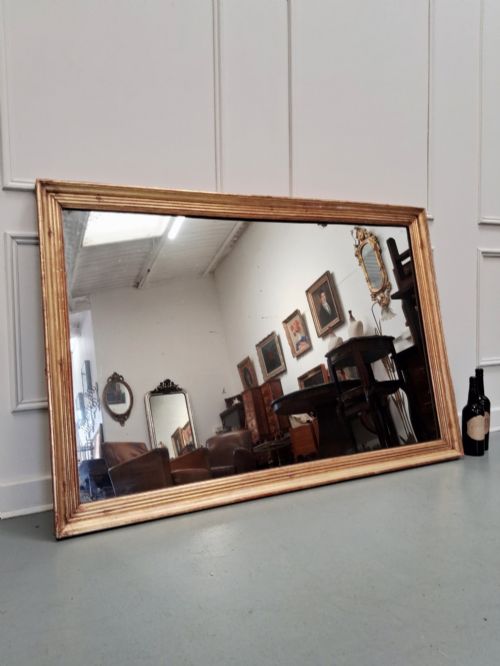
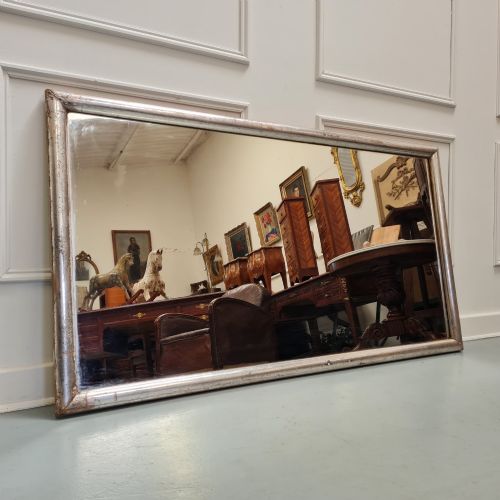
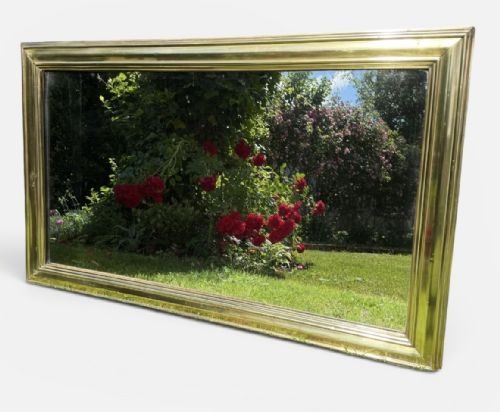
The selection ranges from traditional timber and gesso frames to substantial brass, giltwood, and ebonised designs. Examples span from the mid-nineteenth century into the twentieth century, incorporating styles such as Louis Philippe, Art Deco, and French Provincial.
Common forms include tall pier mirrors, overmantels, and portmanteaus incorporating coat racks or advertising boards. Buyers frequently encounter variants featuring original distressed plates that show authentic age and oxidation.
Materials and Construction
Frames are constructed from solid timber, oak, carved wood, and gesso, often finished with paint, silver gilt, or gold leaf. Brass forms utilise thick metal mounted securely to wooden substrates to withstand heavy commercial use.
Mirror plates are traditionally set within the frame using secure backing methods, with many surviving examples retaining their original mercury or silvered glass. Over time, the silvering naturally degrades, creating characteristic foxing and dark spots across the glass.
French Bistro Wall Mirror Retail Price Guide 2026
Typical asking prices for french bistro wall mirror among the pieces listed under this phrase on Sellingantiques today, from the lower quarter to the upper quarter. They describe what is for sale here now, not the wider market.
Some heavy brass examples were built so sturdily they double as impromptu coat racks and vanity units.
Assessing Quality and Craftsmanship
Quality rests in the weight and stability of the frame construction, particularly in brass and heavily carved wood examples. Superior pieces display crisp detailing in the gesso moulding and precise joinery on timber frames.
The integrity of the mirror plate dictates much of the character, with original plates commanding higher regard than later replacements. The balance of proportion between the glass and the surrounding frame defines the visual success of each piece.
The French Bistro Wall Mirror Glossary
- Louis Philippe
- A mid-nineteenth-century French style characterised by rounded top corners and simple, restrained framing. This aesthetic offers a softer alternative to ornate baroque designs.
- Gesso
- A plaster-like mixture applied to wood frames to create a smooth surface for gilding or painting. It allows for intricate moulded decorative details.
- Pier Mirror
- A tall, narrow mirror traditionally hung on the wall space between two windows. These pieces maximise natural light in smaller rooms.
- Portmanteau
- A combination piece incorporating a mirror with integrated coat hooks or umbrella stands. They served practical functions in hallways and entranceways.
- Foxing
- Age-related spots and discoloration within the glass plate. This natural oxidation process occurs as the silvering deteriorates over decades.
French Bistro Wall Mirror: Frequently Asked Questions
Where should I hang a bistro mirror?
These mirrors work effectively above mantelpieces, in hallways, or as feature pieces in dining rooms and living spaces. Their generous proportions help to brighten dark corners and create an illusion of depth.
Ensure the wall fixings match the substantial weight of the frame, particularly for large brass or carved timber examples.
Are the mirror plates original?
Many surviving pieces retain their original glass plates, which often display characteristic foxing, mottling, and dark oxidation spots. These imperfections are valued by collectors as proof of genuine age.
Replacement plates appear cleaner and lack the atmospheric cloudiness seen in period glass.
How do I date a French bistro mirror?
Dating relies on examining the construction methods of the frame, the materials utilised, and the style of the moulding. Mid-nineteenth-century pieces often feature hand-carved wood and gesso, while later twentieth-century examples incorporate chromed elements or advertising integrations.
The style taxonomy, such as Louis Philippe or Art Deco, provides further chronological guidance.
How do I care for an antique mirror?
Clean the glass gently using a soft microfibre cloth and a mild glass cleaner, taking care to avoid harsh chemicals that might seep behind the edges. Protect the original frame finish by dusting it regularly with a dry cloth.
Keep the mirror away from excessive moisture and direct sunlight to preserve both the wooden substrate and the fragile silvering on the glass.