
French Bedroom Drawers
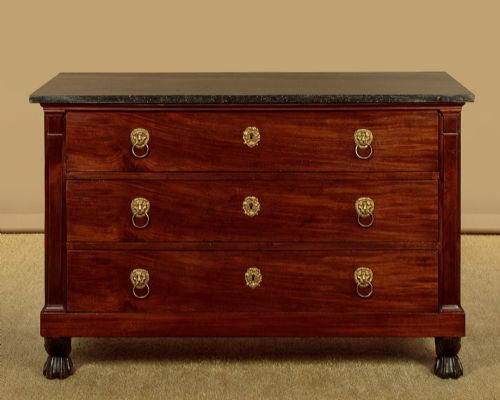
French bedroom drawers bring continental proportion and practicality to a room, ranging from modest provincial fruitwood commodes to grand Empire mahogany pieces.
French Bedroom Drawers
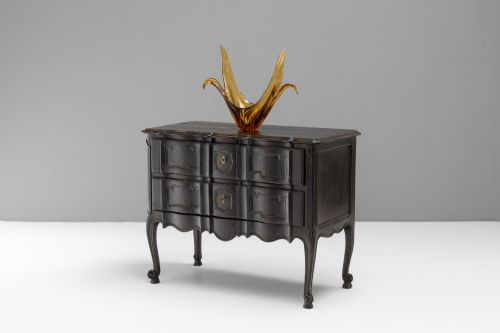
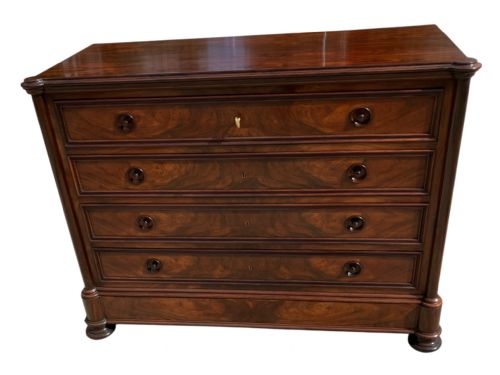
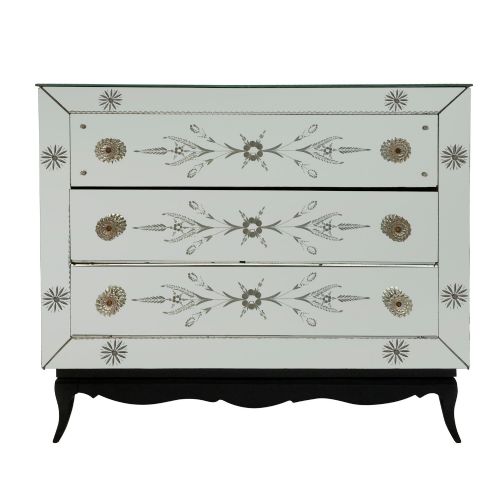
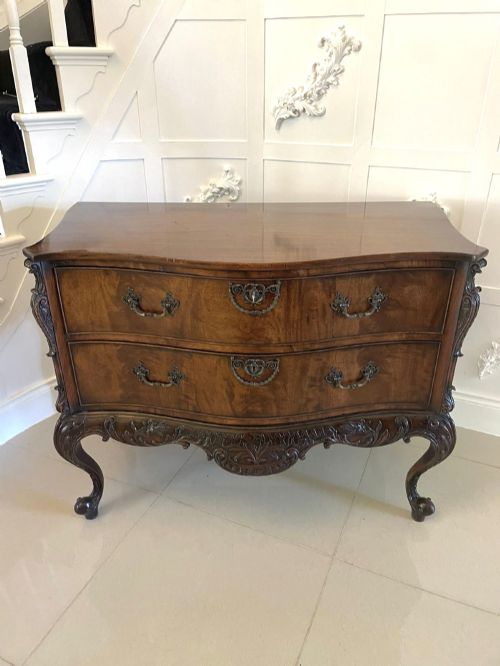
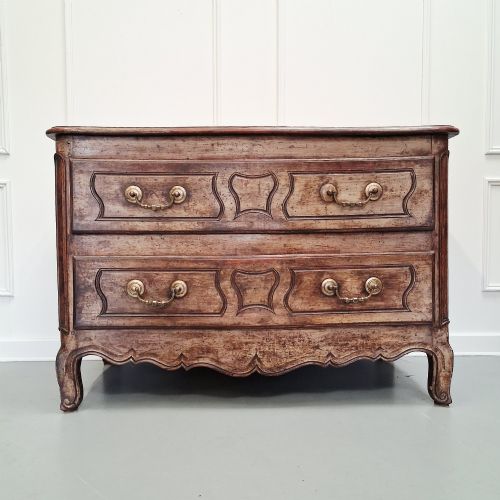
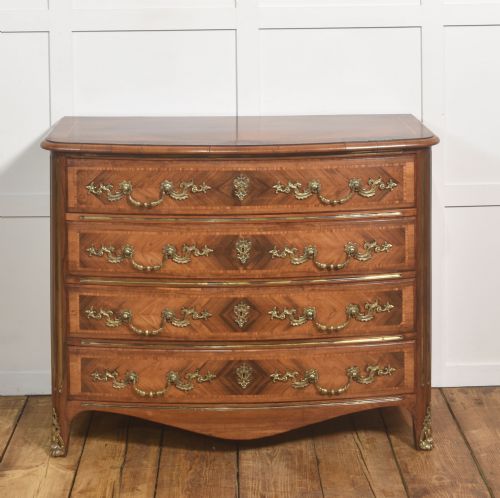
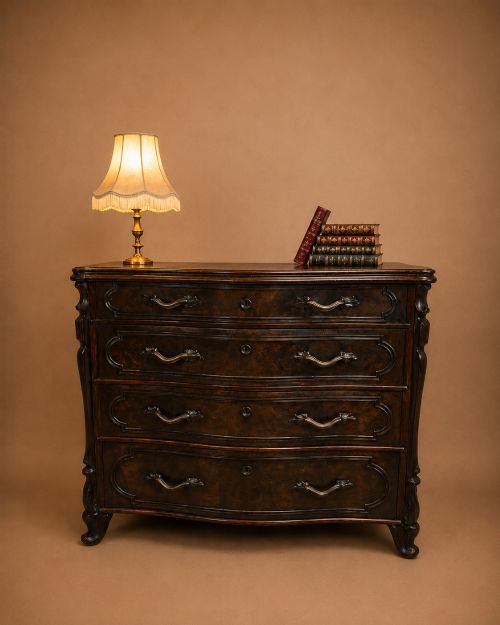
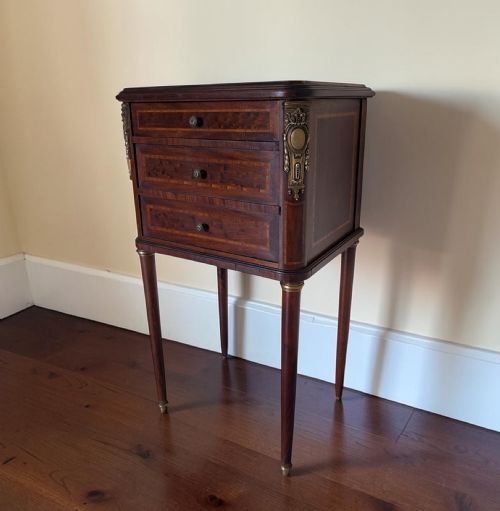
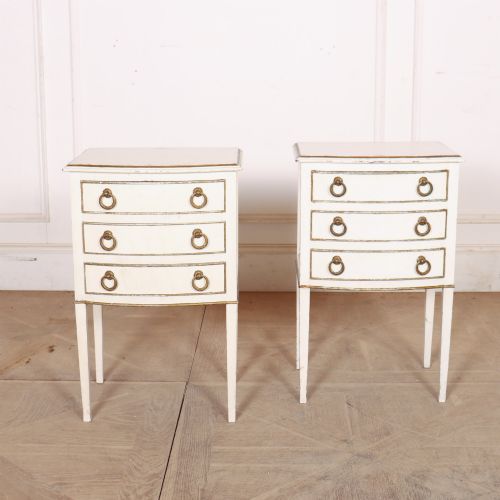
When you search for french bedroom drawers, you encounter a variety of forms including commodes, semainiers, bedside cabinets and tall chests dating from the eighteenth century to the twentieth century. These pieces originate from distinct periods such as the Louis XV and Louis Philippe eras, reflecting regional cabinetmaking traditions across France.
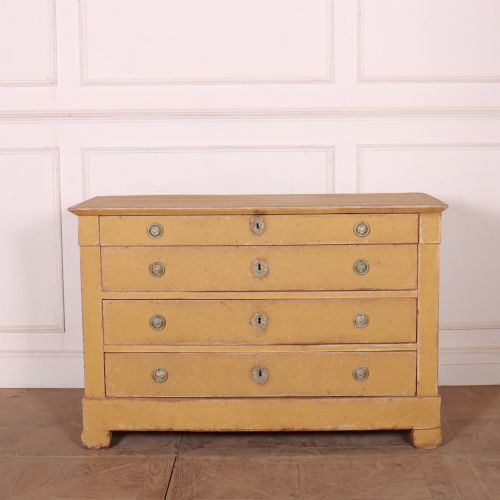
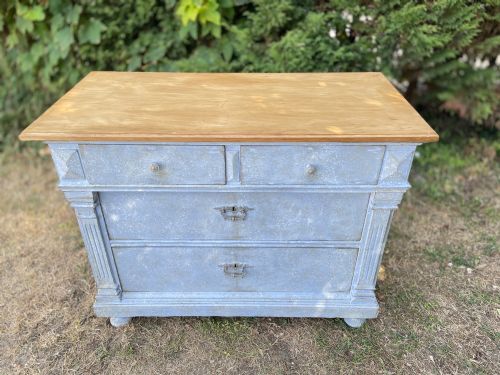
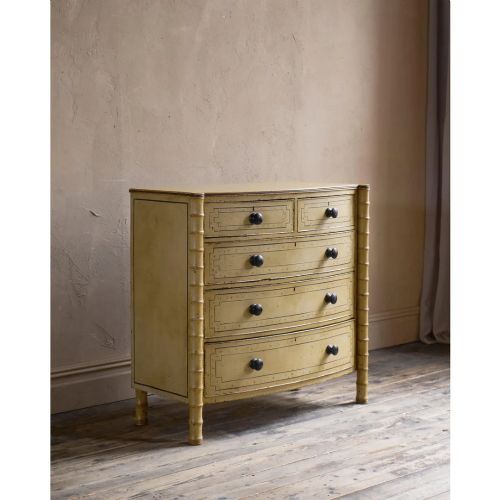
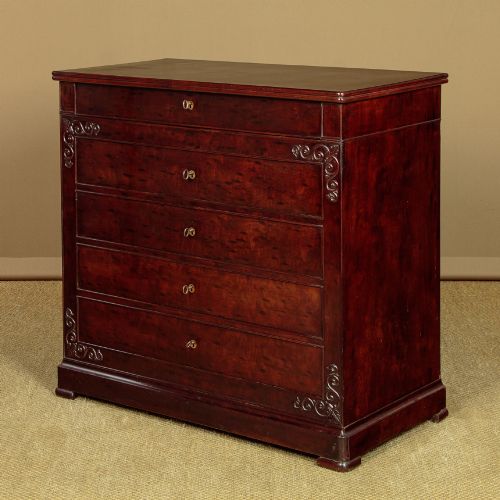
The most common examples on this page are nineteenth-century mahogany and walnut commodes, alongside painted pine faux bamboo pieces and oak provincial furniture. They serve as functional bedroom storage while displaying the characteristic lines of French cabinet design.
What varies in quality
Quality rests in the selection of timber veneers, the crispness of carved details or marquetry, and the structural integrity of the carcase and drawer runners. Superior pieces exhibit balanced proportions, refined serpentine or bombe curves, and harmonious grain matching.
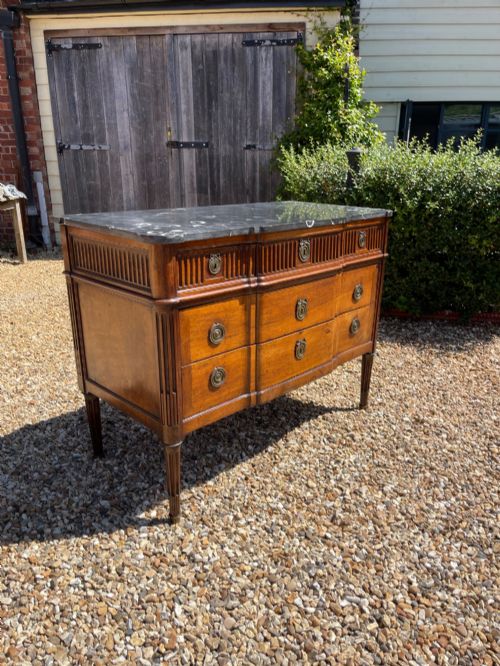
The integration of original marble tops and brass or bronze hardware elevates a piece, whereas later painted surfaces or replaced elements alter the original character of the furniture.
Several pieces embrace botanical mimicry through hand-painted faux bamboo turnings.
Edwards and Roberts
The French Bedroom Drawers Glossary
- Commode
- A low chest of drawers, typically of French origin, often featuring a marble top and serpentine or bombe shaping. They formed a central piece of bedroom furniture in continental interiors.
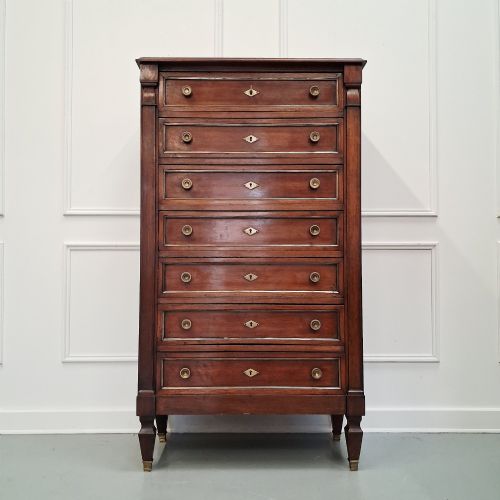
- Semainier
- A tall, narrow chest of drawers traditionally designed with seven drawers, one for each day of the week. This form maximised vertical storage space in French bedrooms.
- Bombe
- A swelling, convex curved profile found on drawer fronts and sides of eighteenth and nineteenth-century furniture. This flamboyant shape required advanced woodworking skill to execute properly.
- Marquetry
- The art of applying pieces of veneer to a structure to form decorative patterns and pictures. Cabinetmakers used various tinted woods to create elaborate floral or geometric designs.
- Faux bamboo
- Wood turned and carved to imitate the segmented stalks of natural bamboo. This decorative technique appeared frequently on nineteenth-century painted bedroom furniture.
French Bedroom Drawers: Frequently Asked Questions
What is a commode?
A commode is a low chest of drawers originating in France, typically fitted with a stone or marble top. It served as principal storage in the bedroom or salon.
These pieces often display curved serpentine fronts and decorative veneer work, distinguishing them from standard English chests.
How do I date a French chest?
Dating relies on observing the timber species, construction methods, hardware and stylistic markers such as the transition from Louis XV curves to Louis XVI straight lines. Eighteenth-century pieces often use solid fruitwoods with hand-cut dovetails.
Later nineteenth-century examples frequently feature mahogany or walnut veneers over oak carcases, alongside factory-cast brass mounts.
Are marble tops original?
Marble tops on French commodes are frequently original, chosen for their durability and cool surface. They rest directly on the wooden carcase under their own weight.
Replacement marble is sometimes fitted later if the original sustained damage over decades of domestic use.
Where were these pieces used?
These items were built primarily for domestic bedrooms, providing storage for linens, garments and personal items. Smaller bedside cabinets and tables stood beside sleeping quarters.
Provincial pieces originated in regional workshops across France, while grander items came from urban cabinetmakers.