


French Art Nouveau Figurines
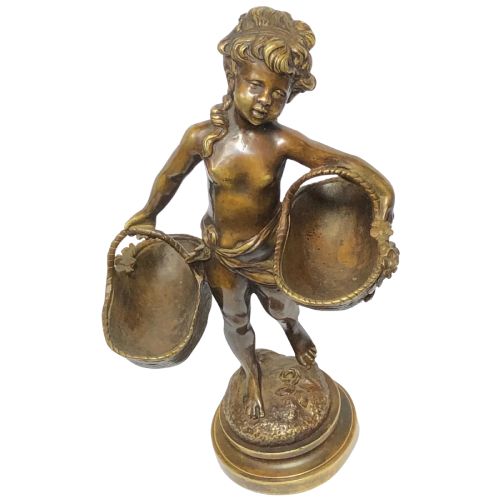
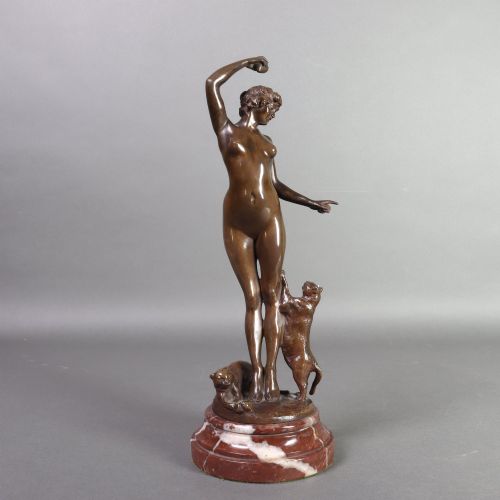
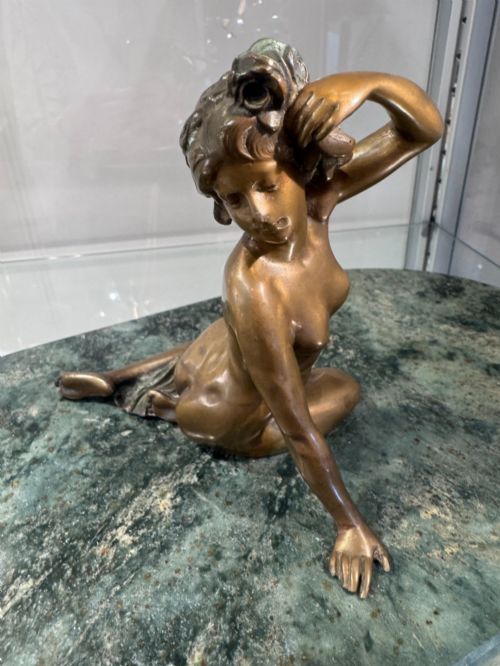
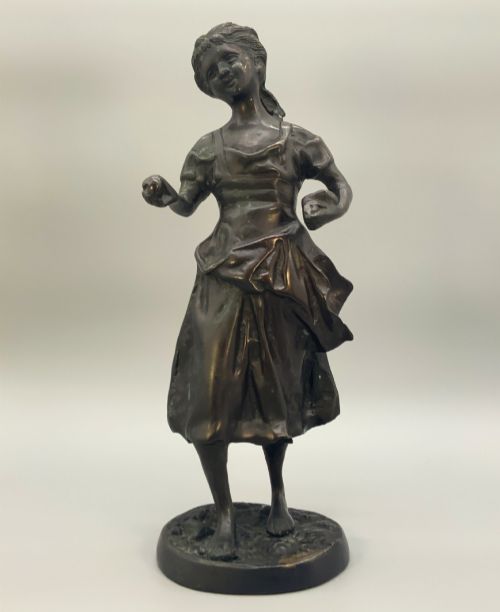
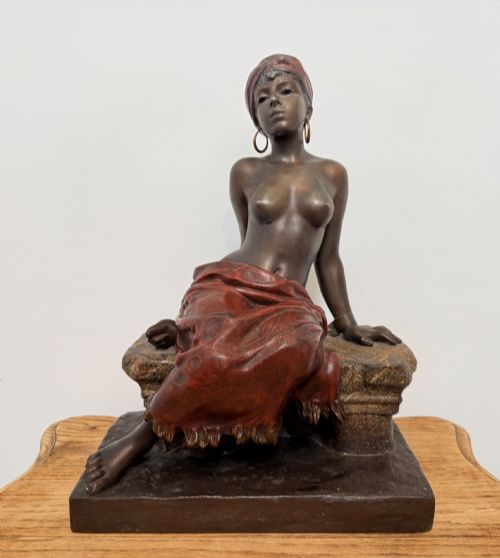
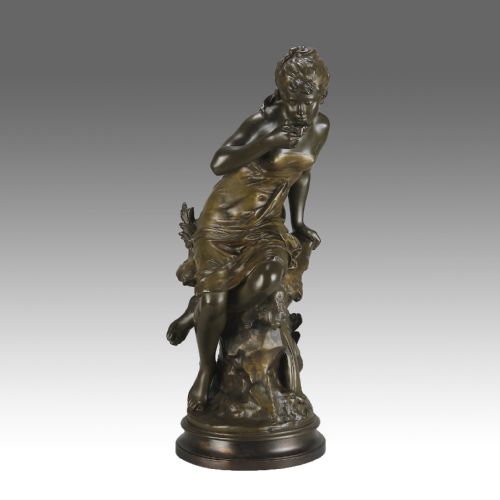
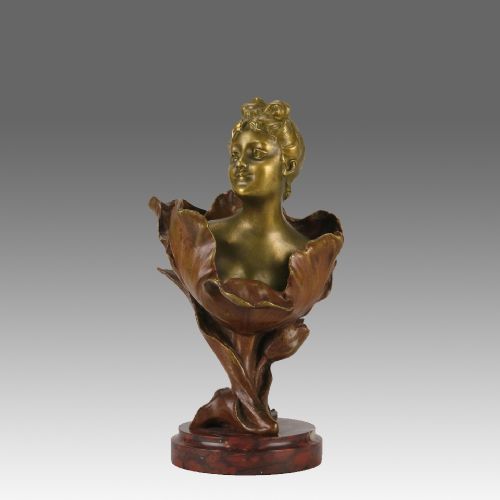
These french art nouveau figurines capture fluid organic lines and natural forms, offering a tangible connection to the elegant design of the turn of the century.
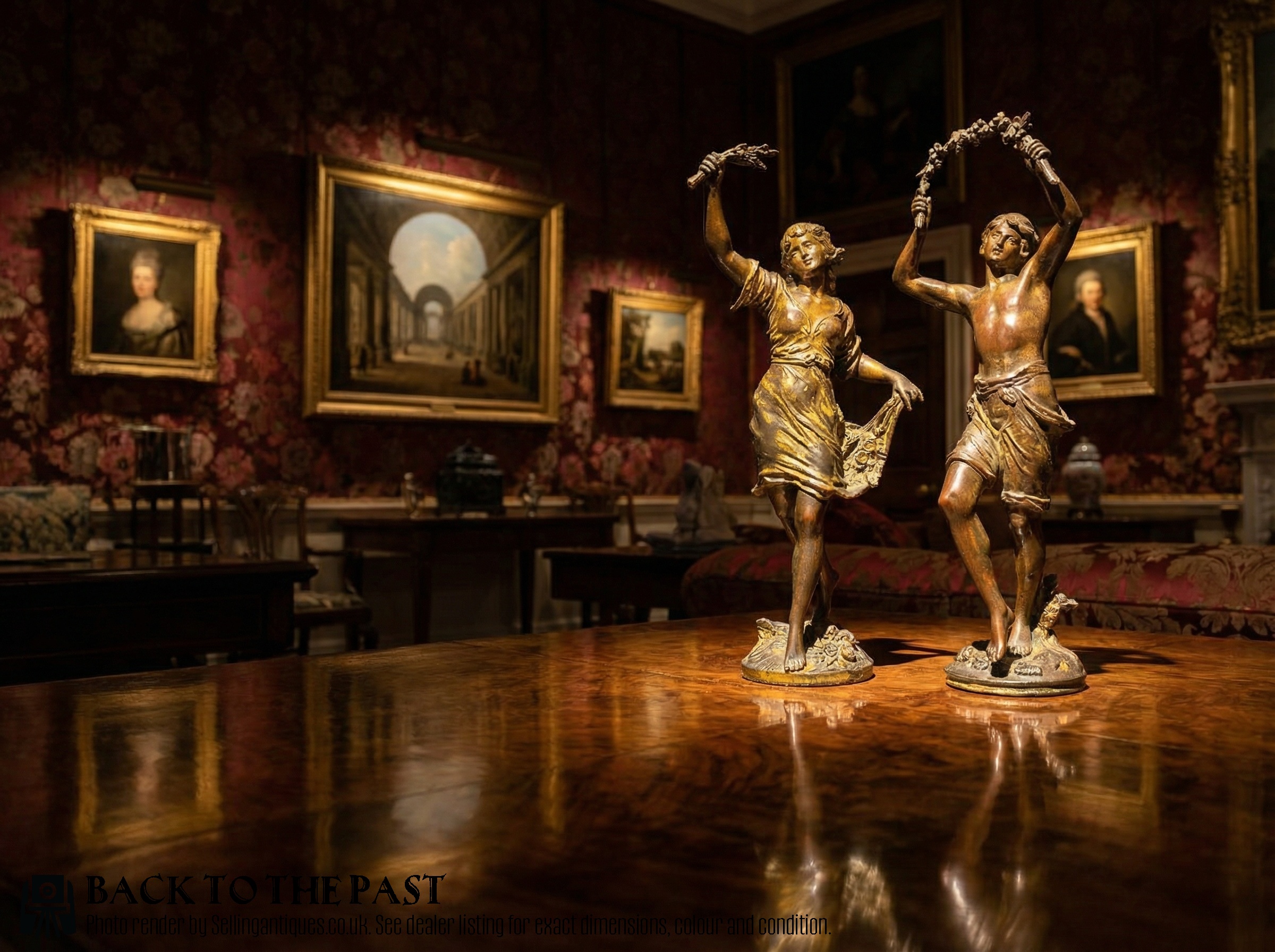
French Art Nouveau Figurines
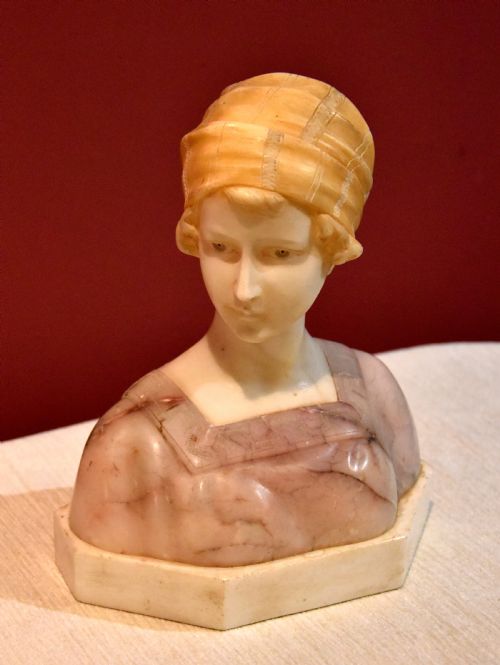
When you search for french art nouveau figurines, you encounter sculptural works that celebrate organic motifs, flowing drapery, and natural female forms. These pieces manifest primarily as cabinet bronzes, portrait busts, and table lamps originating from the late nineteenth and early twentieth centuries.
The objects on this page range from modest spelter models to substantial bronze and alabaster groups. Female figures, allegorical subjects, and animal studies dominate the selection, reflecting the distinct aesthetic of the belle epoque.
Makers often drew inspiration from nature, mythology, and daily life, translating these themes into decorative metalwork and carved stone. Such works served as interior ornaments for affluent homes during a period of rapid artistic experimentation.
Materials and Construction
Foundry practice relied heavily on traditional bronze casting, often utilising patination to create subtle tonal gradations across the surface of the metal. Gilt bronze and cold-painted finishes also appear, adding colour and visual depth to the finished sculpture.
Sculptors combined mixed media such as carved alabaster and marble for faces and drapery, mounting figures upon integrated stone plinths. Alternative materials like spelter provided a more accessible medium for mass-produced figures during the period.
A bronze panther shares space with five bronze peacocks, proving that turn-of-the-century artisans found drama in every corner of the menagerie.
Assessing Quality
Quality rests upon the crispness of the casting and the sensitivity of the hand-finishing applied to the surface. Finer examples exhibit sharp detail in hair, fingers, and fabric folds without the blurring common in secondary casts.
The choice of materials dictates the standing of a piece, with heavy cast bronze and fine-grained alabaster commanding greater regard than patinated spelter. Signature placement and foundry marks further distinguish works produced under the direct supervision of known sculptors.
Emmanuel Villanis·Mathurin Moreau·Georges Van Der Straeten·Rene Lalique·Clovis Masson
The French Art Nouveau Figurines Glossary
- Spelter
- A zinc-based alloy frequently utilised as a cost-effective alternative to bronze in nineteenth-century foundry work. It accepts patination readily to simulate heavier metals.
- Patinated Bronze
- Bronze treated with chemical solutions to produce a specific surface colour or tone. This process enhances the contours and depth of the sculptural relief.
- Alabaster
- A soft, translucent stone carved into portrait busts and figural groups. Its natural permeability allows light to penetrate the surface gently.
- Belle Epoque
- A period of French history spanning the late nineteenth century to the First World War. It is characterised by optimism, peace, and flourishing decorative arts.
French Art Nouveau Figurines: Frequently Asked Questions
How do I identify bronze from spelter?
Bronze feels heavier and displays a resonant chime when struck lightly, whereas spelter is lighter and softer to the touch. Examination of the underside often reveals the greyish metal beneath a worn patina.
Foundry marks and chiselled surface details generally point towards genuine bronze casting rather than alloy alternatives.
Where were these figures placed originally?
These decorative works stood upon mantelpieces, occasional tables, and bespoke pedestals within prosperous Parisian apartments and salons. They functioned as conversation pieces that reflected the refined taste of the owner.
Lighting fixtures and small desk seals also integrated sculpture into everyday domestic routines.
How should I clean alabaster figures?
Alabaster is porous and sensitive to moisture, requiring only dry dusting with a soft brush to maintain its surface. Water and chemical solvents will damage the delicate crystalline structure.
Displaying the stone away from direct sunlight prevents yellowing and preserves the natural translucency of the carved details.
What defines the art nouveau style?
The style rejects rigid classical symmetry in favour of asymmetric lines inspired by plant stems, waves, and insect wings. Sculptors translated these rhythmic contours into the posture and garments of their subjects.
Flowing hair and botanical elements unify the composition across both metal and stone mediums.