






Patinated Bronze Classical Statues
Patinated bronze classical statues bring ancient myth and historical design into the home through enduring metal cast in the nineteenth century and the Grand Tour tradition.
Patinated Bronze Classical Statues
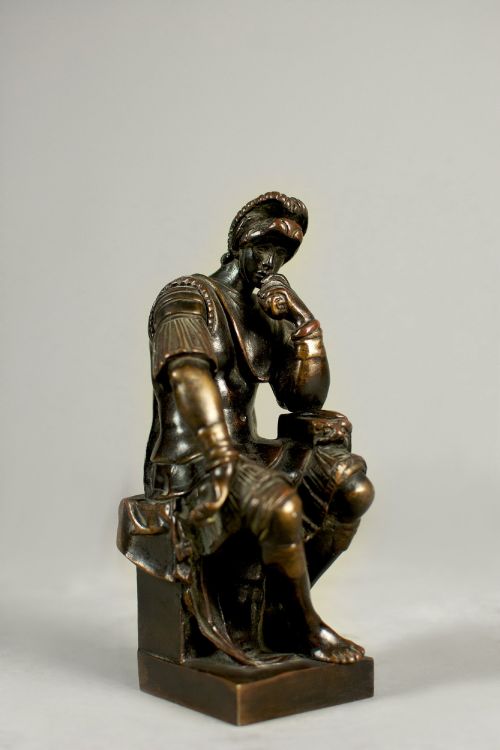
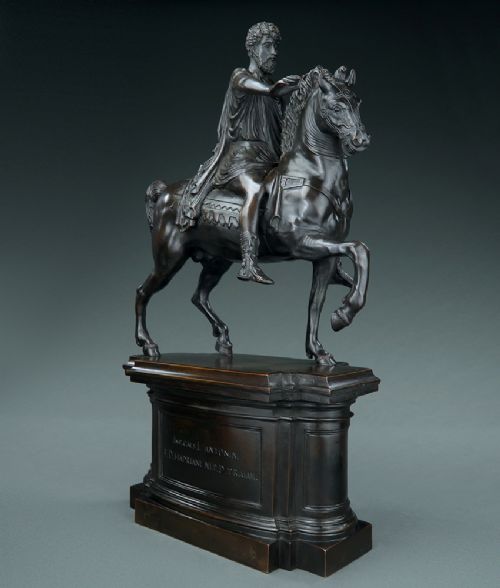
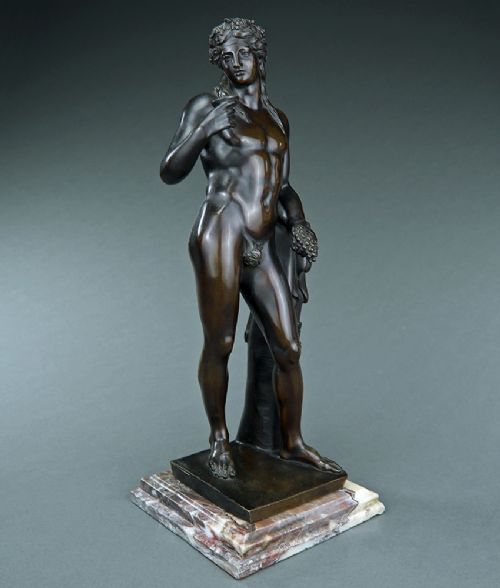
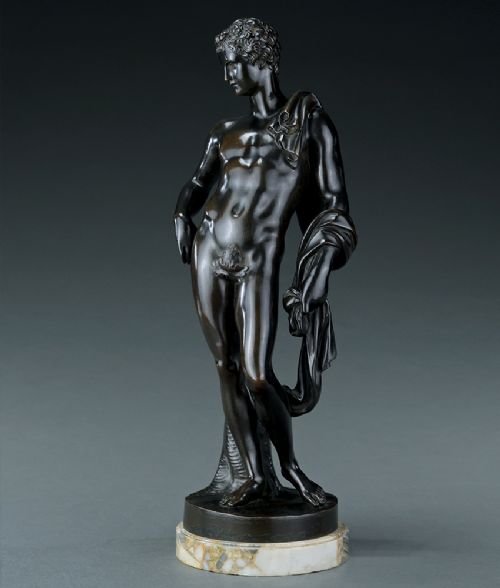
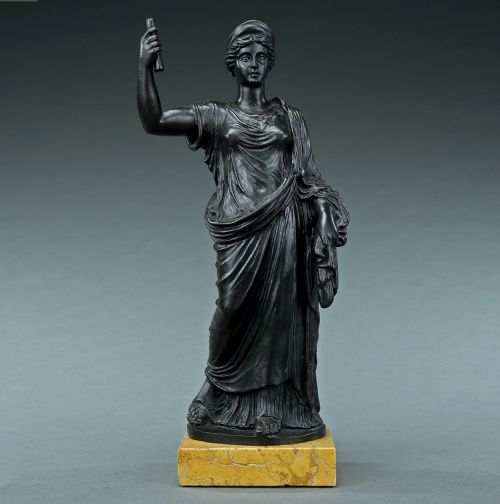
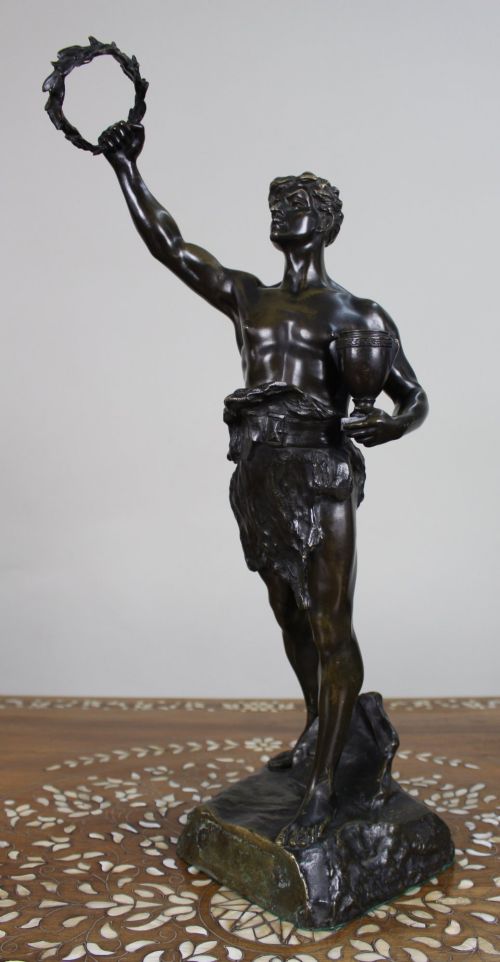
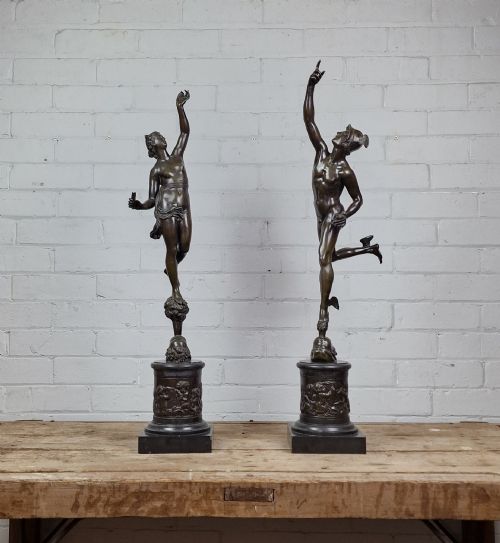
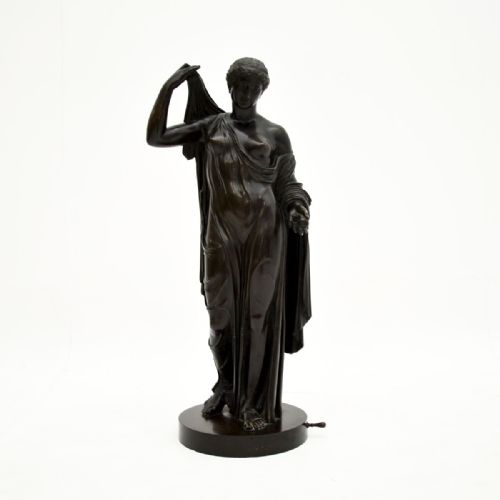
Patinated bronze classical statues draw directly from ancient Greek and Roman models, depicting figures such as Venus, Mercury, fauns, and gladiators. Collectors meet these pieces primarily in nineteenth-century French casts and Grand Tour souvenirs produced for travellers visiting classical sites.
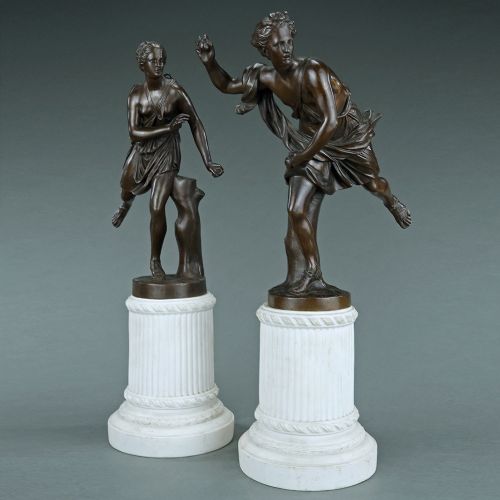
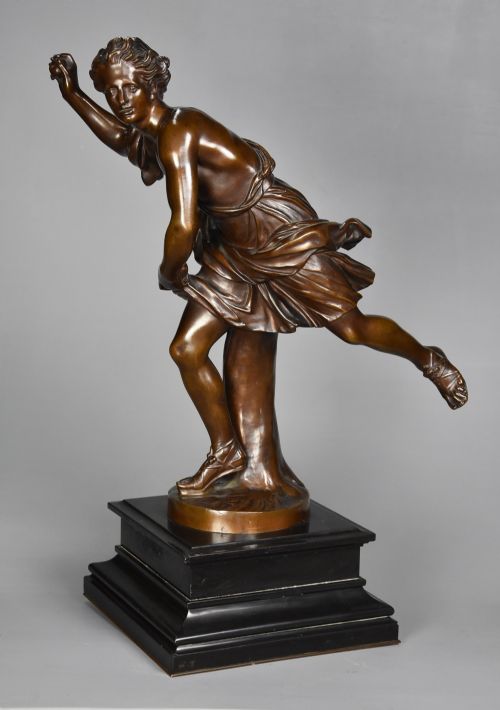
The forms range from small cabinet statuettes and lamp bases to large-scale gallery figures and sculptural groups. Makers rendered mythological heroes, dancers, and philosophers with distinct patination, often mounting them on marble bases.
French workshops and Italian foundries dominated production, capturing the neoclassical taste for antiquity through skilled metalwork. Pieces from this genre reflect both academic sculpture traditions and the romantic appeal of classical archaeology.
Materials and Casting Methods
Foundries utilised traditional bronze casting methods to capture fine anatomical details and flowing drapery. Artisans applied chemical patination treatments to the metal surface, achieving tones that ranged from deep brown and black to green verdigris.
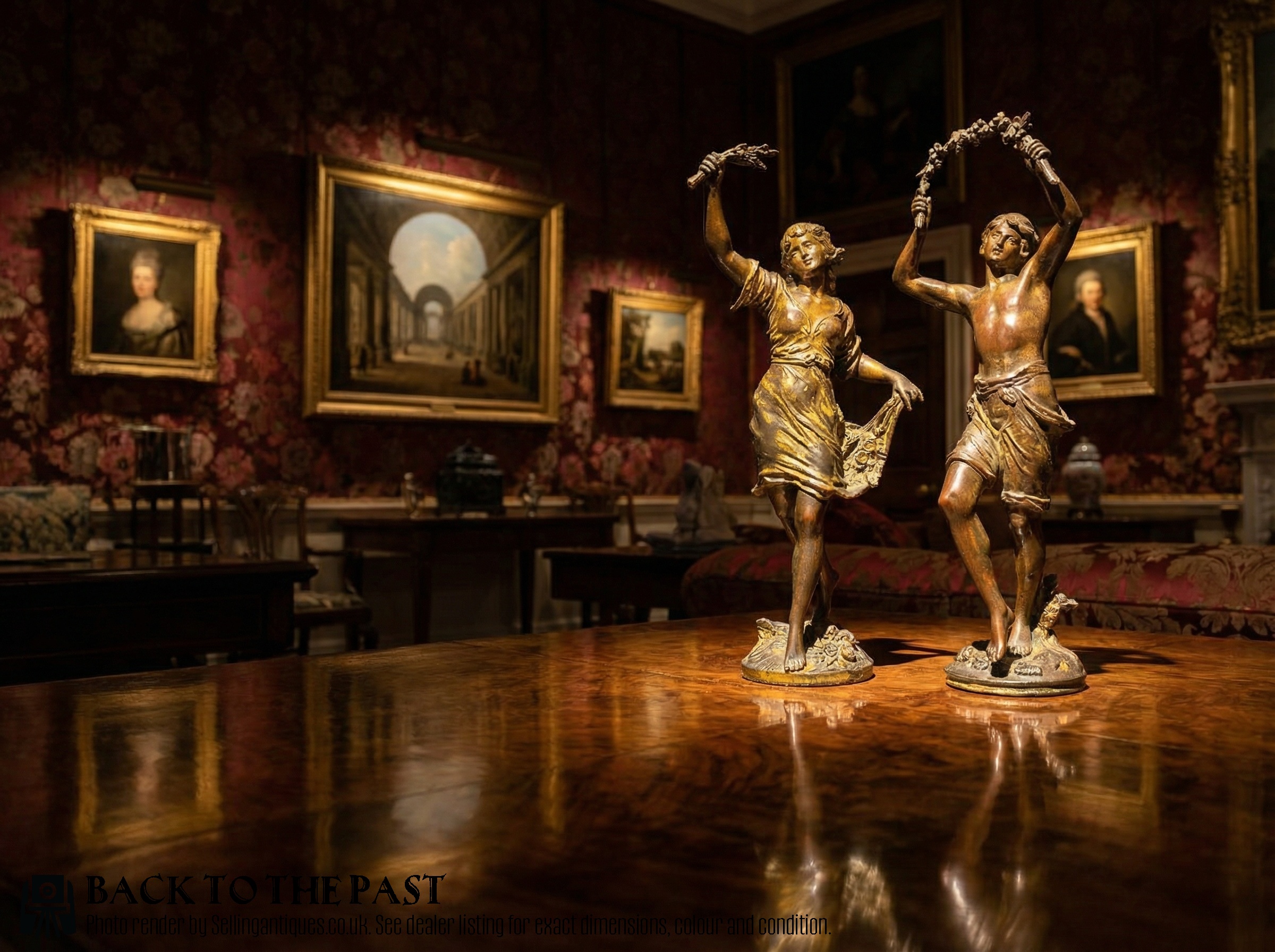
Several classical bronzes depict mischievous satyrs and fauns caught mid-dance or wrestling with goats.
The Spectrum of Quality
Quality rests in the crispness of the chasing and the subtlety of the surface patination. Superior casts preserve sharp facial expressions, individual hair strands, and precise anatomical definition without relying on post-cast filing.
The weight of the bronze and the integration of the figure with its marble or metal base distinguish standard foundry output from masterworks. Signed editions by notable Parisian foundries or named sculptors demonstrate greater refinement in both composition and material execution.
Ferdinand Barbedienne·Émile Louis Picault·Mathurin Moreau·Edouard Drouot·E. Villanis
The Patinated Bronze Classical Statues Glossary
- Patination
- The chemical treatment or natural weathering applied to the bronze surface to create colour and texture. This process protects the metal while defining highlights and shadows on the sculpture.
- Grand Tour
- The traditional journey of Europe undertaken by upper-class young men to absorb classical culture. Travellers purchased small bronzes and sculptures as tangible records of their educational travels.
- Lost-wax casting
- A method of metal casting where a molten metal is poured into a mould that has been created by means of a wax model. Once the wax is melted away, the bronze fills the exact cavity left behind.
- Neoclassical
- A Western cultural movement drawing inspiration from the art and culture of classical antiquity. Sculptors working in this style emphasised severe lines, heroic nude forms, and mythological subjects.
Patinated Bronze Classical Statues: Frequently Asked Questions
What is a Grand Tour bronze?
A Grand Tour bronze is a small replica of a famous ancient sculpture purchased by travellers touring Italy during the eighteenth and nineteenth centuries.
These pieces served as academic souvenirs and decorative objects for libraries and studies across Europe.
How do I care for patinated bronze?
Bronze requires minimal maintenance, needing only an occasional dusting with a soft, dry cloth to prevent dirt accumulation.
Avoid using water, oils, or chemical polishes, as these substances can damage or strip the historical patination.
Are these statues solid bronze?
Most nineteenth-century classical figures are hollow casts rather than solid metal to reduce weight and material costs.
Foundries used this method to maintain structural balance while allowing the use of thick bronze walls for durability.
Why do some bronzes have marble bases?
Marble bases provided visual contrast and physical stability for figures with dynamic or cantilevered postures.
Workshop artisans often matched specific marbles, such as Siena or black Belgian marble, to complement the bronze patination.