


Edwardian Bronze Desk Statues
Edwardian bronze desk statues are practical and decorative desktop works in cast metal, bringing the naturalism and animalier subjects of the period directly to your workspace.
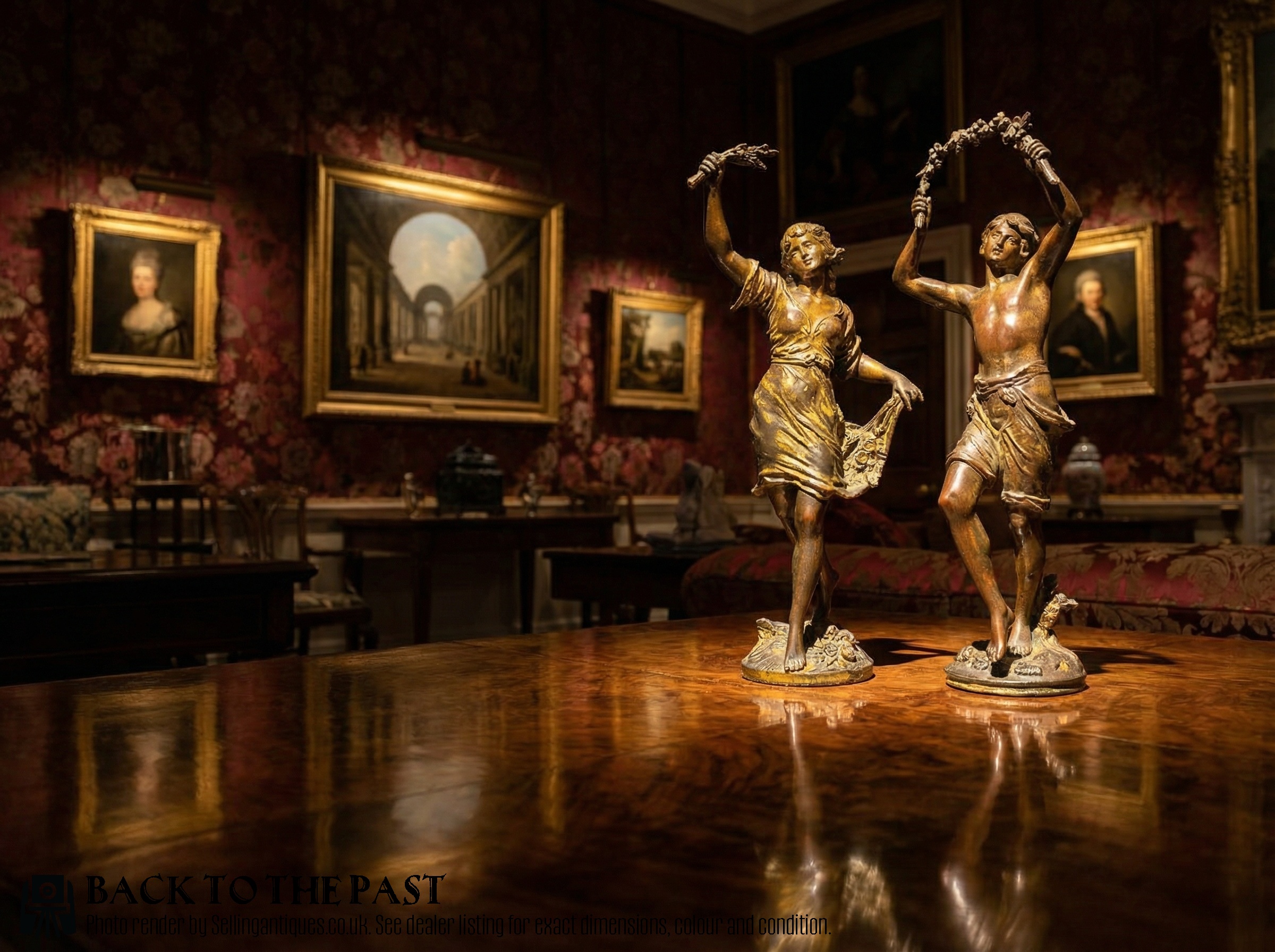
Edwardian Bronze Desk Statues
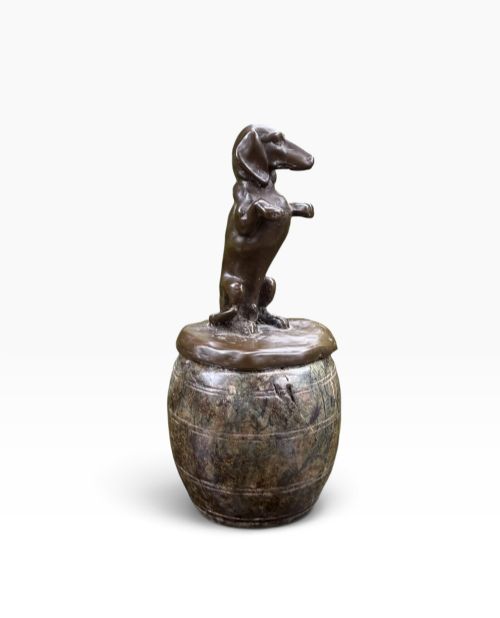
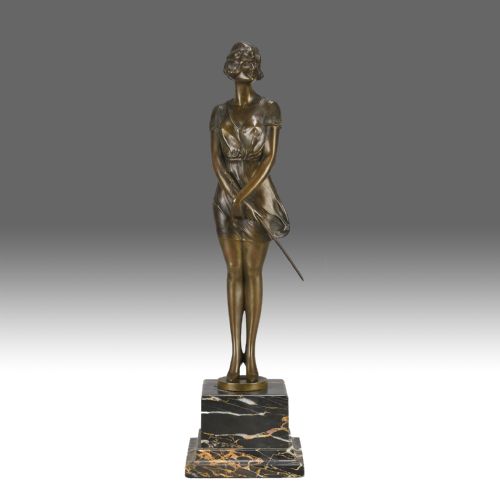
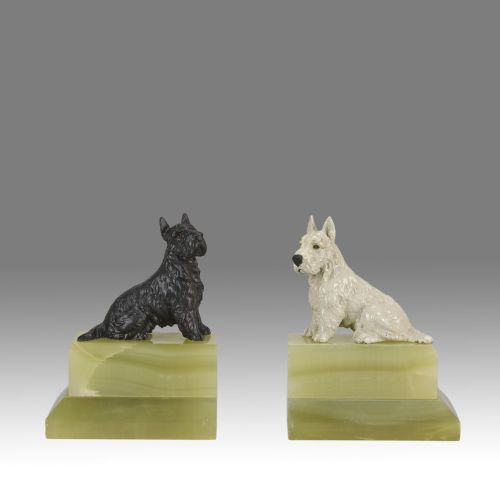
Edwardian bronze desk statues encompass a variety of small-scale sculptures, bookends, desk tidies, and table lamps designed to sit upon writing surfaces. These pieces frequently take the form of animal studies, figures, and busts produced around the turn of the century.
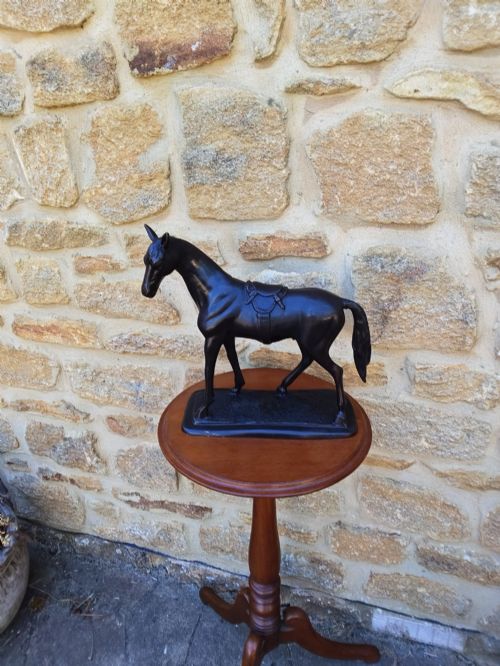
The objects combine utility with decorative bronze casting, spanning styles from academic realism and animalier to Vienna bronze and early art deco. You will encounter subjects ranging from dogs and horses to human figures and literary scenes.
Originating predominantly from the early twentieth century and late nineteenth century, these works reflect the craftsmanship of French, Austrian, and Italian makers. They serve as functional desk accessories as much as miniature works of art.
How they were made
The manufacturing process relies primarily on traditional metal casting techniques using bronze or spelter, frequently mounted on heavy bases of marble or onyx. Artisans shaped these materials into detailed figures of animals and human subjects.
Many examples utilise cold-painted finishes, where pigment is applied to the metal surface after casting to add realistic colour and detail to birds, dogs, and human figures. Glass and other metals occasionally appear as supplementary components in desk accessories and lamps.
Listings feature items dated from the nineteenth century through the nineteen twenties, incorporating bronze, spelter, marble, and glass.
What varies in quality
The standard of chasing and surface finish largely separates finer castings from simpler productions, defining the clarity of muscle, fur, and facial expression. A well-executed bronze study exhibits crisp detail that remains sharp across the entire figure.
The choice of base materials and the preservation of original cold-painted finishes heavily influence the character of each piece. Heavier stone mounts and intact polychrome pigments indicate a higher grade of original production.
Bruno Zach·Giuseppe Moretti
The Edwardian Bronze Desk Statues Glossary
- Bronze
- An alloy of copper and tin used for durable metal casting. It takes fine detail and patinates richly over time.
- Cold-Painted Bronze
- A technique where paint is applied to a cold metal casting rather than fired in a kiln. This finish is delicate and prized when preserved.
- Spelter
- A zinc-based alloy used as an economical alternative to bronze. It was commonly employed for figures and lamps around nineteen hundred.
- Animalier
- A nineteenth-century artistic focus on the realistic portrayal of animals. Sculptors captured creatures in motion or repose with anatomical precision.
- Vienna Bronze
- Small, highly detailed Austrian bronzes produced around the turn of the century. They are particularly known for cold-painted animal subjects.
Edwardian Bronze Desk Statues: Frequently Asked Questions
What are edwardian bronze desk statues?
These pieces are small cast metal sculptures, bookends, and desk tidies designed for use on writing desks and tables during the early twentieth century.
They often depict animals, figures, or literary scenes, combining decorative appeal with practical desktop utility.
How do I date an edwardian bronze?
Dating relies on stylistic markers such as the transition from late Victorian realism into early art nouveau and art deco forms. Maker signatures and registration marks also assist in placing a piece around nineteen hundred.
Materials like marble bases and cold-painted surfaces point directly to the manufacturing standards of the Edwardian era.
How should I care for cold-painted bronze?
Cold-painted surfaces require gentle dusting with a soft, dry cloth and protection from moisture and direct sunlight. Avoid chemical cleaners that can strip the delicate surface pigments.
Handling the metal minimally helps preserve the original painted finish on pieces like bird and animal statues.
What is the difference between bronze and spelter?
Bronze is a robust copper alloy that accepts fine chisel work and develops a deep natural patina. Spelter is a softer, lighter zinc-based metal used as a cost-effective substitute.
Spelter items often appear with applied metallic finishes rather than the warm, dense weight of genuine bronze.