
French Animalier Bronze Figure
A french animalier bronze figure captures wild and domestic animals with anatomical precision, offering collectors a tangible piece of nineteenth and twentieth century foundry mastery.
French Animalier Bronze Figure
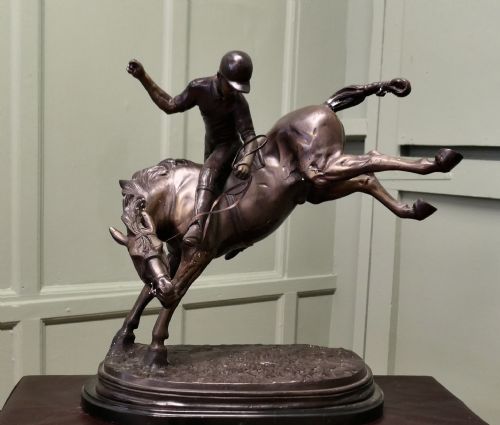
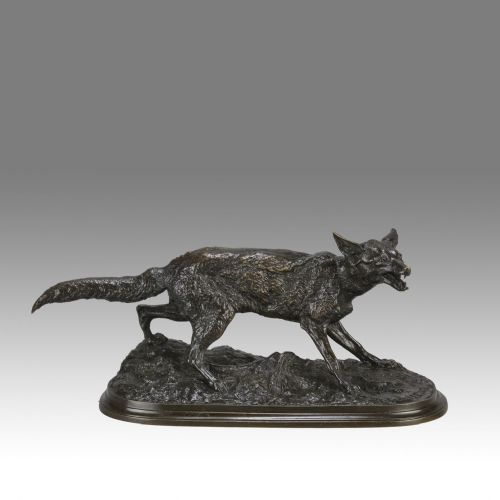
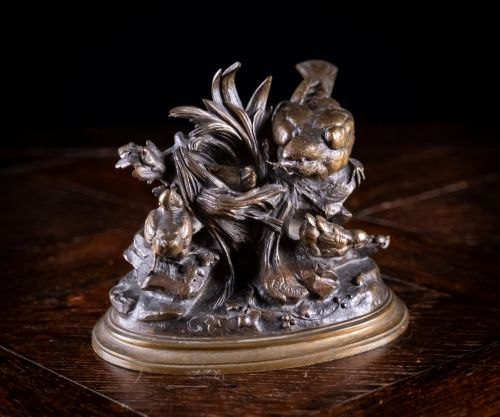
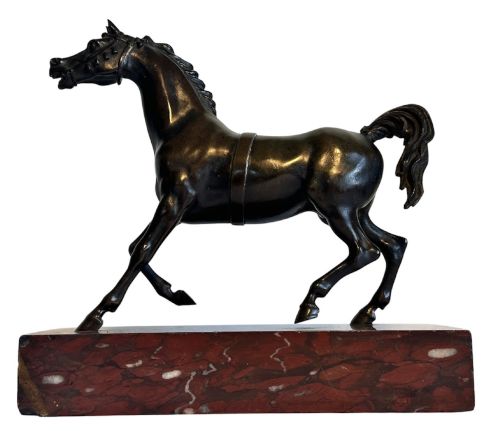
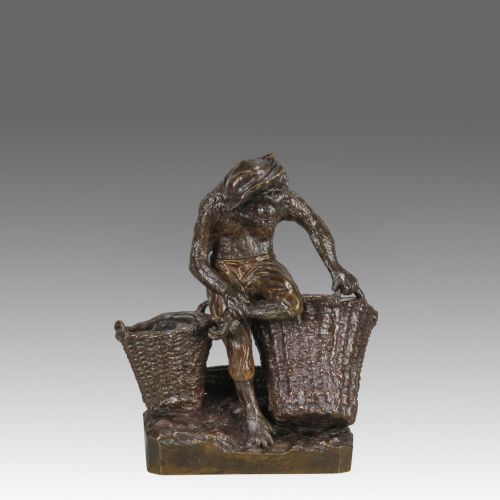
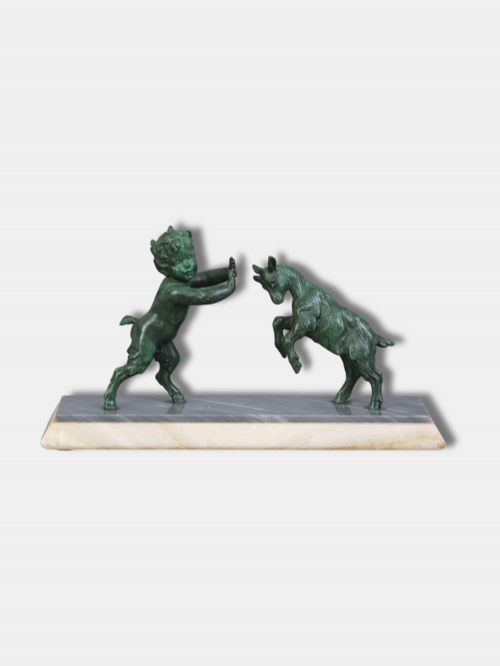
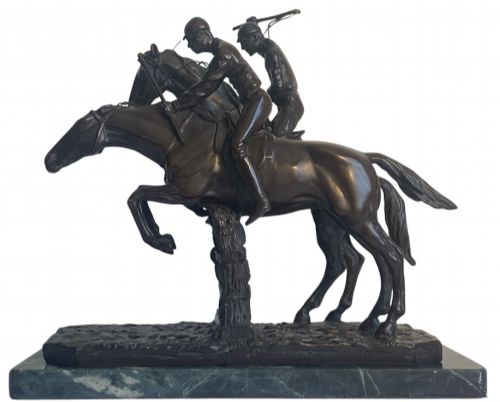
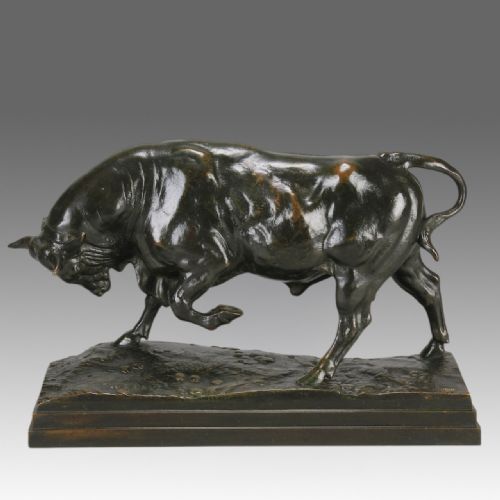
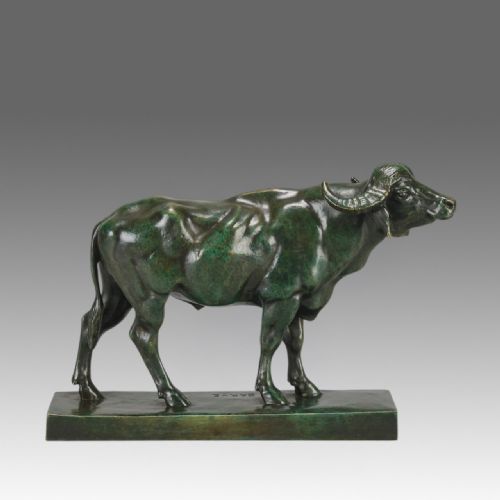
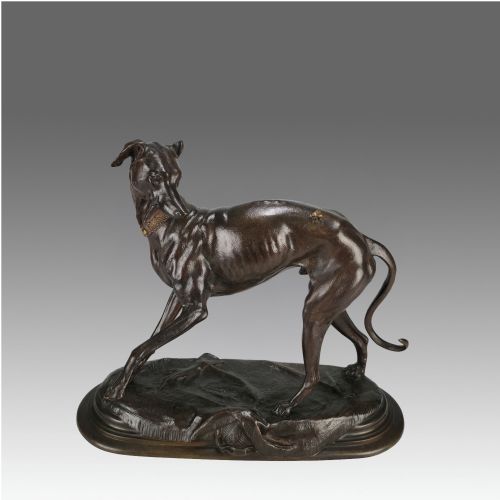
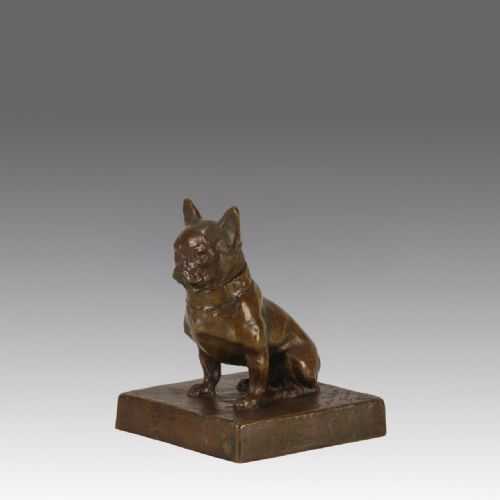
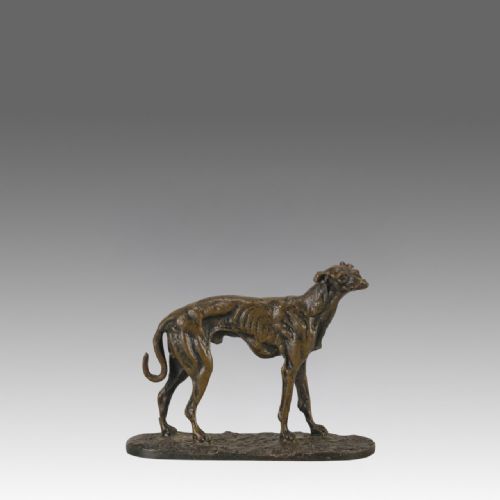
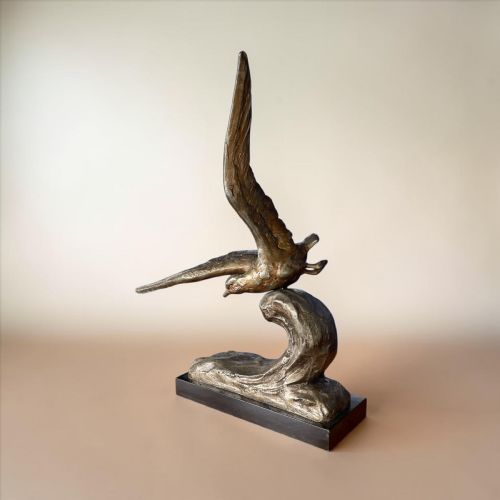
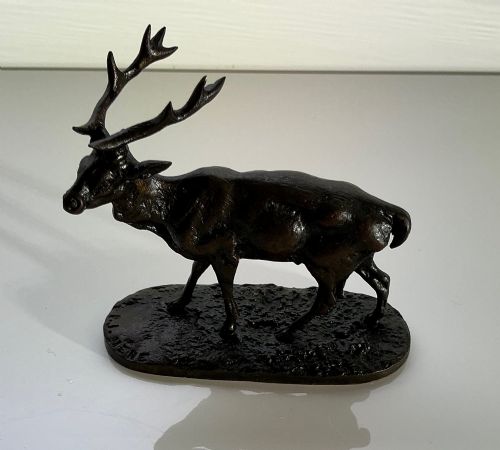
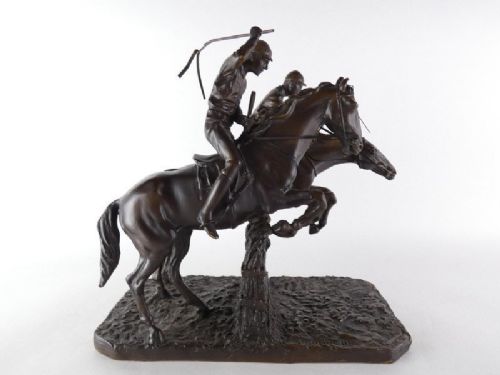
A french animalier bronze figure represents naturalistic animals, birds and occasional human figures engaged in rural or sporting scenes. These sculptures range from small desk ornaments to substantial gallery pieces depicting hounds, stags, horses and exotic wildlife.
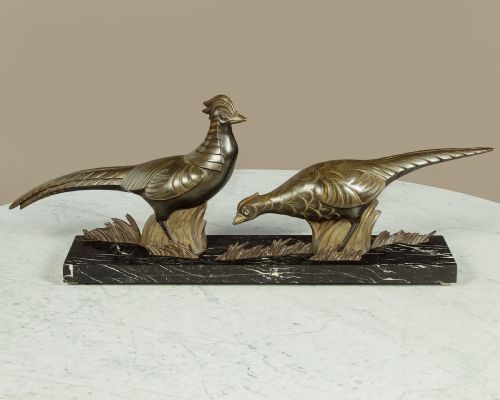
The versions most commonly met on this page date from the nineteenth century through the art deco period of the 1930s. They appear frequently mounted upon marble bases or cast with dark patinas, ormolu accents and gilt surfaces.
How they were made
Foundries utilised traditional lost wax casting or sand casting techniques to render animal musculature, fur textures and feathered wings with distinct clarity. Molten metal poured into moulds produced durable forms that received meticulous hand finishing and chiselling.
Makers applied patinas ranging from deep dark tones to gilded surfaces and ormolu details to enhance visual depth. Many sculptures incorporated bases formed of marble or integrated naturalistic settings like rocks, fences and foliage.
Listings feature periods spanning the mid nineteenth century through to art deco works of 1930, rendered in bronze, marble and spelter.
What varies in quality
Quality rests upon the crispness of the chase work and the fidelity of the anatomical modelling. Superior castings retain sharp details in fur, feathers and facial expressions without obscuring the underlying musculature.
The choice of patination and the integration of the sculpture with its marble or bronze base influence the overall presence of the piece. Foundries known for rigorous quality control achieved smoother joints and more convincing natural movement.
P J Mêne·Christophe Fratin·Emile Carlier·Antoine Louis Barye·Alfred Barye·Dora Heber·Isidore Jules Bonheur·Prosper Lecourtier·Alfred Dubucand·Charles Crozatier·Pierre Lenordez·Delabrierre·Victor Peter·Jules Moigniez·Paul-Édouard Delabrièrre·Barbedienne·Clovis Masson
The French Animalier Bronze Figure Glossary
- Animalier
- A nineteenth-century artistic movement dedicated to the realistic portrayal of animals. Practitioners focused on capturing the true behaviour and physical structure of beasts.
- Patina
- The surface coloration achieved through chemical treatment or natural ageing. This finish protects the metal and defines the highlights and shadows of the sculpture.
- Ormolu
- Gilt bronze mounted or applied as a decorative detail. It provides a contrasting golden sheen against darker patinated bronze elements.
- Spelter
- A zinc alloy used as a substitute for bronze in decorative figures. It is lighter and softer than bronze, often finished with metallic paint or patination.
French Animalier Bronze Figure: Frequently Asked Questions
What is a french animalier bronze figure?
These works are sculptural depictions of animals created primarily by French artists during the nineteenth and early twentieth centuries. They capture creatures in motion or repose with strict attention to anatomical realism.
Subjects span domestic dogs and horses alongside wild stags, birds of prey and big cats. Many pieces sit upon polished marble bases or incorporate functional elements like inkwells.
How were these sculptures displayed originally?
Nineteenth-century collectors placed these bronzes upon library desks, mantelpieces and drawing-room tables as decorative ornaments and paperweights. Their solid construction allowed them to serve functional roles such as inkwells while remaining fine art.
Exhibition in salons and domestic interiors reflected the period fascination with natural history and sporting life. Collectors often grouped smaller studies together to create curated tableaus of wildlife.
How do I distinguish bronze from spelter?
Bronze is a heavy, durable copper alloy that takes a deep, stable patina and rings softly when struck. Spelter, composed mainly of zinc, is noticeably lighter and softer to the touch.
Examining the underside or areas of wear often reveals the paler grey metal beneath a flaking finish on spelter pieces. Bronze maintains its structural integrity and surface depth much more effectively over time.
What periods do these pieces represent?
The listings encompass nineteenth-century romantic and realistic animalier works alongside later art nouveau and art deco interpretations from the 1920s and 1930s. Mid-nineteenth-century examples frequently showcase the foundational work of the Paris animalier school.
Later twentieth-century iterations shift toward stylised forms while retaining the core focus on animal subjects. Each era applies distinct patination styles and base materials characteristic of its manufacturing decade.