




Brown Bronze Wildlife Sculpture
These brown bronze wildlife sculpture works capture animals with striking realism, prized by collectors for their dynamic poses and enduring metalwork.
Brown Bronze Wildlife Sculpture
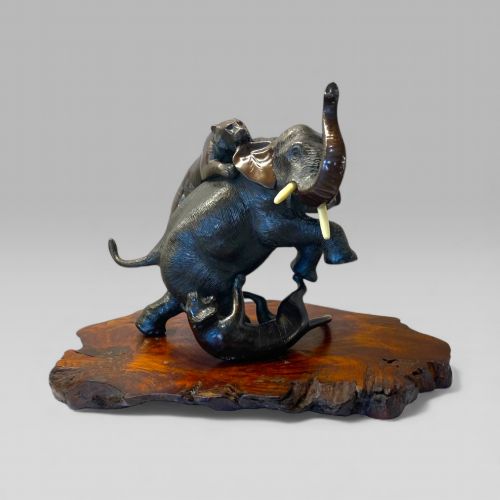
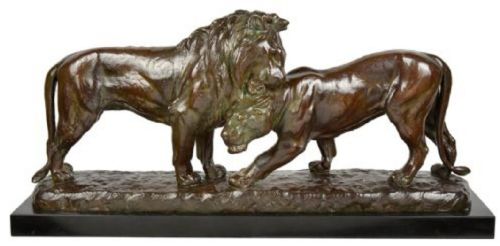
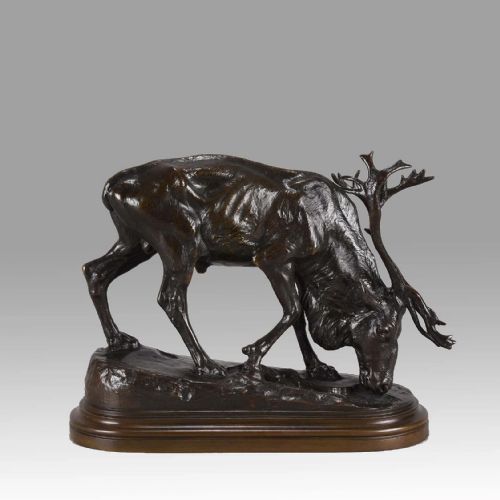
When you search for a brown bronze wildlife sculpture, you enter the nineteenth and early twentieth century world of animalier art. These pieces depict mammals and birds in naturalistic moments, ranging from solitary bears and stags to dramatic clashes between elephants and tigers.
You are most likely to meet French animalier bronzes alongside Japanese Meiji period works and Austrian cold-painted pieces on this page. The forms span small tabletop studies to substantial statues, often mounted on marble bases.
How they were made
The makers utilised traditional lost-wax casting methods to capture intricate muscular detail, feather texture, and fur. Metal patination created the characteristic brown surface tones, while select Austrian pieces received hand-applied polychrome paint.
Many sculptures incorporate complementary materials such as marble for plinths or wood for bases, providing weight and stability to the metal figures.
Watch out for tiny sculpted frogs hiding near the feet of larger bronze stags and elephants.
What varies in quality
Quality rests in the anatomical precision of the animal and the liveliness of the casting. A superior model reveals careful hand-chasing after casting, which sharpens textures like fur and claws.
The depth and richness of the brown patination also dictate quality. Softer casts lose definition in the musculature and feature flat, unvarying surface colour.
Franz Bergman·Clovis Masson·G Gardet·P J Mêne·Alfred Dubucand·Louis Riche·Isidore Bonheur·I Rochard·Jules Moigniez·Ferdinand Pautrot
The Brown Bronze Wildlife Sculpture Glossary
- Animalier
- A nineteenth-century artistic movement dedicated to the realistic portrayal of animals. Sculptors in this tradition studied live specimens in menageries.
- Cold-painted bronze
- A technique where the bronze receives oil or varnish paint without firing in a kiln. Over time, this finish develops a distinctive patina.
- Meiji period
- The era of Japanese history spanning from eighteen sixty-eight to nineteen twelve. Bronzes from this time often display extraordinary precision in wildlife depiction.
- Patina
- The surface coloration and sheen acquired by bronze through age or chemical treatment. This brown layer protects the metal and defines the visual depth.
Brown Bronze Wildlife Sculpture: Frequently Asked Questions
How do I display a bronze sculpture?
Place your sculpture on a stable surface away from direct heat sources and moisture. Ensure the supporting furniture can hold the weight, particularly with larger pieces mounted on marble.
Keep the piece out of direct sunlight to protect any painted surfaces or wood components. Regular dusting with a soft, dry cloth maintains the finish.
What is cold-painted bronze?
Cold-painted bronze refers to metal figures decorated with paint applied without high-temperature firing. This method allowed makers to achieve vibrant, lifelike colours on birds and wildlife.
Care must be taken with these pieces, as the paint can flake if exposed to moisture or rough handling. Gentle cleaning is essential to preserve the pigment.
How can I tell the period of a sculpture?
Examine the signature, foundry marks, and the style of the casting. Nineteenth-century works often bear the name of the sculptor or foundry directly on the bronze base.
Material choices like marble types and mounting styles also offer clues to the era of production. Comparing the piece to documented works by known makers helps confirm the date.
Why do some sculptures feature marble bases?
Marble bases provided stability and an architectural frame for animalier bronzes. They elevate the sculpture and protect the underside of the metal figure.
The colour and grain of the stone often complement the brown patination of the bronze subject. These plinths are frequently integrated into the original design of the piece.