




French Wildlife Bronze Ornament
These French wildlife bronze ornament pieces capture fierce and naturalistic animal forms in cast metal, bringing nineteenth-century animalier sculpture into your home.
French Wildlife Bronze Ornament
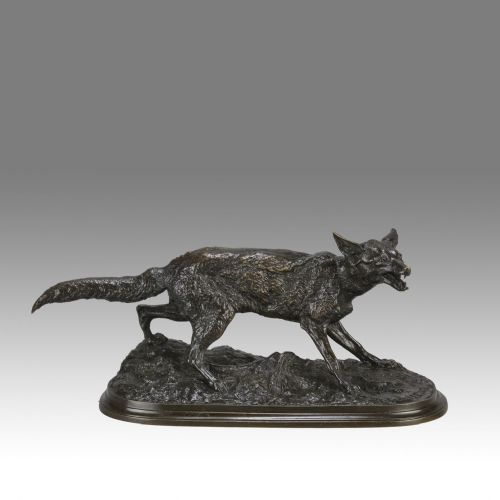
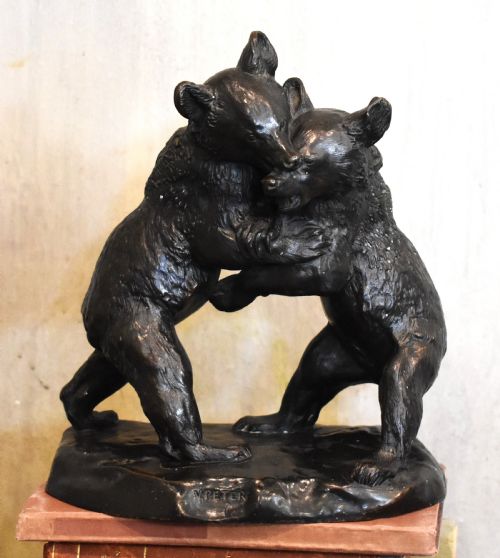
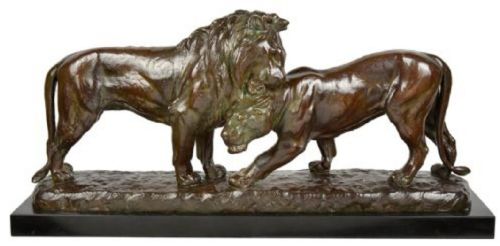
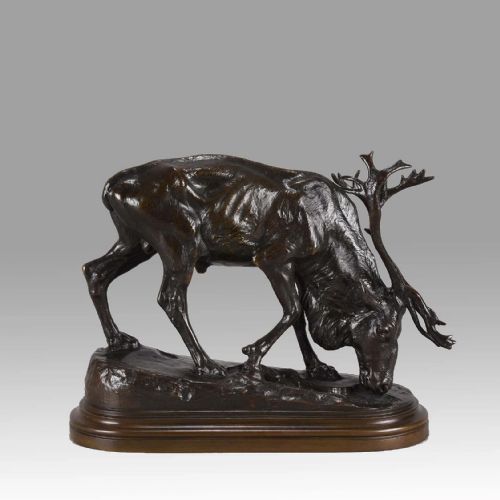
A French wildlife bronze ornament is a sculptural study of animals created during the nineteenth and early twentieth centuries. These works belong to the Animalier movement, which focused on realistic depictions of beasts, birds, and predators in dynamic poses.
You are most likely to encounter nineteenth-century pieces cast in bronze, often mounted on marble bases. The subjects range from bears and foxes to deer, hares, and eagles, reflecting a deep Victorian and continental fascination with natural history.
How they were made
These sculptures are produced using the traditional lost-wax casting method or sand casting in bronze. Molten metal fills a mould to capture intricate musculature, fur, and feather textures before finishing work is applied by hand.
Many examples feature a dark patina applied to the bronze surface to accentuate shadows and depth. Several pieces are mounted directly onto bases made of dark or green marble to provide weight and stability.
Nineteenth-century sculptors regularly visited the Paris Jardin des Plantes to sketch restless bears and prowling big cats from life.
What varies in quality
The depth and tone of the dark patina also influence the character of the object. Superior patination enhances the anatomical definition of the wildlife subject rather than masking the underlying metalwork.
P J Mêne·Victor Peter·Paul-Édouard Delabrièrre·Clovis Masson·Antoine Louis Barye·Barbedienne·Alfred Dubucand·Louis Riche·Isidore Bonheur·I. Rochard·Jules Moigniez·Ferdinand Pautrot
The French Wildlife Bronze Ornament Glossary
- Animalier
- A nineteenth-century artistic movement dedicated to the realistic portrayal of animals. Sculptors in this tradition studied anatomy closely at menageries.
- Patina
- The surface coloration and chemical sheen developed on bronze over time or applied during casting. A dark patina is typical for this group.
- Lost-wax casting
- A historic metalworking process where a molten metal is poured into a mould that has been created by melting away a wax model.
- Chasing
- The manual refinement of a raw bronze casting using small hammers and punches to sharpen details. This step determines the final texture of the animal's coat.
French Wildlife Bronze Ornament: Frequently Asked Questions
What is an animalier bronze?
An animalier bronze is a nineteenth-century sculpture depicting animals in realistic or dramatic poses. These pieces celebrate naturalism and accurate anatomical study.
Created primarily in France, they capture subjects like stags, bears, and birds of prey with striking physical presence.
How do I clean a bronze sculpture?
Bronze requires minimal intervention and should only be dusted gently with a soft, dry cloth. Avoid using water, soap, or metal polishes.
Applying a very light coat of microcrystalline wax can help protect the dark patina from atmospheric moisture.
Why are some mounted on marble?
Marble bases provide structural weight and a formal architectural contrast to the organic shapes of the wildlife figures. Green and dark marble were common choices for nineteenth-century displays.
These plinths also elevate the bronze sculpture safely above tabletop surfaces.
Are these pieces signed by the artist?
Many sculptures bear an engraved or cast signature of the sculptor along the edge of the bronze base. Some pieces also carry foundry marks indicating where they were cast.
Signatures help attribute the work to prominent nineteenth-century animalier masters.