



Vintage Metal Animal Sculpture
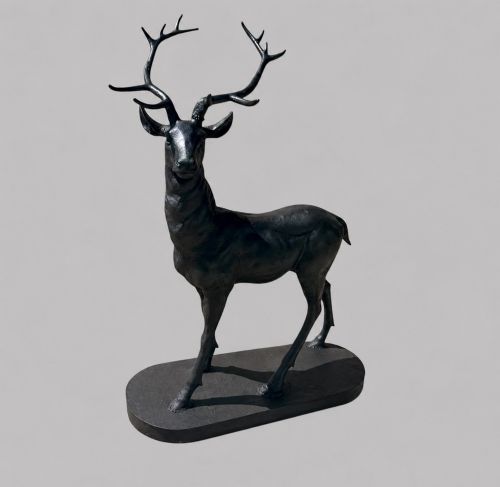
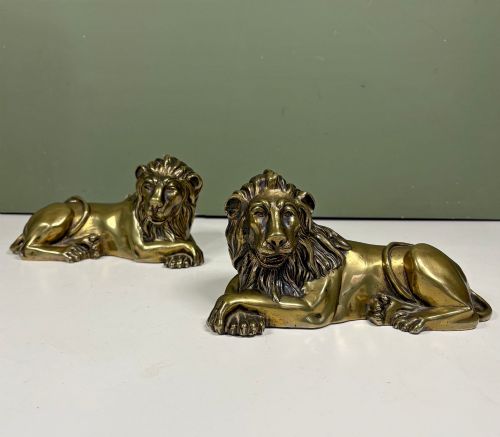
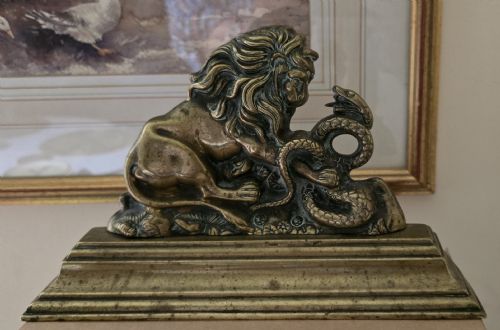
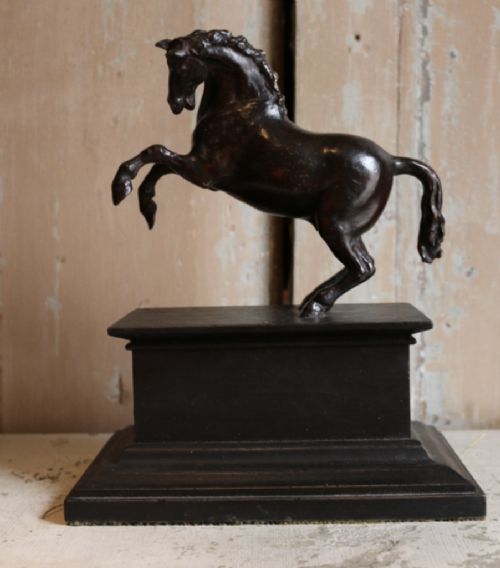
These vintage metal animal sculpture pieces span centuries of foundry work, bringing domestic animals, wild beasts and birds into the room in cast metal.
Vintage Metal Animal Sculpture
When you search for a vintage metal animal sculpture, you encounter figures cast from bronze, brass, iron, spelter and silvered metal representing everything from household dogs and farm animals to wild predators and exotic birds. The selection on this page ranges from small tabletop ornaments and desk accessories like inkwells and bookends up to life-size statues and doorstops.
The most common examples date from the nineteenth century through the art deco period of the early twentieth century, showing the enduring popularity of animalier subjects across European, Asian and British foundries.
How they were made
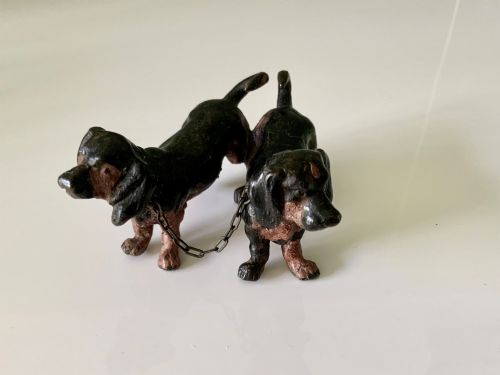
Foundries utilised traditional casting methods such as the lost-wax technique for bronze figures or sand casting for iron and heavier brass pieces, allowing makers to capture intricate fur, feathers and muscle definition. Many pieces received additional surface treatment, including cold-painted polychrome finishes, chemical patination to create dark bronze surfaces, silver plating or chrome finishes.
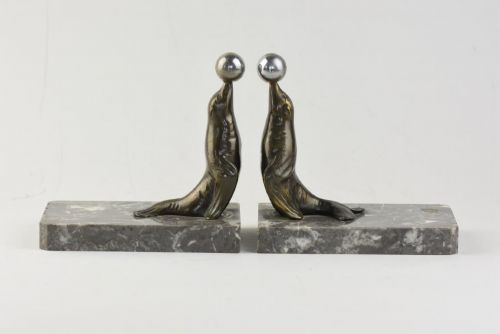
Figures cast in spelter - a cheaper zinc or lead-alloy substitute often used during the art deco era - frequently received painted or bronze-finish patinas to mimic solid bronze and were mounted on heavy marble bases for stability.
Several animals here are caught mid-action, including a nodding dog whose head bobbed on a spring to amuse Victorian visitors.
What varies in quality
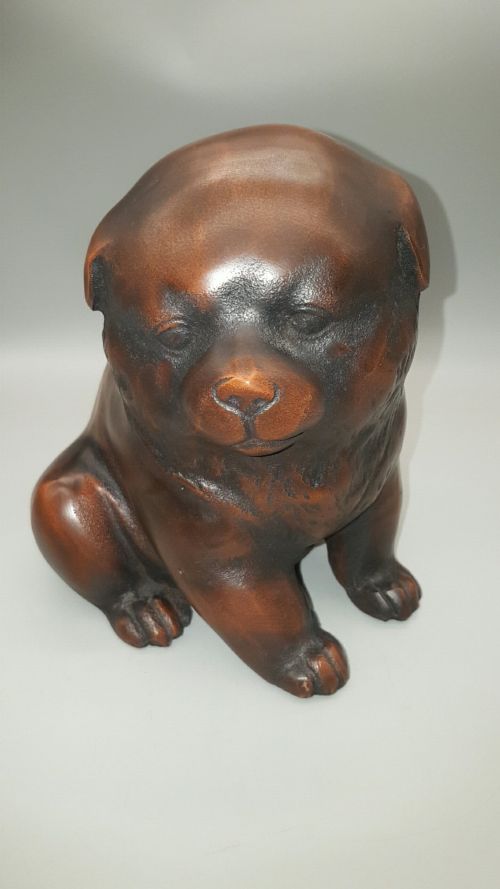
The standard of a vintage metal animal sculpture depends heavily on the crispness of the initial cast and the amount of hand-chasing applied by the metalworker after the piece left the mould. Superior examples retain sharp musculature, distinct facial expressions and detailed feather or hair textures without the softening blur seen in secondary casts.
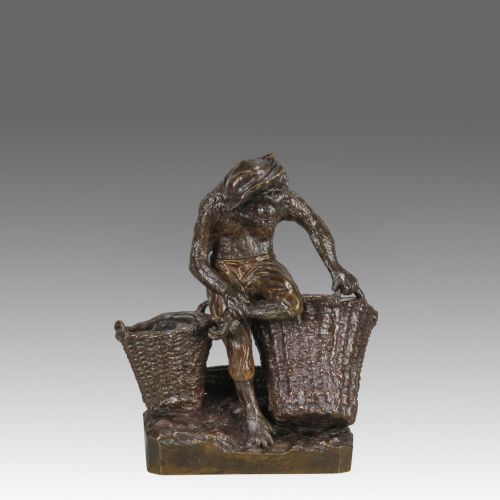
The quality of the patination or cold-painted polychrome surface dictates the visual depth of a piece, with master colourists achieving nuanced shading that elevates a simple metal casting into a lifelike study.
Tsunemitsu·Christophe Fratin·C Omin·Franze Bergman·Michel Decoux·Louis Riche·Isidore Bonheur
The Vintage Metal Animal Sculpture Glossary
- Animalier
- A nineteenth-century artistic movement dedicated to the realistic representation of animals, particularly wild beasts in motion or repose. Sculptors working in this style studied live subjects in menageries.
- Cold painted
- A technique where bronze or spelter figures are painted with naturalistic polychrome colours without being fired in a kiln afterwards. The paint sits on the metal surface and requires careful preservation.
- Spelter
- A zinc-based alloy commonly utilised as an economical alternative to bronze for decorative sculptures and bookends, particularly during the art deco period. It is lighter and softer than bronze.
- Patina
- The surface sheen or colour layer developed on metal through age or chemical treatment. Artists apply patinas deliberately to accentuate highlights and shadows on animal sculptures.
- Chasing
- The manual process of refining a raw metal casting using chisels and hammers to sharpen details and remove casting flaws. High-quality pieces show extensive hand-chasing work.
Vintage Metal Animal Sculpture: Frequently Asked Questions
How do I clean a bronze animal sculpture?
Dust the surface gently with a soft, dry brush to remove particles without disturbing the underlying patina. Avoid chemical cleaners or metal polishes, which strip away the historical finish and damage the metal.
Apply a very thin coat of microcrystalline wax if the metal requires protection against atmospheric moisture. Buff it off gently with a clean cloth after application to maintain a stable protective barrier.
Are spelter sculptures worth collecting?
Spelter offers an accessible entry point into collecting vintage animal figures, particularly for those interested in art deco designs. These pieces capture the stylistic vigour of the period without the higher cost of solid bronze.
Examine the base material carefully because spelter is softer and more brittle than bronze. Handle these figures with care to prevent chipping or breaking fragile limbs and extremities.
What is cold painted bronze?
Cold painting involves applying oil-based or enamel paints directly onto unheated bronze figures to depict realistic animal plumage or fur. This technique became particularly popular in Austrian workshops during the late nineteenth and early twentieth centuries.
Look for original paintwork under magnification, as flaking is common and touch-ups can affect collector value. The subtle wear on the paint often confirms the genuine age of the piece.
How can I tell bronze from spelter?
Bronze feels significantly heavier than spelter and has a ringing tone when tapped lightly, whereas spelter produces a duller thud. Examining an unpainted underside or base often reveals the paler, greyish metal of spelter beneath any surface finish.
Spelter is also softer to the touch and more prone to surface fatigue or cracking around stress points. Bronze maintains structural integrity and develops a rich patination over decades of handling.