
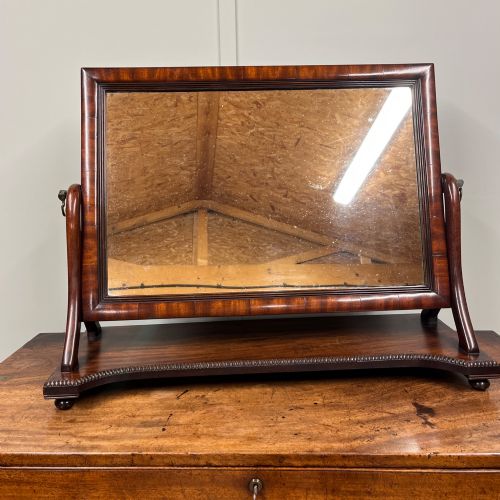
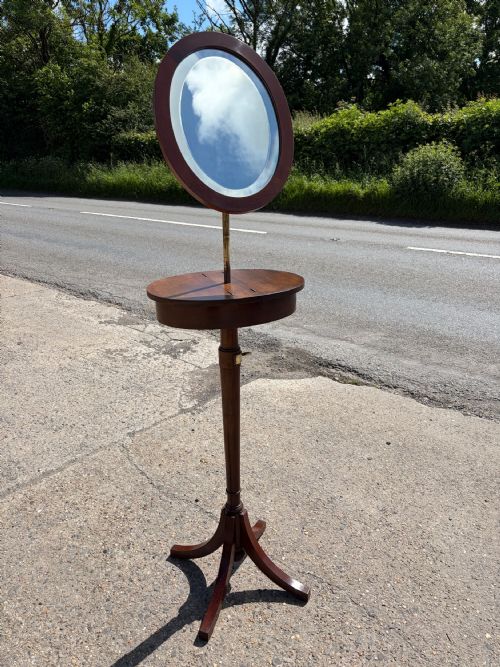


Freestanding Mahogany Table
A freestanding mahogany table offers finished timber on every side, designed to sit proudly in the middle of a room rather than against a wall.
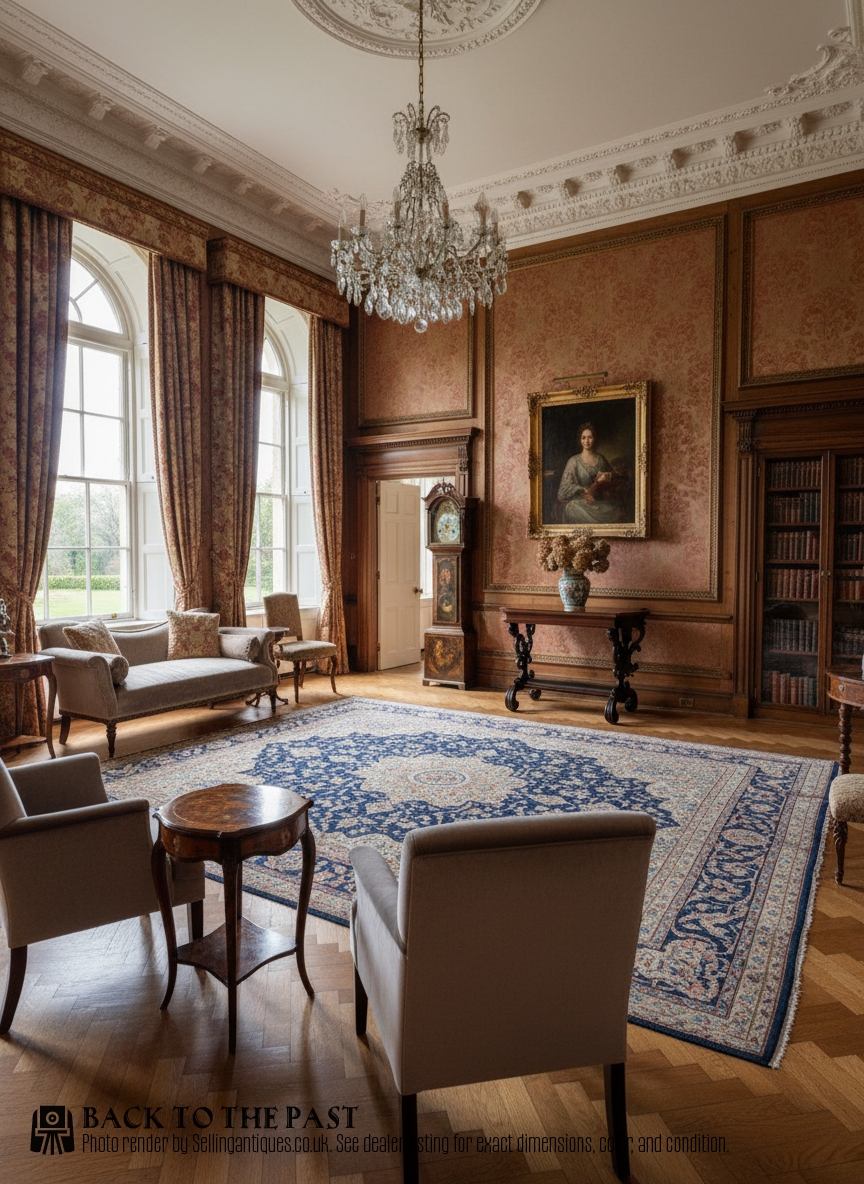
Freestanding Mahogany Table
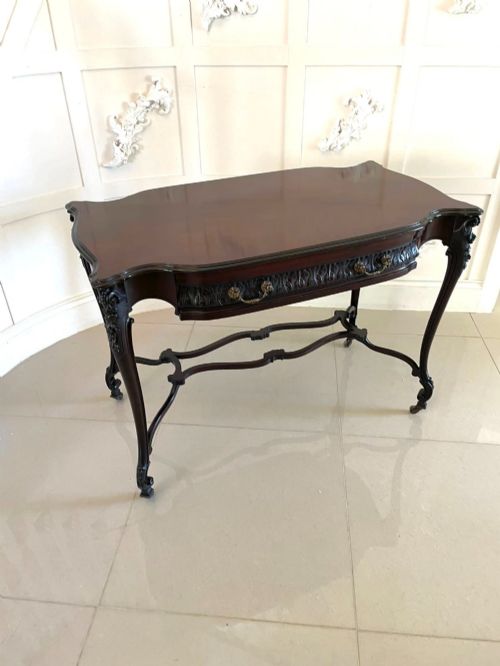
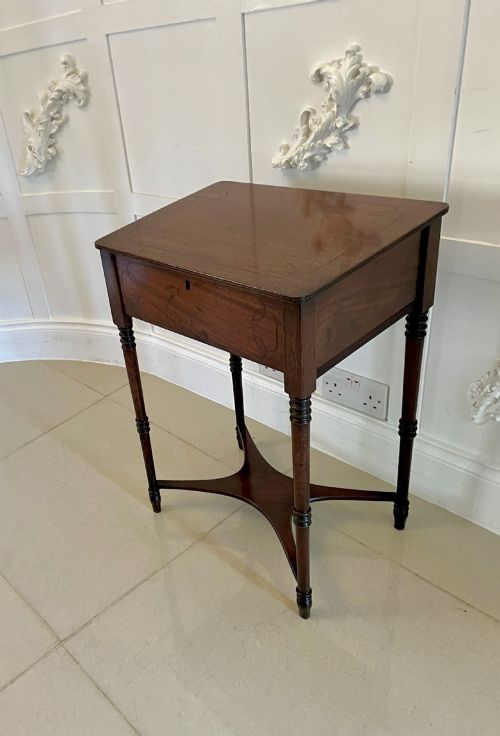
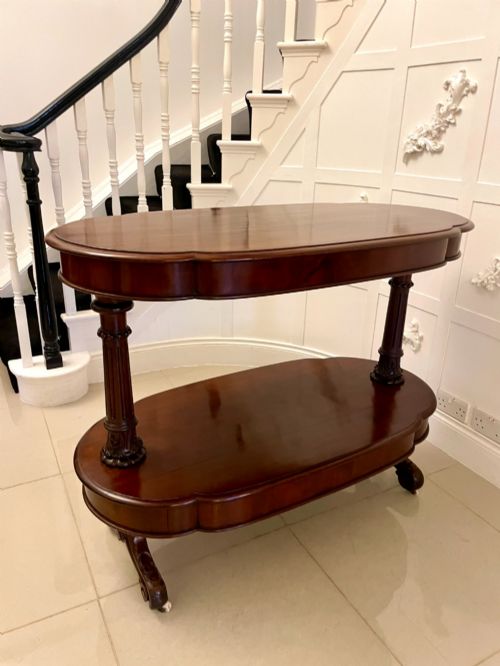
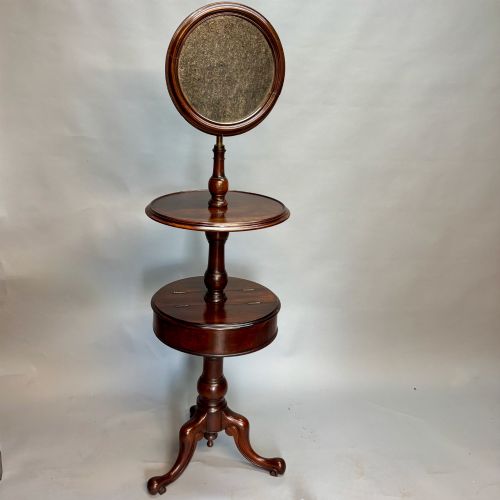
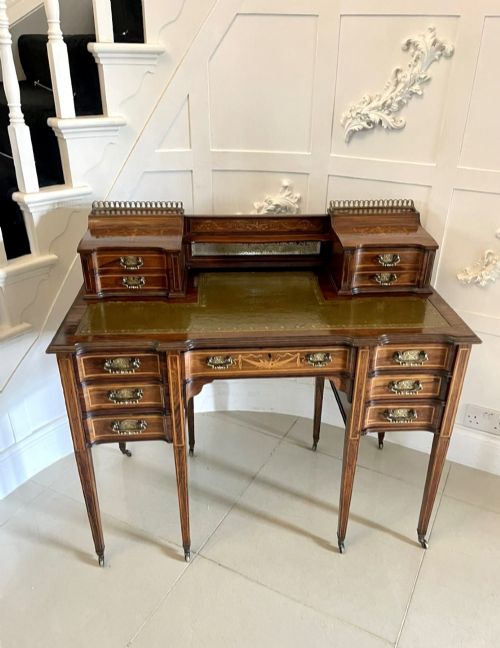
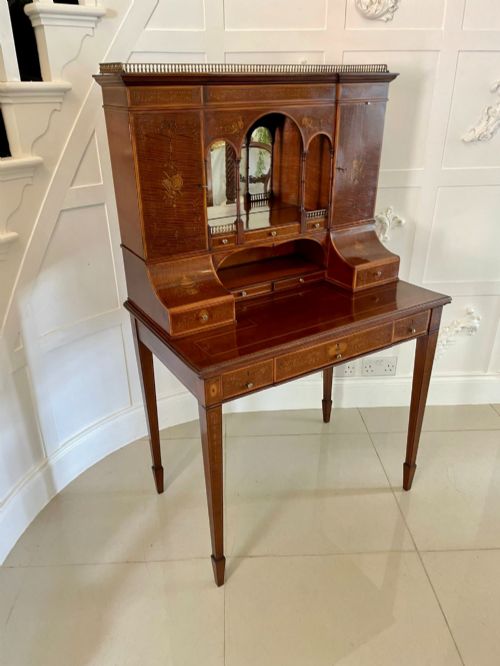
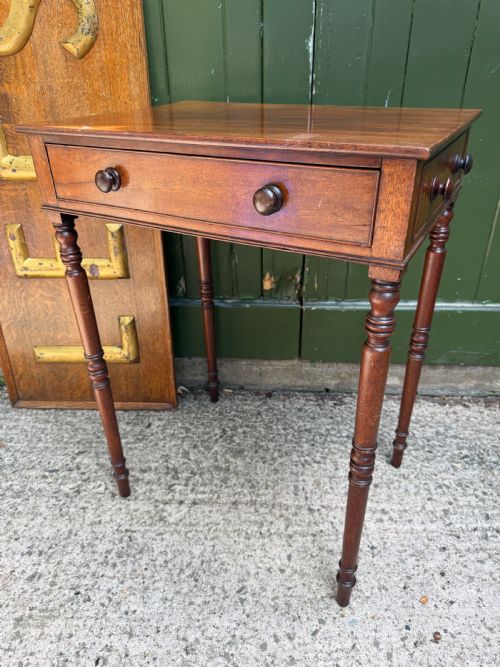
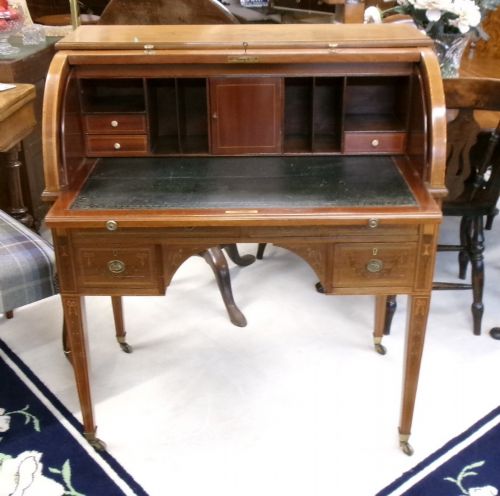
A freestanding mahogany table represents a broad category of nineteenth-century and earlier furniture intended to be viewed from all angles, breaking away from conventional wall placement. When searching for a freestanding mahogany table, buyers encounter an array of functional forms spanning writing desks, library tables, sofa tables, and occasional lamp tables. The selection ranges from the restrained elegance of George III and Regency designs through to heavier Victorian pedestals and refined Edwardian satinwood-inlaid pieces.
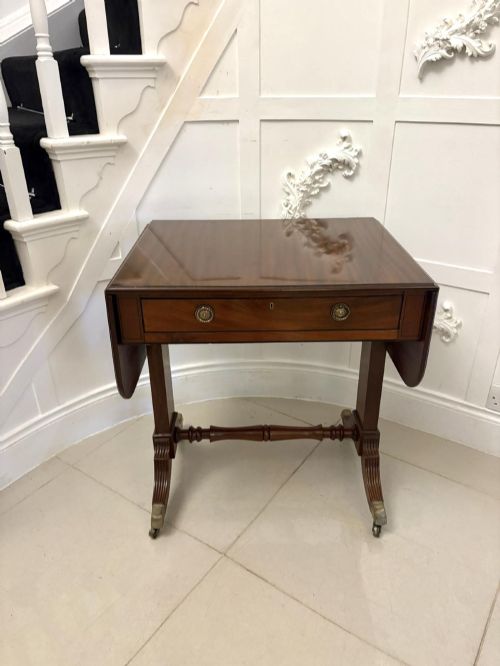
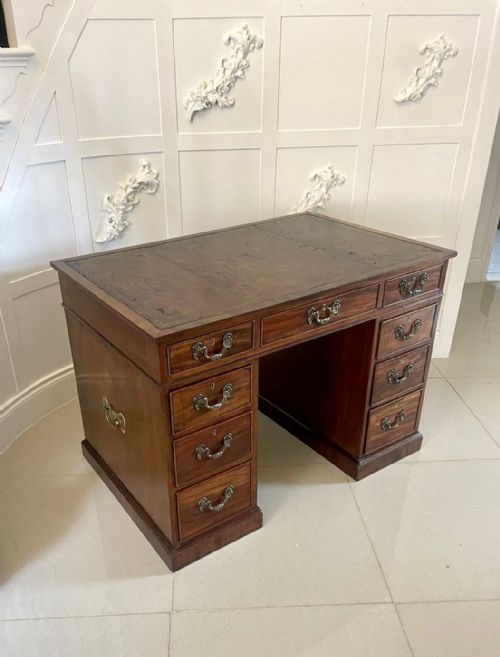
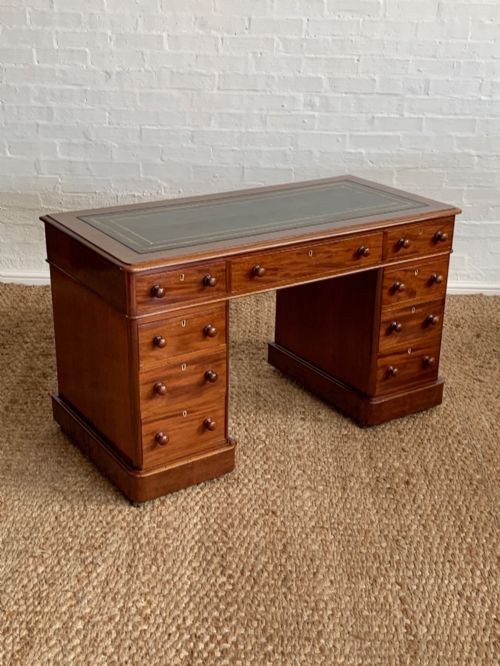
The most common examples met on this page include Regency sofa tables with drop leaves, Victorian library tables fitted with tooled leather writing surfaces, and Edwardian centre tables with carved details. These items were built to occupy the centre of grand rooms, studies, and libraries, requiring cabinetmakers to finish the backs and sides with the same care applied to the primary facade.
How They Were Made
Makers constructed these pieces using dense tropical hardwoods, frequently applying figured mahogany veneers over solid secondary timbers to achieve striking grain patterns on table tops and desk lids. Cabinetmakers utilised traditional joinery such as dovetailing for drawer construction and mortise and tenon joints for frames, ensuring structural stability without relying on modern adhesives.
Secondary materials played an essential structural and decorative role, with brass castors allowing heavy library tables to move smoothly, and inset leather or fabric providing durable writing surfaces. Inlaid details incorporated contrasting timbers like satinwood, while French polish finishes built up layers of shellac to protect the wood and deepen the warm reddish-brown colour.
Listings feature pieces spanning the Georgian, Regency, William IV, Victorian, and Edwardian periods, utilising mahogany alongside brass, leather, and satinwood.
What Varies in Quality
The division between standard workshop production and superior craftsmanship rests in the selection of timber and the precision of the carving. Master cabinetmakers selected premium figured mahogany with intense flame or curl patterns, whereas simpler pieces relied on plain, straight-grained stock.
Construction details also dictate standard, evident in the crispness of hand-carved mahogany foliage, the integration of secondary woods like oak or pine within drawer linings, and the subtlety of contrasting satinwood stringing. Finished backs on pedestal desks and library tables demonstrate a commitment to the freestanding form that cheaper utilitarian pieces often omitted.
Maple and Co·Gillows·T Winter
The Freestanding Mahogany Table Glossary
- Sofa table
- A rectangular occasional table featuring drop leaves on either short side, traditionally placed in front of a sofa. These pieces usually include two small drawers and stand on paired pillar supports.
- Centre table
- A large table designed to stand unanchored in the middle of a room, finished with decorative timber on all four sides. They often served as library tables or display surfaces in nineteenth-century interiors.
- Figured mahogany
- Timber harvested from specific sections of the mahogany tree, such as crotches or burls, producing dramatic wave or flame patterns. Cabinetmakers reserved these veneers for prominent surfaces like table tops and desk lids.
- Kneehole desk
- A compact writing desk featuring a central recess for the user's legs, flanked by banks of small drawers. Freestanding versions have finished panelled backs rather than plain timber meant for a wall.
- Stringing
- A narrow strip of contrasting wood, such as satinwood or boxwood, inlaid into channels cut into the mahogany surface. This technique created delicate geometric borders around drawer fronts and table edges.
Freestanding Mahogany Table: Frequently Asked Questions
What is a freestanding mahogany table used for?
These pieces served multiple domestic and administrative functions across the Georgian and Victorian eras, acting as writing desks, library work surfaces, or serving tables. Because their backs are finished with the same attention as their fronts, they were placed in the middle of rooms to hold books, lamps, or writing materials.
In modern interiors, they continue to function as central room dividers, sofa companions, or writing desks where wall space is unavailable. Their sturdy construction makes them practical for daily use as well as decorative display.
How do I identify a Regency period table?
Regency pieces, dating roughly from the early nineteenth century, typically exhibit classical restraint, clean architectural lines, and striking figured mahogany veneers. Look for brass lion paw castors, lyre-shaped pedestal supports, and subtle satinwood inlay rather than heavy Victorian carving.
Proportions during this era tended to remain elegant and balanced, drawing inspiration from classical Greek and Roman designs. Maker-stamped pieces from this period, particularly those associated with Gillows, reflect the highest standards of the style.
Where should I place a centre table?
A centre table requires an open space where it can be approached from all sides, making it ideal for the middle of a large study, drawing room, or entrance hall. Because the design deliberately finishes the reverse side, it should not be pushed against a wall.
Ensure there is enough clearance around the piece for movement, allowing chairs to pull out or people to walk past comfortably. Placing a lamp or a stack of books on top anchors the table visually within the room.
How do I care for antique mahogany furniture?
Maintain antique mahogany by keeping it away from direct sunlight and heat sources, which can dry out the timber and crack the French polish finish. Dust the surface regularly with a soft, dry cloth rather than using silicone-based aerosols that build up a greasy residue over time.
Apply occasional professional wax polish to nourish the wood and preserve its deep reddish-brown lustre. Using coasters and felt pads under objects prevents scratching the delicate polished surfaces.