




Freestanding Fireplace Screen
A freestanding fireplace screen keeps the room comfortable when the hearth is unlit, turning a functional necessity into a decorative focal point.
Freestanding Fireplace Screen
A freestanding fireplace screen is designed to stand independently before the hearth, shielding the room from lingering ashes or simply dressing an empty fireplace during warmer months. The listings show forms ranging from heavy spark guards to decorative panels intended primarily for visual impact.
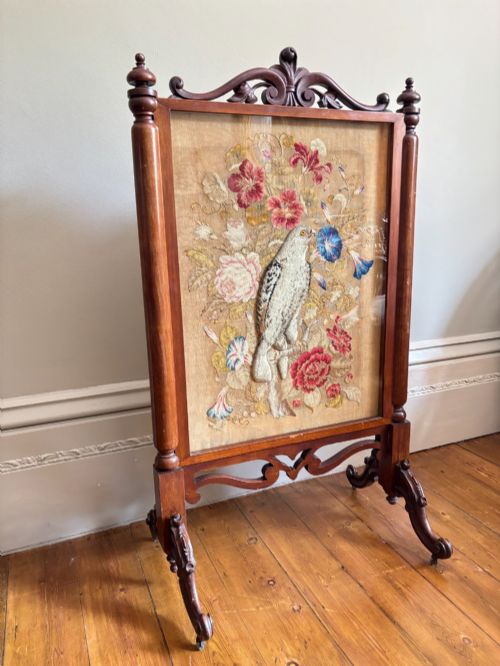
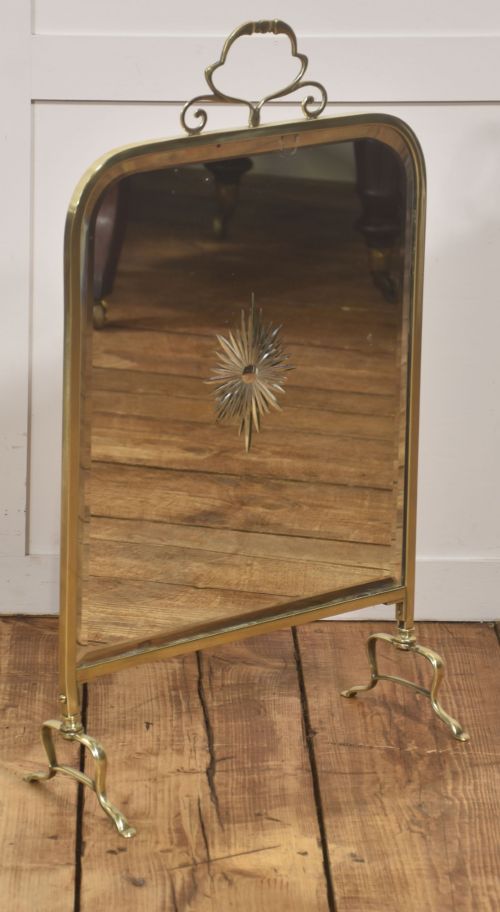
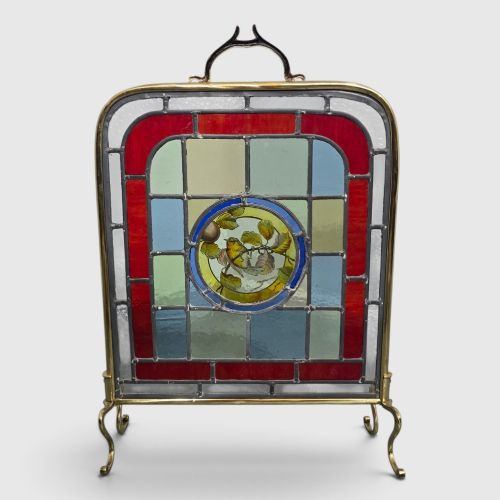
Victorian and Edwardian examples dominate the selection, bringing period character to a modern interior through varied materials and decorative motifs. You will encounter straightforward metal guards alongside elaborate framed panels featuring intricate needlework or mirrored glass.
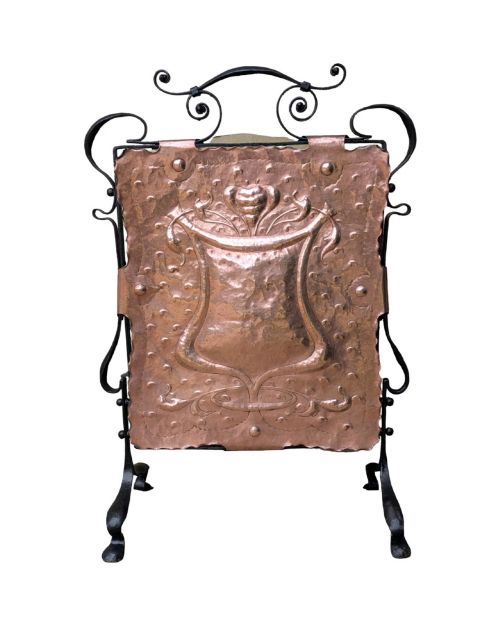
The materials span traditional metals and timbers, with brass, wrought iron, copper, oak, rosewood, walnut and Chinese hardwood all represented. These diverse substances support styles that include Gothic Revival, Arts and Crafts, Art Nouveau and French Rococo Revival.
How they were made
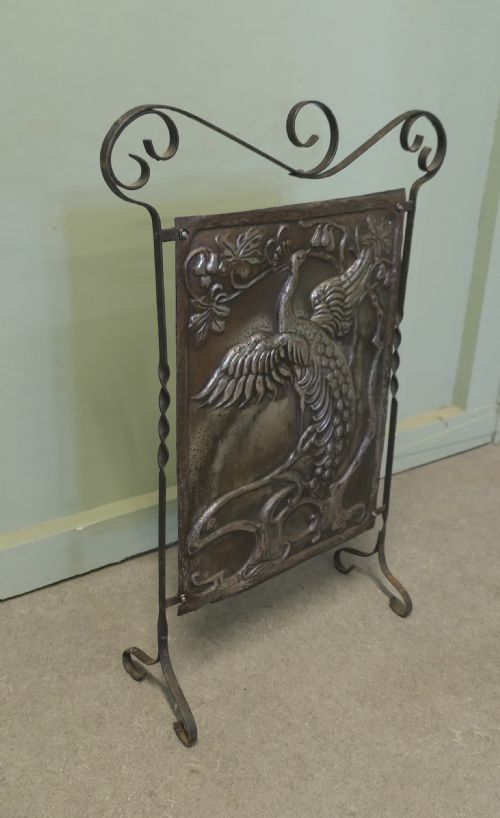
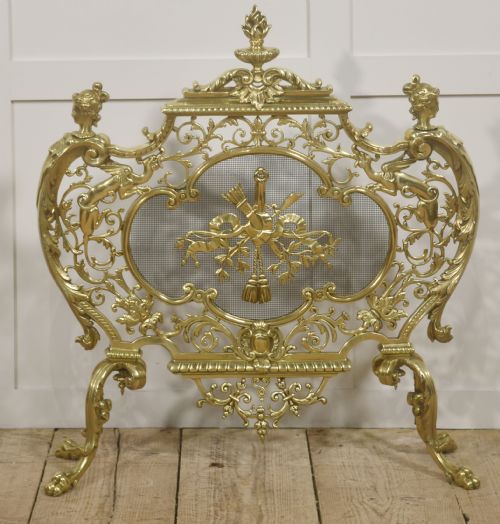
Metalwork forms the backbone of these pieces, utilising brass, copper, and wrought iron shaped through casting, piercing, and forging. Iron frames often double as spark guards, while brass and copper provide polished surfaces that reflect the room's light.
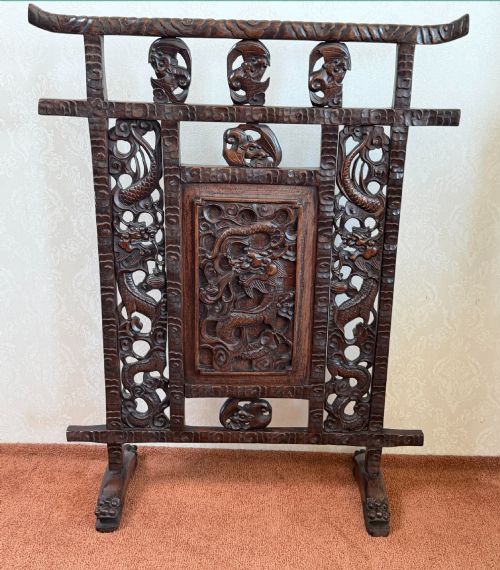
Wood and textiles add warmth and colour to the metal structures, employing timbers such as oak, walnut, rosewood, and Chinese hardwood to build stable frames. Panels of Berlin wool work, leather, and mirrored glass are then integrated into these wooden or metal armatures to complete the design.
Freestanding Fireplace Screen Retail Price Guide 2026
Typical asking prices for freestanding fireplace screen among the pieces listed under this phrase on Sellingantiques today, from the lower quarter to the upper quarter. They describe what is for sale here now, not the wider market.
Materials recorded across the inventory include brass, copper, wrought iron, glass, wool, rosewood, oak, leather, and Chinese hardwood.
What varies in quality
The weight and gauge of the metal determine the rigidity of the frame, separating substantial wrought iron and thick brass from lighter, more flexible constructions. Pierced brass and hand-wrought iron demonstrate greater artisan involvement than plain, mass-produced alternatives.
The choice of panel insert elevates the piece, particularly when fine textiles like Berlin wool work or bevelled mirrored glass are secured within carved hardwood or polished metal frames. Quality rests on the harmony between the structural support and the decorative centrepiece.
The Freestanding Fireplace Screen Glossary
- Berlin work
- A type of needlepoint embroidery popular in the nineteenth century, worked in wool on canvas from printed pattern charts. These colourful panels frequently form the decorative centre of Victorian screens.
- Spark guard
- A fine mesh or iron screen designed to catch stray embers leaping from an active fire. Many examples combine this practical duty with ornamental ironwork.
- Gothic Revival
- An architectural and decorative style drawing on medieval ecclesiastical forms, featuring pointed arches and heavy ironwork. This aesthetic appears frequently in robust nineteenth-century iron screens.
- Arts and Crafts
- A design movement valuing handcraftsmanship and simple, honest materials over industrial mass production. Screens in this style often highlight hammered copper and exposed fixings.
- Rococo Revival
- A flamboyant decorative style characterised by asymmetrical scrollwork, flowing curves, and naturalistic motifs. French examples in brass utilise these ornate flourishes around the frame.
Freestanding Fireplace Screen: Frequently Asked Questions
What is a freestanding fireplace screen?
A freestanding fireplace screen is a movable barrier placed in front of a fireplace opening. It serves to block drafts, hide an empty hearth, or catch stray sparks when a fire is burning.
These pieces sit independently on the floor without needing permanent attachment to the wall or mantel. They combine practical protection with decorative presence in the living space.
How do I choose the right size?
Measure the width and height of your fireplace opening before selecting a screen. The frame should comfortably cover the dark void of the hearth without overwhelming the surrounding mantelpiece.
Consider whether you want a low spark guard or a taller panel that alters the visual weight of the fireplace. Clearance around the hearth will dictate how far the feet or base can extend into the room.
Can I use these screens with a real fire?
Many wrought iron and brass designs function effectively as spark guards for active hearths. Heavy metal construction ensures the screen stays stable and resists heat.
Screens containing mirrored glass, delicate textiles, or wood panels are better suited to decorative use when the fire is unlit. Check the material composition to ensure it matches your intended way of living with the piece.