



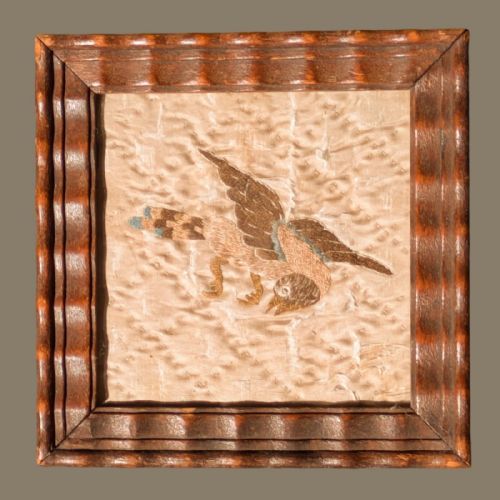


Antique Bird Needlepoint
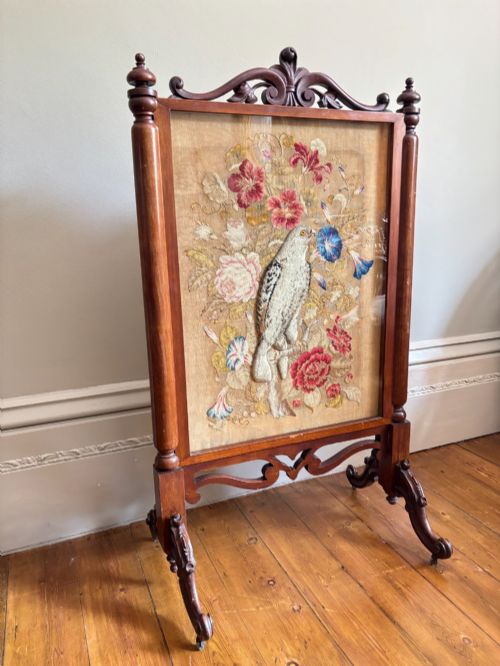
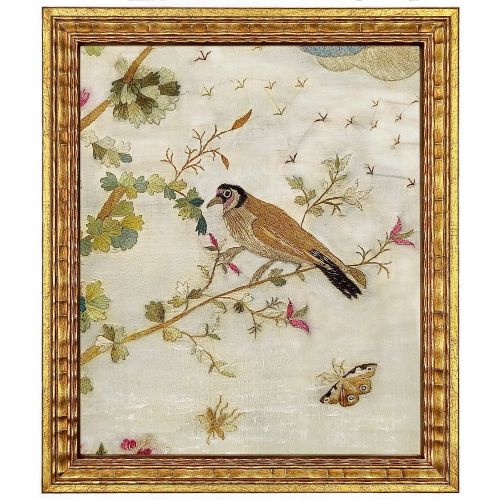
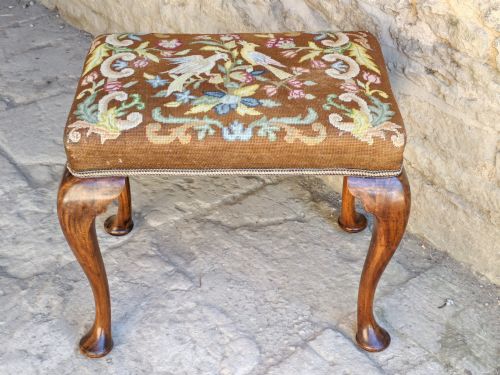
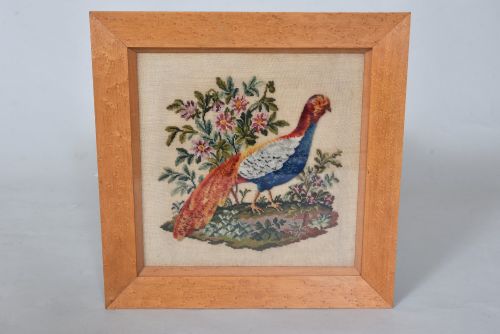
These antique bird needlepoint pieces bring historical textile art into your home through framed works, fire screens, and upholstered seating.
Antique Bird Needlepoint
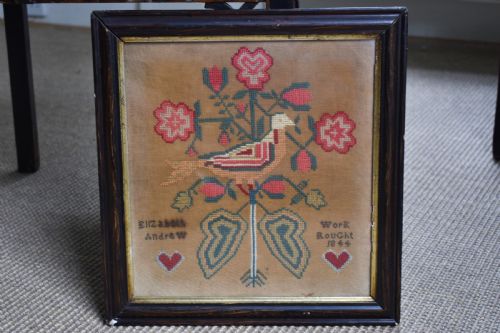
When you search for antique bird needlepoint, you encounter a range of historic textile works featuring avian subjects, spanning the Georgian, Regency, and Victorian periods.
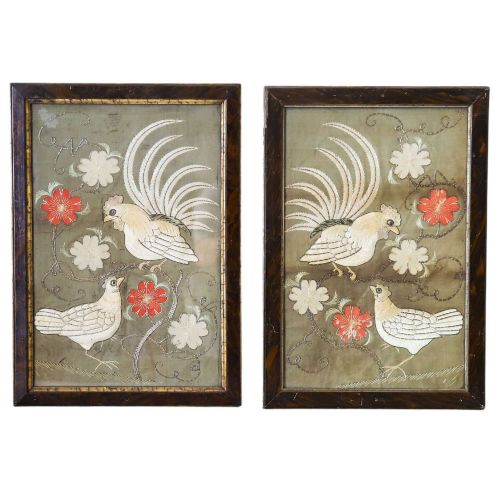
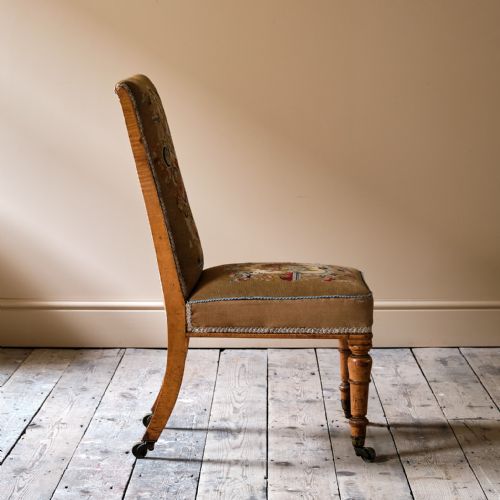
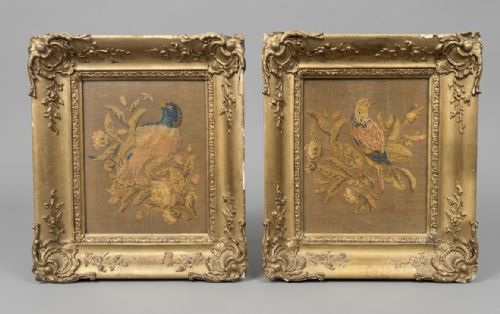
The selections on this page predominantly take the form of framed wall art, embroidered panels, fire screens, and stools, incorporating wool, silk, and linen mediums.
Originating across English and continental European workshops, these textiles encompass styles from Victorian Rococo Revival and Biedermeier to Chinese export pieces.
Materials and construction
Craftspeople worked wool, silk, and linen threads by hand onto ground fabrics to build rich textures and intricate plumage details.
Many of these textile panels are housed within period wooden frames, utilising maple wood, birds eye maple, walnut, and gold leaf.
Antique Bird Needlepoint Retail Price Guide 2026
Typical asking prices for bird needlepoint among the pieces listed under this phrase on Sellingantiques today, from the lower quarter to the upper quarter. They describe what is for sale here now, not the wider market.
Nineteenth-century sailors doubled as textile artists, stitching woolies of birds and ships during months at sea.
Assessing quality in needlework
The distinction between ordinary and superior pieces rests on the precision of the needlework and the complexity of the thread blending within the avian figures.
Original framing, such as period gilt or birds eye maple surrounds, elevates the integrity of the piece compared to later replacements.
The Antique Bird Needlepoint Glossary
- Berlin work
- A type of needlepoint embroidery worked on canvas from printed point paper charts, popular during the nineteenth century. This technique allowed for shaded and detailed pictorial designs.
- Plushwork
- An embroidery technique utilising raised, cut-pile loops that create a tactile, velvety surface. It often appeared on Victorian decorative panels depicting animals.
- Woolie
- A colloquial term for sailor's folk art embroidery executed in wool yarn, frequently depicting ships or marine scenes. These works were made by sailors during long voyages.
- Pole screen
- An adjustable fireside screen mounted on a vertical wooden pole with a tripod base, designed to shield a person's face from the heat of an open hearth. The screen panel often doubled as a showcase for decorative needlework.
- Biedermeier
- A central European style dating from the early to mid nineteenth century, characterised by utilitarian comfort and clean lines in wood furniture. Bird's-eye maple veneers frequently feature in this aesthetic.
Antique Bird Needlepoint: Frequently Asked Questions
How were antique fire screens used?
Fire screens served a practical purpose in period homes by protecting seated guests from the intense radiant heat of an open coal or wood fire. They were positioned near hearths and adjusted as needed.
Over time, as heating methods evolved, these screens transitioned into purely decorative furnishings, often displaying prized needlework panels to visitors.
Where should I hang silk embroideries?
Silk and wool embroideries require careful placement away from direct sunlight to prevent the fading of natural dyes over time. Wall spaces with stable ambient temperatures work best.
Keep these textiles out of damp areas like unheated rooms to protect the organic fibres and wooden frames from moisture damage.
How do I date an antique needlepoint?
Dating relies on examining the framing materials, the type of canvas or ground fabric, and the specific style of the needlework stitches. Victorian pieces often use Berlin work charts, while Georgian works show different thread applications.
Backings, mounting techniques, and the type of wood used in frames also offer reliable clues to the period of origin.
Can I reupholster chairs with antique tapestry?
Using antique tapestry or needlepoint on chairs requires careful consideration of the fabric's structural strength and remaining integrity. Fragile silk works are generally unsuitable for high-use seating.
sturdier wool needlepoint on side chairs or stools can withstand gentle daily use if properly supported by modern lining materials beneath.