






Framed Watercolour Landscape Artwork
Framed watercolour landscape artwork brings the quiet light of fields, rivers and coastlines directly onto an interior wall.
Framed Watercolour Landscape Artwork
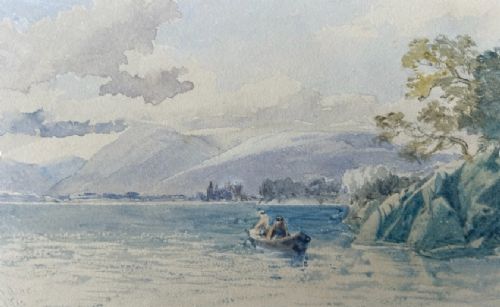
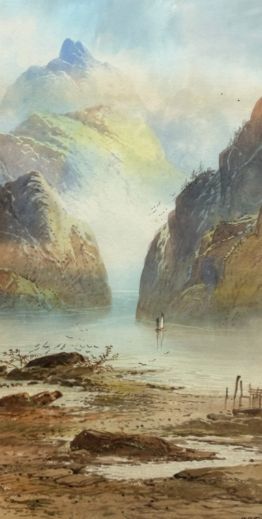
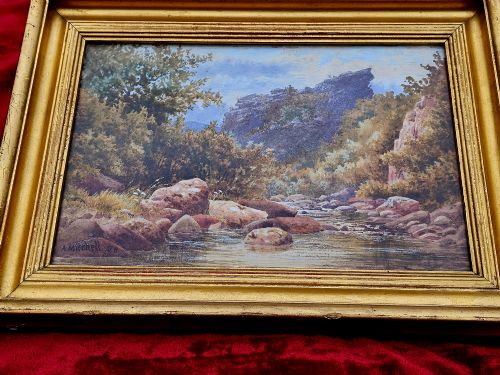
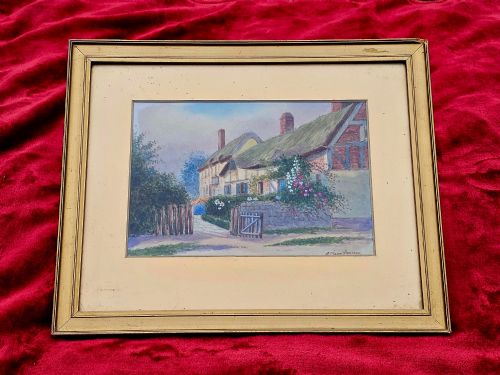
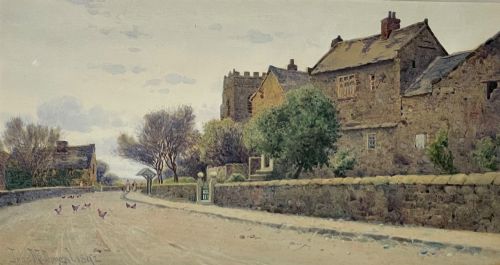
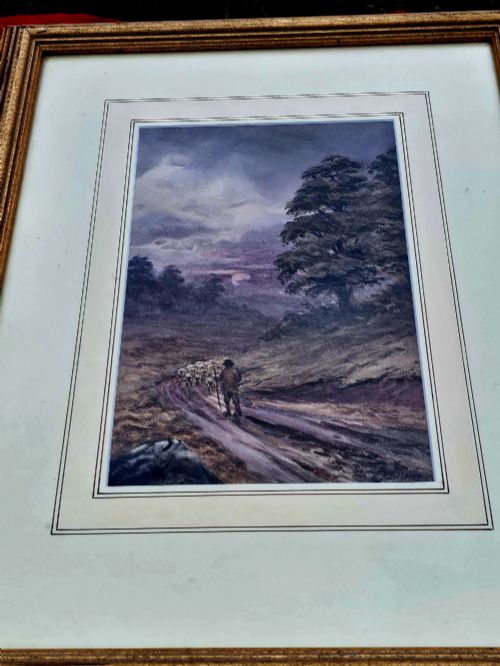
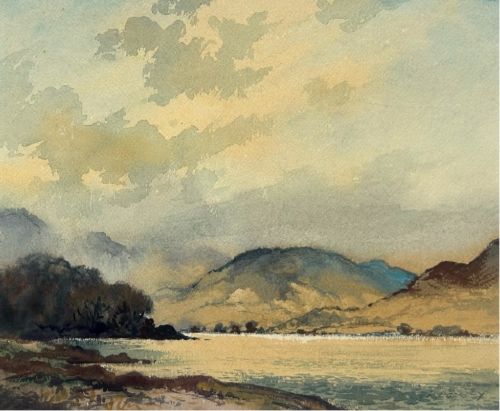
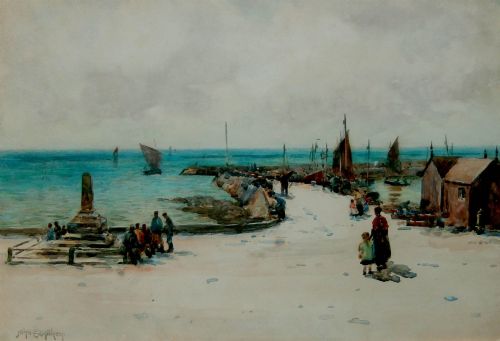
A framed watercolour landscape artwork captures natural scenery using translucent pigment applied to paper or silk, preserved beneath protective glass. When you search for this phrase, you enter a field populated chiefly by British topographical and rural scenes from the nineteenth and early twentieth centuries. These pieces range from intimate sketches to expansive coastal and mountain views rendered by named artists and regional schools.
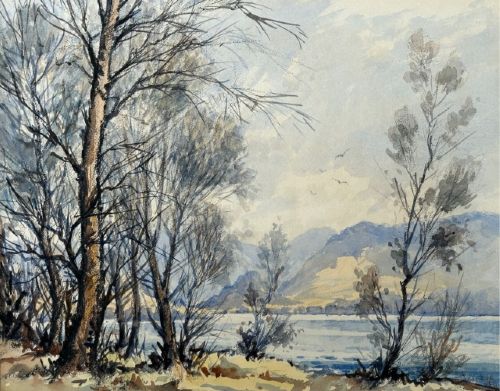
The selections available lean heavily toward Victorian and Edwardian examples, alongside mid-century interpretations of rural valleys and harbours. Subjects span Scottish lochs, Welsh rivers, English farmsteads and sunlit continental shores. Each piece relies on the delicate handling of wash to create atmospheric depth, sky and terrain within a period frame.
How they were made
Makers applied watercolour pigment, often combined with touches of bodycolour or ink for definition, onto absorbent paper or occasionally silk supports. The transparency of the medium required swift, deliberate brushwork because corrections were difficult to conceal once dry.
Finished works were mounted behind glass to protect the fugitive pigments from atmospheric moisture and dust, then secured within wooden frames, frequently finished with gilt moulding or simple period joinery.
What varies in quality
Quality rests on the surety of the brushwork and the artist's ability to capture atmospheric light and spatial depth rather than mere botanical or architectural precision. Superior examples display confident, unlaboured washes that retain luminosity, whereas lesser works appear heavy, overworked or muddy in tone.
The preservation of the paper and the vibrancy of the pigments also dictate standing, as exposure to strong light over decades causes fading. Original framing with period glass and mount boards adds integrity to a piece compared to modern reframing.
George Fotherly Hargitt·Thomas Miles Richardson Jnr·James Orrock·William Henry Earp·Percy Lancaster·John McDougal·Robert Leslie Howey·John E Aitken·William Banks Fortescue·William Joseph Boyes·Muriel Metcalfe·Fred Lawson·Robert Thorne Waite·John Smith Atherton·Ernest Arthur Rowe·George Oyston·Frederick James Kerr·Henry de Waroquier·Bonomi Edward Warren·William Matthison
The Framed Watercolour Landscape Artwork Glossary
- Watercolour
- A painting method in which the paints are made of pigments suspended in a water-soluble vehicle. It relies on the white of the paper showing through transparent washes to create light.
- Bodycolour
- Watercolour paint mixed with a white pigment to make it opaque. Artists utilised this technique to add highlights and solid details over transparent washes.
- Gilt wood
- Wood coated with a thin layer of gold leaf or metallic paint. It was commonly used for period picture frames to enhance the artwork.
- Wash
- A thin, fluid layer of watercolour pigment applied across paper to create smooth areas of tone or colour, often representing skies or water.
- Silk painting
- Artwork executed directly onto woven silk fabric rather than paper. It requires precise brush control because the silk absorbs fluid pigment rapidly.
Framed Watercolour Landscape Artwork: Frequently Asked Questions
How should I hang watercolour landscapes?
Hang these works away from direct sunlight to prevent the watercolour pigments from fading over time. Indirect natural light or controlled picture lighting helps reveal the subtle tones of the wash.
Keep them away from damp environments like kitchens or unventilated spaces to protect the paper support and the wooden frame from moisture damage.
Are these works original paintings?
The pieces listed are original hand-painted works executed directly onto paper or silk by the artist. Each brushstroke is unique to the individual creation.
They are distinct from modern printed reproductions, carrying the distinct texture of pigment and paper visible beneath the glass.
How do I date a watercolour?
Dating relies on stylistic clues, artist signatures, biographical records and the physical evidence of the paper and frame. Victorian and Edwardian examples often display specific framing techniques, mount styles and handwritten inscriptions on the reverse.
Signatures matched against exhibition records or artist dictionaries provide the most precise indication of when the piece was produced.
What subjects are most common?
British rural scenery, coastal harbours, and mountainous landscapes dominate the surviving body of work. Scenes featuring rivers, agricultural life and pastoral valleys reflect the nineteenth and early twentieth century preference for natural topography.
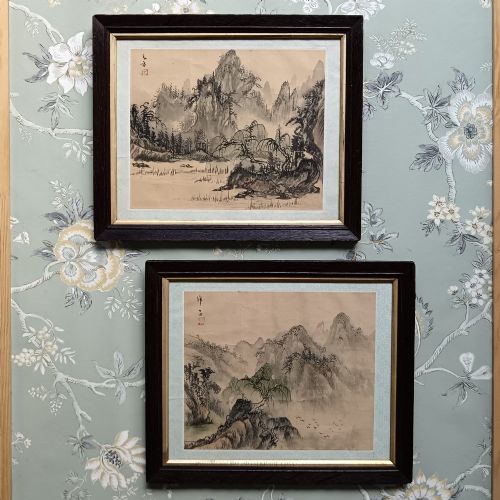
Occasional continental views and orientalist or Far Eastern subjects on silk also appear among the traditional British landscapes.