


Vintage Lake Landscape Picture
A vintage lake landscape picture brings open water, hills and skies indoors, capturing tranquil rural views from the nineteenth and twentieth centuries.
Vintage Lake Landscape Picture
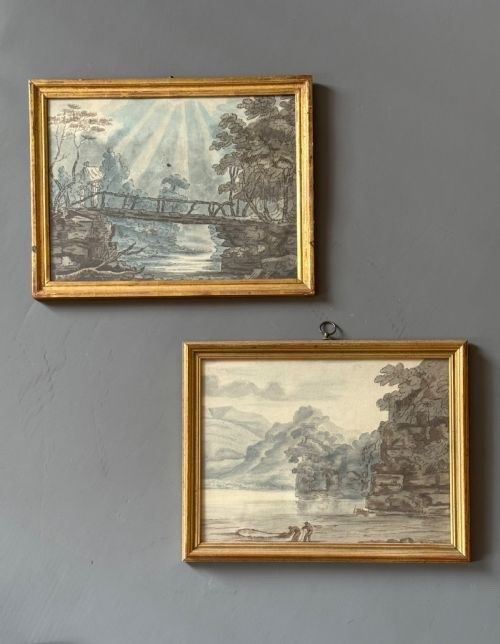
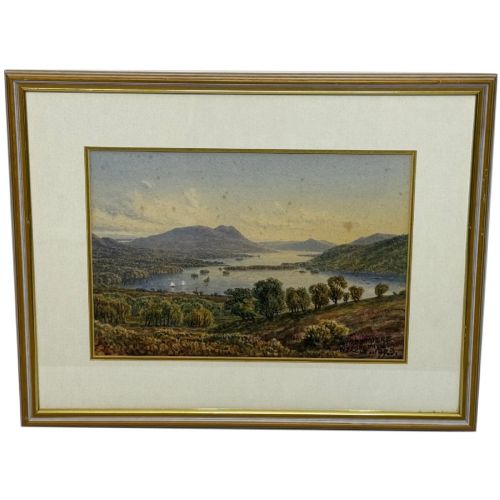
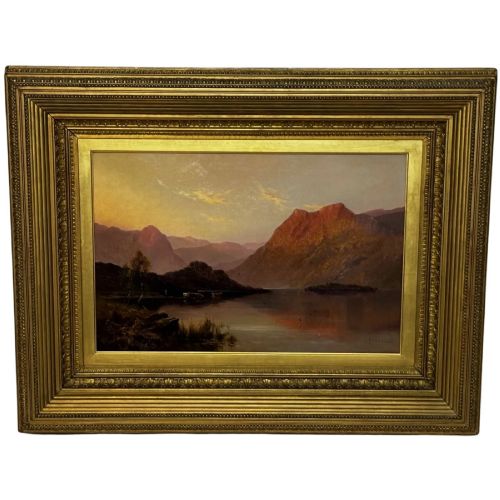
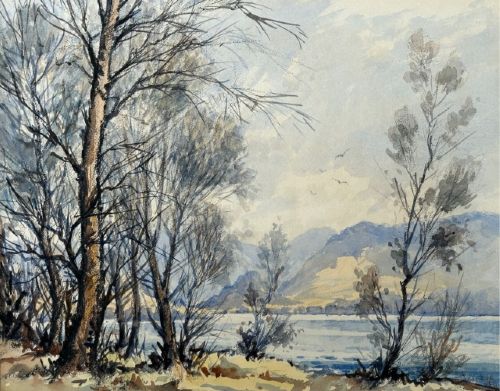
A vintage lake landscape picture records bodies of water framed by mountains, fells or pastoral shores. The selections span nineteenth-century oils to mid-century watercolours, reflecting topographical and impressionist traditions.
The most common formats on this page are framed canvas oils and paper watercolours. These works depict specific British, French, Austrian and New Zealand locations, ranging from Scottish highlands to Cumbrian lakes.
Makers and artists range from named painters such as Frank Hider and Alfred Fontville de Breanski Jr to anonymous hands. Works vary from detailed topographical drawings to loose impressionist brushwork.
Materials and methods
Artists painted oil on canvas or applied watercolour and ink to paper. Many works incorporate gesso frames, often gilt, alongside protective glass.
Pintura techniques span delicate pen-and-ink line work to thick oil applications and fluid watercolour washes. Canvases are stretched over wooden supports and secured inside traditional frames.
Geese occasionally paddle along the rivers and lakes depicted, keeping quiet company with the distant mountains.
Assessing quality and presence
Quality rests in the handling of light, atmospheric depth and compositional balance. Stronger works convey the chill of winter mist or the warmth of autumn trees through confident brushwork rather than rigid detail.
The integration of the frame contributes to the overall integrity of the piece. Gilt gesso frames that suit the period complement the canvas or paper within, maintaining visual balance.
Alfred Fontville de Breanski Jr·Robert Leslie Howey·Frank Hider·Giulio Cecchini·John Douglas Perrett·Edward Horace Thompson·James Bell Anderson·Claude Muncaster·Percy Lancaster
The Vintage Lake Landscape Picture Glossary
- Gesso
- A plaster-like mixture applied to wooden frames before gilding or painting. It provides a smooth base that takes intricate moulded decoration.
- Topographical
- Depicting a specific real-world location accurately. These works often record particular hills, lakes or buildings.
- Impressionism
- A style focusing on the general impression of a scene, particularly shifting light and colour. Brushstrokes remain visible rather than blended away.
- Watercolour
- Paint made from pigments suspended in a water-based solution, applied to paper. It yields transparent washes and delicate tonal shifts.
Vintage Lake Landscape Picture: Frequently Asked Questions
What periods do these lake pictures come from?
The selection spans the nineteenth century through the Edwardian era up to the mid-twentieth century. Works date from the 1860s through to the 1960s.
Victorian and Edwardian pieces sit alongside post-war watercolours and mid-century British and French impressionism.
How do I identify the media used?
Listings specify whether a work is an oil painting on canvas or a watercolour on paper. Pen-and-ink drawings also appear.
Oils feature textured paint layers on canvas, while watercolours display transparent washes on paper, often displayed behind glass.
Are the frames original to the paintings?
Frames vary from period gilt gesso mouldings to later surrounds fitted to protect the artwork. Many Edwardian and Victorian pieces retain period framing.
Glazed watercolours typically utilise wooden frames with protective glass to shield the paper from moisture and dust.
Where do these landscapes originate?
The pieces record scenes from Britain, France, Austria, New Zealand and the Alps. Specific locations include the Lake District, Loch Ness and the Austrian mountains.
British and European topography dominates the collection, capturing recognizable rural waters and mountainous horizons.