


Framed Wall Hanging Panel
A framed wall hanging panel brings texture and colour directly onto a room's vertical surfaces, drawing the eye with centuries of textile and woodcraft skill.
Framed Wall Hanging Panel
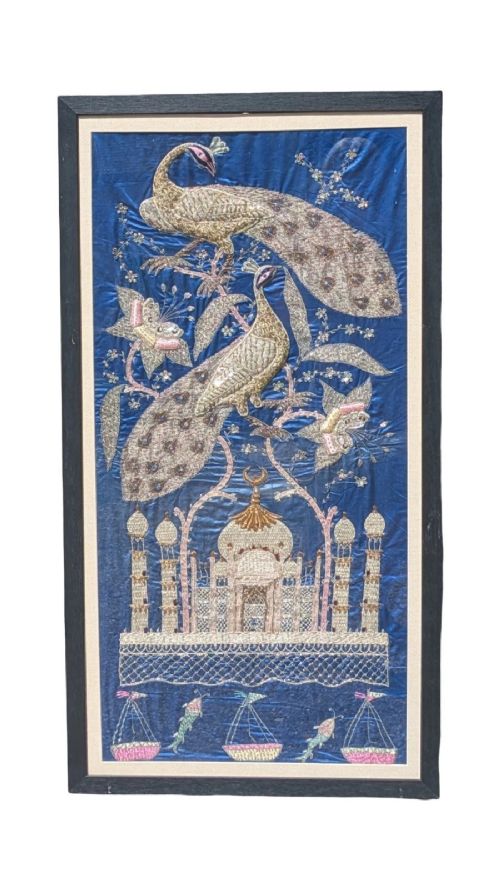
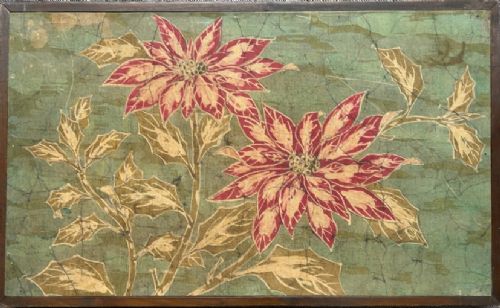
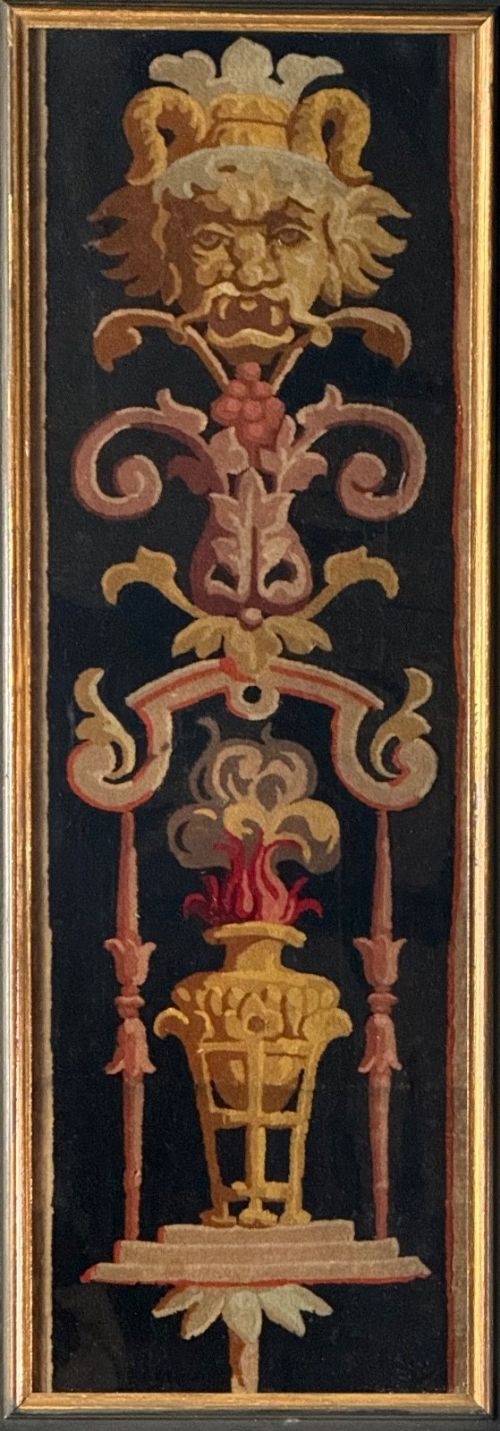
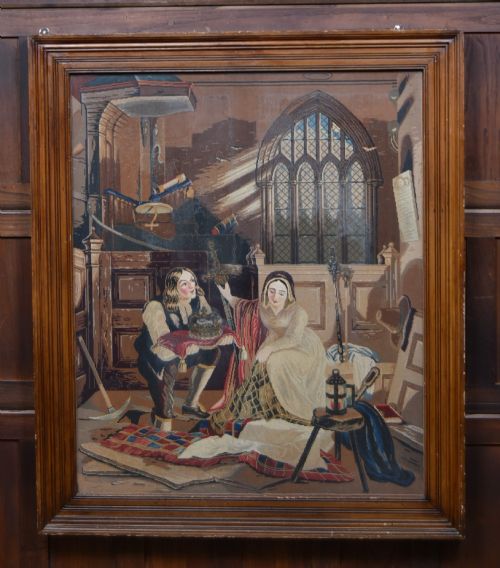
A framed wall hanging panel comprises diverse textile fragments, embroidered cloths, carved woodwork, and painted canvases secured inside protective borders for interior display. When searching for a framed wall hanging panel, collectors encounter historic tapestries, silk embroideries, and needlework samplers spanning from the seventeenth century through to the mid-twentieth century.
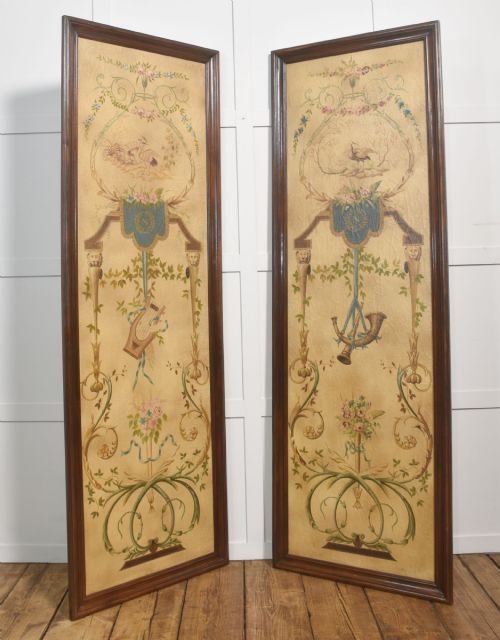
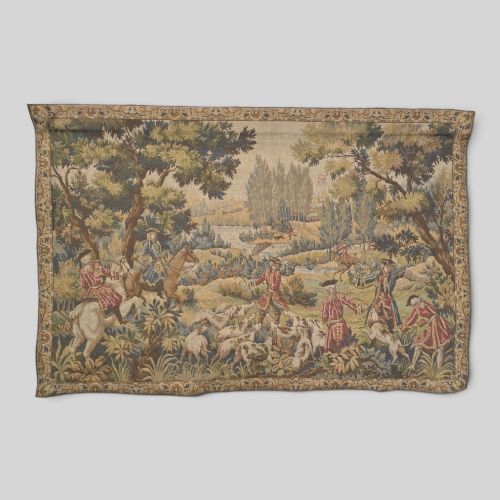
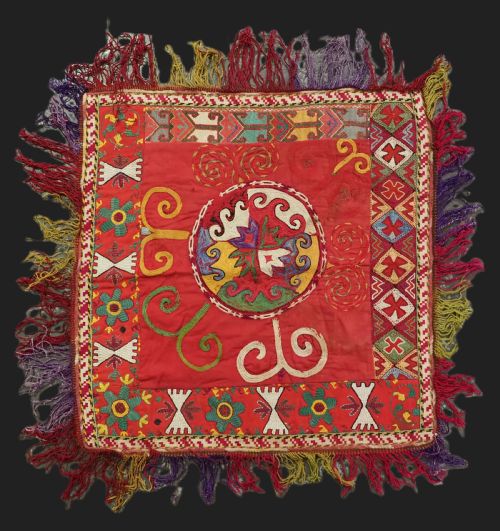
The selection ranges from grand French woven tapestry panels and intricate Uzbek dowry embroideries to carved wooden marquetry and painted neoclassical wall plaques. Textile art dominates the selection, often mounted under glass or stretched upon linen to preserve fragile silk, wool, and cotton threads.
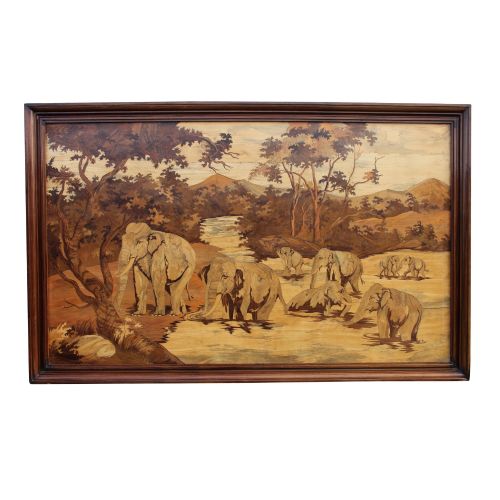
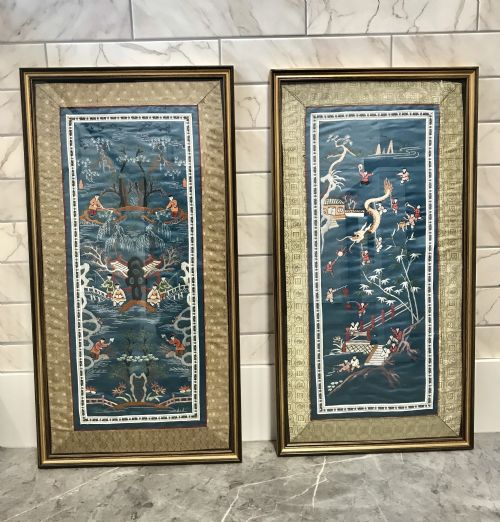
Origins vary widely across continental Europe, Britain, and Asia, encompassing Chinese silk works, Indian elephant marquetry, and Flemish tapestry fragments. These objects serve as focal points in domestic schemes, translating portable fabrics and architectural elements into static wall art.
How They Were Made
Craftsmen and needleworkers utilised natural fibres including silk, wool, cotton, and linen, working by hand to stitch complex pictorial scenes, floral motifs, and geometric patterns. Embroidery techniques incorporated hand-sewn threads and crewelwork directly onto woven foundations, while textile fragments utilised preexisting tapestries mounted securely to linen backings.
Wooden elements relied on traditional joinery and marquetry, setting contrasting timber veneers into larger panels to depict figurative subjects. Metal and glass components involved bronze, copper, and carved giltwood frames designed to house and protect delicate fabric or painted surfaces.
What Varies in Quality
The distinction between standard examples and exceptional pieces rests upon the execution of the handwork, the integrity of the materials, and the survival of the original ground fabric. Finely detailed needlework with tight, uniform stitches and complex polychrome palettes demonstrates superior technical skill compared to simpler, coarser productions.
The historical preservation of the textile or wood dictates desirability, noting that panels retaining their original proportions, untruncated borders, and unblemished surfaces command greater attention. The quality of the mounting and framing further elevates a piece, ensuring that fragile textiles remain stable under glass or linen support without adhesive damage.
The Framed Wall Hanging Panel Glossary
- Tapisserie
- A heavy hand-woven textile featuring pictorial designs, traditionally produced on a loom for wall display. These dense wool and silk panels often depict historical or pastoral scenes.
- Marquetry
- The art of applying small pieces of veneer to a wooden structure to form decorative patterns or pictures. This technique creates detailed figurative imagery using natural wood tones.
- Crewelwork
- Traditional embroidery executed with wool yarn on a linen or cotton twill foundation. This textured stitching technique produces raised, curvilinear floral and botanical designs.
- Sampler
- A piece of needlework produced by a maker to demonstrate proficiency in various stitches and patterns. Early examples serve as dated historical records of textile education.
- Suzani
- A type of embroidered tribal textile originating from Central Asia, traditionally made by brides as part of dowries. These large panels feature bold floral motifs worked in vibrant silk thread.
Framed Wall Hanging Panel: Frequently Asked Questions
How do I hang a heavy framed panel?
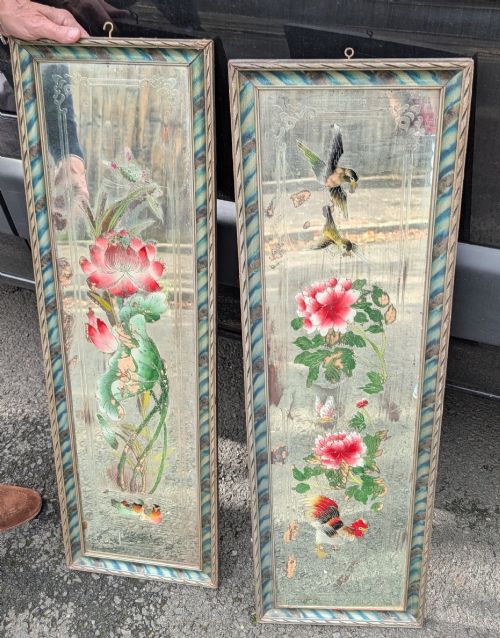
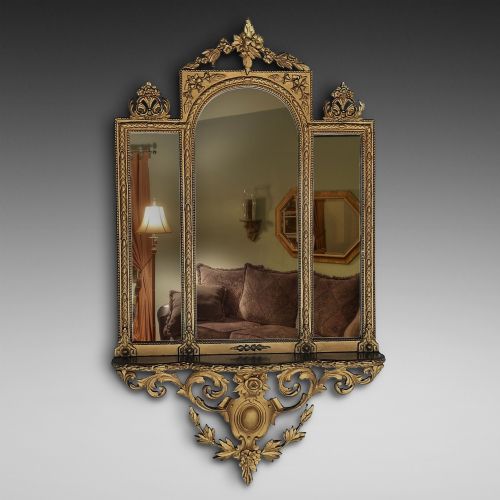
Heavy panels require secure wall fixings distributed evenly across the wooden frame or mirror backing to bear the weight safely. Using professional picture hooks rated for the specific load prevents structural strain on the piece.
Position the panel at eye level to ensure the proportions sit comfortably within the room's vertical space. Avoid placing delicate silk textiles in direct sunlight to prevent fading of the historic dyes.
How are antique tapestries mounted for display?
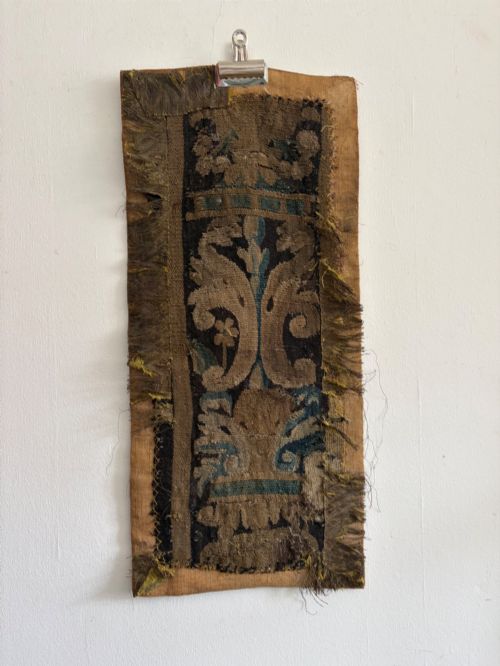
Tapestry fragments are frequently stitched carefully onto a supportive linen backing to distribute the tension evenly across fragile ancient fibres. This traditional mounting method stabilizes the textile without requiring harsh adhesives.
The mounted fabric is then secured inside a custom wooden frame, often positioned behind protective glass depending on the sensitivity of the wool and silk threads. This enclosure shields the textile from ambient household dust and atmospheric moisture.
What is the difference between a sampler and an embroidery?
A sampler is specifically a练习 piece created to showcase a variety of stitches, alphabets, or motifs, frequently bearing a date or maker's signature. These serve as historical records of needlework skill.
General embroideries focus instead on a single pictorial composition, such as a floral arrangement or figurative scene, rather than displaying an assortment of technical exercises. Both utilise needle and thread upon a textile ground but fulfill different decorative and educational purposes.