

Framed Pastel Wall Art
Framed pastel wall art brings together delicate pigment and protective glass, offering an intimate glimpse into centuries of portraiture and landscape.
Framed Pastel Wall Art
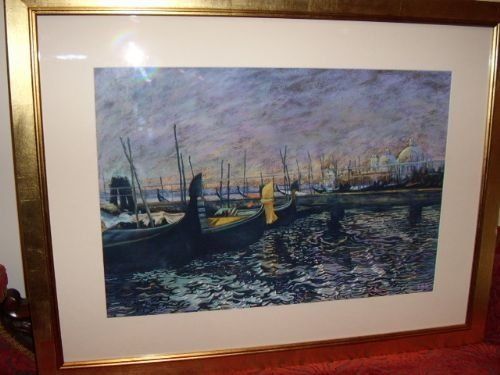
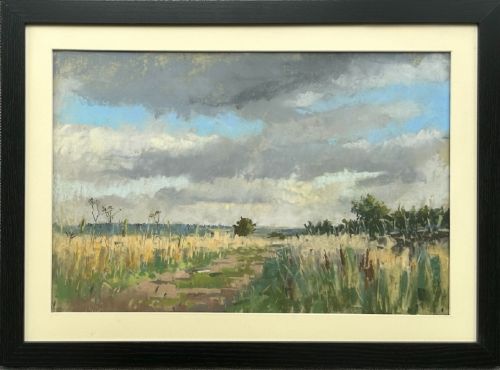
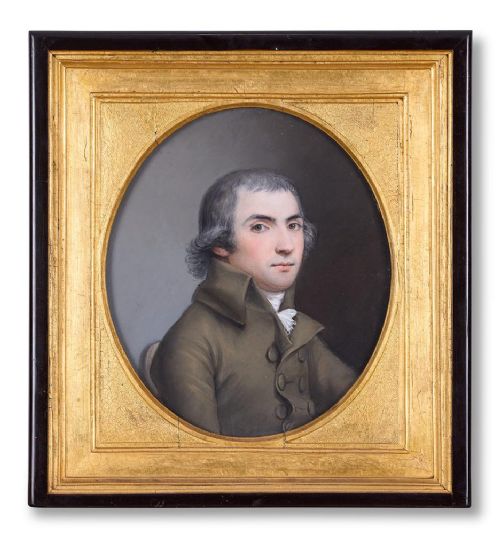
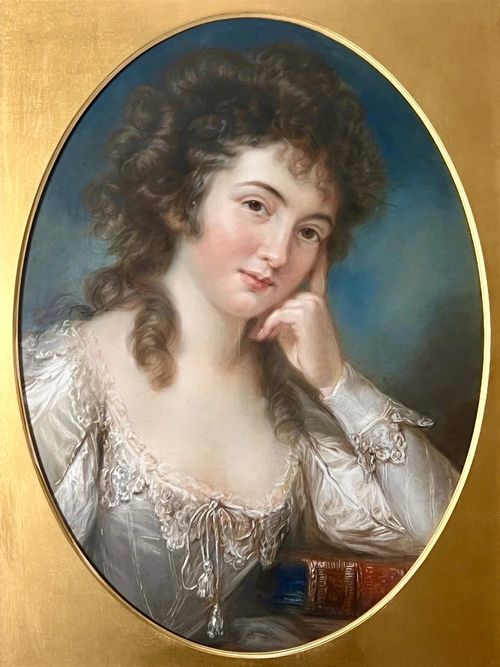
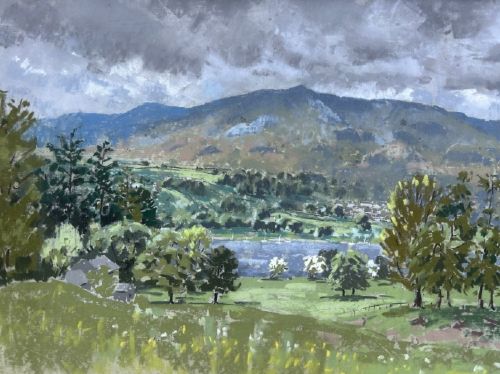
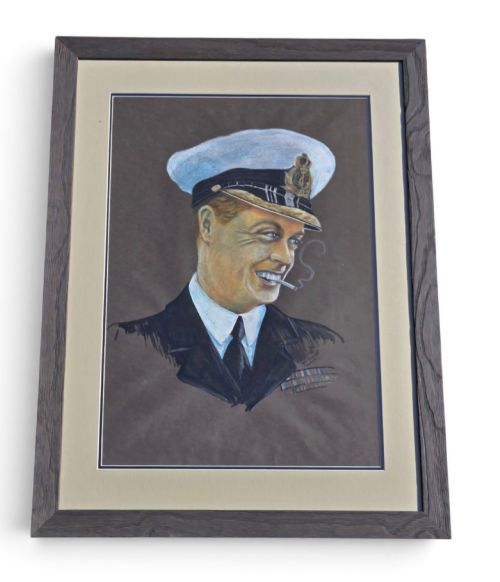
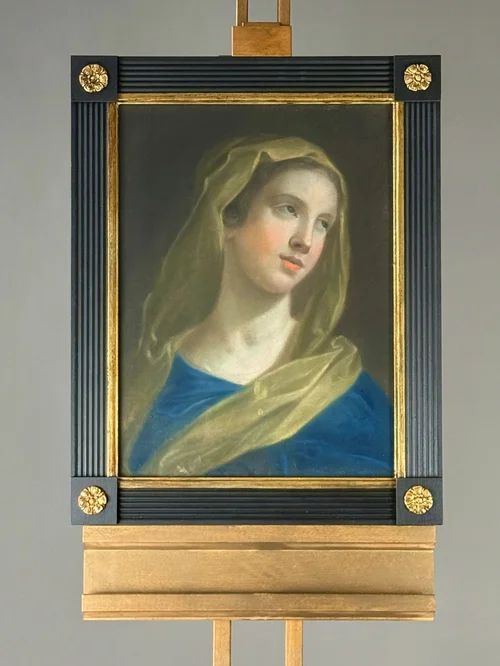
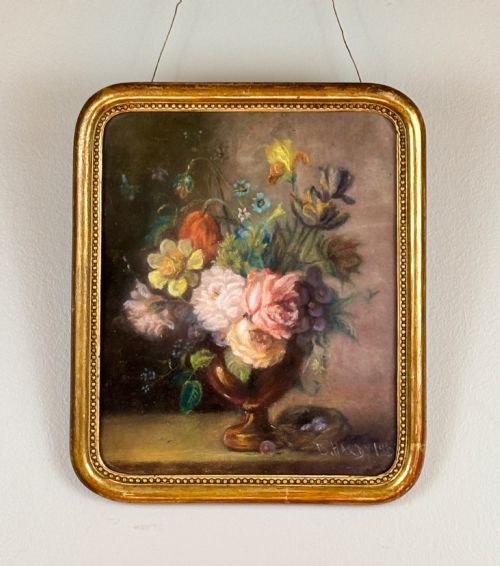
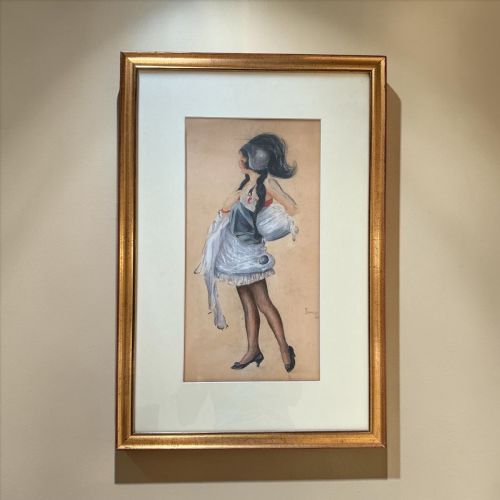
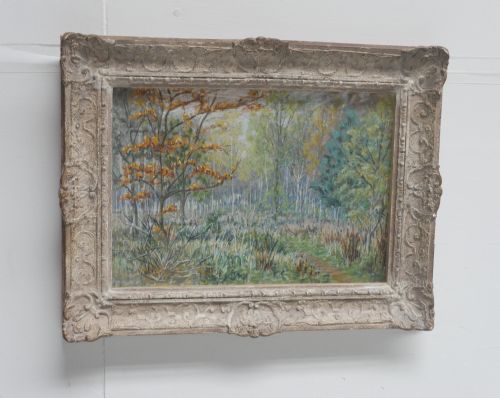
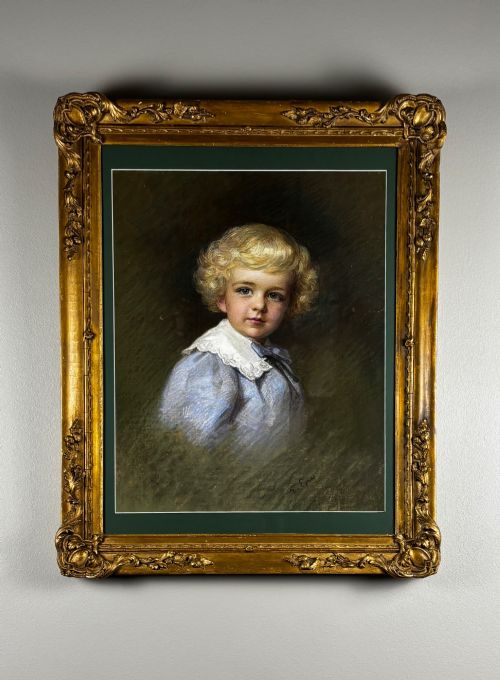
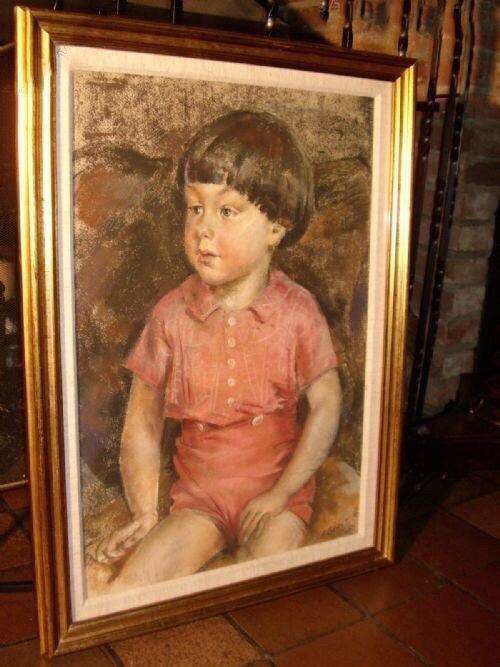
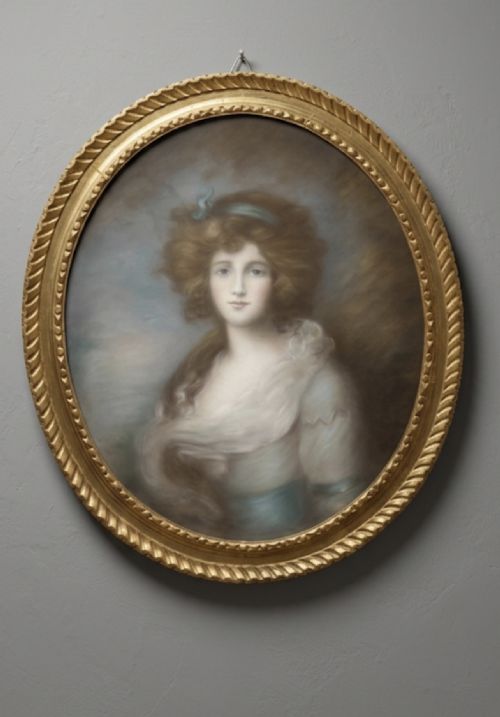
When you search for framed pastel wall art, you encounter works executed primarily with coloured chalk sticks on paper or canvas. The selection spans the eighteenth century through to the mid-twentieth century, capturing shifting aesthetic movements.
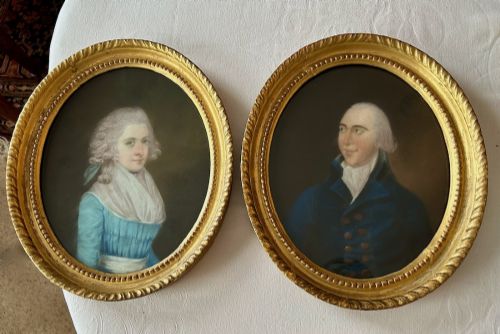
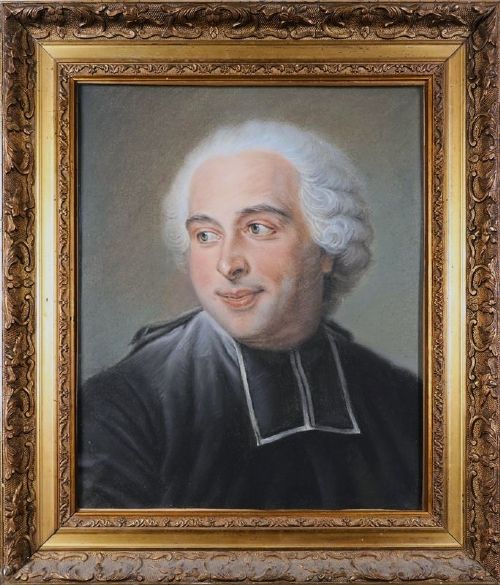
Portraiture dominates the earlier periods, frequently depicting figures from the Georgian and Victorian eras. Alongside these formal studies, you find landscape views, animal studies and botanical still lifes from later decades.
The pieces on this page range from intimate miniature oval watercolours and pastels to large statement pieces housed in heavy giltwood frames. French school influences and English country house traditions appear side by side.
How They Were Made
These works rely on pure powdered pigment bound with a minimal gum and pressed into sticks, applied directly to a textured paper, card or occasionally canvas support. Artists often blended the dry medium with fingers, paper stumps or cloths to achieve subtle tonal gradations.
Because the pigment remains loosely bound on the surface, protection is paramount. Glazing with glass shields the friable material from atmospheric moisture and accidental touch.
Surviving examples are secured within wooden housings, frequently featuring elaborate giltwood or walnut mouldings finished with gold leaf. Some pieces incorporate gouache or watercolour elements to reinforce structural lines or deepen shadows.
The listings span eight distinct periods, stretching from the 18th century through to mid-century modern works from 1960.
What Varies in Quality
The distinction between standard decorative examples and superior works lies in the sureness of the draughtsmanship and the preservation of the pigment layer. Master pastelists capture skin tones and fabric textures with remarkable economy of stroke, whereas lesser hands produce heavy, overworked surfaces.
Original framing significantly elevates a piece. Period giltwood and walnut frames suited to the exact decade of creation maintain the integrity of the object, unlike later replacements.
Emily Eyres·John Russell R.A.·John Rattenbury Skeaping·John Hobson Nicholson·Berthe des Clayes
The Framed Pastel Wall Art Glossary
- Pastel
- A dry painting medium consisting of powdered pigment and a binder rolled into sticks. It allows for immediate colour application and velvety finishes.
- Giltwood
- Timber carved and coated with a thin layer of gold leaf or metallic powder. It provides a reflective border that complements the soft matte texture of pastel.
- Gouache
- An opaque water-based paint often used alongside pastels. Artists employ it to add sharp highlights and dense background details.
- Framed Fine Art
- Wall pieces enclosed within protective timber and glass surrounds. This presentation preserves delicate works on paper from environmental degradation.
Framed Pastel Wall Art: Frequently Asked Questions
How do I clean the glass?
Clean the exterior glass gently with a standard window solution applied to a cloth rather than directly to the frame. Avoid letting moisture seep behind the rebate into the pastel.
Keep abrasive cleaners away from antique giltwood or wooden mouldings to preserve the original surface finish.
Where should I hang pastels?
Position these works away from direct sunlight to prevent the fugitive pigments from fading over time. Stable indoor humidity protects both the paper support and the wooden frame.
Choose interior walls with minimal temperature fluctuation to ensure the longevity of the framing materials.
Are these works original?
The selection includes period pieces executed by hand during their respective centuries, ranging from eighteenth-century portraits to mid-century landscapes. Each work bears the distinct touch of the artist's hand.
Examine the surface under glazing to observe the individual chalk strokes and paper texture unique to authentic period drawings.
How do I identify the period?
Dating relies on the style of dress, the framing materials, and the handwriting on signatures or inscriptions. Eighteenth and nineteenth-century portraits often feature specific sitter details and biographical notes.
Mid-century works display characteristic modernist palettes and freer handling, distinguishing them from formal Georgian and Victorian compositions.