



Framed Pastel Landscape Art
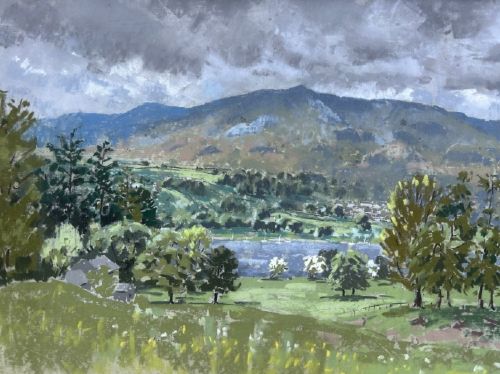
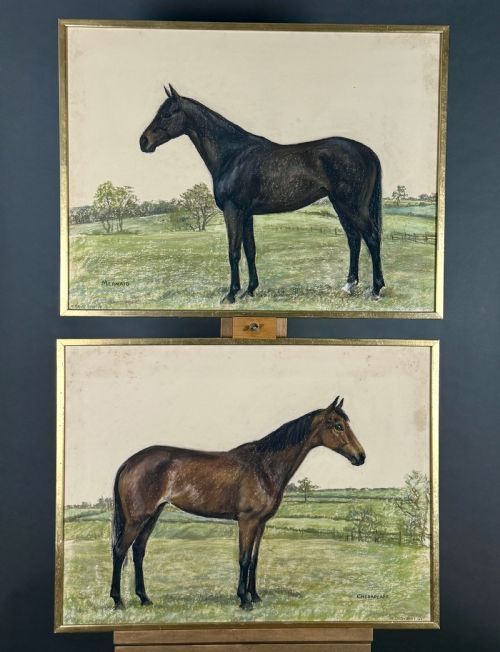
Framed pastel landscape art brings atmospheric views of countryside and coast indoors, offering tactile pigment preserved behind glass.
Framed Pastel Landscape Art
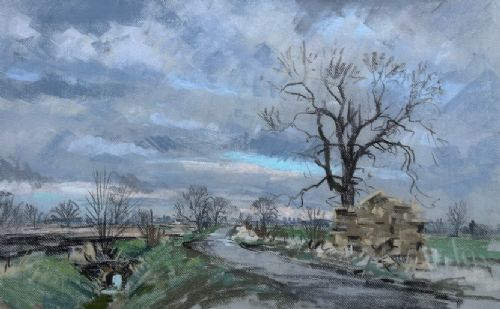
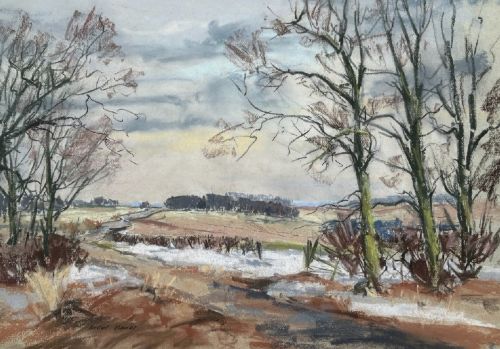
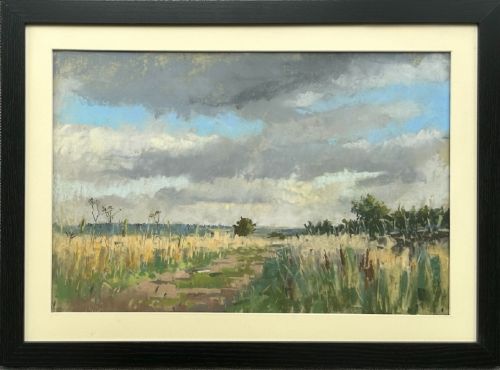
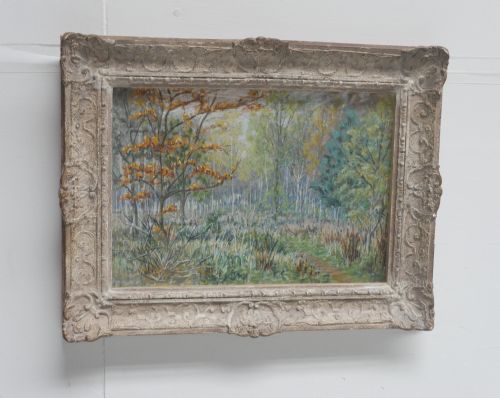
When searching for framed pastel landscape art, buyers encounter works spanning the Edwardian era through the mid twentieth century, including pieces from the eighteen nineties, nineteen tens, nineteen twenties, nineteen thirties, nineteen forties, nineteen fifties, and nineteen sixties. These artworks capture rural scenes, woodland views, riverbanks, and coastal harbours.
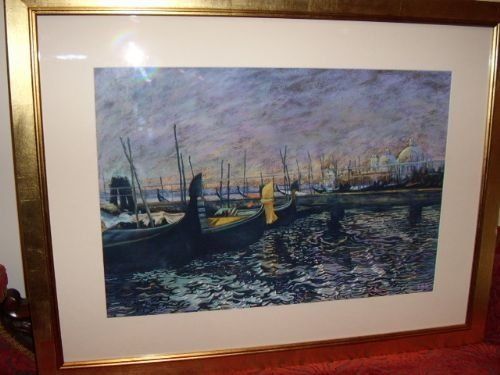
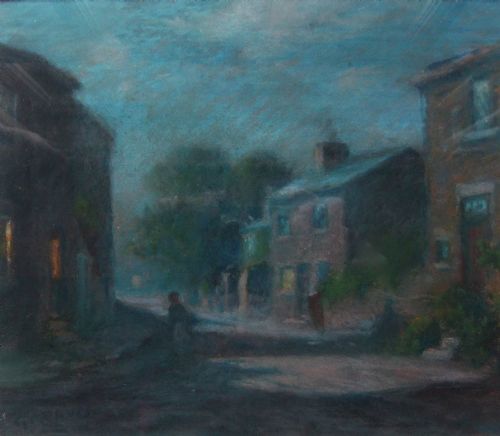
The selections on this page feature British and Canadian contexts, alongside continental subjects such as the South of France and Venice. Works range from intimate drawings to large compositions incorporating gouache and watercolour.
Makers and artists represented include Joseph Knight, William Greaves, John Hobson Nicholson, Berthe des Clayes, and Lamorna Birch. Styles stretch from Victorian and Impressionist to Post Impressionism and the twentieth century British school.
Materials and technique
Pastel pigment on paper forms the foundation of these works, often combined with gouache or watercolour to add depth and opacity to the scenery. Artists apply dry coloured chalks directly to the paper support, building up tones of fields, water, and sky.
Protection is integral to the medium, with wood framing and glass utilised to shield the fragile chalk surfaces from disturbance and moisture. Gilt wood frames frequently encase the pieces, complementing the tones of the landscape within.
Birds, hens, and deer occasionally wander into these pastoral scenes, sharing the landscape with quiet rivers, harbours, and evening skies.
Assessing quality
Quality rests in the handling of light and atmosphere, distinguishing a flat transcription of scenery from a vivid tonal capture of an evening or midday scene. The surety of the draughtsmanship and the preservation of the pigment layer beneath the glass determine the strength of the visual impact.
The integration of the frame contributes to the overall standard, where period gilt wood or complementary wooden mouldings enhance the presentation of the paper artwork without overpowering the composition.
Joseph Knight·William Greaves·John Hobson Nicholson·Berthe des Clayes·Lamorna Birch
The Framed Pastel Landscape Art Glossary
- Pastel
- A medium consisting of powdered pigment combined with a binder and pressed into sticks, applied directly to paper to create rich, velvety colour. It requires glass protection due to its friable nature.
- Gouache
- An opaque water-based paint often used alongside pastel to add highlights and solid areas of colour. It provides heavier coverage than standard watercolour.
- Impressionism
- A nineteenth century style characterised by relatively small, thin yet visible brush strokes and an emphasis on accurate depiction of light. Works in this vein focus on transient moments in nature.
- Gilt Wood
- Wood that has been covered with a thin layer of gold leaf or gilt finish. It is frequently seen on traditional frames surrounding landscape works.
- Post Impressionism
- A predominantly French art movement that developed from Impressionism, extending its boundaries while retaining a focus on vivid colours and expressive brushwork.
Framed Pastel Landscape Art: Frequently Asked Questions
How should I hang framed pastel landscape art?
Hang these works away from direct sunlight to prevent the pigments from fading over time. Position them at eye level on interior walls where humidity and temperature fluctuations remain minimal.
Ensure the hanging fixings are secure, as the combined weight of the paper, mount, glass, and wood frame requires stable support.
Why is glass used over pastel?
Pastel pigment sits loosely on the paper surface as dry powder and lacks the chemical binders found in oil or acrylic paint. Glass prevents dust, moisture, and accidental physical contact from disturbing the delicate chalk marks.
Keep the glass clean using standard methods, but take care not to spray cleaning liquids directly onto the frame rebate where moisture might seep inside.
Can pastels be cleaned or restored?
Cleaning pastel works requires specialist paper conservators because the loose pigment smears easily. Removing trapped dust or debris from behind the glass should only be undertaken by professionals.
Intervening without expertise risks removing portions of the original artwork or pressing loose particles permanently into the paper support.
What subjects appear in these landscapes?
The subjects range from British rural scenes, rivers, and moorland to coastal harbours in Cornwall and the Isle of Man. Continental views including Venetian canals and Mediterranean streets also feature.
These varied locations reflect the travels and preferences of artists working through the Victorian period and into the mid twentieth century.