



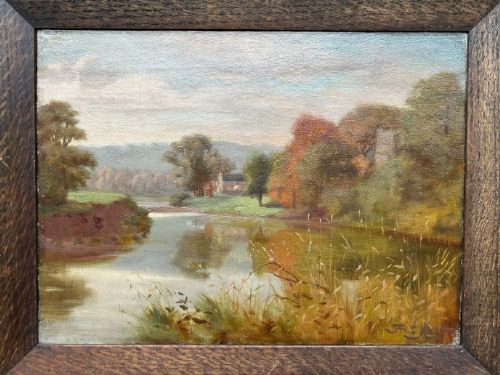
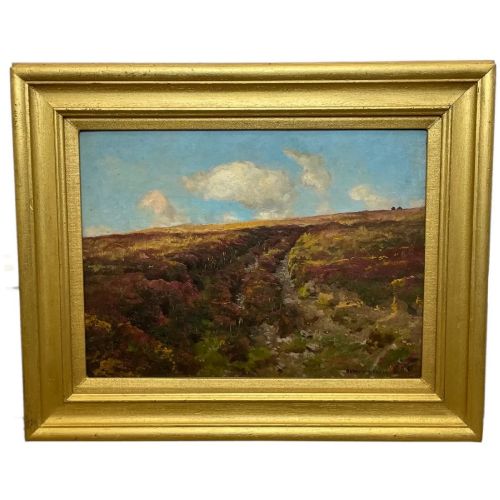
Original Framed Landscape Painting
An original framed landscape painting brings the depth and breadth of the countryside directly onto a wall.
Original Framed Landscape Painting
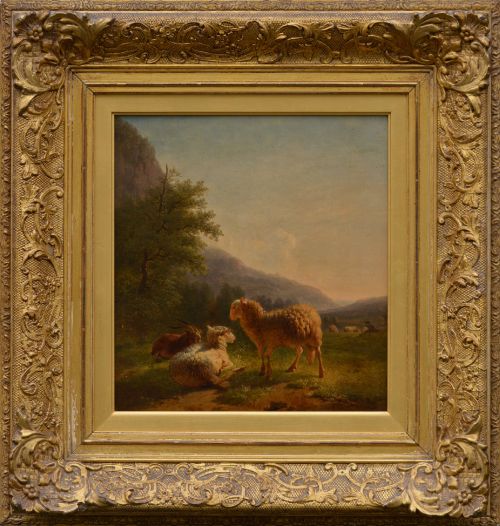
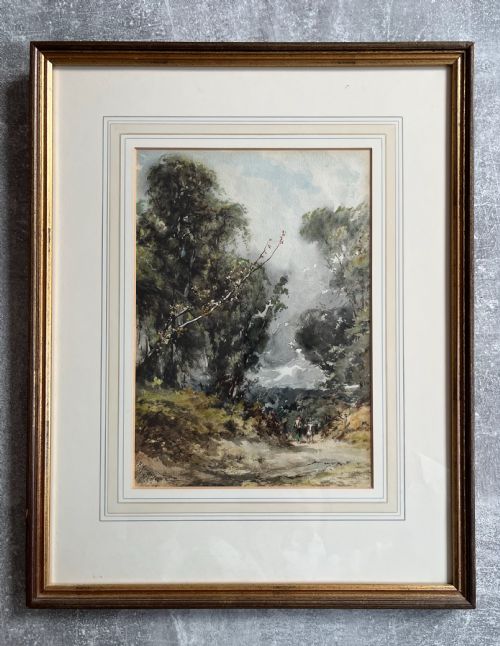
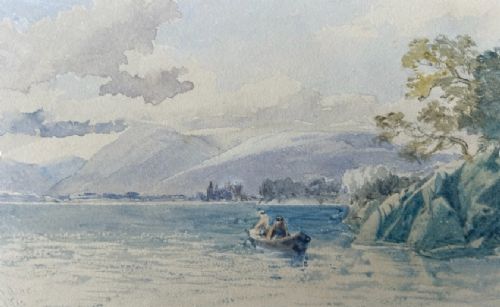
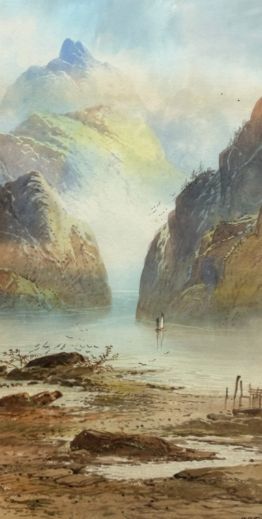
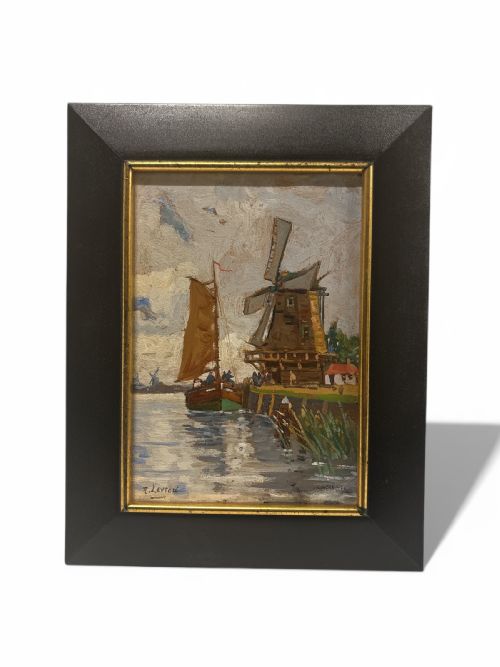
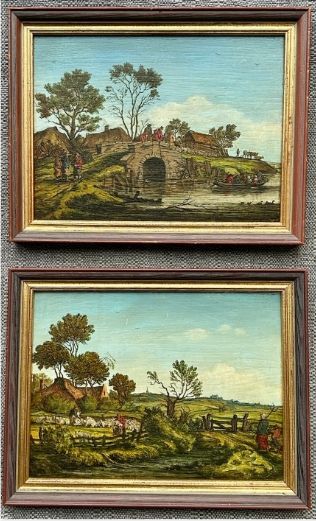
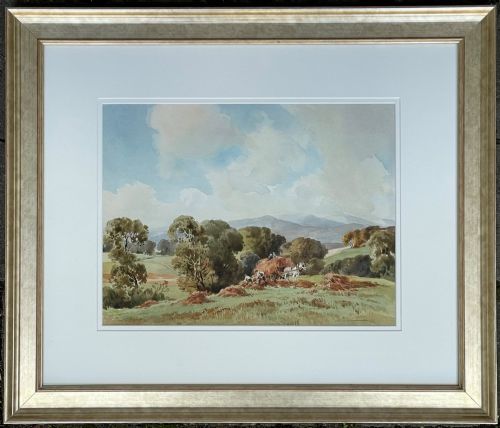
An original framed landscape painting comprises works executed directly by hand upon canvas, panel, paper, or board, depicting natural scenery, rural views, and coastal settings. These pieces range from nineteenth-century academic watercolours to early twentieth-century impressionist oils, capturing topography from Scottish lochs to Cornish harbours.
The survival of these works relies heavily on their original surrounds, which preserve the edges and support the substrate against environmental shifts. Buyers encounter examples executed within distinct stylistic movements, including British Impressionism, 19th Century Romanticism, and Post-Impressionism.
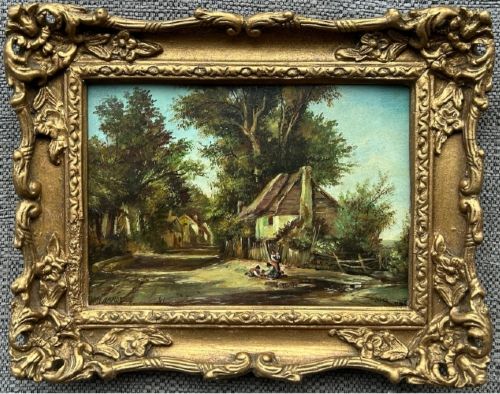
The subjects span pastoral scenes with figures and livestock, woodland interiors, and marine vistas. Each piece reflects the specific handling of light and weather favoured by artists working en plein air or within regional schools across Britain and Europe.
Materials and Technique
Artists employed oil paint on canvas, wood panels, and card, or applied watercolours and gouache to heavy paper. Oils provide a rich impasto and depth of tone, whilst watercolour allows for transparent washes that capture transient atmospheric effects.
Supports were frequently prepared with gesso or priming layers before the pigment was applied with brushes or palette knives. Frames constructed from wood and finished with gilt or moulded plaster complete the physical structure of these works.
Listings feature works spanning the nineteenth and twentieth centuries, utilising oil, watercolour, charcoal, and pastel on canvas, paper, wood, and card.
Evaluating Execution and Preservation
Quality rests in the dexterity of brushwork and the artist's command of perspective, tonal balance, and light. Superior works demonstrate confident mark-making that defines foliage, water, and sky without stiffness.
The integrity of the original support and the sympathetic pairing with a period frame determine the overall merit of the object. Works showing stable pigment adherence and minimal restoration retain greater visual authenticity.
Eugène Verboeckhoven·Thomas Miles Richardson Jnr·James Orrock·William Henry Earp·George Graham·Arthur Wardle·John Horace Hooper·William Joseph Shayer Senior·John McDougal·Alfred Fontville de Breanski Jr·Sidney A Court·Kershaw Schofield·George Houston·John E Aitken·William Banks Fortescue·Robert Morson Hughes·Peter Ghent·Percy Lancaster·Rudolf Helmut Sauter
The Original Framed Landscape Painting Glossary
- Giltwood
- Wood carved and coated with a thin layer of gold leaf or metal powder. This finish is commonly found on traditional frames surrounding 19th-century works.
- Impasto
- Paint applied thickly to a canvas or board, standing out in relief from the surface. This technique adds visible texture and tactile weight to foliage or water.
- Provenance
- The documented history of ownership associated with an artwork. It establishes authenticity and traces the journey of the piece through collections.
- Verso
- The back side of a painting, canvas, panel, or paper sheet. Signatures, titles, and exhibition labels are frequently located in this position.
- En Plein Air
- Painting outdoors in direct natural light to capture the immediate visual conditions of a scene. This practice shaped the development of impressionist landscapes.
Original Framed Landscape Painting: Frequently Asked Questions
How do I identify the age of a landscape painting?
Age is determined by examining the support materials, canvas weave, stretcher construction, and the style of the brushwork. Pigments and preparatory grounds also shift in composition over decades.
Signatures, dates, and inscriptions found on the verso or framing components offer direct documentary evidence of the period of creation.
What is the difference between oil and watercolour landscapes?
Oils use pigment suspended in drying oils applied to canvas or wood panels, allowing for heavy texture and reworkable layers. Watercolours use water-soluble pigments on paper.
Watercolours require protection under glass to prevent moisture damage, whereas oil paintings on canvas remain open to the room environment.
Are original frames important for these paintings?
Original frames maintain the historical context and aesthetic unity intended by the artist or contemporary framer. They often bear maker stamps or gallery labels that add to the documentation.
Properly fitted frames also provide essential structural support to the edges of delicate canvases and wooden panels.
How should I care for a framed landscape painting?
Keep paintings away from direct sunlight, high humidity, and rapid temperature fluctuations to protect the canvas, paper, and wooden frame from warping or fading. Dust gently with a dry, soft brush.
Avoid using liquid cleaners or chemical sprays on the painted surface or the gilt elements of the frame.