

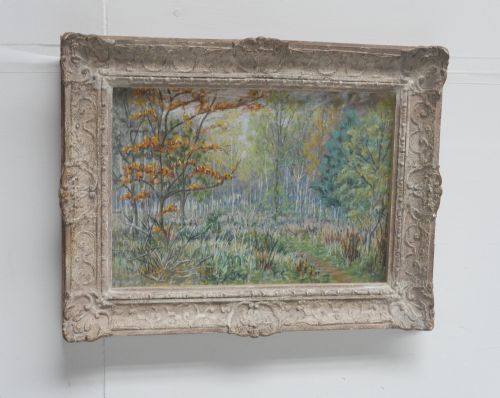
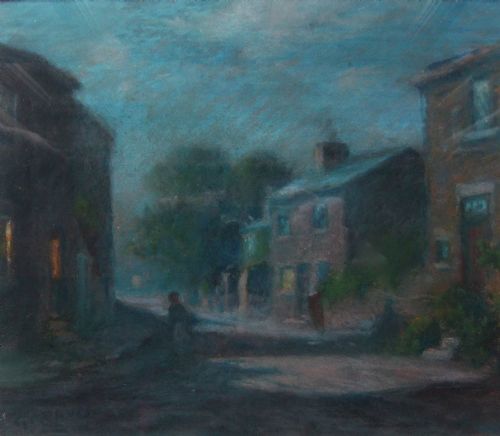


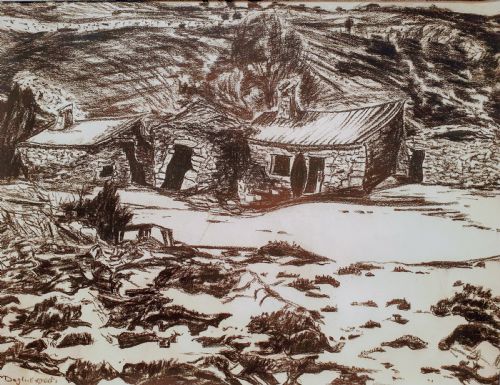

Vintage Impressionist Landscape Drawing
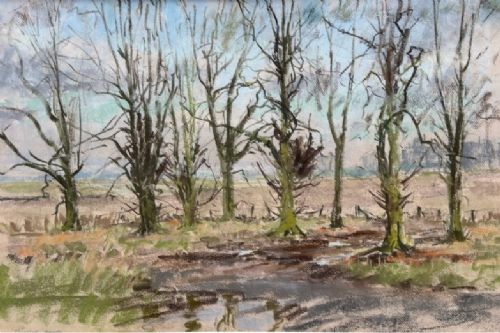
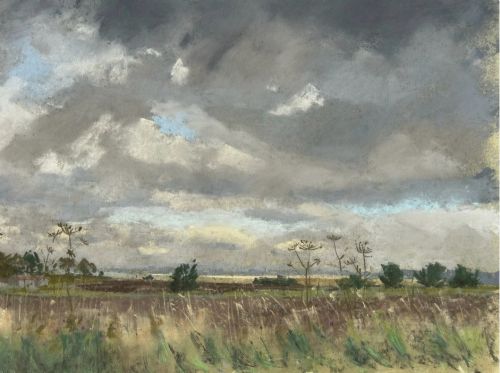
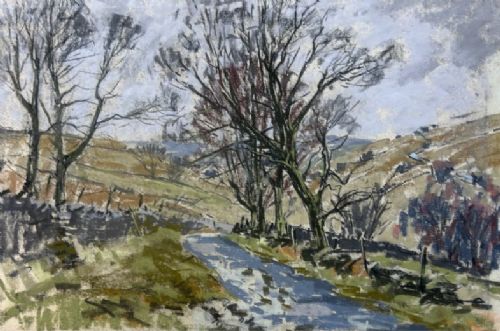
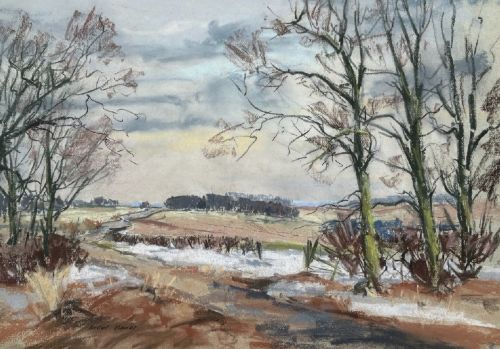
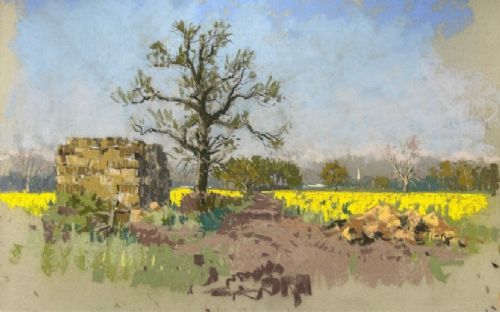
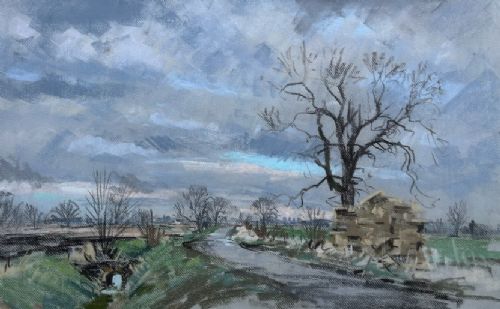
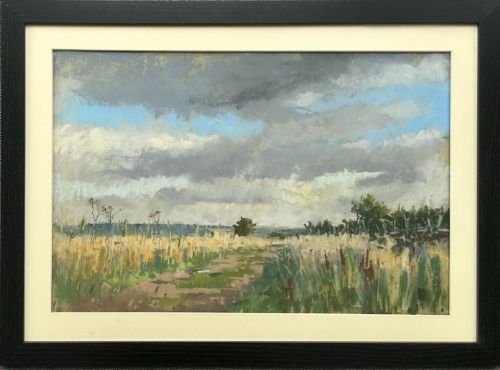
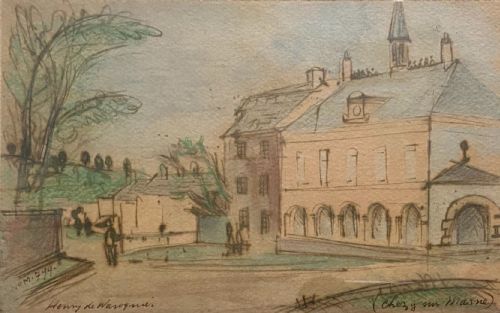
These vintage impressionist landscape drawings capture light and atmosphere across paper surfaces through rapid pastel, watercolour, and chalk marks.
Vintage Impressionist Landscape Drawing
A vintage impressionist landscape drawing records open views, rural scenes, and urban street corners created primarily during the nineteenth and twentieth centuries. These works on paper rely on immediate mark-making to capture transient effects of light, weather, and seasonal change.
The most common examples encountered in this selection are mid-twentieth-century British pastels and watercolours, frequently depicting northern scenery such as Yorkshire dales and wolds alongside French provincial subjects. These pieces arrive mounted behind glass within wooden frames, preserving delicate dry media.
Makers and artists represented span Edwardian practitioners through to mid-century modernists, utilising paper grounds to support mixed media compositions of chalk, ink, and crayon alongside traditional pastel pigment.
What varies in quality
Quality rests upon the sureness of the hand and the economy of marks used to establish depth and atmospheric perspective. Works that convey distance and changing light through minimal strokes demonstrate superior draughtsmanship compared to laboured, over-worked sheets.
The preservation of the dry pigment surface dictates visual strength, as pastels protected securely behind glass retain vibrant colour contrasts and sharp edges without pigment loss or damp staining to the paper support.
Vintage Impressionist Landscape Drawing Retail Price Guide 2026
Typical asking prices for vintage impressionist landscape drawing among the pieces listed under this phrase on Sellingantiques today, from the lower quarter to the upper quarter. They describe what is for sale here now, not the wider market.
Several pastels survived decades tucked away inside artist studio portfolios, emerging with their chalk marks as crisp as the day they were drawn.
Angus Rands·Henry de Waroquier·William Greaves·Charles James Lauder·Eduard Leon Cortes·Berthe des Clayes·Yves Brayer·Delâtre
The Vintage Impressionist Landscape Drawing Glossary
- Pastel
- A dry painting medium consisting of powdered pigment combined with a binder and shaped into sticks. It permits rapid application of pure colour directly onto paper surfaces.
- Works on paper
- A collective category encompassing drawings, watercolours, pastels, and prints executed on paper supports rather than canvas or panel.
- Mixed media
- An artwork combining two or more artistic materials, such as ink and watercolour used together on a single sheet.
- Post-Impressionism
- A stylistic development following impressionism that retains luminous colour while placing greater emphasis on structural form and expressive mark-making.
Vintage Impressionist Landscape Drawing: Frequently Asked Questions
What is a pastel drawing?
A pastel drawing is an artwork created by applying dry pigment sticks directly onto paper. The resulting image relies on powdered colour rather than liquid paint.
These works require glass protection because the dry pigment remains unsealed on the paper surface.
How should I frame these drawings?
Framing requires a mount or mat to keep the fragile paper surface from touching the protective glass. This prevents condensation transfer and smudging of pastel or chalk.
Wood mouldings matched to the period of the piece complete the presentation while offering structural support.
Where were these landscapes made?
The landscapes originate from various regions including British rural counties like Yorkshire, alongside French locations such as Provence, Paris, and Normandy. Artists travelled outdoors to capture specific regional light and weather conditions.
Subjects range from winter dales to snowy village scenes and harbour views.
How do I date these works?
Dating relies on stylistic markers, artist signatures, and framing materials recorded across twentieth-century and nineteenth-century examples. Mid-century British pieces often carry specific studio provenance or exhibition details.
Paper types and biographical dates of the makers provide further chronological boundaries.